
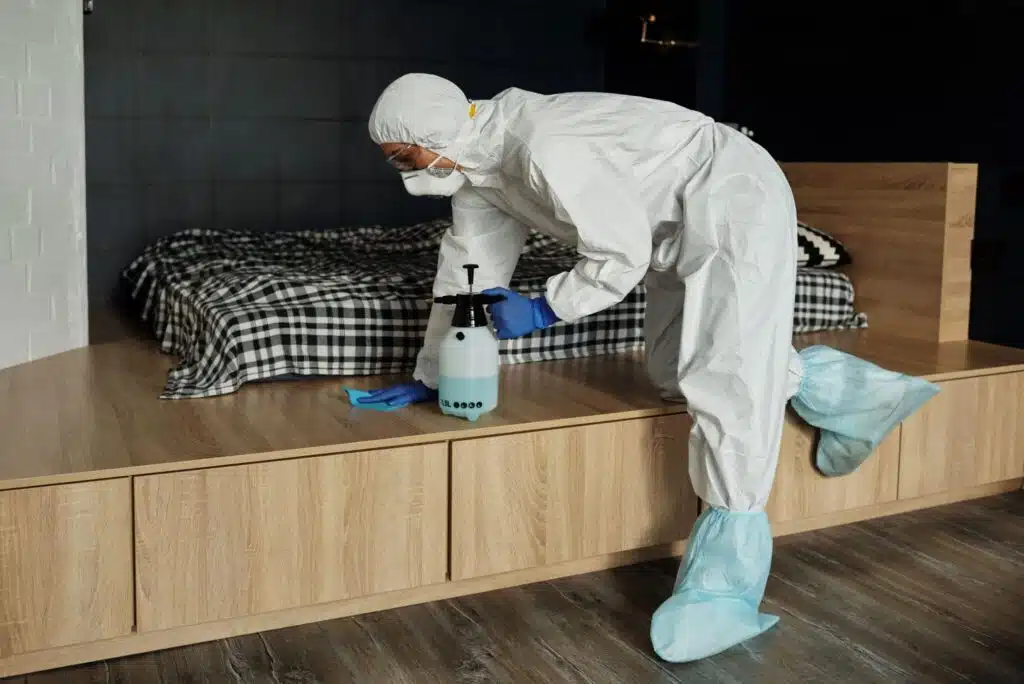
Termites cause billions of dollars in property damage every year, yet many homeowners do not realize they have an infestation until the damage becomes extensive. It is tempting to tackle the problem with hardware store sprays or bait stations that promise fast results, especially when online videos make the process appear simple.
The reality is that termites are persistent pests with colonies that often remain hidden behind walls, beneath foundations, or deep in the soil. Eliminating only the insects you can see rarely solves the real problem. Professional termite control combines inspection, identification, treatment, and monitoring to protect one of your biggest investments while reducing the risk of expensive repairs later.
Start With Prevention
A big part of creating a healthy home involves preventing problems before they spread. Termites thrive in conditions that many homeowners overlook, including excessive moisture, wood-to-soil contact, clogged gutters, and untreated crawl spaces. Even a small leak under a sink or around an exterior faucet can create an inviting environment for a growing colony.
Professional inspections go beyond spotting visible damage. Trained technicians know how to identify subtle warning signs such as mud tubes, hollow-sounding wood, discarded wings, and moisture patterns that suggest termite activity. They also understand the habits of different termite species, allowing them to recommend the most effective treatment rather than relying on a one-size-fits-all solution.
Many DIY products focus on killing termites that are already visible. Unfortunately, the vast majority of a colony usually remains hidden. Without reaching the queen and the rest of the colony, termites can continue feeding inside the structure long after the surface activity appears to have stopped. Prevention and early detection almost always cost less than repairing structural damage after an infestation has grown.
DIY Often Misses The Colony
Store shelves are packed with sprays, foams, powders, and bait stations that promise professional-quality results. While some products may eliminate termites in a limited area, they rarely address the source of the infestation. Subterranean termites, the most common species in many parts of the country, often build colonies underground that can contain hundreds of thousands of insects.
Applying chemicals without understanding termite behavior may even cause the colony to relocate rather than disappear. That makes future detection more difficult while allowing the infestation to continue somewhere else on the property.
Professional pest control companies use specialized equipment and treatment methods designed to reach the entire colony. Depending on the infestation, that may include trenching, soil treatments, advanced baiting systems, or targeted applications inside affected walls. These methods require knowledge of construction techniques, soil conditions, and termite biology that most homeowners simply do not have.
Just as important, professionals know how to inspect the entire property after treatment. That follow-up process helps confirm the colony has been eliminated and identifies areas that may need additional protection in the future.
Hidden Damage Adds Up
One of the biggest reasons homeowners underestimate termites is that the damage develops out of sight. Termites eat wood from the inside, leaving exterior surfaces looking surprisingly normal until structural problems become obvious. Floors may begin to sag, doors may stop closing correctly, and walls may develop cracks that seem unrelated to insects.
By the time these warning signs appear, repairs can become expensive. Structural beams, framing, flooring, trim, drywall, and even cabinetry may require replacement depending on how long the infestation has gone unnoticed.
Professional inspections also help identify conditions that increase future risk. Moisture problems, landscaping issues, drainage concerns, and construction features can all contribute to termite activity. Correcting these issues reduces the chances of another infestation while helping preserve the home’s value.
Many pest control companies also provide ongoing monitoring programs. Regular inspections allow technicians to catch new activity before it develops into another costly repair project. That level of protection is difficult to duplicate with occasional DIY treatments.
Choose Qualified Experts
Whether you need termite treatment in Tucson, New York or Richmond, finding a reputable company to get the job done right the first time is one of the smartest decisions you can make as a homeowner. Experience matters because every property presents different construction methods, environmental conditions, and termite pressures.
Look for companies that perform thorough inspections before recommending treatment. Ask whether they explain their findings, provide written treatment plans, discuss warranty options, and schedule follow-up inspections when appropriate. A trustworthy company should answer questions clearly without relying on high-pressure sales tactics.
Reading customer reviews, verifying licensing requirements, and confirming insurance coverage can also help narrow your choices. While the lowest price may seem attractive, a poorly executed treatment often leads to additional expenses if termites remain active after the work is finished. Professional treatment also provides peace of mind. Instead of wondering whether a spray reached the right location or whether bait stations are working properly, homeowners gain confidence knowing trained specialists are monitoring the property with proven methods.
Protect Your Investment
Your home represents far more than lumber and drywall. It is where memories are made, families gather, and years of financial investment come together. Protecting that investment means addressing termite problems completely instead of hoping a temporary DIY fix will solve a much larger issue.
Choosing expert help often saves money, reduces stress, and provides lasting protection against one of the most destructive pests a home can face.