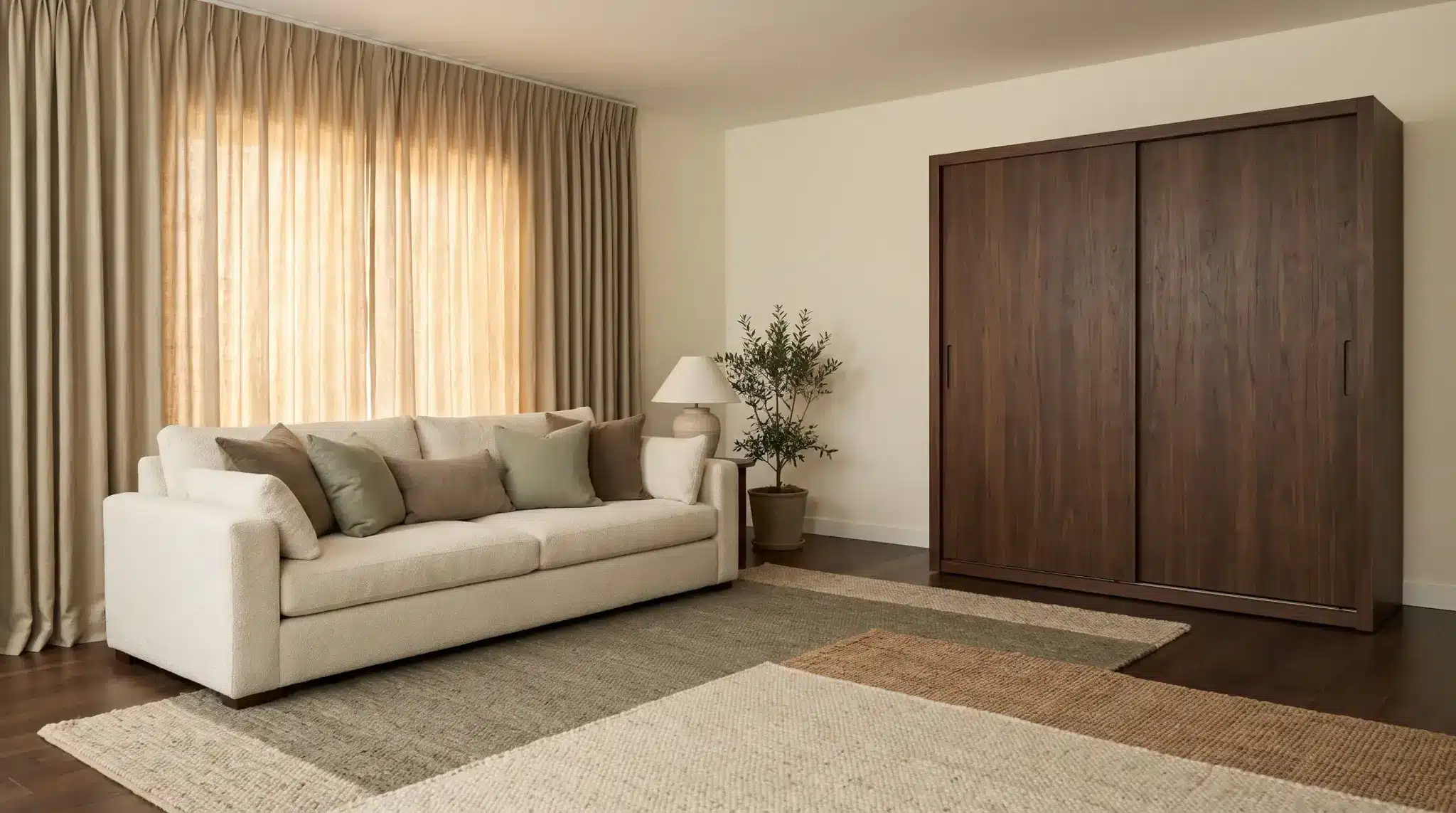

If you have trouble sleeping, you might want to look at your surroundings and see if it’s built to give you a restful night. Sure enough, sleep quality is tied to how your bedroom is maintained and decorated. Regardless of the size, the way you prepare your bedroom influences your sleeping patterns, so it’s crucial to know the kinds of improvements to optimize it for your sleeping habits.
1. Use a Good Color Palette
When it comes to designing or renovating your bedroom, you should know that certain colors can have long-lasting effects on sleep. You will want to avoid using strong colors in shades of red and orange, as these are known to stimulate your eyes and lead to restlessness.
At the same time, steer clear of black. It might seem like the perfect color for shutting your eyes, but it depresses your mood and may even create a claustrophobic environment that triggers anxiety. When choosing a color palette other than varying shades of white, opt for more neutral tones like beige and green. Blue is the best and safest overall, since it’s always associated with rest and calm. For the accents, use white, silver, or mint green. In any case, a color palette that resembles nature can help ease you to sleep.
2. Invest in a Quality Mattress
You can’t sleep on a mattress that’s either too soft or too firm, so it’s crucial to choose one that best matches your preferred sleeping position. Never settle for the cheapest option on the market or the first product you see online. Shopping in-person lets you test a mattress for firmness and check the material quality if it aligns best with your needs.
Consider the breathability of the fabric and durability. You will want one that supports your body weight or for more intimate evenings with LA escorts or someone you met at a local bar. Beyond these considerations, always look for a mattress that meets your standard of comfort no matter your price point.
3. Make It Minimal
When it comes to bedroom decorations and layout, each person has a preference. For the most part, having too many elements in place could create a more restrictive environment. Unless you sleep well under such conditions, you would be better off minimizing the number of objects present in your bedroom.
Create a more breathable layout by opting for less furniture. Aside from the bedframe, you may need to remove extra cabinets or construct concealed storage units to help improve airflow and make your bedroom less exhausting to look at. Even more important is to remove clutter and reduce the amount of decorations.
4. Place Some Plants and Ambient Lighting
Relaxation should be your priority for changing the look and feel of your bedroom. Consider decorating the corners and empty walls with plants associated with calm, such as lavender and jasmine.
Their natural scent reduces discomfort and eases headaches. To complete the setup, consider warm ambient lights that mimic candles. This allows for a spa-like feel that helps you fall asleep faster.
Endnote
If you’re having trouble falling asleep or getting quality rest each night, improve your bedroom environment starting with these easy tips.