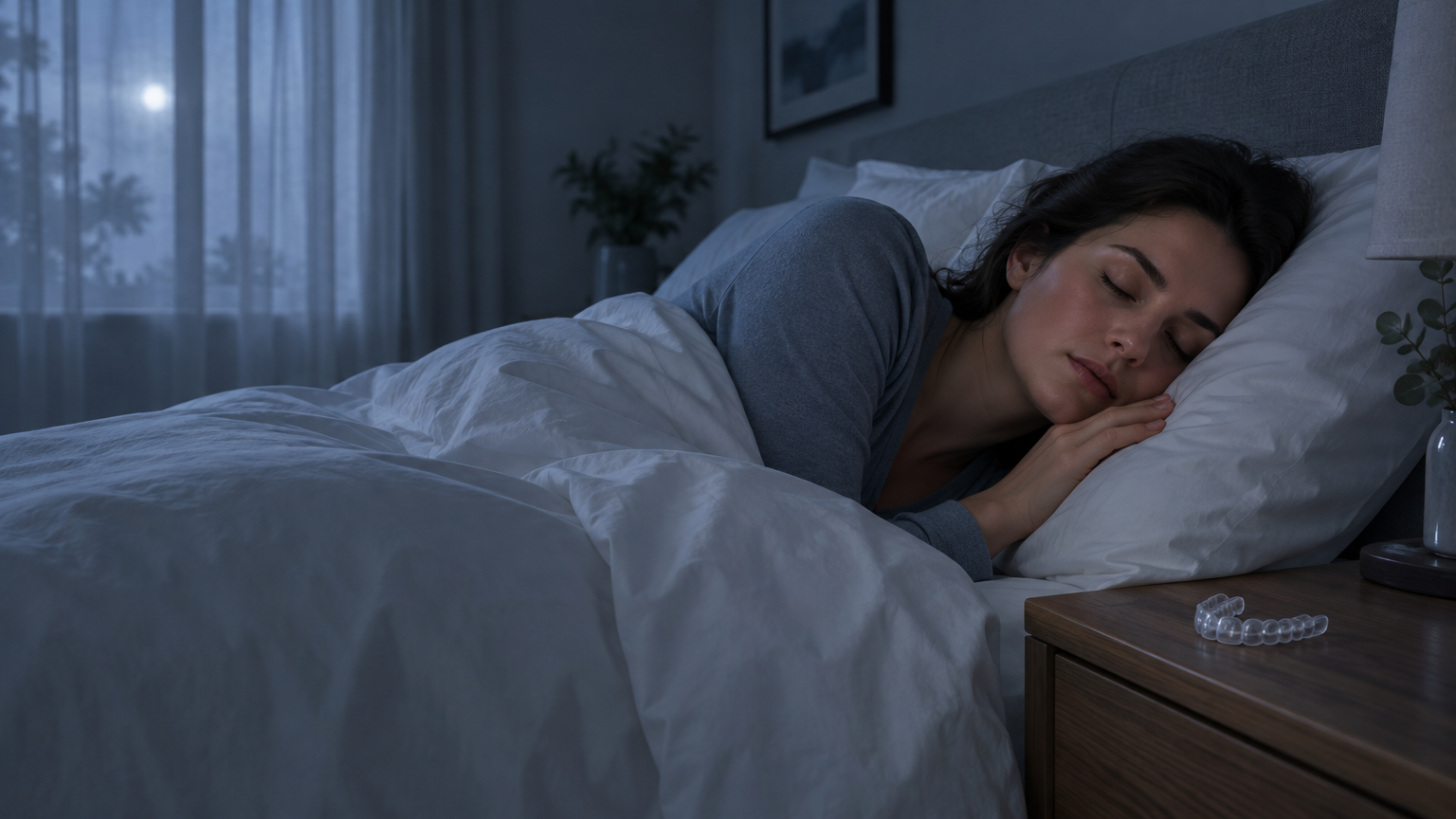
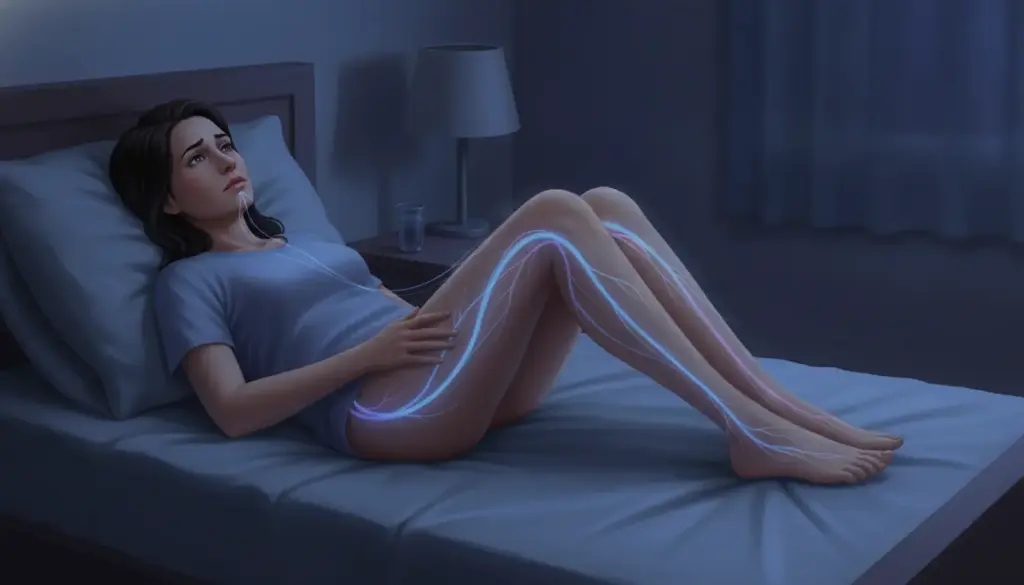
Sleep problems often get blamed on stress, caffeine, screens, or a shifting schedule. Leg symptoms deserve equal attention, especially when discomfort rises after lights out. Vein-related aching, heaviness, swelling, itching, and restless sensations can keep the nervous system alert. The body may miss deeper sleep stages without an obvious cause for wake-up. Over time, that quiet strain can leave our mornings foggy, sore, and less restorative.
Night Clues
Night leg heaviness, cramping, itching, or a need to move can look unrelated at first. Patient education from Metro Vein Centers explains that vein disease can result in blood pooling inside weakened vessels, causing bulging veins, ankle swelling, skin irritation, and discomfort. Bedtime removes daytime distraction, so those signals become harder to dismiss.
Why Symptoms Grow Louder
Walking helps calf muscles squeeze blood upward through leg veins. Long sitting, prolonged standing, heat, and limited movement can weaken that return. By evening, fluid may settle around ankles or calves. Pressure stretches soft tissue and can irritate nearby nerves. Once the room is quiet, the brain notices sensations that activity masked earlier.
Sleep Position Matters
Lying flat changes fluid movement through the legs. Some people feel better with gentle elevation because pressure eases. Others notice throbbing when tender veins continue to be full. A warm room, heavy blanket, or curled posture may intensify symptoms. Position changes can offer short relief, yet repeated nighttime discomfort calls for closer assessment.
Restless Legs and Veins
Restless legs are often linked with nerve signaling, iron levels, or medication effects. Circulation can contribute too. Aching, tingling, pulling, and the urge to move may overlap with vein problems. Movement brings temporary relief because muscle contraction improves blood return. A regular recurring nightly pattern is worth recording, especially with swelling or visible veins.
Swelling Disrupts Comfort
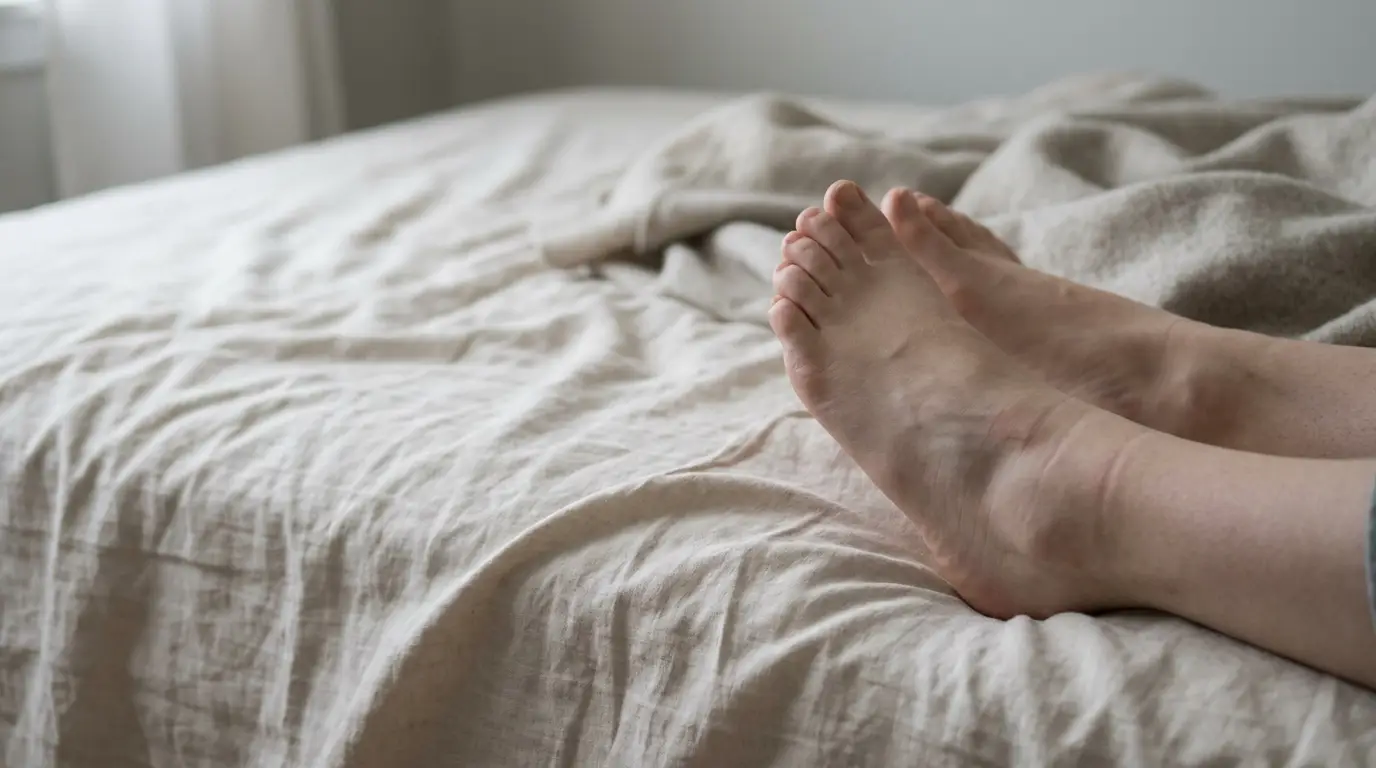
Swelling can make skin feel tight, warm, itchy, or tender. Socks may leave deeper marks late in the day. That pressure can make falling asleep harder and waking more frequent. Even mild fluid buildup changes how legs feel against sheets. A person may shift, stretch, or stand up before recognizing the source.
Pain Has a Sleep Cost
Pain does not have to be intense to damage sleep quality. Low-grade aching can keep the nervous system partly alert. The body stays ready to adjust, stretch, or seek relief. Sleep becomes lighter, with more brief awakenings and less recovery. After weeks, fatigue may affect mood, concentration, exercise tolerance, and daily stamina.
Morning Signs
Vein-related sleep disruption may leave evidence after waking. Legs can feel heavy before activity begins. Ankles may remain puffy, and skin may itch, burn, or feel tender. Varicose veins or spider veins can appear with these complaints. Morning fatigue may seem general, but the cause can sit below the knees.
Daily Habits That Help
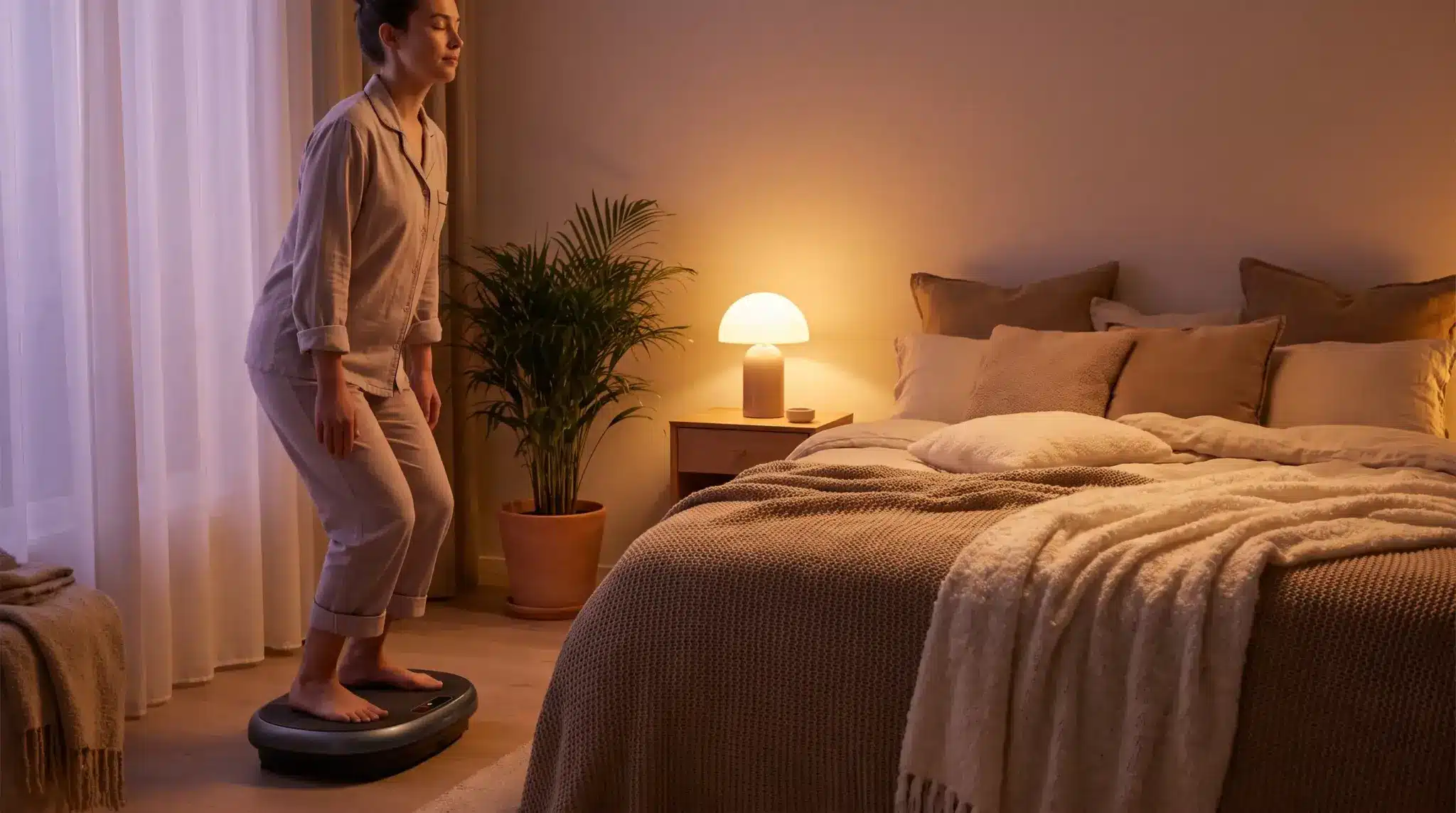
Regular walking supports the calf muscle pump. Stretch breaks reduce pooling during desk work, travel, or long shifts. Hydration, steady meals, and moderate activity support vascular function. Compression stockings may help certain people during extended standing. These measures can ease strain, but persistent symptoms still deserve medical guidance.
Tracking the Pattern
A simple sleep and leg log can clarify what is happening. Record bedtime discomfort, swelling, cramps, itching, visible vein changes, and wake times. Add notes about standing, sitting, exercise, heat exposure, and salty meals. Patterns often appear within two weeks. Clear notes help clinicians connect daily triggers with nighttime symptoms.
When Care Makes Sense
Evaluation makes sense when leg symptoms interfere with sleep, walking, work, or comfort. One-sided swelling, skin color change, sores, sudden pain, warmth, or marked tenderness need prompt care. A vein specialist may use ultrasound to check blood flow and valve function. Earlier assessment can reduce symptom burden and guide appropriate treatment choices.
Conclusion
Quiet vein symptoms can erode sleep through small, repeated interruptions. Aching, swelling, itching, cramping, and restless movement may seem minor by themselves, yet together they can slow down recovery. Better rest begins with noticing patterns and treating leg discomfort as meaningful health information. Supportive habits may help, but ongoing symptoms warrant professional review. Sleep improves when circulation concerns are identified, measured, and managed with thoughtful care.