
A strength training gym routine can do much more than help you build muscle because, when paired with Pilates in the evening, it creates a balanced approach that supports strength, mobility, and recovery at the same time.
Many people think lifting weights and stretching belong in separate fitness worlds, but combining the two often leads to better movement, fewer aches, and a body that feels prepared for tomorrow instead of worn out from today.
If you’re looking for practical workout ideas, this guide on strength training gym exercises offers additional inspiration for building an effective routine.
Why Recovery Should Be Part of Every Workout Plan
Recovery isn’t something that begins after your workout ends. It starts with the choices you make before, during, and immediately after training.
When people focus only on lifting heavier weights, they often overlook mobility, flexibility, and controlled movement, which can eventually lead to stiffness or reduced performance.
A balanced evening routine helps your body transition from high effort to recovery mode without feeling like you’re doing another intense workout.
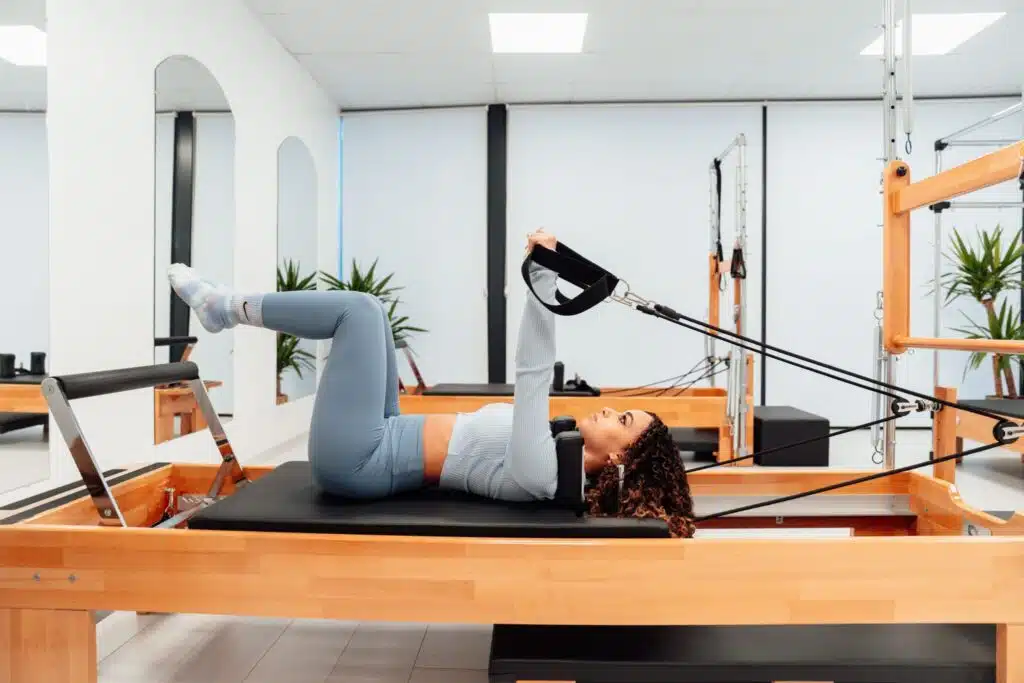
Instead of collapsing on the couch after training, spending even 20 to 30 minutes at a Pilates in Brentwood session focused on mindful movement can make the next day’s workout feel noticeably easier.
How Strength Training Builds a Better Foundation
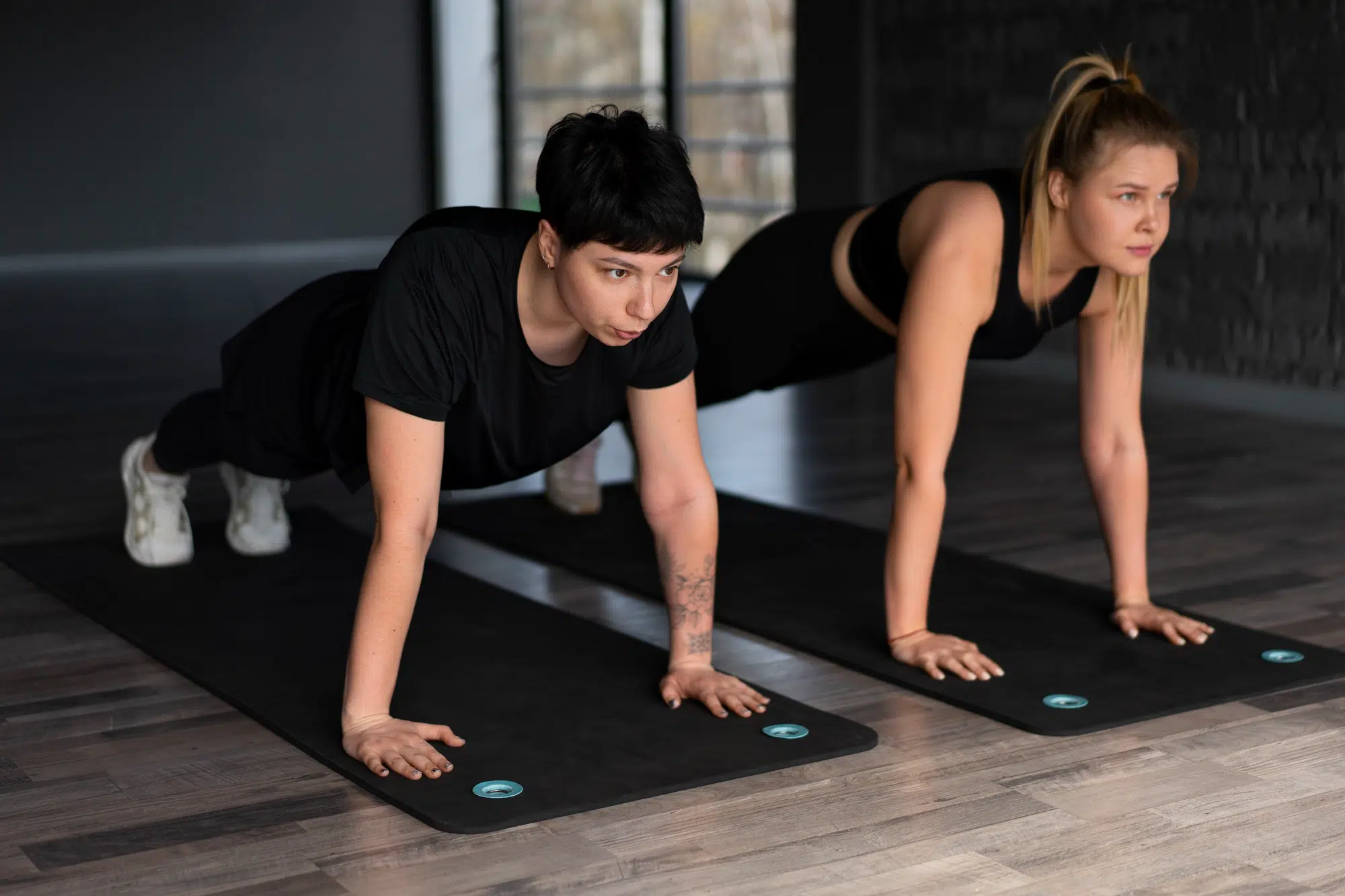
Resistance training challenges muscles, bones, and connective tissues to become stronger over time.
Compound exercises such as squats, deadlifts, presses, and rows recruit multiple muscle groups, making them highly effective for improving total-body strength.
Beyond aesthetics, these movements improve posture, balance, and everyday function.
Carrying groceries, climbing stairs, lifting luggage, or playing with children all become easier when your body is consistently challenged with progressive resistance.
For beginners, the biggest improvement usually isn’t visible in the mirror.
It’s noticing that tasks that once felt tiring suddenly become effortless after a few months of consistent training.
Where Pilates Fits Into the Picture
Pilates isn’t designed to replace weight training. Instead, it complements it by improving body awareness, breathing, flexibility, and core stability.
Many traditional gym workouts focus on producing force. Pilates teaches your body how to control that force with precision.
That combination often creates smoother movement patterns and better overall coordination.
Someone who spends an hour lifting weights may discover that Pilates helps improve squat depth, shoulder mobility, or spinal alignment without adding unnecessary physical stress.
Why Evening Sessions Work So Well
Evening exercise doesn’t have to mean another hard workout. After a demanding day, many people find that Pilates provides the perfect transition between activity and rest. Controlled breathing naturally slows the heart rate.
Gentle mobility exercises reduce muscle tension accumulated from sitting at a desk or standing for long hours.
The result is a recovery session that leaves you feeling refreshed instead of exhausted.
For people who train early in the morning, an evening Pilates class can act as active recovery rather than additional exercise.
A Practical Weekly Routine
You don’t need to spend hours in the gym every day.
A realistic schedule often produces better long-term results because it’s easier to maintain.
For example, someone might lift weights on Monday, Wednesday, and Friday while attending Pilates on Tuesday and Thursday evenings.
Saturday could include a light walk or mobility session, while Sunday becomes a full rest day.
This approach allows muscles enough time to recover while keeping the body moving throughout the week.
Consistency almost always beats intensity when it comes to long-term fitness progress.
Common Mistakes That Slow Recovery
Many people assume soreness is a sign of a successful workout. While occasional soreness is normal, constantly feeling exhausted usually indicates that recovery needs more attention. Skipping warm-ups is another common mistake.
A few minutes of dynamic movement before training can prepare joints and muscles for heavier lifts. Ignoring hydration also affects recovery more than many people realize. Water supports muscle function, circulation, and overall physical performance.
Sleep deserves equal attention. Even the best workout program cannot compensate for consistently poor sleep.
Nutrition Supports Both Strength and Recovery
Food provides the raw materials your body uses to repair itself after exercise.
Protein supports muscle repair, while carbohydrates replenish energy stores used during training.
Healthy fats contribute to hormone production, which also plays a role in recovery.
A simple dinner after an evening workout might include grilled tofu or chicken, brown rice, roasted vegetables, and fruit.
The exact meal matters less than consistently eating balanced nutrition that supports your activity level.
Drastically under-eating often leaves people feeling weaker despite training regularly.
The Mental Benefits Often Go Unnoticed
Physical improvements usually receive the most attention, but the mental effects can be just as valuable.
Strength training provides measurable progress through heavier lifts or additional repetitions.
Pilates encourages mindfulness through controlled breathing and intentional movement.
Together, they create a routine that challenges both body and mind.
Someone dealing with a stressful workday may find that lifting weights helps release built-up tension, while Pilates provides a calmer finish that makes it easier to unwind before bedtime.
That combination often feels more sustainable than relying on high-intensity exercise every single day.
Is This Combination Right for Beginners?
Absolutely.
Many beginners worry they need to become stronger before trying Pilates or more flexible before lifting weights.
Neither assumption is true.
Both activities can be modified to match your current fitness level.
An experienced instructor can adjust exercises, recommend lighter resistance, or simplify movements until your confidence grows.
Progress happens gradually, and there’s no advantage to rushing the process.
The goal is building a routine that you can realistically maintain for months rather than weeks.
Long-Term Results Come From Balance
Fitness isn’t about choosing one style of exercise over another.
It’s about combining different types of movement so your body develops strength, mobility, endurance, and resilience together.
Weight training creates the physical capacity to move with power.
Pilates helps ensure that power is supported by flexibility, stability, and efficient movement.
Over time, this balanced approach often reduces discomfort, improves workout quality, and makes everyday activities feel easier.
Whether your goal is improving athletic performance, feeling stronger during daily life, or simply staying active as you get older, combining resistance training with Pilates creates a practical routine that supports both progress and recovery without making exercise feel overwhelming.