Exhibition and gallery spaces face a genuinely unique design challenge: creating an environment flexible enough to showcase an ever-changing range of artworks and installations, without the cost and disruption of permanent structural changes between each new exhibition. This is precisely the problem that modern modular design solutions have been developed to solve.
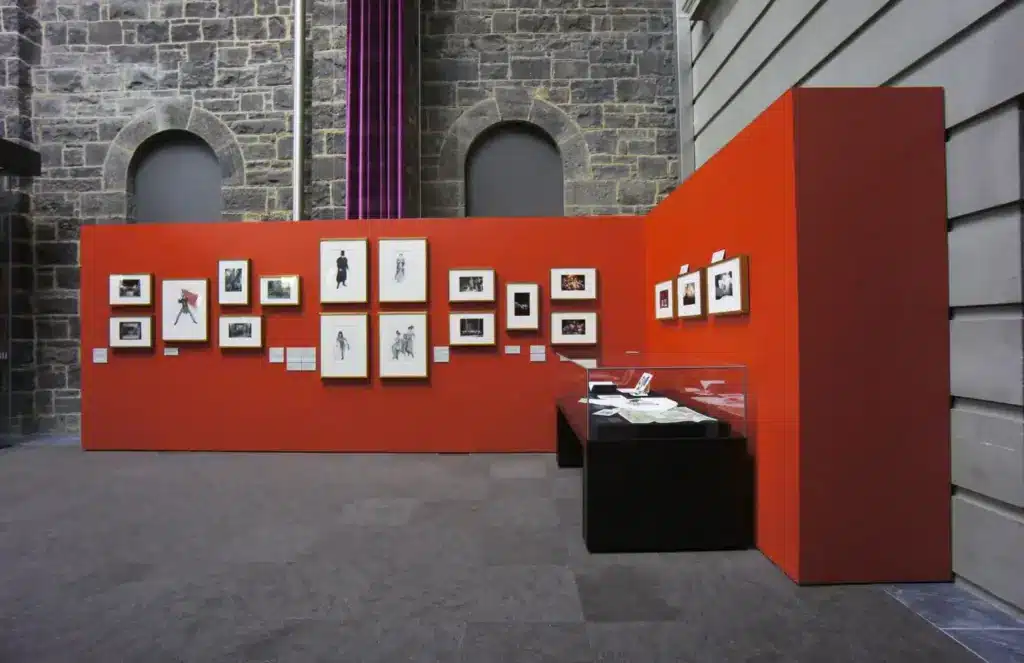
Increasingly, galleries, museums, and event spaces across Australia are turning to Modular Gallery Walls as a practical, versatile alternative to fixed walls. This article explores why this approach continues to gain traction within the exhibition design industry.
A Flexible Solution for an Ever-Changing Space
Modular wall systems offer a level of adaptability that traditional fixed construction simply can’t match, particularly valuable for spaces hosting a rotating calendar of exhibitions.
Genuine Flexibility Between Exhibitions
The standout advantage of modular gallery walls is the ability to reconfigure a space entirely between exhibitions, without the time and expense associated with traditional construction. Panels can be rearranged, resized, or reoriented to suit the specific spatial and lighting needs of each new installation, giving curators genuine creative freedom.
Cost-Effective Long-Term Investment
While the upfront cost of a modular wall system is a genuine consideration, the long-term savings compared to repeated construction and demolition between exhibitions is significant. Galleries and museums operating on tight budgets particularly benefit from this reusable, adaptable approach to space design.
Professional Finish Without Compromise
Modern modular wall systems are engineered to provide a seamless, professional finish that’s visually indistinguishable from traditional fixed walls once installed. This ensures exhibition spaces maintain a polished, gallery-standard appearance, regardless of how frequently the layout changes.
Practical Benefits for Exhibition Curators
Curators and exhibition designers particularly value several practical aspects of modular systems, including:
- Quick installation and reconfiguration, allowing for faster turnaround between exhibitions.
- Integrated cable management options, supporting lighting and technology requirements within the wall structure itself.
- A range of finish options, allowing walls to be tailored to each exhibition’s specific aesthetic requirements.
Supporting Diverse Exhibition Formats
From traditional framed artwork to large-scale installations and interactive digital displays, modular walls can be configured to support an extensive range of exhibition formats, giving venues the flexibility to host genuinely diverse programming without being constrained by a fixed spatial layout.
Sustainability Considerations
Reusable modular systems align well with growing sustainability priorities within the arts and museum sector, reducing the material waste associated with repeated construction and demolition of temporary walls for each new exhibition.
Integrating Technology Within Modular Systems
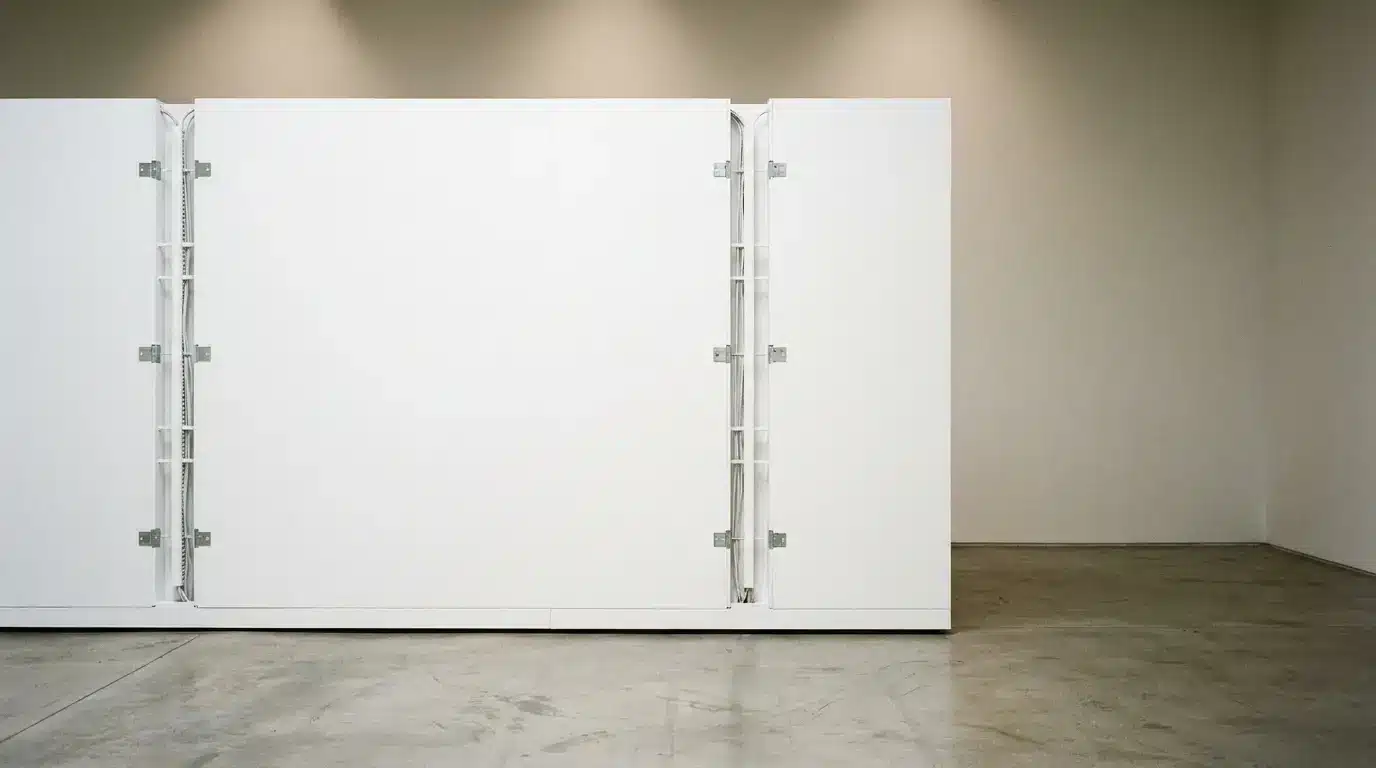
Many modern modular wall systems are designed with technology integration in mind, including built-in provisions for digital displays, interactive touchscreens, and audio-visual equipment. This allows galleries to incorporate increasingly popular multimedia and interactive exhibition elements without compromising the clean, professional finish of the overall wall system.
Planning for Future Exhibition Growth
Investing in a modular wall system also supports a venue’s ability to scale and adapt as its exhibition program grows over time. Additional panels and configurations can typically be added to an existing system, allowing venues to expand their exhibition capacity without needing to replace their entire wall infrastructure from scratch.
Cost Comparisons Over Multiple Exhibition Cycles
When evaluating the true cost-effectiveness of modular gallery walls, it’s worth looking at the investment across multiple exhibition cycles rather than judging it against a single installation. While traditional fixed walls might appear cheaper for a single exhibition, the cumulative cost of repeated construction and demolition across several exhibitions each year quickly exceeds the initial investment in a reusable modular system, making the long-term financial case considerably more compelling for venues with a regular exhibition calendar.
Supporting Touring and Travelling Exhibitions
Modular gallery wall systems are particularly well suited to venues that regularly host touring or travelling exhibitions, as the flexible configuration can be adapted relatively quickly to suit the specific spatial requirements each visiting exhibition brings, without needing bespoke construction work for every new touring show that arrives at the venue.
Modular Walls and Acoustic Performance in Gallery Spaces
Beyond visual flexibility, quality modular wall systems can also be specified with acoustic dampening properties, an important consideration for galleries hosting events, talks, or multimedia installations where sound management contributes significantly to the overall visitor experience alongside the visual presentation of the exhibition itself.
Working With Lighting Designers on Modular Layouts
Because modular wall systems can be reconfigured between exhibitions, coordinating closely with a lighting designer ensures the lighting plan remains flexible enough to adapt alongside each new wall layout. This collaborative approach helps venues achieve a consistently professional look regardless of how frequently the physical space changes.
A Smarter Way to Think About Exhibition Space
Modular gallery walls ultimately represent a smarter, more sustainable way of thinking about exhibition space altogether, one where flexibility and professional presentation no longer need to come at the expense of budget or environmental responsibility.
Designing for Whatever Comes Next
The true test of any modular wall system is how well it handles an exhibition nobody has planned yet. Investing in genuine flexibility today means a venue is ready for whatever creative vision its next curator brings through the door.
Final Thoughts
Modular gallery walls offer a genuinely practical solution to one of the exhibition design industry’s most persistent challenges, balancing the need for a professional, gallery-standard finish with the flexibility to adapt quickly and cost-effectively between installations.
For galleries, museums, and event venues looking to maximise the versatility of their exhibition spaces, modular wall systems represent a smart, forward-thinking investment in long-term operational flexibility.