



A tired baby does not always fall asleep easily. In fact, exhaustion can sometimes lead to more crying, movement, and resistance.
What appears to be a refusal to sleep is often a response to poor timing, stimulation, discomfort, or developmental change.
This pattern can leave parents questioning their routine, especially when it happens at every nap or bedtime.
Frequent sleep resistance is often a normal stage rather than evidence of poor parenting.
Use this breakdown to identify the most likely cause, make one focused adjustment, and observe the result.
Start tracking sleep behavior today to replace bedtime guesswork with a clear response plan.
What Causes Babies to Resist Sleep?
Sleep resistance often begins when the timing of a nap or bedtime no longer matches a baby’s needs.
A baby kept awake for too long may become upset, restless, and increasingly difficult to settle.
A long or late nap can leave another baby alert when the bedtime routine begins. Noise, bright lighting, visitors, screens, and active play may also prevent the body from slowing down.
Hunger, teething, illness, tight clothing, or a wet diaper can create discomfort that delays sleep.
New abilities, including rolling, sitting, crawling, and standing, may keep a developing baby mentally and physically engaged at night.
Is it Normal for Babies to Fight Sleep Frequently?
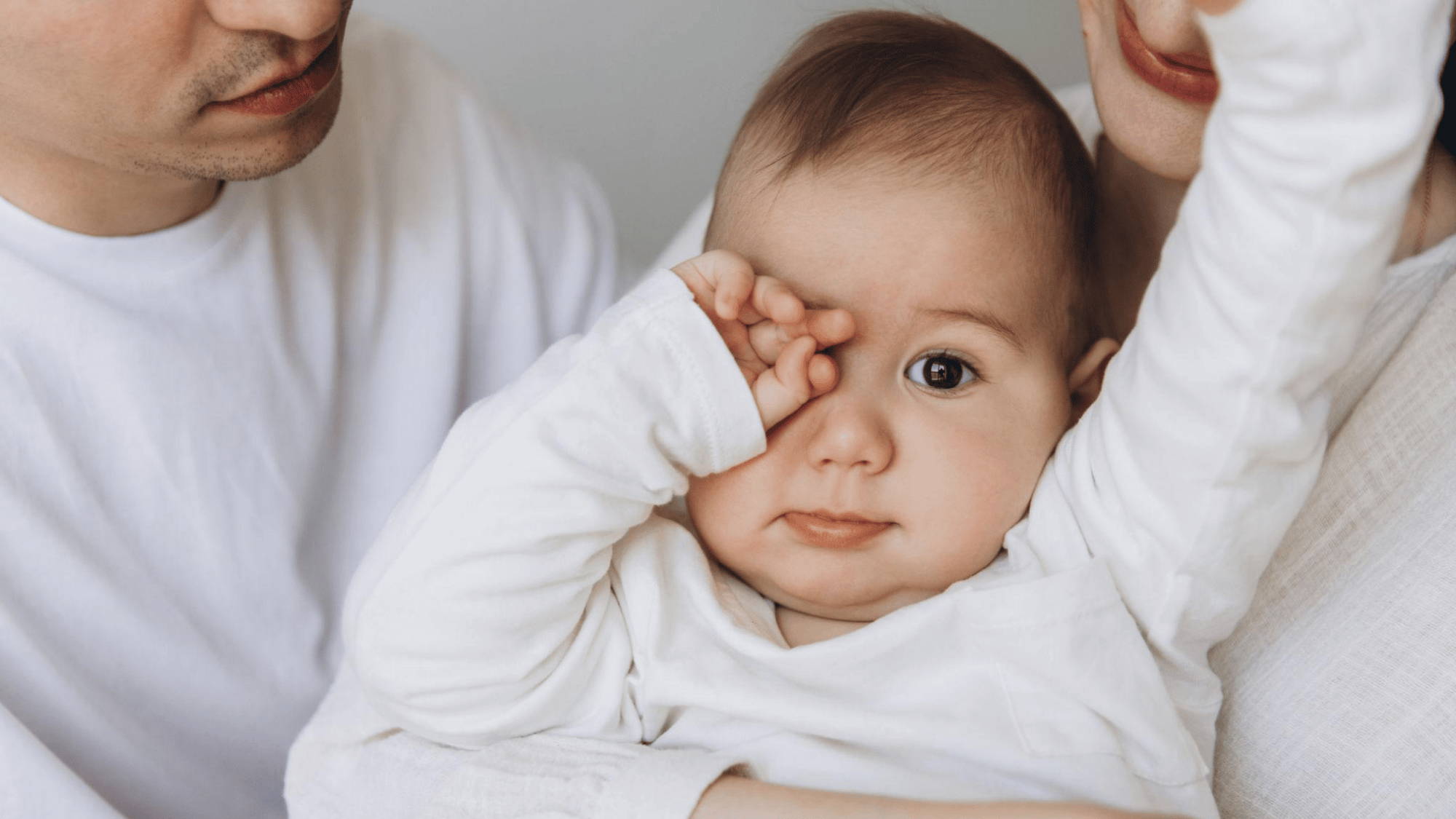
Sleep resistance can happen regularly without indicating that anything is wrong with the baby or the parenting approach.
Frequent Sleep Resistance is Normal in Babies
Many babies cry, squirm, or become alert just as sleep approaches. Their sleep patterns are still developing, so settling may not happen easily every time.
According to the CDC, babies aged 4 to 12 months generally need 12 to 16 hours of daily sleep, including naps.
That sleep can occur in different patterns. Frequent resistance may feel concerning, but it often reflects changing sleep needs rather than a serious problem or an ineffective routine.
Causes of Recurring Sleep Resistance
Repeated resistance usually means the same need is being missed each day. Bedtime may begin too early, too late, or after too much activity.
Some babies also need more reassurance during periods of separation anxiety or developmental growth. Parents commonly report babies falling asleep while feeding but waking during the crib transfer.
Others struggle with every nap yet settle well at night. These patterns are common and can change as the baby grows.
Signs That Require Medical Attention
Sleep resistance deserves medical attention when it appears with fever, breathing difficulty, repeated vomiting, poor feeding, unusual weakness, or fewer wet diapers.
Parents should also contact a pediatrician if limited sleep seems to affect growth, daytime behavior, or family safety.
Without these warning signs, frequent resistance is often a temporary sleep issue that can improve through careful observation and small routine adjustments.
How to Identify the Most Likely Cause
Crying alone cannot confirm whether a baby is too tired, not tired enough, or uncomfortable. The behavior before the sleep attempt often provides more useful evidence.
| Observed behavior | Possible cause | Adjustment to test |
|---|---|---|
| Crying begins before the routine | Excessive tiredness | Begin settling 10 to 15 minutes earlier |
| Calm play continues in the crib | Insufficient tiredness | Begin the routine slightly later |
| Fussiness follows active play | Excessive stimulation | Add a quiet period before sleep |
| Crying begins when the parent leaves | Need for reassurance | Use a calm and consistent response |
| Resistance appears suddenly | Physical discomfort | Check feeding, clothing, diaper, and health |
Why Do Babies Fight Sleep at Every Nap?
Resistance during every nap often indicates that the daytime schedule no longer matches the baby’s current needs.
Nap timing can change as a baby grows, becomes more active, or begins sleeping longer at night.
Record sleep behavior for three days. Include morning waking, nap attempts, settling time, nap length, and mood after waking.
A baby who plays calmly before crying may need a later nap. A baby who becomes distressed before entering the sleep space may need an earlier attempt.
This record can reveal why babies fight sleep more accurately than a fixed schedule. Sleep breakdowns can provide a starting point, but observed behavior should shape the final routine.
Why Can Bedtime Change Suddenly?
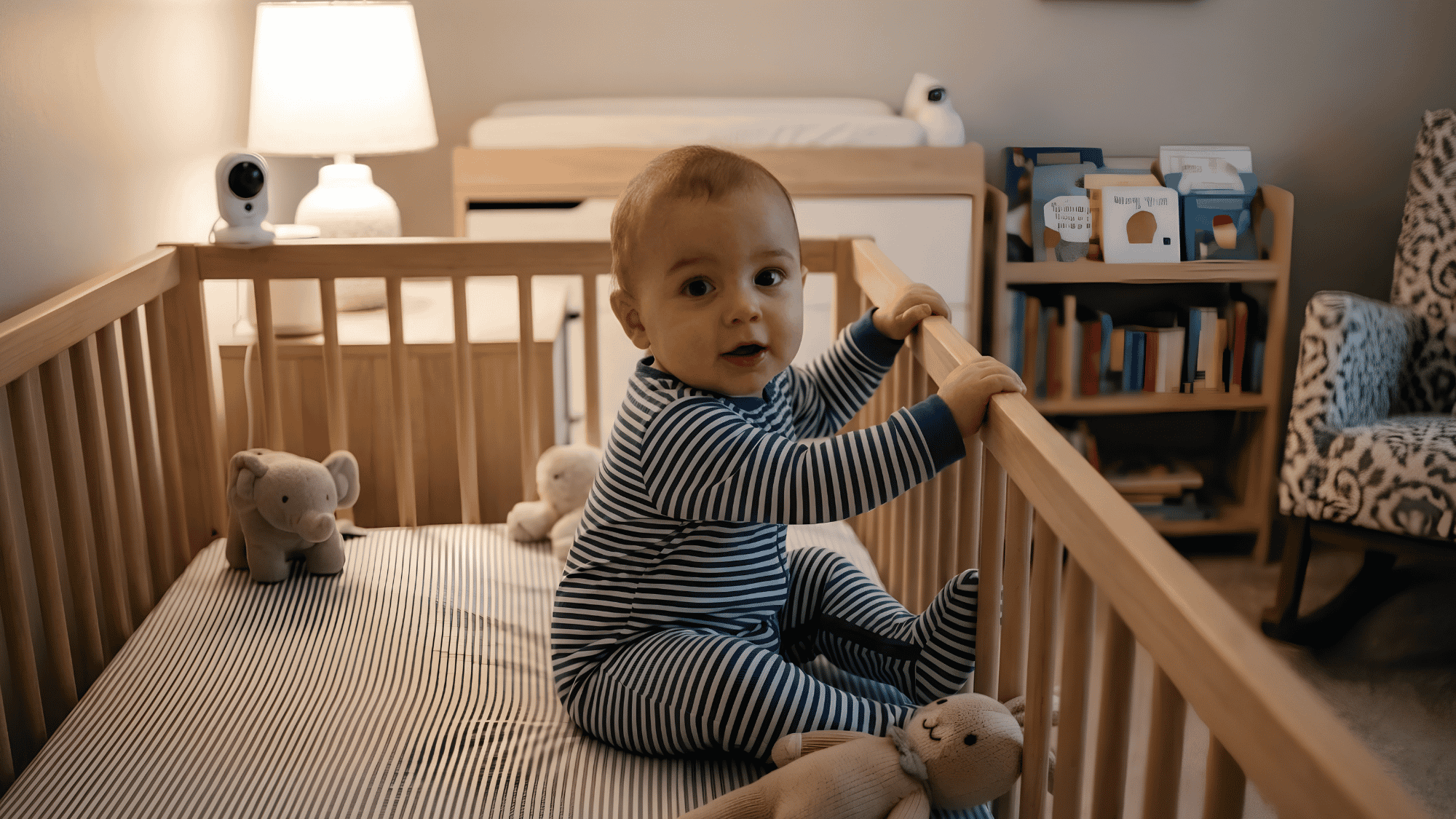
A stable bedtime can change after illness, travel, a missed nap or a new developmental ability.
Separation anxiety may also affect older babies who become more aware when a parent leaves the room.
These changes are common reasons why babies fight sleep without a clear warning. They do not always mean that the entire routine has stopped working.
Maintain familiar parts of the bedtime sequence while reviewing recent changes. Consider whether naps have become longer, daily activity has increased, or bedtime now begins too early.
Avoid changing every part of the routine in response to a few difficult nights. A focused adjustment provides more reliable information.
How to Reduce Sleep Resistance
Reducing sleep resistance starts with checking whether hunger, discomfort, temperature, clothing, or a wet diaper needs attention.
Signs of illness or pain should be addressed before changing the usual nap or bedtime schedule.
Once basic needs are met, lower the lights and replace active play with calm, familiar activities. A simple routine of feeding, changing, reading, cuddling, and settling can create a clear signal for sleep.
If crying increases, pause the attempt, offer quiet comfort, and begin again after the baby settles.
Daily observation usually reveals clearer and more useful patterns than repeatedly introducing new settling methods without consistency.
How to Maintain a Safe Sleep Space
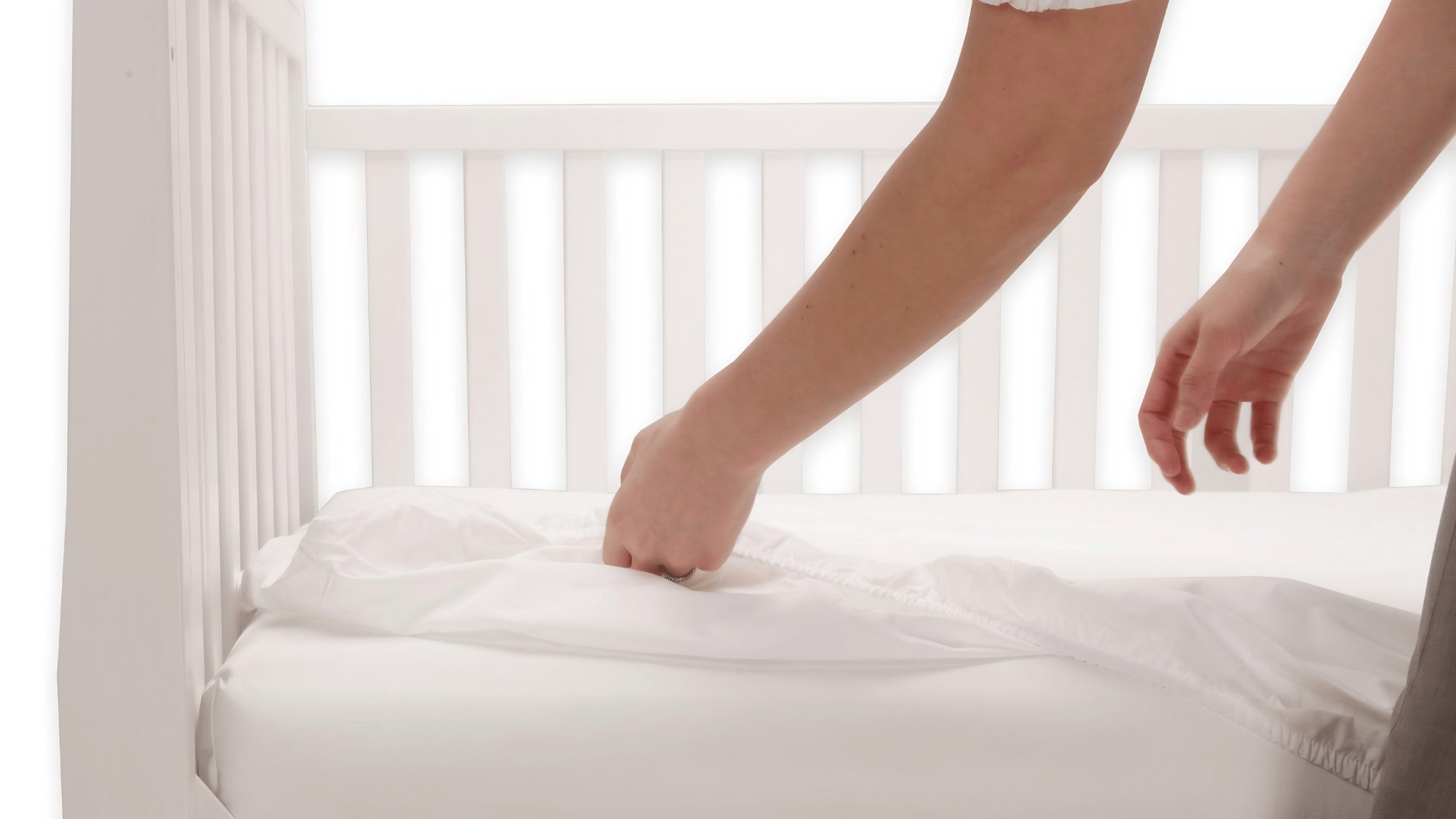
Sleep resistance can tempt caregivers to let a baby remain wherever sleep finally occurs. The same safe sleep guidance applies during naps, bedtime, and nighttime waking.
NICHD guidance recommends placing babies on their backs for every nap and nighttime sleep. The surface should remain firm, flat, level, and covered only with a fitted sheet.
Pillows, loose blankets, soft toys, positioners, and padded items should stay outside the sleep area.
If sleep begins elsewhere, move the baby to an approved infant sleep surface when practical.
Practical Steps for Calmer Sleep
A safe space remains essential, regardless of how often or intensely the baby resists sleep.
- Sleep Tracking: Record sleep times, settling behavior, nap length, and waking mood for at least three consecutive days.
- Pattern Review: Examine what happens before each difficult nap or bedtime to identify repeated triggers and changes.
- Routine Adjustment: Change one part of the sleep routine, then observe the response before testing another adjustment.
- Calm Environment: Reduce bright lighting, loud noise, screens, visitors, and active play as the usual sleep time approaches.
- Consistent Routine: Follow the same short sequence of feeding, changing, reading, cuddling, and settling before each sleep period.
- Safe Sleep: Place the baby on a firm, flat, level surface covered only with a fitted sheet during every sleep.
- Medical Support: Contact a pediatrician when sleep resistance appears with feeding problems, breathing difficulty, fever, vomiting, or unusual weakness.
Final Verdict
Sleep resistance often reflects a mismatch in timing, comfort, stimulation, or changing developmental needs.
Although the behavior can be exhausting, it is usually a normal and temporary part of infancy.
A consistent routine, a safe sleep space, and careful observation can make the cause easier to identify.
Change one factor at a time, monitor the response, and seek medical advice if resistance appears with illness, feeding concerns, or unusual behavior.
Every sleep pattern provides useful clues. Share your baby’s age and sleep challenges in the comments to help other parents recognize and understand similar experiences.
Frequently Asked Questions
Why Does a Baby Wake During a Crib Transfer?
Changes in temperature, position, movement, and contact may alert the baby during the transition from a caregiver to the crib.
Can Morning Daylight Affect a Baby’s Bedtime?
Morning daylight helps support the developing body clock, although consistent exposure may take time to influence a baby’s sleep pattern.
Why Does a Baby Resist Sleep with One Caregiver?
Babies may associate each caregiver with different movements, sounds, feeding habits, or routines, creating different expectations when sleep time begins.