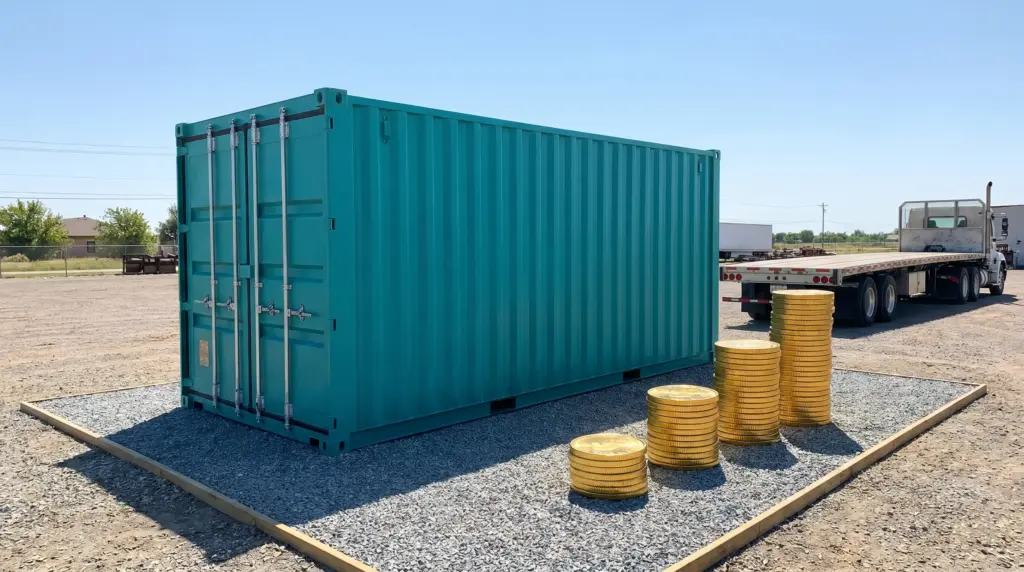
One of the most common sizes for storage, transport, and project use is a 20-foot container. The price you pay up front is important, but there are other costs you should think about before you buy. This blog will teach you how to plan ahead and avoid surprises by telling you how much you should budget for 20ft containers.
Purchase Price and Condition
It is the grade and condition of the container that determines the base price of the container. New units, also called “one-trip” units, cost more but usually need less upkeep. It might be cheaper to buy used containers, but they might need to be fixed up.
When considering options such as 20ft shipping containers, please ensure the price you see includes GST and delivery. Clear information about prices keeps things from going wrong.
Delivery and Placement Costs
The cost of delivery will vary depending on the distance travelled and the ease with which the item can be accessed. Prices can increase if the terrain is difficult to access or has limited entry points.
If, for example, you can’t place the trucks directly, you may also need a crane. Minimising last-minute stress can be achieved by planning your positioning costs early.
Site Preparation and Foundations
For containers to be able to stand on, the ground must be stable and level. You may need footings, concrete slabs, or gravel pads, depending on your plans. This adds to the total amount that you have already spent.
Also, inadequate foundations can result in doors or floors that are not in their proper positions. Paying for good foundations keeps buildings strong. By avoiding the need to repair it in the future, you will be able to save money.
Modifications and Fit-Outs
If you want to use the container as an office, workshop, or storage plus shelving, making changes to the container will cost more. Costs will also increase with the loss of insulation, windows, electrical systems, and ventilation. The more complicated the customisation, the more it will cost.
Before you purchase the container, you should have a goal in mind. Understanding your design will help you avoid overspending on pointless improvements.
Ongoing Maintenance and Repairs
It is necessary to perform maintenance on even the most sturdy steel containers over time. Depending on the severity of the rust, it might be necessary to treat it, paint it once more, and replace the seals. Including these more manageable expenses in your budget will help you preserve the value over the long term.
By performing routine checks, you can identify potential issues at an earlier stage. When you take care of minor issues early on, you save money that would have been spent on more expensive repairs later on.
Insurance and Compliance
Depending on how you intend to use it, you might be required to have insurance. Your container and the contents inside are protected from being stolen or damaged as a result of this. Depending on where you live and how you use your vehicle, your premiums will be different from one another.
Additionally, permits or approvals from the council might be required for certain projects. You will be able to avoid delays that you did not anticipate if you include compliance costs in your budget.
Budget Clearly, Build Confidently
A 20-foot container is strong and flexible, but smart budgeting is more than just the price of the container itself. You can avoid financial surprises by planning for delivery, site preparation, changes, and maintenance. The whole process goes more smoothly when you plan it out clearly.