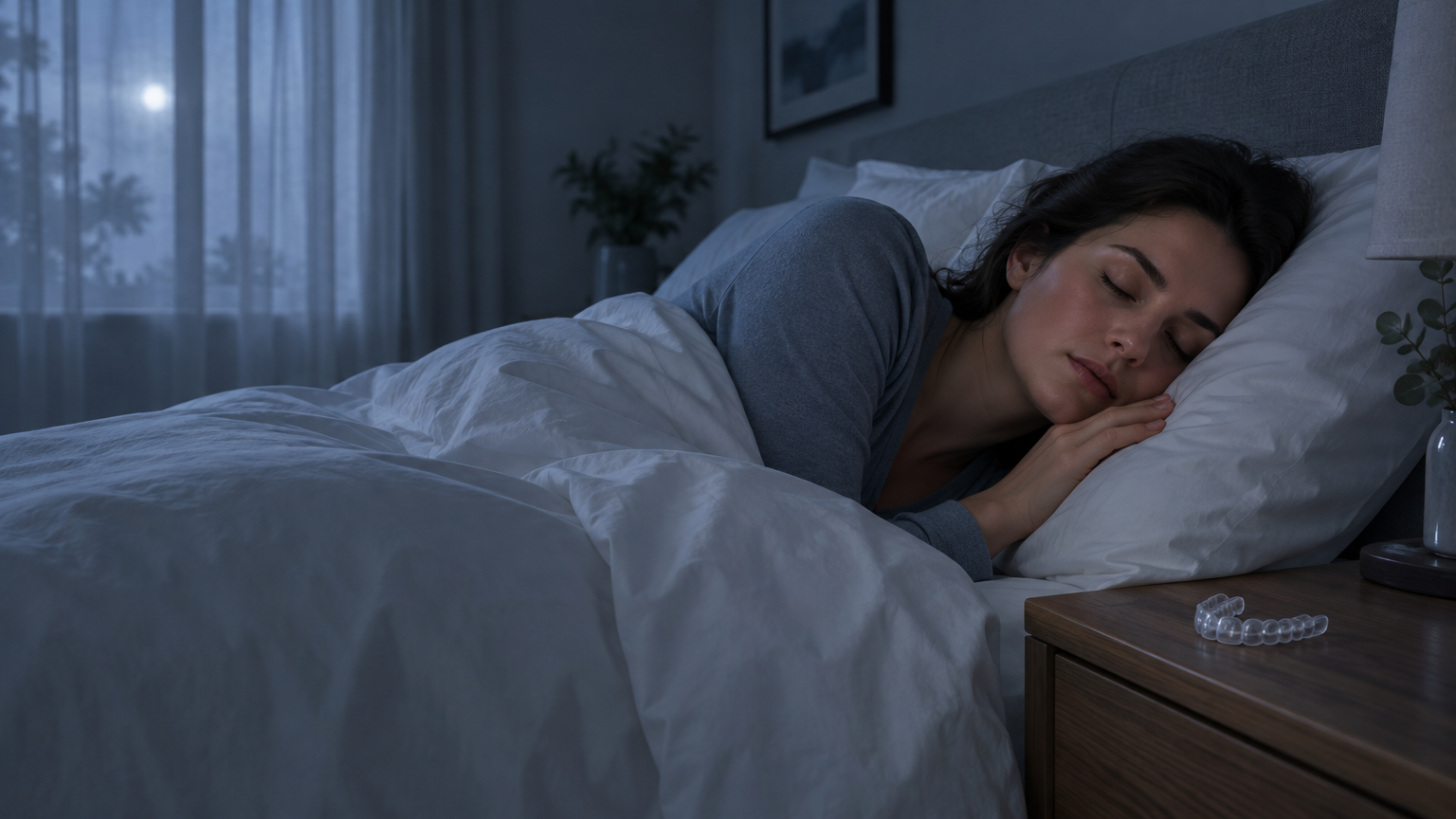

When people struggle with sleep, the first instinct is often to look at what happens in bed: mattress quality, pillows, or room temperature. While those factors matter, they only tell part of the story. In reality, good sleep begins long before your head hits the pillow.
Your body doesn’t switch off instantly. It reacts to patterns, cues, and behaviors during the day. It reacts even more in the hours leading up to bedtime. As sleep scientist Dr. Matthew Walker explains:
“The best bridge between despair and hope is a good night’s sleep.”
But that “good night” is built on what you do before it. If you want to fall asleep faster, stay asleep longer, and wake up refreshed, take a closer look at your habits. These habits shape your evenings and even your afternoons.
Your Body Is Always Preparing for Sleep
Sleep isn’t a single event. It’s a biological process guided by your circadian rhythm—your internal 24-hour clock. This system relies on consistent signals like light exposure, meal timing, and activity levels.
According to the National Sleep Foundation, disruptions to this rhythm can reduce sleep quality. This can happen even if you spend enough hours in bed.
More people now see that sleep is part of overall health, including energy, recovery, and hormone balance. For those looking for broader support, platforms like Feel 30 focus on testosterone replacement therapy and men’s health. These areas can also be affected by sleep patterns. The takeaway is simple: sleep is not isolated. It reflects how you live.
Light Exposure: The Most Powerful Sleep Signal
One of the most influential factors in your sleep cycle is light.
Get More Natural Light During the Day
Exposure to daylight (especially in the morning) helps regulate your circadian rhythm. It tells your brain when to be alert and sets the stage for melatonin production later in the evening.
A study in Current Biology found that people who got natural light during the day slept longer and better at night.
Reduce Artificial Light at Night
In contrast, bright evening light, especially from screens, can delay melatonin release. Harvard Health Publishing notes that blue light suppresses melatonin more than other wavelengths, making it harder to feel sleepy.
Simple adjustments can help:
- Dim overhead lighting after sunset
- Use warmer-toned bulbs
- Reduce screen use 30–60 minutes before bed
These changes may seem small, but they send a clear signal to your body: it’s time to wind down.
Timing Matters: Meals, Caffeine, and Alcohol
What you consume, and when you consume it, can either support or disrupt your sleep.
Be Strategic With Caffeine
Caffeine has a half-life of around 5–7 hours, according to the Sleep Foundation. That afternoon coffee can still be in your system at bedtime. It can lower sleep quality, even if you fall asleep easily.
Avoid Heavy Meals Late at Night
Eating large meals close to bedtime forces your body to focus on digestion instead of rest. This can lead to discomfort and fragmented sleep.
Rethink Alcohol as a “Sleep Aid”
While alcohol may make you feel drowsy, it disrupts the later stages of sleep. Research shows it reduces REM sleep, which is essential for cognitive function and emotional regulation.
Movement and Activity: Finding the Right Balance
Exercise is one of the most effective ways to improve sleep but timing is key.
Regular Activity Improves Sleep Quality
Studies consistently show that people who exercise regularly fall asleep faster and experience deeper sleep.
Avoid Intense Workouts Too Late
High-intensity exercise late in the evening can raise cortisol and body temperature, making it harder to wind down. Aim to finish workouts at least a few hours before bedtime.
That said, gentle movement, like stretching or yoga, can actually help prepare your body for rest.
The Power of a Consistent Wind-Down Routine

Your brain thrives on routine. Repeating the same calming activities each night creates a mental association with sleep.
Build a Simple Pre-Sleep Ritual
This doesn’t need to be complicated. It could include:
- Reading a book
- Taking a warm shower
- Practising deep breathing
- Listening to calming music
Arianna Huffington highlights this in her work on sleep and wellbeing when she notes that a successful day begins in the night before. Creating a predictable wind-down routine helps your mind shift from “doing” to “resting.” Incorporating holistic wellness practices and traditional herbal remedies from Ancient Remedies can further ease this transition, allowing your nervous system to fully untangle from the day’s stress before you switch off the lights.
Managing Mental Stimulation Before Bed
Even if your environment is perfect, a busy mind can keep you awake.
Set Boundaries With Work and Technology
Checking emails or engaging with stressful content late at night can increase alertness and anxiety. Creating a cut-off time for work-related tasks can make a noticeable difference.
Clear Your Mind Before Sleep
Simple practices like journaling can help offload thoughts and reduce mental clutter. Writing down tasks for the next day can also prevent your mind from racing when you’re trying to sleep.
Try Mindfulness Techniques
A study in JAMA Internal Medicine found that mindfulness meditation improved sleep quality. It helped adults with moderate sleep problems.
Even a few minutes of slow breathing can help calm your nervous system.
Temperature and Environment Still Matter
While this article focuses on what happens before bed, your sleep environment still plays a supporting role.
The ideal bedroom temperature for sleep is typically around 18°C (65°F), according to sleep research. A cooler room helps your body lower its core temperature, a key step in falling asleep.
Pair this with:
- Minimal noise
- Comfortable bedding
- Low light levels
These elements reinforce the signals your body has already received throughout the evening.
Small Changes, Lasting Impact
Improving your sleep doesn’t require a complete lifestyle overhaul. In fact, trying to change everything at once can be overwhelming.
Instead, focus on one or two adjustments:
- Go to bed at the same time each night
- Reduce screen time before bed
- Limit caffeine in the afternoon
- Create a short wind-down routine
Over time, these habits compound.
As author James Clear writes:
“Every action you take is a vote for the type of person you wish to become.”
In this case, each small change is a step toward becoming someone who sleeps well—and feels better because of it.
Conclusion
Better sleep doesn’t begin when you lie down. It starts hours earlier, shaped by the choices you make throughout the day and evening.
From light exposure and meal timing to movement and mental habits, each factor plays a role in preparing your body for rest. When these elements align, sleep becomes less of a struggle and more of a natural outcome.
The goal isn’t perfection. It’s consistency.
Because when you support your body before bed, you give yourself the best chance to wake up rested. You will also feel ready for the day ahead.
References
- Walker, M. (2017). Why We Sleep: Unlocking the Power of Sleep and Dreams
- National Sleep Foundation – Sleep Hygiene Guidelines
- Harvard Health Publishing – Blue Light Has a Dark Side
- Sleep Foundation – Caffeine and Sleep
- Wright, K. P. et al. (2013). Entrainment of the Human Circadian Clock. Current Biology
- Ong, J. C. et al. (2015). Mindfulness Meditation and Sleep Improvement. JAMA Internal Medicine
- Huffington, A. (2016). The Sleep Revolution