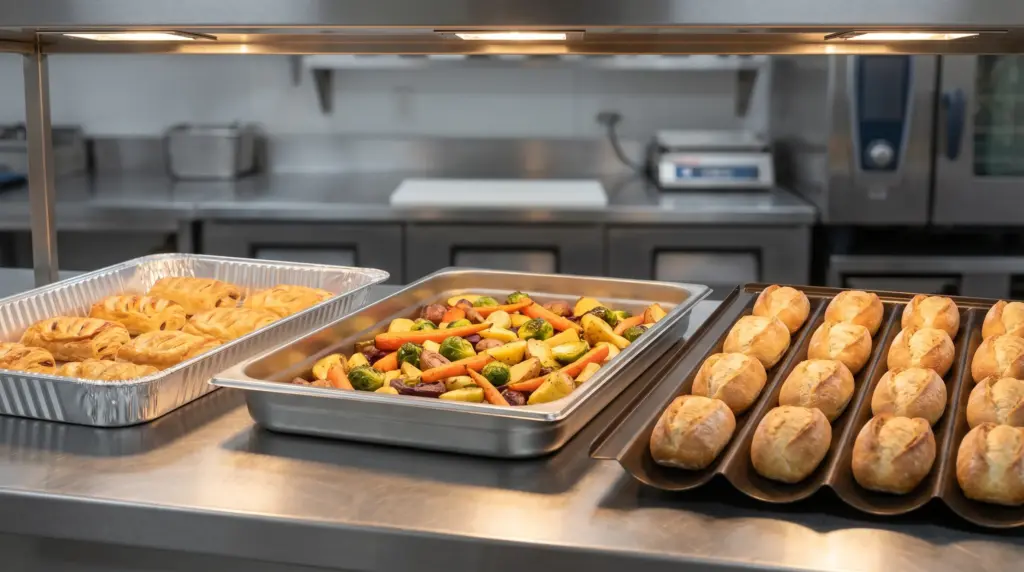
The equipment you have will determine the difference between a seamless service experience and an annoying afternoon. Baking trays are the workhorses of any commercial oven, able to withstand high temperatures and heavy usage. This blog takes a deep dive into how to improve your cooking precision with proper material for your heavy-duty trays and how to prevent replacement costs in the long run.
Understanding Aluminium for Quick Heat Transfer
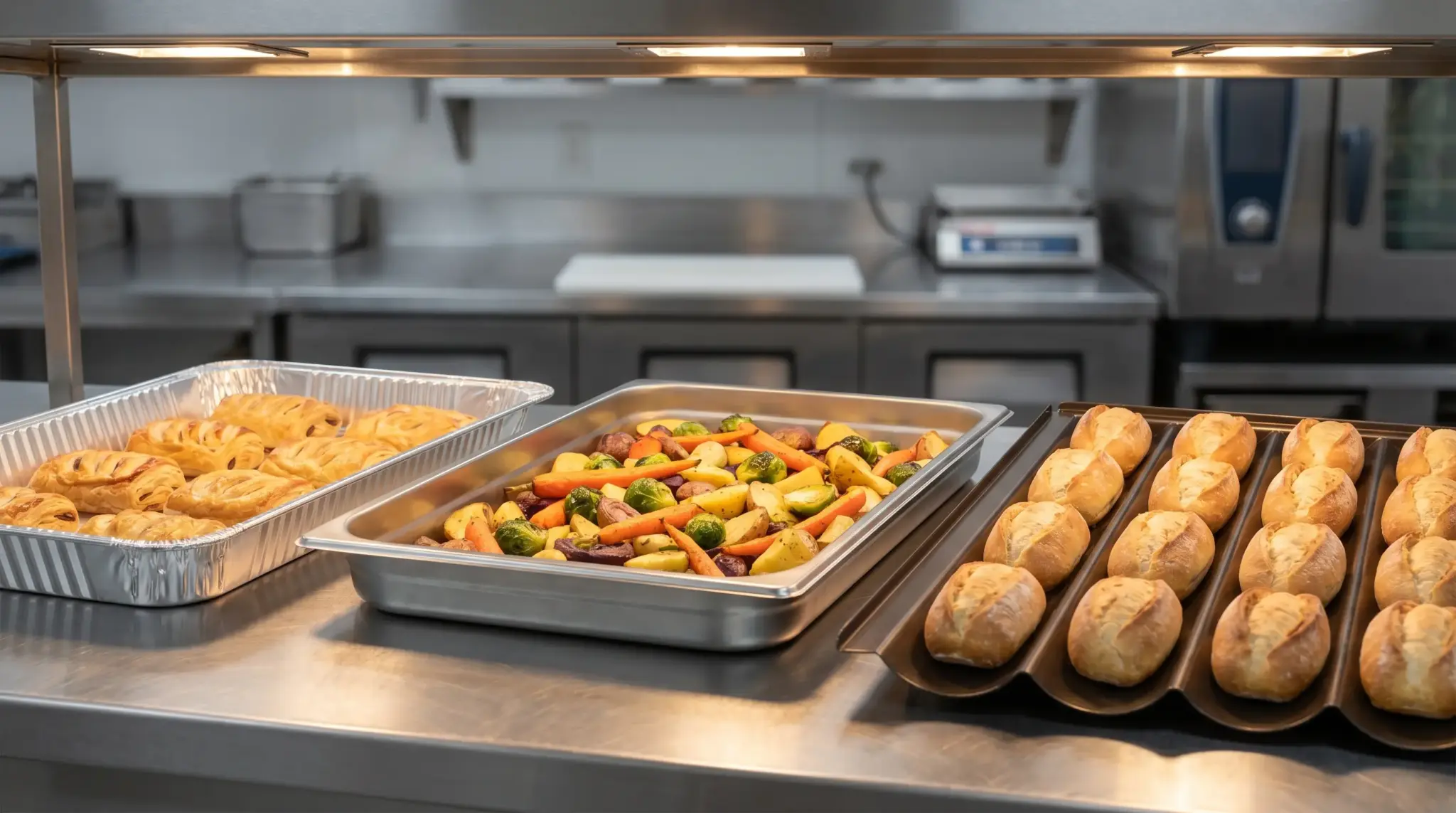
Aluminium is one of the most popular selections for professional bakers to work with. Once they are put into the oven, you will soon find that these trays rapidly heat up, which helps in achieving the perfect golden crust on pastries and roasted vegetables. The material is lightweight, and the staff members who will be handling large stacks of trays during high-pressure shifts will easily be able to work with it.
The Durability of Professional Stainless Steel
Unlike other metals, stainless steel is non-reactive, which means it will not change the flavour of your food. These trays are tough and can withstand the rough handling that occurs in a commercial wash station without denting or scratching easily. While they might take a little longer to heat up, their ability to hold onto heat makes them ideal for maintaining consistent temperatures during roasting processes.
Benefits of Aluminised Steel Construction
Aluminised steel offers a unique combination of the strength found in carbon steel and the excellent heat conductivity associated with an aluminium coating. This material is a favourite in high-volume bakeries because it provides the structural integrity needed to prevent twisting or bowing. You will notice that these trays are finished with a corrugated surface, which increases airflow under the food.
Evaluating Non-Stick Coatings for Efficiency
Having a high-quality non-stick surface on your baking trays can significantly speed up your cleanup and food release processes. Look for industrial-grade coatings that are designed to withstand thousands of uses without peeling or losing their effectiveness under high heat. Using these specialised surfaces reduces the need for excessive parchment paper or greasing, which can lower your overall kitchen costs.
The Importance of Reinforcement and Rim Design
The way a tray is constructed at its edges plays a vital role in how well it maintains its shape after months of being slid in and out. Look for trays that feature reinforced rims, which add a level of rigidity that prevents the metal from expanding and contracting unevenly. A well-reinforced rim ensures that your trays stay flat, which is crucial for ensuring that batters and liquids stay level during the cooking process.
Considering Tray Size and Oven Compatibility
Before you purchase a new set of trays, verify that the dimensions are suited to your commercial oven and storage racks. Ensure that there is enough space around the edges of the tray for air to circulate freely, which is the key to achieving a uniform cook in a convection setting. Using trays that are too large for your equipment can create hot spots or block the fans, leading to inconsistent results.
Impact of Surface Texture on Cooking Results
The texture of your baking tray, whether it is smooth or embossed, has a direct impact on how moisture escapes from your food as it cooks. Perforated trays are an excellent choice for items that need a crisp bottom, as they allow steam to vent away immediately. On the other hand, a smooth surface is better for general roasting and sheet cakes, where you want to retain a certain level of moisture.
Selecting the Perfect Foundation for Your Baking
The right choice of metal and construction can transform your daily kitchen operations from a struggle into a streamlined process. By prioritising heat conductivity and specialised coatings, you are giving your culinary team the tools they need to produce their best work every day. Making an informed decision now will lead to better food, happier staff, and a more successful kitchen for many years into the future.