
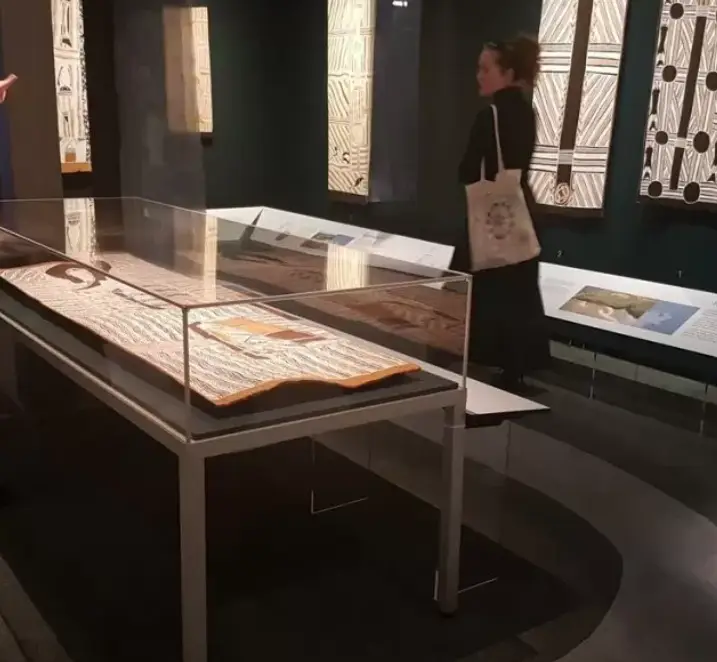
Behind every carefully curated museum exhibition lies a genuinely important, if often overlooked, piece of infrastructure: the display case protecting and presenting each precious object to the public. Far from being a simple glass box, a quality display case must balance conservation requirements, security considerations, and visual presentation in a way that serves both the artefact and the visitor experience.
Understanding what genuinely separates quality Museum display cases from a basic enclosure helps curators and collection managers make informed decisions when planning a new exhibition or upgrading existing display infrastructure. This article covers the key factors worth considering.
Balancing Conservation, Security, and Presentation
The best museum display cases achieve a careful balance between protecting valuable or fragile items and presenting them in a way that genuinely engages visitors.
Environmental Control and Conservation
Many artefacts, particularly organic materials, textiles, or works on paper, are highly sensitive to fluctuations in humidity, temperature, and light exposure. Quality display cases incorporate features to help manage these environmental factors, including sealed enclosures that limit air exchange and UV-filtering glazing to reduce light damage over extended display periods.
Security Considerations
Museum display cases need to provide genuine protection against theft and accidental damage, particularly for valuable or irreplaceable items. Key security features to look for include:
- High-quality locking mechanisms, resistant to tampering or forced entry.
- Laminated or toughened glass, providing protection against impact while maintaining clear visibility.
- Discreet alarm integration options, allowing cases to be connected to a broader gallery security system.
Optical Clarity and Presentation Quality
A display case’s primary purpose is to showcase an object clearly, making optical quality a genuinely important consideration. Low-iron glass, which eliminates the greenish tint common in standard glass, provides significantly clearer viewing, allowing visitors to appreciate fine details without visual distortion.
Flexibility for Different Object Types
Museums display an enormously diverse range of objects, from small, delicate jewellery to large sculptural pieces, each with different display requirements. Quality display case systems offer modular or customisable configurations, allowing museums to adapt their display infrastructure to suit a genuinely diverse collection without needing entirely bespoke solutions for every single item.
Integrated Lighting Solutions
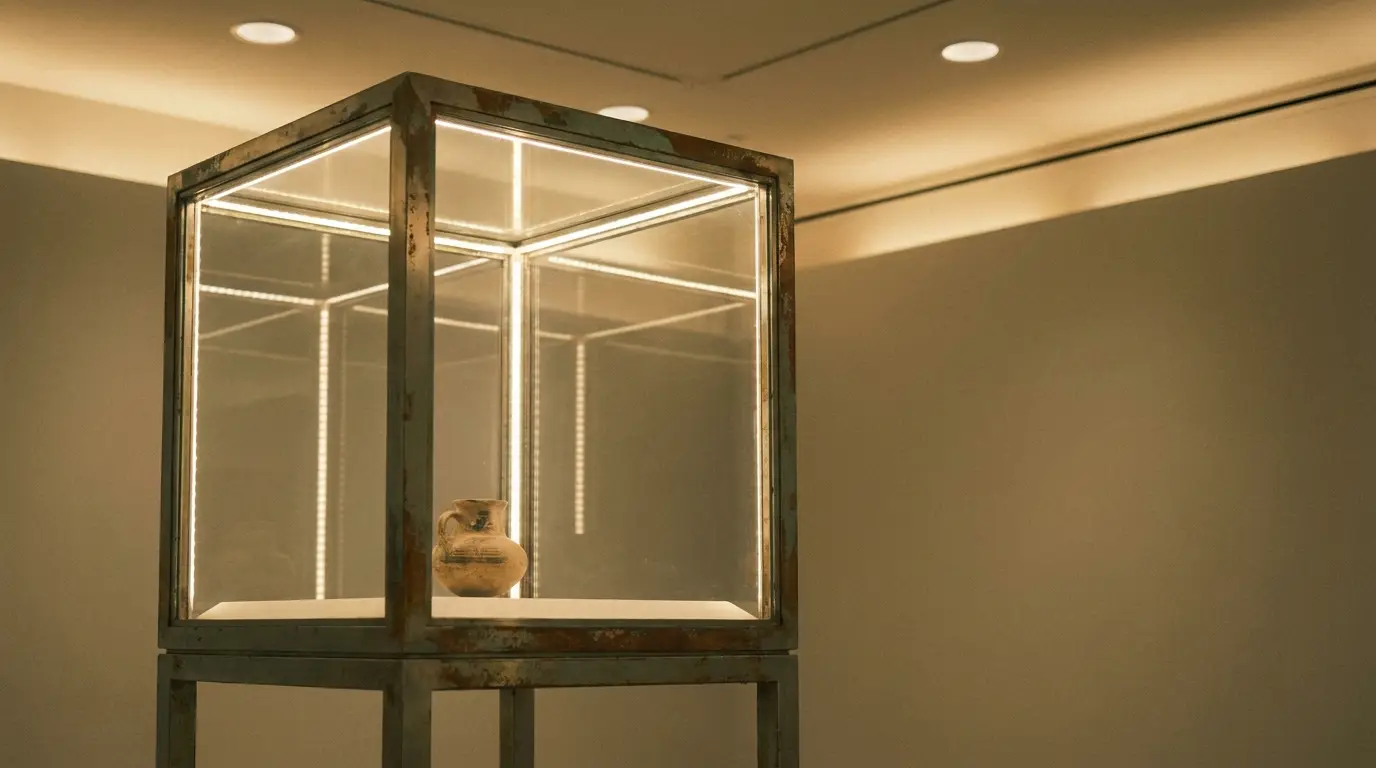
Proper lighting is essential for effective object presentation, but it must be carefully balanced against conservation requirements for light-sensitive items. Quality display cases often incorporate low-heat, UV-filtered LED lighting solutions, allowing for effective illumination without contributing to long-term degradation of sensitive materials.
Ease of Access for Collection Management
While security is paramount, display cases also need to allow reasonably straightforward access for collection managers conducting condition checks, cleaning, or rotating displayed items. Well-designed cases balance robust security with practical, controlled access for authorised staff.
Custom Solutions for Unique Collection Items
Museums frequently hold items that don’t fit neatly into standard display case dimensions, from oversized textiles to unusually shaped archaeological artefacts. Reputable display case manufacturers offer custom design and fabrication services, working closely with curators and conservators to develop a solution that meets the specific conservation and presentation needs of each unique item.
Budgeting for Long-Term Display Infrastructure
While quality display cases represent a significant upfront investment, their durability and adaptability typically make them a genuinely cost-effective choice over the long term, particularly compared to cheaper alternatives that may need replacing far sooner or fail to adequately protect valuable collection items from environmental damage.
Working Closely With Conservators During Design
The most successful museum display case projects typically involve close collaboration between designers and the museum’s own conservation staff from the earliest planning stages. Conservators bring detailed knowledge of each specific item’s material sensitivities, informing decisions around lighting levels, humidity control, and case sealing that a designer working in isolation simply couldn’t replicate. This collaborative approach ensures the finished display case genuinely serves both the preservation and presentation needs of each unique object in the collection.
The Role of Display Cases in Visitor Engagement
Well-designed display cases do more than simply protect an object, they actively shape how visitors engage with and understand what they’re viewing. Thoughtful lighting, positioning, and complementary signage integrated within or around the case can significantly enhance a visitor’s connection to the object, supporting the museum’s broader educational and storytelling goals.
Balancing Natural and Artificial Lighting Around Display Cases
Museums increasingly need to balance natural light entering exhibition spaces with the controlled artificial lighting built into display cases themselves. Careful planning around window placement, blinds, and case positioning helps ensure sensitive items remain protected from excessive light exposure while still allowing the broader gallery space to feel bright and welcoming.
Why Regular Case Audits Matter
Beyond the initial installation, museums benefit from periodically auditing their display cases to check seals, locking mechanisms, and internal environmental conditions remain within acceptable ranges. This ongoing diligence helps catch any gradual degradation in case performance before it has a chance to affect the items on display.
Protecting Objects for Future Generations
At its core, investing in quality museum display cases is about protecting irreplaceable objects for future generations to appreciate, a responsibility that justifies the careful thought and investment involved in getting this often-overlooked piece of infrastructure genuinely right.
Final Thoughts
Quality museum display cases represent a genuinely important investment in both the long-term preservation of a collection and the overall visitor experience, requiring careful consideration of conservation, security, and presentation needs.
For museums and galleries planning new exhibitions or upgrading existing infrastructure, working with an experienced display case specialist ensures these often competing priorities are properly balanced for the specific needs of the collection.