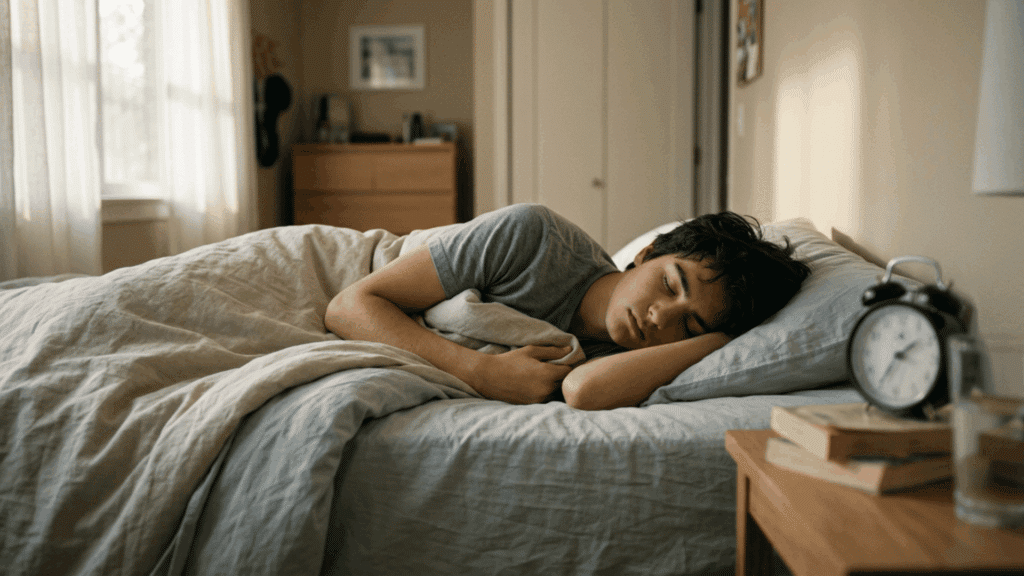
Have you ever wondered how someone could sleep for most of the day and still feel tired?
For people with sleeping beauty syndrome, long periods of sleep can disrupt school, work, relationships, and daily routines.
It’s also known as Kleine-Levin syndrome; this rare disorder causes repeated episodes of excessive sleep along with changes in mood, thinking, appetite or behavior.
Between episodes, many people return to their usual health and sleep patterns. This blog explains the common signs, possible causes, diagnosis, treatment options and outlook for people living with the condition.
What is Sleeping Beauty Syndrome?
Sleeping beauty syndrome is the nickname for Kleine-Levin syndrome (KLS), a rare neurological sleep disorder. It affects people who experience recurrent episodes during which the sleep almost all the time and find it difficult to stay alert while awake.
These episodes may last several days or weeks. KLS may also affect memory, concentration, perception, emotions, hunger, and behavior.
This syndrome may interfere with education, employment, interpersonal relationships, personal hygiene and living independently. Despite its nickname, KLS is a real disease.
It is not normal fatigue, laziness or an appropriate reaction to lack of sleep. During the inter-episode periods, affected people usually resume their normal sleep habits and activity level.
Symptoms of Kleine-Levin syndrome
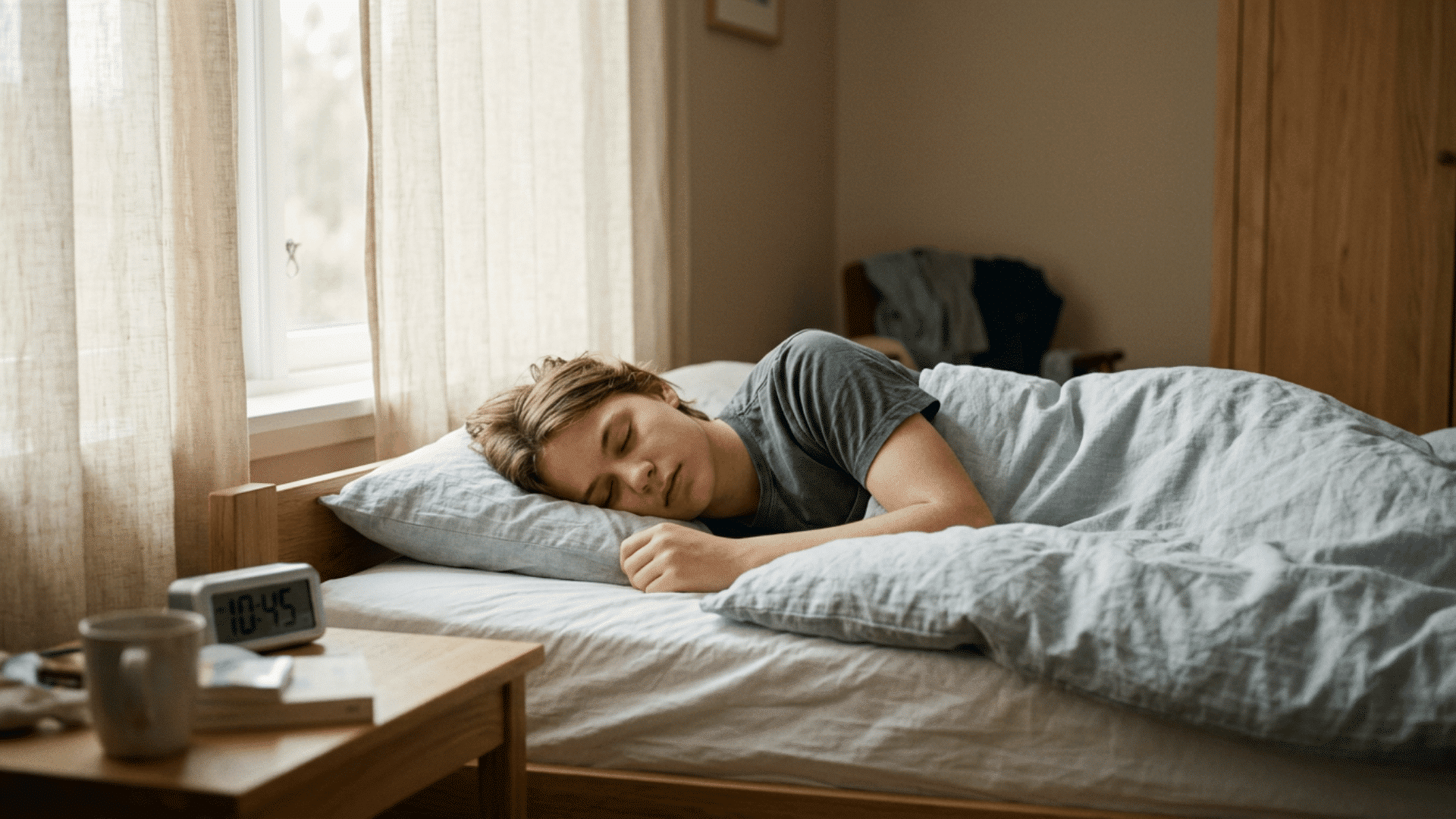
KLS causes sudden episodes lasting days or weeks, with hypersomnia, cognitive difficulties, altered perception, appetite changes and unusual behavior that vary considerably between affected individuals.
1. Severe Tiredness
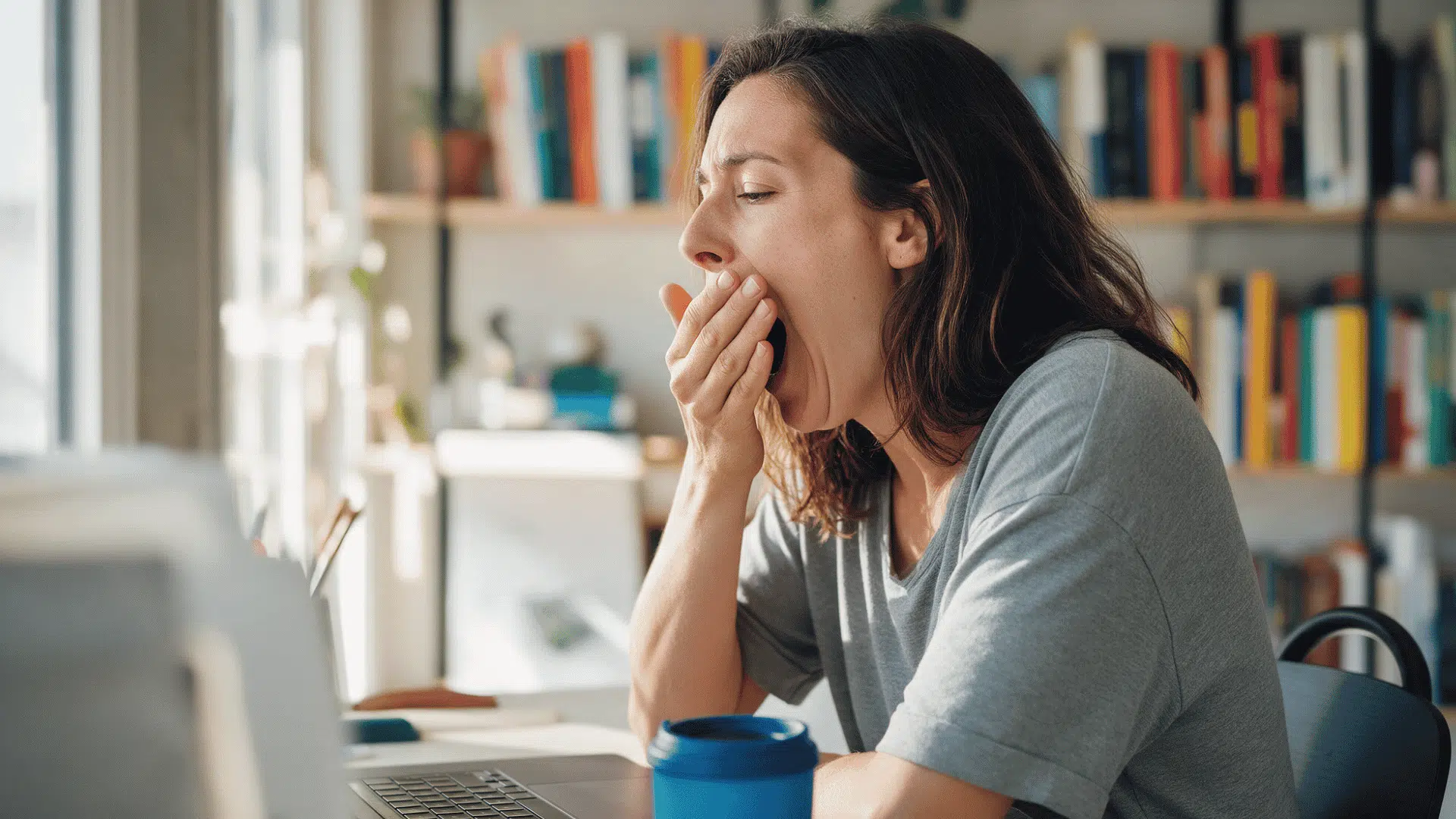
Severe fatigue often remains during the brief periods when the person is awake. Speech, movement, and responses may slow, and basic activities can require unusual effort.
The person may lack enough energy to bathe, dress, eat independently, study or hold a conversation.
After meeting immediate needs, they may return to bed quickly. This reduced functioning reflects the episode and should not be mistaken for low motivation or intentional withdrawal.
2. Confusion
KLS can cause marked confusion and disorientation during an episode. A person may respond slowly, struggle to follow instructions, or lose track of the time, date or location.
Familiar surroundings may feel difficult to process. Confusion can also make conversations and routine decisions challenging.
These changes generally improve gradually as the episode ends, although the person may remember little about what happened while the symptoms were at their most severe.
3. Excessive Sleep
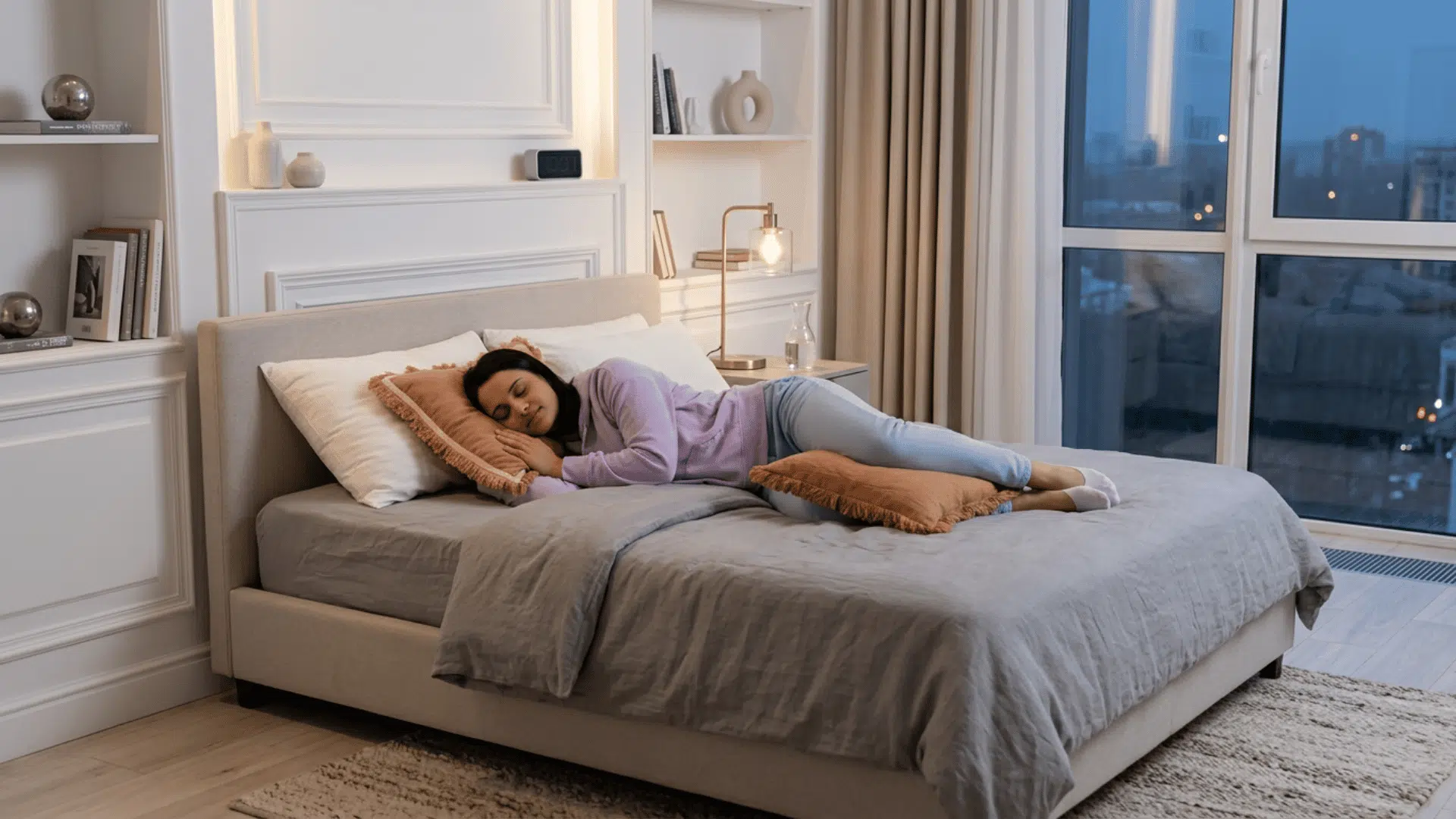
According to the NIH Genetic and Rare Diseases Information Center, a person with KLS may sleep for 16 to 20 hours each day, often waking only to eat, drink or use the bathroom.
Remaining awake can be difficult even after prolonged sleep. This recurring hypersomnia is far more intense than ordinary tiredness or recovery from a poor night’s rest.
Episodes may begin abruptly and can interrupt school, work, relationships, personal care, and other activities.
4. Poor Concentration
Attention and mental processing may decline sharply during a KLS episode. Reading, studying, following television, answering questions or completing simple tasks can become difficult.
A person may lose the thread of a conversation or need extra time to understand information. Planning and decision-making may also be affected.
These temporary changes can prevent students and employees from meeting their usual responsibilities, even when they are awake for part of the day.
5. Memory Problems
Memory gaps are common during KLS episodes. A person may have limited or no memory of conversations, meals, visitors, decisions, or activities completed while awake.
This makes it difficult to describe the episode accurately once regular functioning returns. Notes from parents, relatives, or caregivers can record sleep duration, unusual behavior and important events.
Such observations may help clinicians clearly recognize the recurring pattern and distinguish KLS from other possible conditions.
6. Behavioral Changes
Behavior may change noticeably during an episode. A person can become irritable, apathetic, restless, aggressive, unusually quiet, or socially withdrawn.
Some display childlike actions, reduced emotional expression or behavior that differs sharply from their usual personality. Increased sexual behavior may occur in some cases but it is not universal.
Calm supervision is important because these changes occur during the neurological episode and may accompany temporary impairment of judgment or awareness.
7. Changes in Appetite
Eating patterns can change considerably during a KLS episode. Some people experience hyperphagia, which involves an unusually strong appetite, larger portions, frequent eating or cravings for particular foods.
Others may eat less than usual or need reminders to drink. Appetite changes are not present in every case and cannot confirm KLS on their own.
Caregivers may need to monitor food and fluid intake when sleepiness, confusion or limited self-care affects normal regular meals.
8. Derealization
Derealization is a feeling that surroundings, people, or objects are distant, strange, dreamlike, or unreal. It is frequently reported during KLS episodes and can be unsettling.
A person may feel detached from the environment despite being awake and able to respond. This altered perception can worsen fear, confusion, communication problems and difficulty completing activities.
Derealization generally improves after the episode, when sleep, awareness and behavior return toward their usual state.
Some patients experience headaches, low mood, anxiety, slow speech, hallucinations or an unusually strong sex drive. These symptoms do not affect every person and may differ between episodes. Their absence does not rule out KLS because excessive sleep and changes in thinking remain the main features of the condition.
What Causes Sleeping Beauty Syndrome?
The exact cause of KLS remains unknown. Research has examined brain function, infections, immune activity, and genetic susceptibility, but no single explanation has been confirmed.
| Possible Factor | How It May Relate to KLS |
|---|---|
| Brain function | Temporary changes in regions regulating sleep, appetite and awareness may contribute to symptoms. |
| Infections | Some initial episodes follow a cold, fever or flu-like illness. |
| Immune activity | An autoimmune response has been proposed, but the theory remains unproven. |
| Genetic susceptibility | Family cases occur, although most affected people have no known family history. |
| Reported triggers | Stress, sleep loss, travel, alcohol, exertion or head injury may precede an episode without causing KLS directly. |
What is The Long-Term Outlook?
The outlook for KLS varies, but episodes often become less frequent and severe over time. Recovery may take years and the condition can still disrupt education, employment, relationships and wellbeing.
- Episode Progression: Episodes commonly become shorter, milder or less frequent as the affected person grows older.
- Recovery Timeline: KLS may continue for several years and no fixed recovery period applies to every person.
- Daily Impact: Repeated absences can affect academic progress, employment, independence, relationships and emotional health.
- Long-Term Support: Medical follow-ups, symptom records, safety planning and suitable accommodations may reduce disruption while episodes continue.
Who Can Develop This Sleep Disorder?
KLS most often begins during adolescence, although younger children and adults can also develop symptoms. Males receive the diagnosis more frequently than females, but the condition can affect any sex.
The disorder is extremely rare. Prevalence estimates vary because many clinicians have limited experience with it, and its symptoms overlap with several neurological, sleep, and psychiatric conditions.
The NIH Genetic and Rare Diseases Information Center notes that rare diseases may require visits to several specialists before an accurate diagnosis is reached.
This difficulty makes a clear record of recurring episodes especially useful.
When to Contact a Doctor?
There could be numerous reasons for severe drowsiness. Some of them might be life-threatening.
If a patient is not diagnosed with Kleine-Levin Syndrome, he or she must consult a specialist immediately about sudden and recurring episodes of sleepiness.
The symptoms, which include being difficult to wake up, difficulty breathing, seizures, one-sided weakness or the use of drugs or excessive medications, are an indication for immediate care.
Ideas of self-harm that are newly developed also constitute an emergency. Never assume that any symptom is a part of Kleine-Levin Syndrome.
Disclaimer: This article provides educational information and does not replace professional medical advice, diagnosis or treatment. Anyone experiencing prolonged sleep, confusion, altered awareness, or behavioral changes should consult a qualified clinician.
Conclusion
Sleeping beauty syndrome, or Kleine-Levin syndrome, causes repeated episodes of extreme sleep, confusion, and behavioral changes.
Its exact cause remains unknown, though brain function, infections, immune responses and genetics may play a part. Diagnosis requires a careful review of symptoms and tests to rule out other conditions.
If you were wondering what sleeping beauty syndrome means, it is a real but rare disorder that needs professional medical assessment. Recognizing the pattern and keeping a symptom record can support an informed discussion with a doctor.
What are your thoughts on this condition? Share your opinion or experience in the comments.
Frequently Asked Questions
Is Sleeping Beauty Syndrome Contagious?
No. Kleine-Levin syndrome cannot spread through touch, air, food or close contact. It is a neurological sleep disorder, not an infectious disease.
Is Sleeping Beauty Syndrome The Same as Narcolepsy?
No. Narcolepsy causes persistent daytime sleepiness, while KLS involves separate episodes of prolonged sleep with periods of usual health between them.
Does KLS Affect Life Expectancy?
Current medical evidence does not show that KLS shortens life expectancy. However, supervision remains important because severe sleepiness can increase the risk of accidents.