
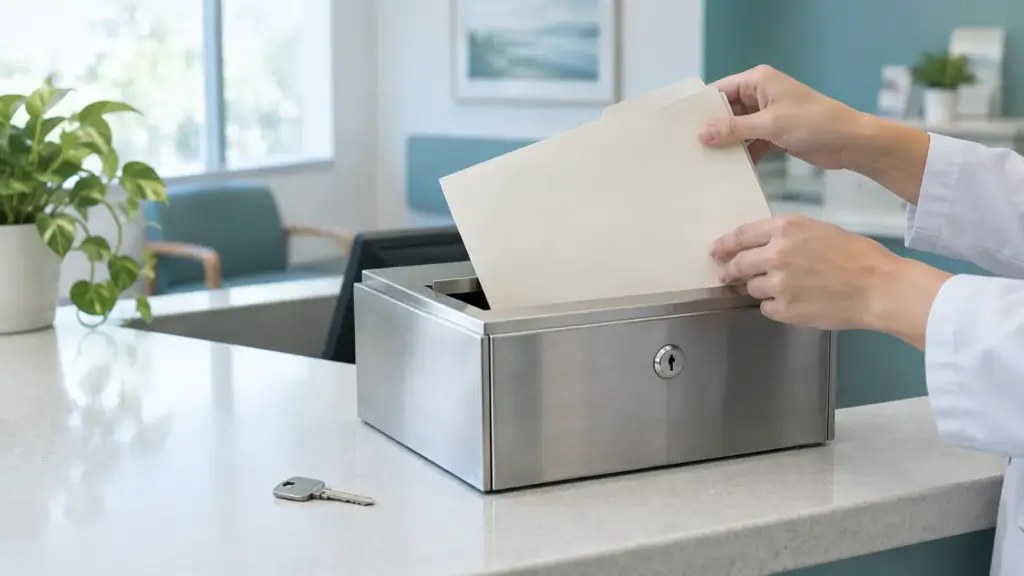
Medical information is some of the most personal data you have. It can include everything from your name and date of birth to diagnoses, prescriptions, test results, insurance details, and treatment history. While healthcare providers have responsibilities when it comes to protecting this information, patients can also take practical steps to reduce the risk of their medical data being accessed or shared inappropriately.
Understanding how your information is used is a good place to start.
Know What Counts as Protected Health Information
Protected health information, often shortened to PHI, generally refers to identifiable health information that is handled by certain healthcare organizations and their business partners.
This can include information in medical records, billing documents, appointment systems, insurance claims, and electronic communications. Anyone who wants to understand the terminology and rules in more detail can read a guide to PHI and HIPAA to get a clearer picture of how health information may be protected under US law.
Being familiar with the basics makes it easier to recognize when your information is being requested and why.
Be Careful With Patient Portals

Online patient portals make it much easier to check test results, book appointments, request prescriptions, and communicate with healthcare providers. However, they should be treated with the same care as online banking accounts.
Use a strong, unique password rather than reusing one from another website. If multi-factor authentication is available, switch it on. Avoid accessing sensitive medical information on public computers, and always sign out when you finish using a shared device.
It is also worth being cautious about saving passwords on devices that other people regularly use.
Think Before Sharing Health Information Online
People often discuss medical experiences on social media, forums, support groups, and health apps. There is nothing inherently wrong with this, but it is important to understand that information shared voluntarily online may not receive the same protections as information held by a healthcare provider.
Before posting, consider whether you are comfortable with that information potentially being seen by employers, advertisers, acquaintances, or other third parties.
The same applies to health and wellness apps. Check their privacy policies before entering detailed medical information, particularly if the app is not directly connected to your healthcare provider.
Watch Out for Medical Scams
Phishing attempts can imitate hospitals, insurers, pharmacies, and other healthcare organizations. A message might claim that you need to confirm an appointment, make an urgent payment, or log in to view a test result.
Avoid clicking unexpected links or providing sensitive information immediately. Instead, contact the organization using a phone number or website you already know is legitimate.
Review Your Records
You should also pay attention to medical statements, insurance explanations of benefits, and healthcare account activity. Unexpected treatments, unfamiliar providers, or charges you do not recognize could be signs of an administrative mistake or, in some cases, medical identity theft.
Catching unusual activity early can make it easier to investigate and resolve.
Make Privacy Part of Your Healthcare Routine
Protecting medical information does not need to be complicated. Strong passwords, careful online sharing, awareness of scams, and regularly checking your records can all make a difference.
Most importantly, do not be afraid to ask questions. If you are unsure why a healthcare organization needs certain information or how it will be used, ask. Understanding where your health data goes gives you more control over one of the most personal types of information you have.