For many years, homeowners approached foundation issues as something to fix only when visible damage appeared. Cracks in walls, uneven floors, and sticking doors were often treated as surface-level problems rather than symptoms of a deeper structural concern. Today, that mindset is changing. More homeowners are recognizing the importance of proactive solutions that strengthen the foundation before serious damage occurs. This shift has led to the rise of steel transition piers, a modern method designed to deliver both immediate correction and long-term stability.
How Steel Transition Piers Work
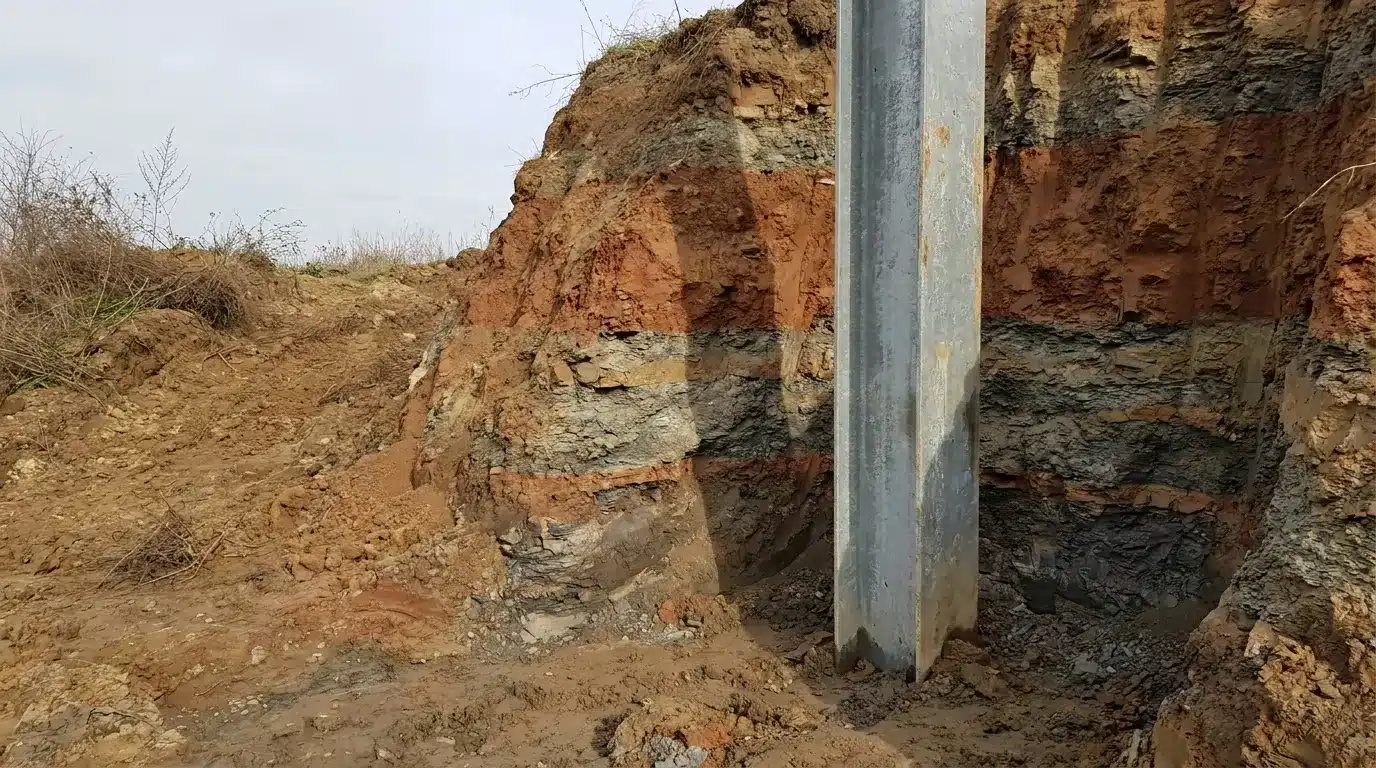
The strength of steel transition piers lies in their ability to stabilize a structure from below. These piers are driven deep into the ground until they reach load-bearing soil that remains consistent regardless of surface conditions. Once installed, they effectively support the home’s weight, reducing pressure on unstable soil that may expand, contract, or erode over time. What makes this system unique is its adaptability. Soil conditions are rarely uniform, and homes often sit on a mix of materials that respond differently to moisture and temperature changes. Steel transition piers are designed to handle these variations by bridging the gap between unstable and stable layers. This ensures that the structure above remains level and secure, even when the ground beneath is not.
Benefits That Go Beyond Basic Repairs
One of the biggest advantages of choosing steel transition piers is the long-term value they provide. Instead of repeatedly addressing the same issues, homeowners can rely on a solution that is built to last. The durability of steel ensures the system maintains its strength over time, providing consistent support without risk of deterioration. In addition to structural stability, this upgrade can also improve a home’s overall value. Buyers are often drawn to properties that have been reinforced with modern foundation solutions because they reduce the likelihood of future problems. This added confidence can make a home more attractive in the market and provide a strong return on investment for the owner.
Why Steel Transition Piers Are the Future
As construction practices continue to evolve, the demand for reliable and long-lasting solutions is only increasing. Steel transition piers represent the future of foundation stability because they combine engineering precision with practical performance. They are not just a repair method, but a strategic upgrade that strengthens the entire structure from the ground up. Homeowners who choose this solution are investing in more than just a fix. They are ensuring that their property remains secure, level, and protected against shifting soil conditions for years to come. In a world where long-term reliability matters more than ever, steel transition piers stand out as a smart and effective choice for modern home stability.
Upgrading your foundation is one of the smartest decisions you can make to protect your home’s structure and long-term value. With steel transition piers, you are choosing a solution that delivers lasting stability, reduces future repair risks, and strengthens your home from the ground up. Instead of temporary fixes, this approach offers true peace of mind for years to come. If you are ready to take the next step toward a stronger, more secure foundation, visit pinnaclefoundationrepair.com to learn more about how this advanced solution can benefit your home.