

Evening routines have a way of quietly shaping how well the night goes. What you drink — and what’s in it — can be part of that picture. Cold-pressed juices made from specific fruits and vegetables contain nutrients that researchers have explored in relation to sleep physiology, and understanding what those are (and what we actually know about them) makes it easier to think about where they fit in a relaxed evening practice.
This isn’t about miracle drinks. It’s about the actual compounds, what the science says, and why some ingredients show up in evening wellness routines more than others.
Why Nutrients and Sleep Are Connected
Sleep isn’t just about being tired. It’s a physiological process that involves hormones, neurotransmitters, and a cascade of biological activity that starts well before you close your eyes. What the body has available — in terms of minerals, amino acids, and plant compounds — influences some of that activity.
Researchers have studied several dietary nutrients in relation to sleep architecture, sleep onset, and sleep quality. The evidence varies by compound, but the general finding is consistent: nutrition and sleep are more connected than most people think about day-to-day.
Magnesium: One of the More Studied Connections
Magnesium is probably the mineral most associated with sleep research. It plays a role in regulating GABA — a neurotransmitter that promotes calm and relaxation in the central nervous system — and has been studied in relation to insomnia and sleep quality in both older adults and people with magnesium deficiency.
Several fruits and vegetables used in cold-pressed juice contain meaningful amounts of magnesium. Spinach is a notable source. So are Swiss chard, banana, and avocado when included in blends.
A study published in the Journal of Research in Medical Sciences found that magnesium supplementation improved subjective measures of insomnia in older adults — though it’s worth noting most nutritional research focuses on supplementation at doses higher than what a single juice serving provides. The nutrient connection is real; the dose context matters.
Tryptophan and the Melatonin Pathway
You’ve probably heard that tryptophan is in turkey. It’s also present — in smaller amounts — in several plant foods that end up in cold-pressed juices: spinach, banana, and pineapple among them.
Tryptophan is an amino acid precursor to serotonin, which the body can convert to melatonin — the hormone that regulates the sleep-wake cycle. The pathway is well-established. The question with food-based tryptophan is always whether the amounts present are enough to be meaningful through diet alone.
Research on plant-based tryptophan and sleep remains more exploratory than conclusive. What’s documented is the pathway itself: tryptophan → serotonin → melatonin. Whether a vegetable juice meaningfully shifts melatonin levels is a different question, and one the science hasn’t definitively answered.
Tart Cherry: One of the More Compelling Food-Sleep Stories
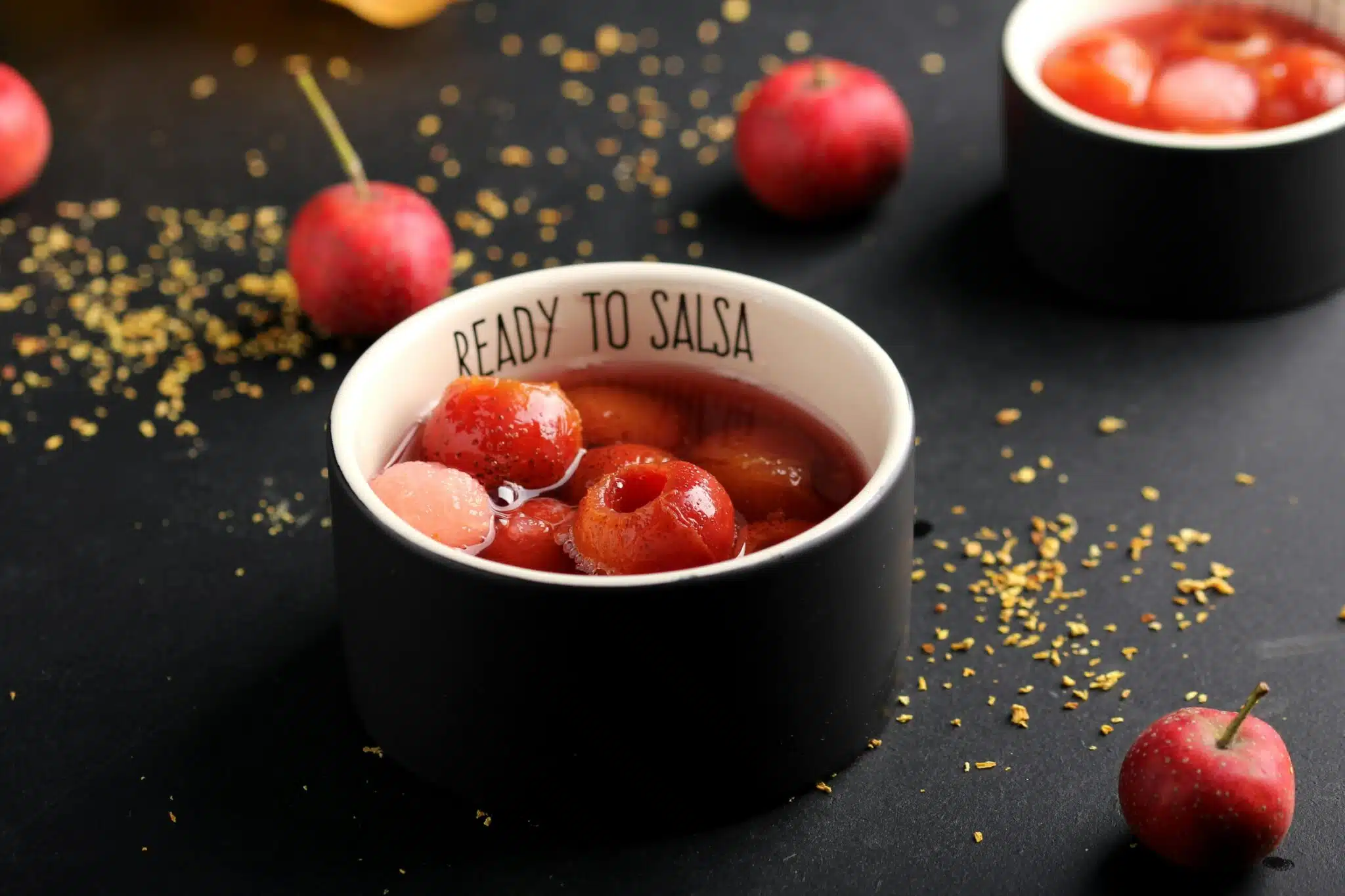
Tart cherries stand out in this space. They’re one of the few whole food sources that contain measurable amounts of naturally occurring melatonin, and they’ve been studied in multiple small trials for their potential effects on sleep duration and quality.
A 2010 study published in the Journal of Medicinal Food found that participants who consumed tart cherry juice concentrate twice daily reported increased sleep time and sleep efficiency compared to a placebo period. A follow-up study in European Journal of Nutrition showed similar effects, particularly in older adults.
Tart cherry is now a fairly common ingredient in cold-pressed evening blends specifically because of this research basis. It’s one area where the food-sleep connection moves from theoretical to documented (at small trial scale, at least).
Potassium and Muscle Relaxation
Potassium tends to be associated with muscle function rather than sleep directly, but the two overlap. Leg cramps and restless muscle tension during the night are sometimes linked to low potassium intake, and getting adequate potassium through diet is relevant for anyone who deals with nighttime muscle discomfort.
Cucumber, celery, and spinach are all good vegetable sources of potassium. Banana contributes substantially. A cold-pressed blend using these as base ingredients will typically provide a notable portion of daily potassium in one serving.
Antioxidants and Oxidative Stress
Sleep disruption has been associated in research with elevated oxidative stress markers. Plant-based antioxidants — the polyphenols, flavonoids, and carotenoids found in fruits and vegetables — have been studied for their role in reducing oxidative stress generally.
Tart cherry again earns mention here: it contains anthocyanins and other polyphenols that have been studied in anti-inflammatory and antioxidant contexts. Beets, blueberries, and dark leafy greens are other antioxidant-dense options commonly found in cold-pressed juice blends.
“Cold-pressing preserves the antioxidants and plant compounds in a way that heat processing typically can’t. You’re keeping the ingredients as close to their natural state as possible, which is really the whole philosophy behind cold-pressed juice,” says Chris, CEO of Little West, a 100% pure cold-pressed juice brand serving customers since 2013.
The Role of an Evening Routine
The nutrients are one part of the picture. The ritual itself is the other.
Having a deliberate wind-down practice — whether that involves a warm drink, a cold-pressed juice, light stretching, or any other consistent habit — signals to the nervous system that the day is transitioning. That signal, repeated over time, becomes part of sleep hygiene in the behavioral sense.
The act of slowing down and choosing something calming to drink is meaningful separate from whatever the drink contains. That said, choosing something containing magnesium, tryptophan, or tart cherry over a stimulant or high-sugar option does carry a genuine nutritional logic.
How to Think About Cold-Pressed Juice in an Evening Routine
A cold-pressed juice isn’t a sleep aid. That framing overstates what the evidence supports. But an evening juice made with sleep-research-adjacent ingredients — tart cherry, spinach, banana, cucumber, beet — is a reasonable, low-sugar way to close out the day with some nutritional intention.
Timing matters a little: most practitioners who study sleep and nutrition suggest consuming foods and beverages like this 1–2 hours before bed rather than immediately before, to give the body time to process.
What you’re doing is creating conditions. Not guarantees. The compounds in these plants have documented biological activity that researchers associate, in various degrees, with sleep physiology. That’s different from a cure for insomnia — and worth keeping that distinction honest.
Ingredients to Look For
If you’re building an evening juice routine around the nutrients discussed here:
- Tart cherry — for melatonin content and antioxidant density
- Spinach — for magnesium, potassium, and tryptophan
- Banana — for magnesium and tryptophan; adds natural sweetness
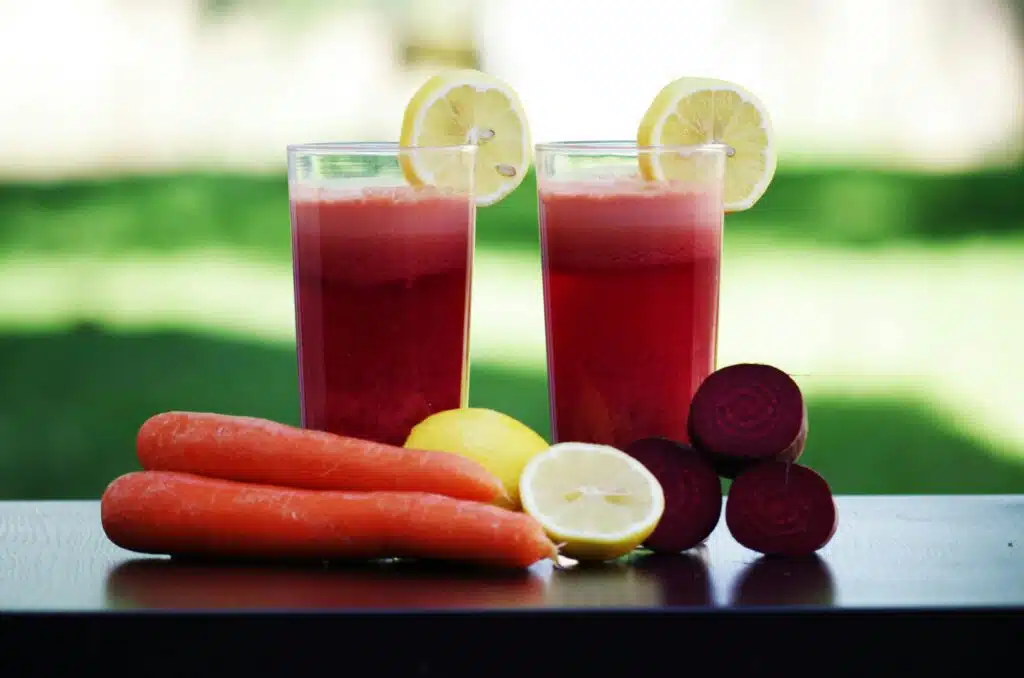
- Beet — antioxidant-rich, often included in evening blends
- Cucumber and celery — hydrating, potassium-contributing base ingredients
The cold-press method is worth specifying when you can: heat-sensitive nutrients like certain B vitamins and antioxidant compounds are better preserved in cold-pressed products than in heat-pasteurized alternatives.
Ingredient-forward labeling has made it easier to identify evening juice blends built around sleep-adjacent nutrients. Similar formulations are increasingly visible across the premium cold-pressed category, including from producers such as Little West.
The Quiet Logic of Evening Nutrition
Sleep wellness has a lot of noise around it. What holds up when you strip the noise away is fairly straightforward: what you consume in the hours before bed creates a biochemical environment. Some nutrients have a better-documented relationship with sleep physiology than others.
Cold-pressed juices that incorporate those ingredients — particularly tart cherry, leafy greens, and potassium-rich vegetables — offer a thoughtful way to include them in an evening routine. The rest, as with most things around sleep, comes down to consistency and everything else you’re doing to create a good night.