
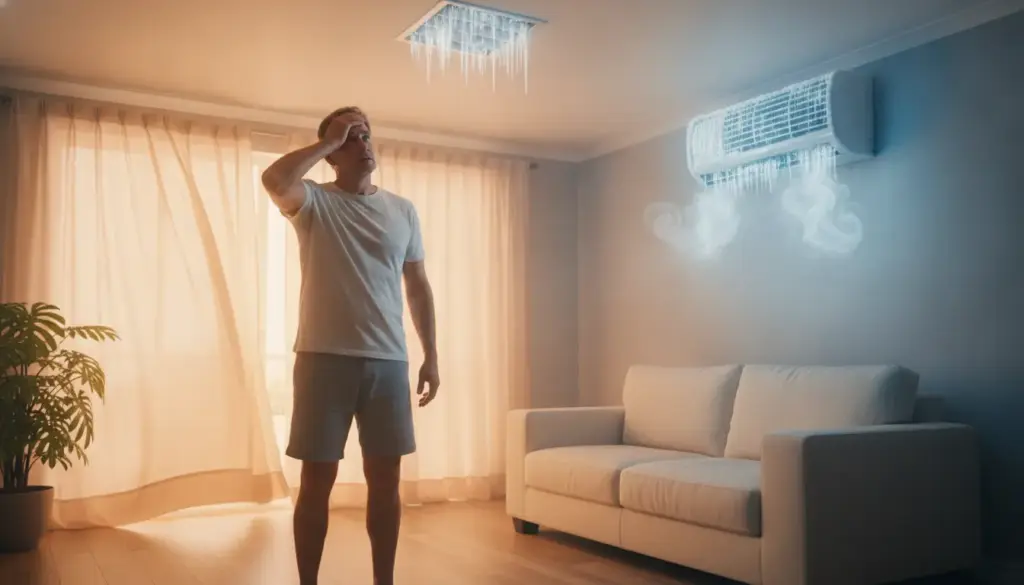
A struggling air conditioner can turn an otherwise comfortable day into a frustrating one fast. Whether the system is blowing warm air, making strange noises, cycling on and off too often, or simply failing to keep up, the problem rarely fixes itself. In many cases, small warning signs show up before a full breakdown happens. According to Viking Heating & Air – AC Repair, Service & Installation of San Diego, homeowners often wait longer than they should to address those early symptoms, which can lead to more expensive repairs and unnecessary stress later on.
The good news is that AC repair does not always mean the worst-case scenario. Sometimes the fix is surprisingly simple. Other times, the issue points to wear and tear that needs professional attention before it affects the rest of the system. Either way, understanding what the signs mean and why prompt service matters can help you make a smarter decision for your home, comfort, and budget.
Small Problems Have a Way of Turning Into Big Ones
Air conditioners rarely quit without warning. Most systems give subtle clues that something is off long before they stop working altogether.
If the airflow feels weaker than usual, the temperature seems inconsistent from room to room, or your energy bills suddenly spike without explanation, those are often signs that the unit is under strain. You may also notice odd smells, buzzing sounds, rattling, or the system running much longer than it used to. These issues can seem easy to ignore at first, especially if the unit is still producing some cool air, but that can be a costly mistake.
Warm Air Is Never a Good Sign
If your AC is running but the air coming through the vents feels lukewarm or completely warm, something is clearly wrong. It could be related to low refrigerant, a faulty compressor, thermostat trouble, or restricted airflow. While the exact cause can vary, the result is the same: the system is working without properly cooling your home.
Letting it continue to run in that condition can place extra pressure on internal components. What could have been a targeted repair may become a much bigger job over time.
Strange Noises Usually Mean Something Is Loose or Failing
A healthy air conditioner should not be loud, dramatic, or unpredictable. When you start hearing clanking, squealing, grinding, banging, or persistent buzzing, the system is trying to tell you something.
Loose parts, motor issues, debris in the unit, or electrical concerns can all produce unusual sounds. Catching those problems early gives you a better chance of solving them before they create damage elsewhere in the system.
Short Cycling Wears the System Down
Short cycling happens when the unit turns on and off too frequently without completing a full cooling cycle. This can happen because of thermostat issues, electrical faults, dirty components, or a system that is no longer operating efficiently.
Not only does short cycling make it harder to keep the home comfortable, but it also puts repeated stress on the equipment. That constant start-stop pattern can shorten the lifespan of important parts and drive up utility costs.
Why Fast AC Repair Is Worth It
Prompt repair is not just about staying cool. It is also about protecting the performance of your system and avoiding a chain reaction of avoidable damage.
When one part of the unit is not working correctly, the rest of the system often has to compensate. That extra strain can spread wear across components that would otherwise still be in good shape. Addressing issues early helps contain the problem while it is still manageable.
Lower Repair Costs Start With Faster Action
Many homeowners put off service because they are worried the repair will be expensive. Ironically, waiting often leads to a bigger bill. A clogged drain line, faulty capacitor, dirty coil, or worn contactor may be relatively straightforward to address when caught early. The same issue can become more serious if the system is forced to keep operating under stress.
The sooner the source of the problem is identified, the more likely it is that the repair stays focused and affordable.
Better Efficiency Helps Control Utility Bills
An air conditioner with a hidden issue often uses more energy to deliver less comfort. That means you may be paying more each month while still dealing with weak performance and uneven temperatures.
Once the system is repaired and operating properly again, it can cool the home more efficiently. That improvement matters, especially during the hottest parts of the year when the unit is working hardest.
Comfort Should Not Be a Daily Guessing Game
Your home should feel consistently comfortable, not fine in one room and stuffy in another. When an AC system is struggling, indoor comfort becomes unpredictable. Some spaces may feel too warm, others too cold, and humidity levels can become harder to manage.
A proper repair helps restore balance so the system can do what it is supposed to do without constant adjustments or frustration.
The Most Common Reasons AC Systems Need Repair
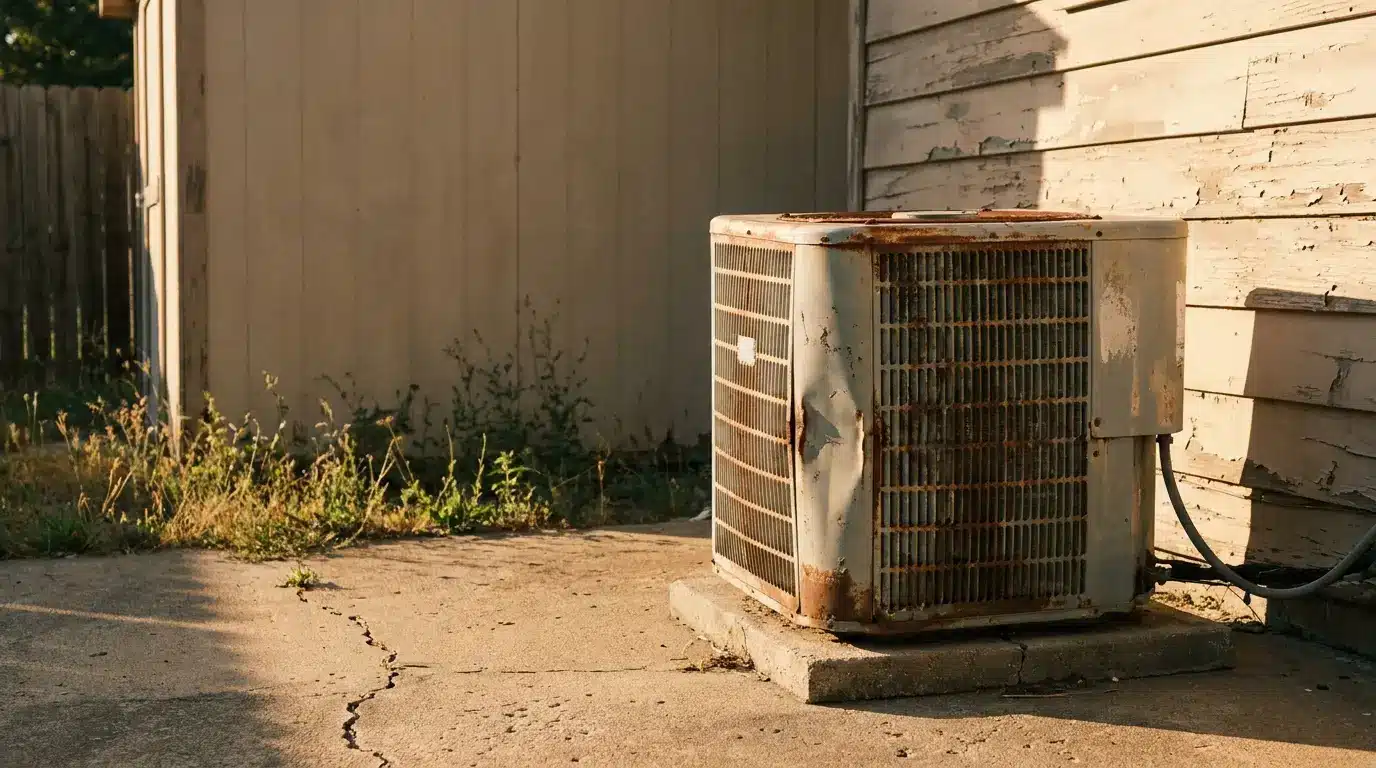
Most cooling systems run into a familiar set of issues over time. Even well-maintained equipment can develop problems with age, use, and seasonal wear.
Knowing the most common causes can make it easier to spot trouble early and explain what you are noticing when it is time to schedule service.
Dirty Filters Restrict Airflow
A clogged air filter is one of the simplest problems, but it can create bigger issues than many people realize. Restricted airflow makes the system work harder, reduces indoor comfort, and can contribute to frozen coils or overheating.
Regular filter changes are one of the easiest ways to support better performance and reduce unnecessary strain.
Refrigerant Problems Affect Cooling Power
If refrigerant levels are low, the system may struggle to cool properly. This is not something that typically happens without a reason. Low refrigerant often points to a leak or another issue that needs professional attention.
Because refrigerant problems affect both performance and system health, this is not the type of repair to put off.
Electrical Components Wear Out Over Time
Capacitors, contactors, wiring connections, relays, and motors all play important roles in AC operation. As those parts age, they can weaken or fail. Sometimes the warning signs are subtle. Other times the system stops turning on reliably or behaves erratically.
Electrical issues should always be handled carefully and diagnosed properly, especially when the symptoms point to repeated starting problems or inconsistent operation.
Drainage Issues Can Lead to Water Trouble
Air conditioners remove moisture from the air as they cool. That moisture has to drain properly. If the condensate drain line becomes clogged, water can back up and create leaks, humidity issues, or even damage near the unit.
If you notice excess moisture, water pooling, or musty odors, the drainage system may need attention.
What a Good AC Repair Visit Should Actually Do
A real repair appointment should do more than patch a symptom and leave you guessing. It should identify the actual cause of the problem and help restore confidence in the system.
That means a proper diagnosis matters just as much as the repair itself. Rushing to replace parts without understanding the full issue can lead to repeat problems and wasted money.
Diagnosis Comes Before the Fix
A strong service visit starts with careful inspection and testing. The goal is to understand whether the issue is mechanical, electrical, airflow-related, thermostat-related, or tied to overall system condition.
That process helps ensure the repair solves the root problem rather than just the most obvious symptom.
Clear Communication Makes a Big Difference
No homeowner wants vague explanations or confusing technical language. A good repair experience should include straightforward communication about what is wrong, what needs to be fixed, and what the next steps look like.
When the explanation is clear, it becomes much easier to make informed decisions without feeling pressured or lost.
Long-Term Performance Should Still Be Part of the Conversation
Even if the repair itself is simple, it helps to know whether the issue was isolated or part of a larger wear pattern. Sometimes one repair is all that is needed. In other cases, the unit may be showing signs that more service or maintenance will be needed in the near future.
That kind of honest feedback can help you plan ahead and avoid surprises.
How to Help Your AC Last Longer After Repairs
Once the system is back up and running, a few smart habits can help protect its performance and reduce the odds of another breakdown.
Repair and maintenance work best together. Fixing one issue is important, but ongoing care helps keep new ones from developing too quickly.
Stay Consistent With Basic Maintenance
Routine filter changes, seasonal tune-ups, and keeping the area around the unit clean can all help the system breathe and operate more effectively. These small steps support better airflow and reduce wear.
Even high-quality equipment performs better when it is regularly checked and maintained.
Pay Attention to Changes in Performance
After a repair, keep an eye on how the unit sounds, cools, and cycles. If the system starts acting differently again, do not assume it will sort itself out. Small changes can be early warnings.
Being proactive gives you a better chance of stopping problems before they become disruptive.
Do Not Ignore Age and Overall Condition
If the system needs repeated repairs in a short period, it may be time to look at the bigger picture. Some units reach a point where repairs become less practical than expected, especially when efficiency and reliability continue to decline.
That does not mean every repair leads to replacement, but it does mean the system’s age and condition should be part of the conversation.
A Reliable Home Starts With a Reliable Cooling System
When your air conditioner is not working the way it should, the impact shows up quickly in your comfort, your energy use, and your peace of mind. The longer the issue lingers, the greater the chance it turns into something more disruptive and expensive.
AC repair is not just about fixing what is broken today. It is about restoring comfort, protecting your system, and making sure your home feels the way it should when temperatures rise. When unusual sounds, weak airflow, poor cooling, or rising bills start showing up, taking action early is one of the smartest moves you can make.