

Silk pillowcases have gained significant popularity among the people looking to support healthier hair and skin while they sleep.
Many claim that such silk reduces frizz, limits sleep lines, and helps skin stay softer, but it can be difficult to separate facts from marketing claims.
Having the understanding of the capabilities of a silk pillowcase can make it easier to make an informed decision about whether this product will fit into one’s daily life.
Learn more about the benefits of silk pillowcases to help you have reasonable expectations from the purchase.
The Science Behind Silk Pillowcases
Silk pillowcases have positive effects because of the nature of the interaction between the fibers of the pillow, hair, or skin during sleep.
It has natural smoothness, which helps reduce friction while sleeping on it since the hair or skin can easily glide on the pillow.
This helps prevent tangles, frizz, hair damage, and sleep lines. These fabric characteristics provide many advantages.
Silk absorbs less moisture than cotton. This helps natural oils and night skincare products stay on the hair and skin. Silk does not cure any skin and hair problems.
Silk Pillowcase Benefits for Hair and Skin
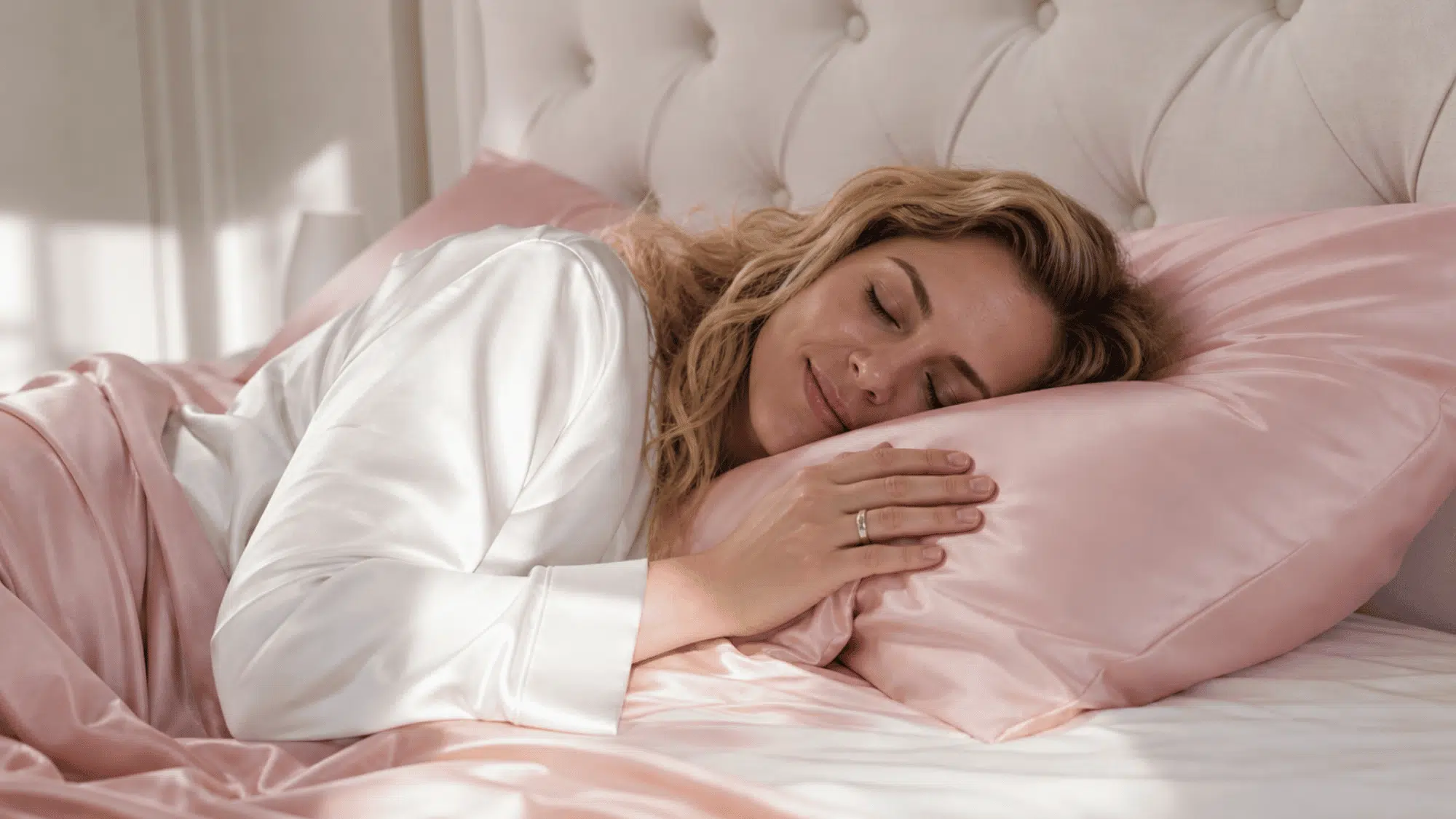
Silk may support healthier-looking hair and skin by reducing friction during sleep, helping limit common overnight beauty concerns naturally.
Reduces Hair Friction and Breakage
Silk creates a smoother sleeping surface that allows hair to glide with less pulling during normal movement.
Reduced rubbing may help limit knots, tangles, and breakage caused by repeated contact with the pillow. This can be especially helpful for dry, fine, color-treated, or damaged hair, according to AAD.
It is important to remember that less breakage does not mean less hair loss from the scalp, since many other factors affect shedding.
This claim is generally supported, though it does not prevent hair loss.
Helps Preserve Curls and Hairstyles
Curls, waves, braids, and blowouts can lose their shape after moving against rough fabric overnight.
Silk may help styles stay neater by reducing unnecessary movement and pulling during sleep. Many people use a silk pillowcase to help maintain styled hair between wash days.
It still works best alongside regular conditioning, careful styling, and good hair care habits for lasting results and healthier-looking strands.
This claim is realistic, though the effect differs from person to person.
May Leave Fewer Temporary SleepLines
Many people wake up with facial marks caused by pressure from the pillow during sleep.
Silk may reduce some of that pressure by allowing the skin to move more easily across the fabric. Temporary sleep lines often fade after getting up, unlike permanent wrinkles.
Age, sun exposure, facial expressions, genetics, and daily skin care habits continue to have a much greater effect on lasting skin changes.
This claim is supported for temporary creases, not permanent wrinkles.
May Help Skin Keep More Moisture
Silk may absorb less moisture and skin care products than many cotton pillowcases, allowing more product to stay on the skin overnight.
This does not mean silk adds moisture or treats dry skin. Regular moisturizing, gentle cleansing, and suitable skin care products remain far more important for healthy skin.
Climate, indoor air, and individual skin type also influence how hydrated skin feels each morning.
This claim is partly supported, but silk does not hydrate the skin itself.
May Feel Better for Sensitive Skin
People with easily irritated skin may prefer silk because its surface creates less rubbing during sleep.
Reduced friction can make the pillow feel more comfortable against the face throughout the night. Silk is not a treatment for acne, eczema, rosacea, or other skin conditions.
Regular pillow care also includes knowing why pillows turn yellow over time. Keeping the pillowcase clean, using mild detergent, and following a suitable skin care routine remain equally important for overall skin health.
This claim is reasonable, but silk is not a treatment for skin conditions.
Silk Pillowcase vs Cotton: Key Differences
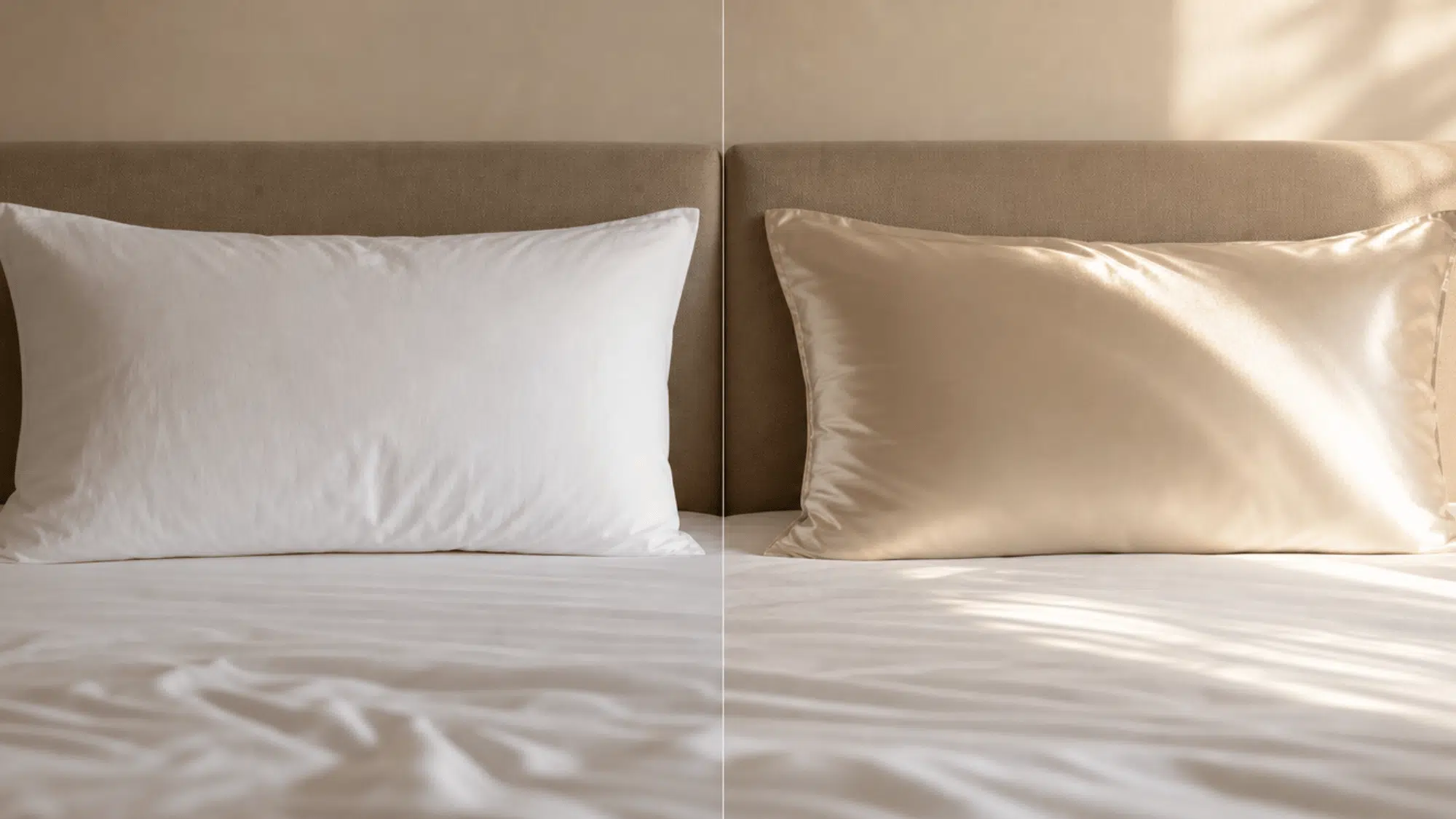
Your pillow also affects sleep quality, so choosing the right pillow for better sleep is just as important as selecting the right pillowcase.
The comparison below highlights the main differences between silk and cotton pillowcases, making it easier to choose the right option.
| Feature | Silk Pillowcase | Cotton Pillowcase |
|---|---|---|
| Texture | Smooth surface with less friction | Softer feel but more friction |
| Hair | Helps reduce frizz, tangles, and breakage | More rubbing may cause frizz and tangles |
| Skin | Helps retain natural moisture | Absorbs more moisture and skin care products |
| Sleep Lines | May leave fewer temporary creases | More likely to leave pillow marks |
| Care | Needs gentle washing and air drying | Easy to wash and maintain |
| Cost | Higher upfront cost | More budget-friendly |
How to Choose a Silk Pillowcase
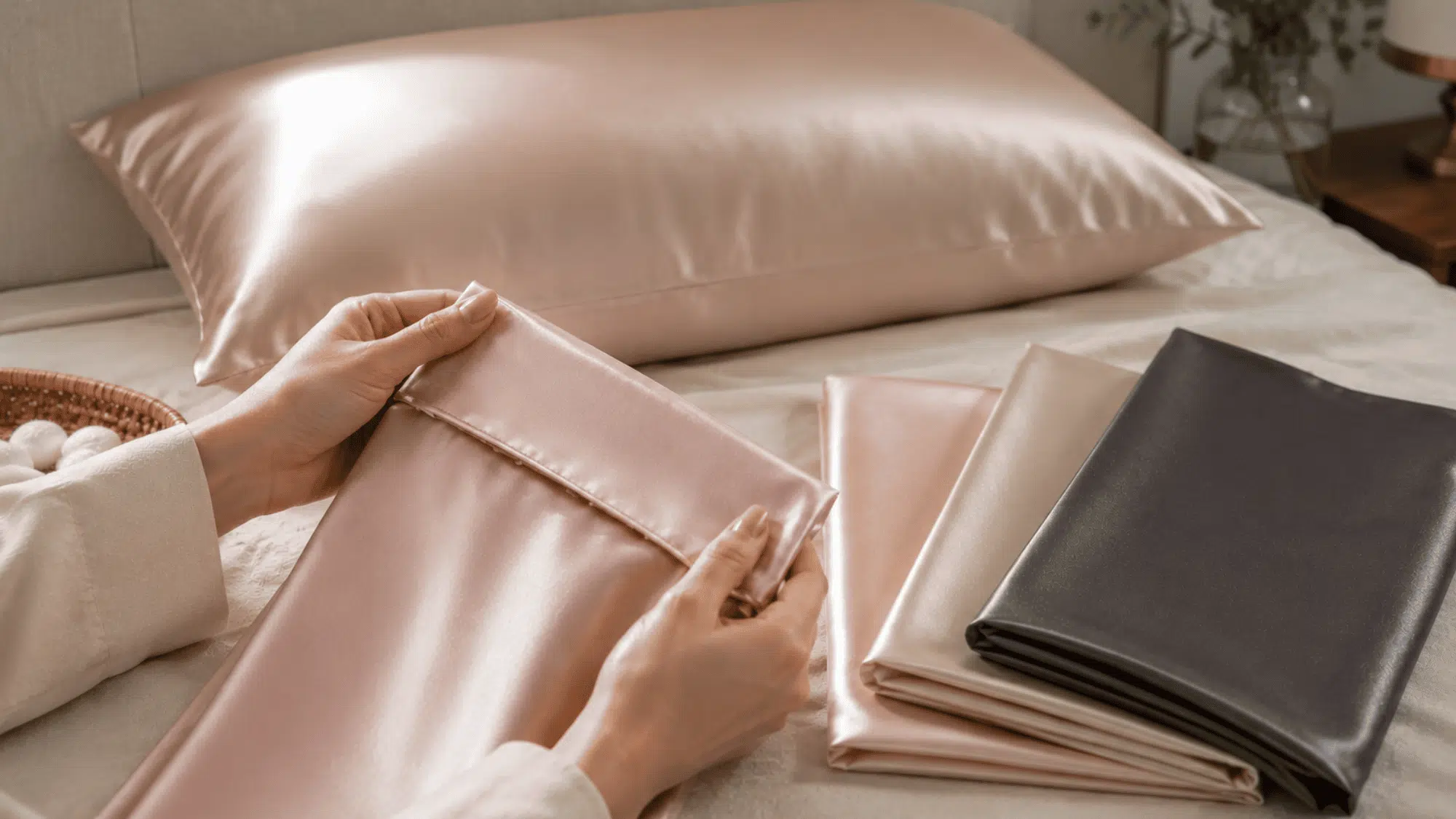
Choosing the right silk pillowcase starts with checking the fabric quality instead of focusing only on appearance.
Look for 100% mulberry silk, as it is commonly recognized for its smooth texture and durability. A momme weight between 19 and 25 provides a good balance of comfort and long-term use.
Check that the pillowcase has sturdy stitching and a secure zipper or envelope closure to keep the pillow in place.
Reading verified customer reviews can also help identify reliable options. Selecting a well-made pillowcase helps provide a comfortable sleeping surface that lasts longer.
Silk Pillowcase Myths
Many silk pillowcase claims are misunderstood. These common myths separate realistic expectations from marketing claims and unsupported promises.
| Myth | Fact |
|---|---|
| Silk pillowcases prevent wrinkles completely. | They may reduce temporary sleep lines but cannot stop wrinkles caused by aging or sun exposure. |
| Silk pillowcases stop hair loss. | They may reduce breakage from friction but do not prevent hair shedding linked to genetics or health conditions. |
| Silk pillowcases cure acne. | Silk is not an acne treatment, though a clean pillowcase may help support good skin hygiene. |
| Silk keeps skin hydrated overnight. | Silk may absorb less moisture than cotton but does not add moisture to the skin. |
Final Takeaway
There can be some advantages of using silk pillowcases; At the same time, having realistic expectations is important.
The smoothness of the fabric can make it possible to have less friction, allowing hair handling and elimination of temporary wrinkles due to sleeping.
On the other hand, silk pillowcases cannot fix issues such as hair loss, acne, and wrinkles. The best way to address these issues is to have a healthy lifestyle.
It is best to look for facts rather than relying on marketing when searching for a pillowcase that can work. Ever used a silk pillowcase? Share your opinion in the comments below.
Frequently Asked Questions
What are the Disadvantages of Silk Pillowcases?
The main disadvantages of silk pillowcases are their high cost, delicate care requirements, and slippery texture.
How Often Should You Replace a Silk Pillowcase?
You should change and wash your silk pillowcase every 3 to 7 days, depending on your skin type and personal hygiene habits.
Can You Wash a Silk Pillowcase in The Washing Machine?
Yes, you can machine-wash a silk pillowcase, provided you take a few gentle precautions.