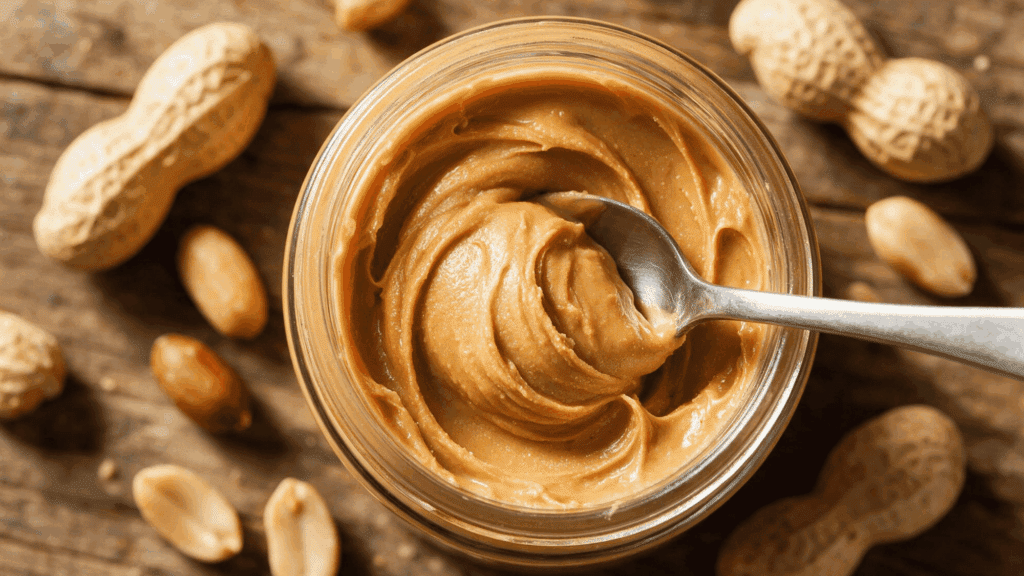
A spoonful of peanut butter before bed can seem like a simple way to settle nighttime hunger, but what happens afterward depends on more than the food itself.
Timing, portion size, what you eat alongside it, and even your usual eating habits can change how it fits into your night. Some people may find it convenient, while others may notice unexpected drawbacks.
You’ll also see how bedtime peanut butter can relate to sleep, digestion, blood sugar, and next-morning appetite, along with practical ways to choose and portion it.
Keep reading to see whether it fits your nighttime routine.
Is Peanut Butter Before Bed Good for Sleep?
Peanut butter can work well as a bedtime snack if you get hungry in the evening. A small serving can satisfy hunger without feeling like a full meal.
Peanuts contain tryptophan, an essential amino acid involved in producing serotonin and melatonin. These substances help support normal sleep-wake cycles, as explained by the NCCIH sleep guidance.
Still, tryptophan doesn’t mean peanut butter directly makes you sleepy or treats insomnia. Your response may also depend on portion size, what else you eat before bed, and how late you eat.
Research on peanut butter specifically as a sleep aid is limited. Its main benefit may simply be providing a filling snack that eases hunger without requiring a heavy meal before bed.
Peanut Butter Before Bed Benefits and Drawbacks
Peanut butter can be a convenient nighttime option, but whether it works well depends on your dietary needs, tolerance, and the specific product you choose.
Benefits | Drawbacks |
|---|---|
Provides protein | Can add calories quickly |
Contains healthy fats | May worsen acid reflux |
Provides tryptophan | Not proven to improve sleep |
Can feel satisfying | May cause digestive discomfort |
Pairs well with fruit | Unsafe for peanut allergies |
May slow carbohydrate digestion | Not suitable for treating hypoglycemia |
Easy to portion and prepare | Added sugar varies by product |
How Peanut Butter Before Bed May Affect The Body
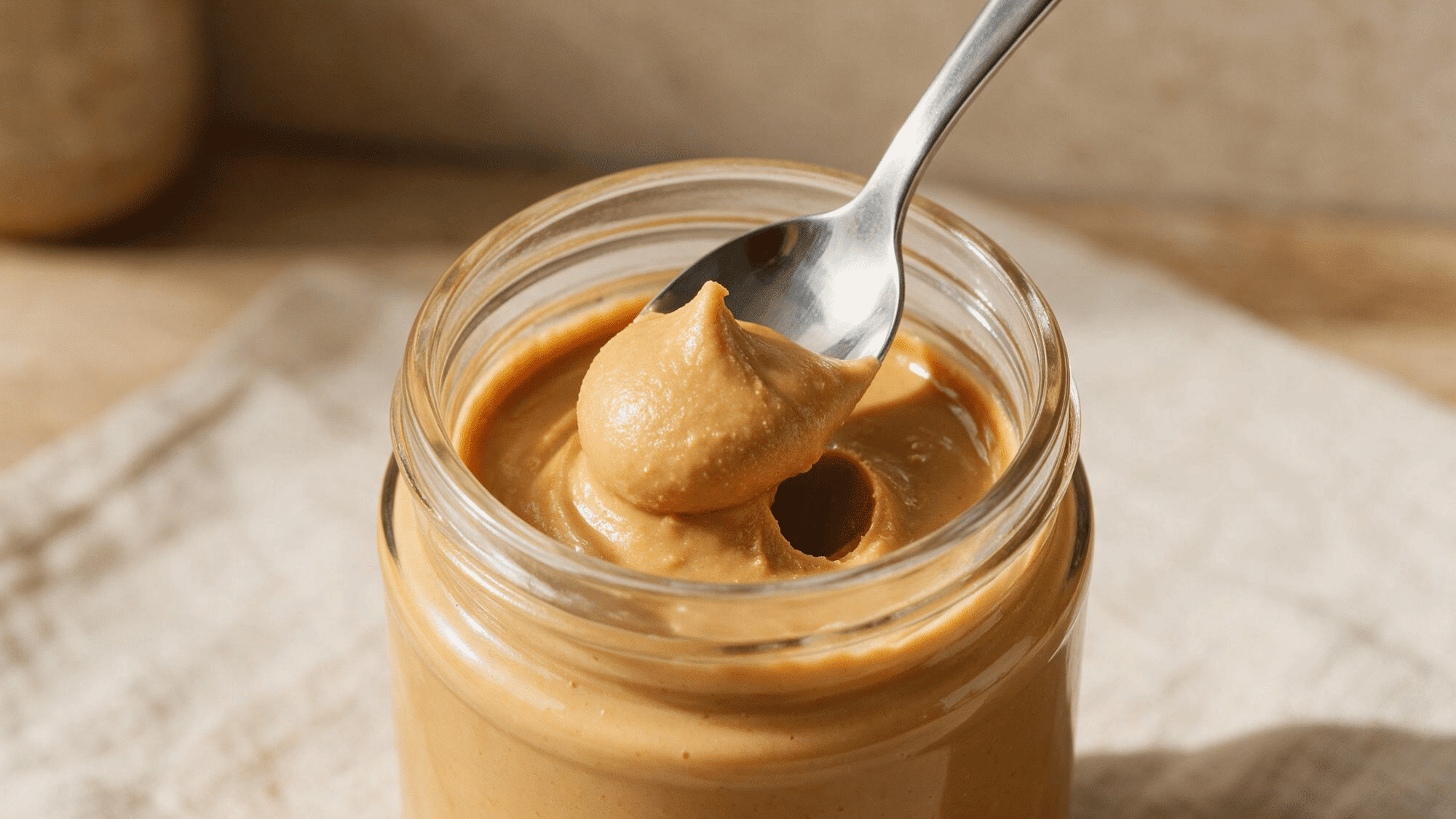
Alt text: Peanut butter in a glass jar with a spoonful on top
Other than sleep, eating peanut butter as a bedtime snack can affect fullness, blood sugar, and digestion, with portion size and timing influencing how you respond.
1. Effects on Satiety
Peanut butter provides protein and fat, two nutrients that can make a snack feel more satisfying and help reduce hunger for long periods.
Portion size matters because satiety signals can lag behind intake by 15-20 minutes, so eating slowly gives a more accurate sense of how much you actually need.
Stopping at the point of mild satisfaction, rather than eating until the jar feels finished, tends to work better for settling down comfortably.
2. Effects on Blood Sugar
The protein and healthy fats in peanut butter digest slowly, which may help prevent blood sugar dips that can trigger cortisol spikes and disturb sleep.
Because peanut butter contains little carbohydrate, it generally has a smaller immediate effect on blood glucose. However, its fat and protein can slow carbohydrate absorption when eaten with high-glycemic foods.
Responses vary, especially for people with diabetes, so peanut butter should not be used to treat low blood sugar. Fast-acting carbohydrates are more appropriate when blood glucose needs to rise quickly.
3. Effects on Nighttime Digestion
Nighttime digestion can vary depending on portion size, meal timing, and individual sensitivity. A small amount of peanut butter may feel homely and satisfying for many people.
Fat takes longer to digest than other macronutrients, so a larger serving keeps the stomach working later into the night than a smaller one.
People with acid reflux may also notice more discomfort when eating it close to bedtime, particularly if they lie down soon after finishing the snack.
4. Effects on Morning Appetite
Peanut butter before bed may affect how hungry you feel the next morning, especially if you tend to experience late-night hunger or eat a lighter dinner.
A larger serving may leave you less hungry at breakfast, while a smaller portion may have little noticeable effect on your appetite.
Your response can also depend on dinner size, activity level, metabolism, and usual eating patterns. Consider morning hunger alongside your overall daily nutrition and eating needs.
Who Should Be Careful With Peanut Butter as a Bedtime Snack?
Certain people may need extra caution because allergies, reflux, blood sugar concerns, or digestive sensitivity can affect how suitable peanut butter is at night.
1. People With Acid Reflux: Its fat content may worsen heartburn, especially when eaten close to lying down.
2. People With Diabetes: Bedtime snacks may need to fit individual glucose levels, medications, and meal timing.
3. People With Sensitive Digestion: Larger servings may cause bloating, heaviness, or stomach discomfort.
4. People Managing Calorie Intake: Peanut butter is calorie-dense, so portions can add up quickly.
5. People Prone to Nighttime Fullness: Eating too much before bed may make sleep less comfortable.
How Much Peanut Butter as a Bedtime Snack is Reasonable?
A small serving of peanut butter is usually better before bed than a large portion. For many people, one tablespoon is enough to take the edge off nighttime hunger.
Some people may prefer up to two tablespoons, depending on their appetite and everyday energy needs. There’s no proven bedtime serving that improves sleep, so more isn’t necessarily better.
When choosing peanut butter, look for options with little added sugar and avoid varieties made with hydrogenated oils. A simpler ingredient list is usually the easier choice.
The right amount should leave you satisfied without making you feel heavy or causing digestive discomfort. Measuring it with a spoon or tablespoon can also help keep your serving consistent each night.
Does Peanut Butter Before Bed Help With Weight Loss?
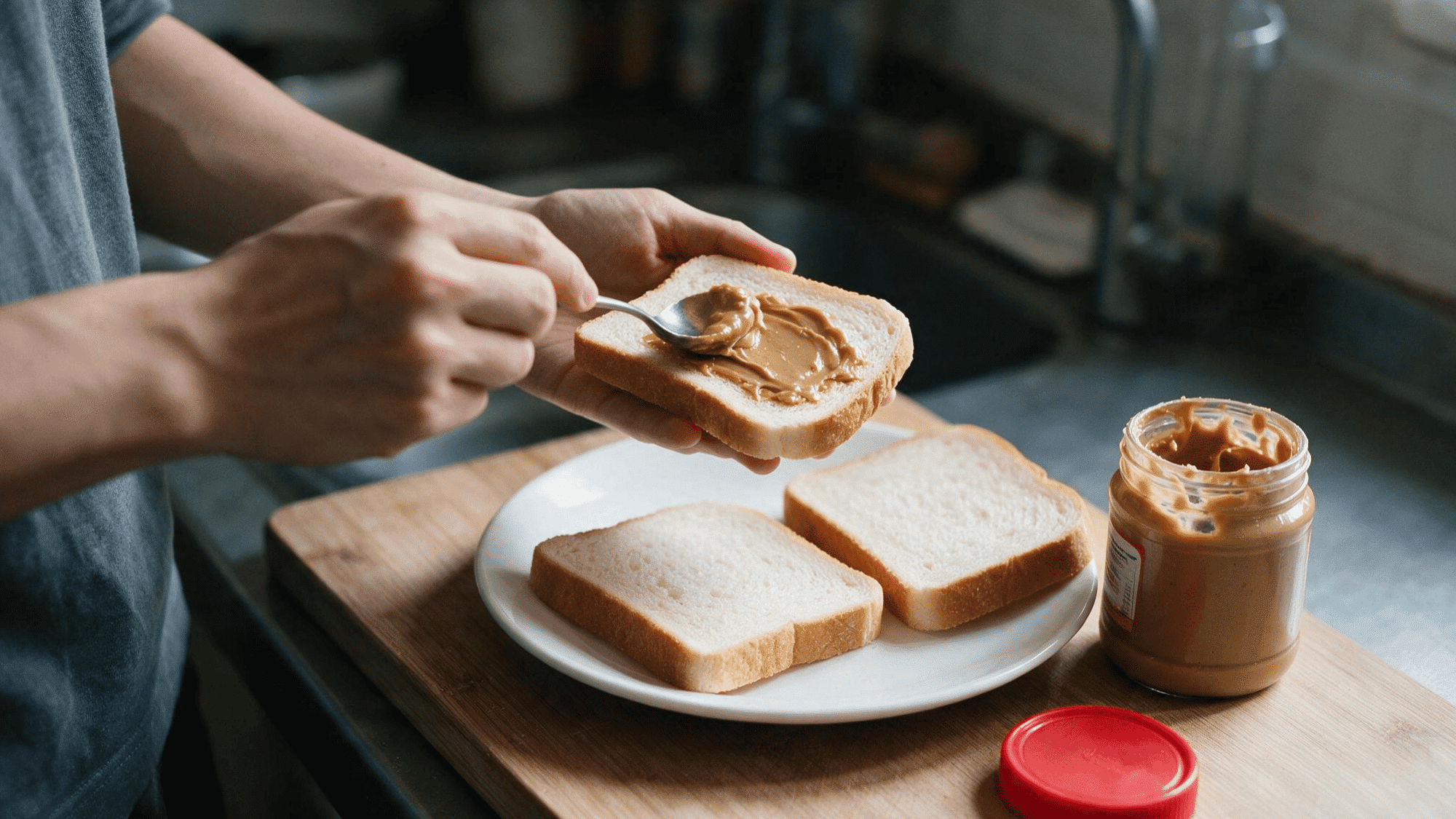
Alt text: Person spreading peanut butter on a slice of bread with a spoon beside an open jar.
Peanut butter as a bedtime snack does not directly cause weight loss or increase fat burning during sleep. Its main benefit is that the protein and fat can help you feel full and may reduce the urge to keep snacking.
The bigger issue is whether you’re adding it after a full dinner. If you’re already satisfied but eat peanut butter anyway, those extra calories can push your daily intake higher.
It makes more sense when it replaces something else you would normally reach for when you’re hungry. That way, you’re using it to manage hunger rather than simply adding another snack to your day.
Long-term weight management depends much more on your overall calorie intake, food choices, activity, sleep, and portion sizes. One specific bedtime snack won’t make or break your progress.
Nutritional Value of Peanut Butter
Peanut butter provides a mix of protein, fats, carbohydrates, fiber, and several vitamins and minerals in a relatively small serving. Values can vary by brand, added sugar, salt, and oil content.
Nutrient | Approximate Amount per 2 Tablespoons |
|---|---|
Calories | 190 kcal |
Protein | 7 g |
Total Fat | 16 g |
Carbohydrates | 7 g |
Fiber | 2 g |
Sugars | 3 g |
Magnesium | 50 mg |
Potassium | 180 mg |
Best Ways to Eat Peanut Butter as a Bedtime Snack
Simple pairings can make peanut butter more satisfying at night while keeping the snack balanced, light, and easier to digest comfortably.
- With Banana Slices: Adds natural sweetness and carbohydrates without making the snack too heavy.
- With Apple Slices: Provides crunch, fiber, and a lighter alternative to sugary desserts.
- On Whole-Grain Toast: Combines carbohydrates with protein and fat for better fullness.
- With Plain Oatmeal: Creates a warm filling option suitable for mild evening hunger.
- With Whole-Grain Crackers: Offers a simple portion-controlled snack that is easy to prepare.
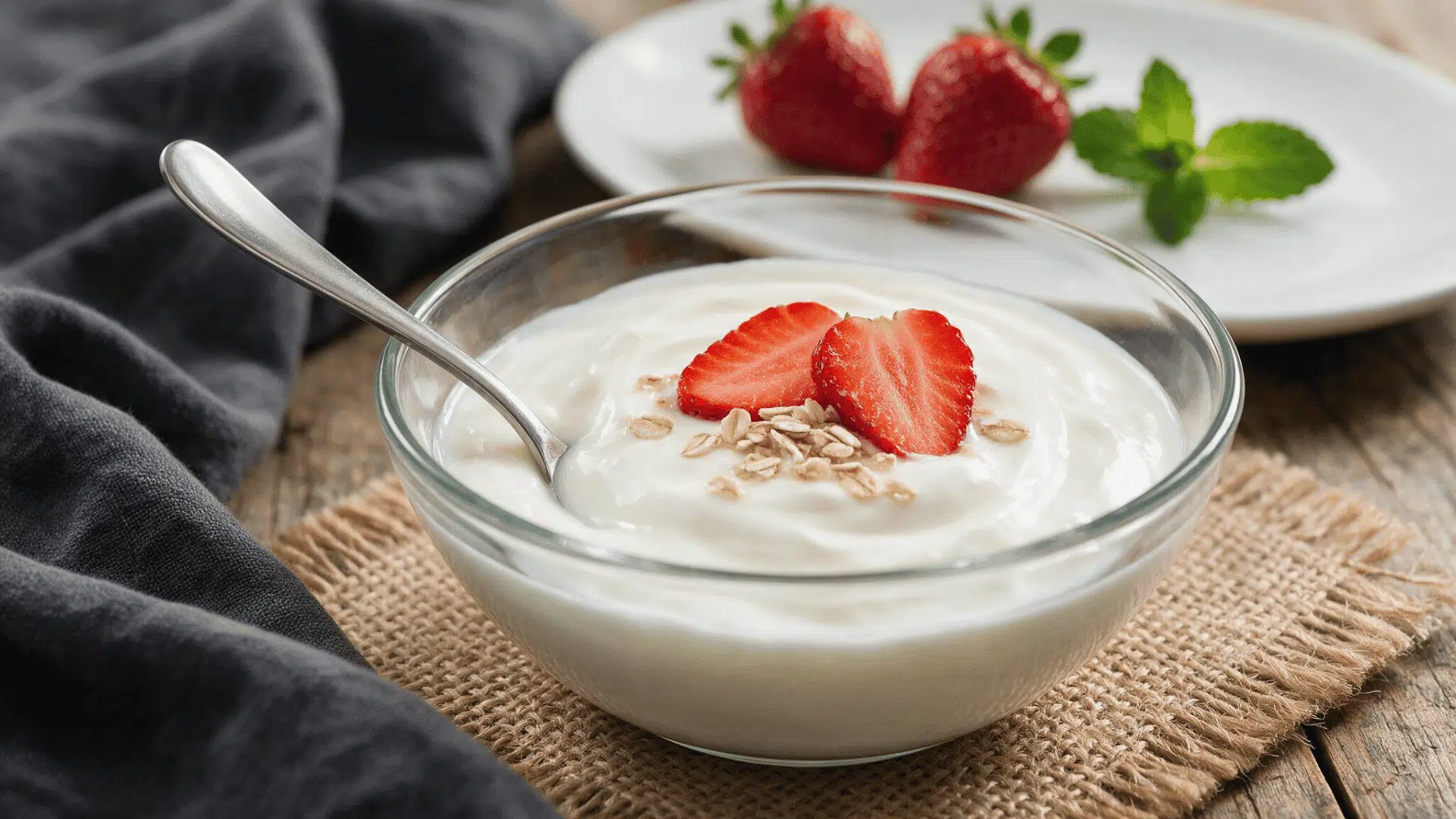
- With Plain Greek Yogurt: Adds extra protein and creates a creamy filling bedtime snack.
- With a Rice Cake: Keeps the snack light while adding crunch and a modest amount of carbohydrates.
Final Thoughts
Peanut butter before bed can be a practical choice when nighttime hunger is real, as long as the serving stays moderate. Its protein and fat can support fullness, but individual comfort should still guide the decision.
People with reflux, peanut allergies, or blood sugar concerns may need extra care regardless of portion size
The most suitable approach usually depends on digestion and overall eating habits. A bedtime snack should satisfy hunger without causing unnecessary discomfort or becoming a daily habit for no reason.
Have you tried Peanut butter as a bedtime snack? Share your experience and personal bedtime routine in the comments.
Frequently Asked Questions
Can Peanut Butter Cause Thirst at Night?
Peanut butter with higher sodium levels may increase thirst for some people, especially when eaten in larger portions.
Is Natural Peanut Butter Better at Night?
Different peanut butter varieties can contain varying amounts of added sugar, salt, and oils. Checking the ingredient list helps you choose one that fits your usual eating habits without overcomplicating your snack.
Does Peanut Butter Need to Be Refrigerated?
Most commercial peanut butter can be stored at room temperature after opening, while natural varieties may require refrigeration depending on the label. Follow the storage instructions on the jar.