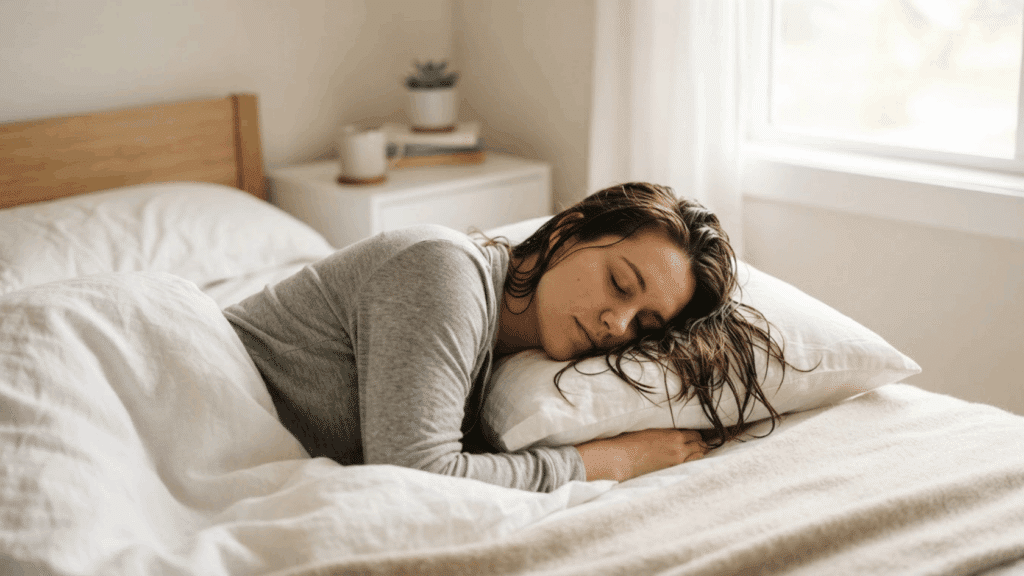
Sleeping with wet hair may seem harmless, especially after a late-night shower, but repeated overnight moisture can affect both the hair and scalp.
Wet strands are more vulnerable to stretching, friction, and breakage, while prolonged scalp moisture may contribute to irritation or discomfort.
However, the common claim that wet hair directly causes colds or serious illness is misleading. Hair type, existing damage, and how often the habit occurs can also influence the potential effects.
This blog explains what happens when a person sleeps with wet or damp hair, the possible effects on hair and scalp health, and practical ways to reduce damage.
Is it Bad to Sleep With Wet Hair?
Sleeping with wet hair won’t cause a disease or make you seriously ill. That’s mostly a myth passed down from parents and grandparents.
But it isn’t harmless either. Wet hair is more fragile than dry hair, and it stretches more easily before it snaps.
Add a full night of tossing and turning on a pillow, and that friction adds up fast. Over time, this can mean more breakage, split ends, and frizz.
A damp scalp for hours also creates a warm, moist environment. That’s exactly where fungus and bacteria like to grow.
So here’s the real answer: sleeping with wet hair once in a while won’t ruin it. Doing it constantly is where the risk builds.
How Sleeping With Wet Hair Affects Your Hair and Scalp
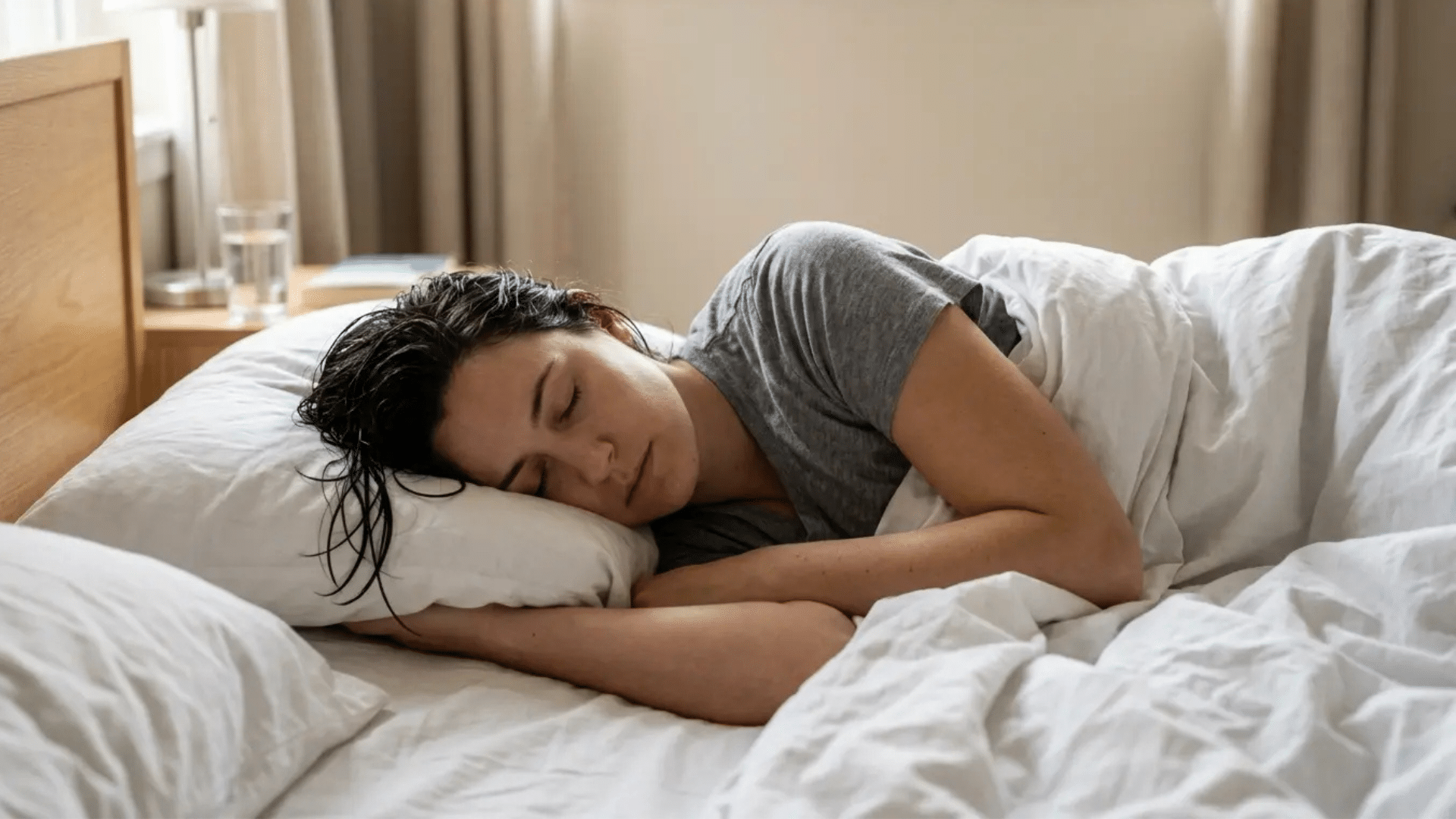
Sleeping with wet hair can affect your hair and scalp, depending on your hair type and habits. Knowing the real effects helps separate myths from facts and shows how simple changes can make a difference.
Why Wet Hair is Weaker Than Dry Hair
Wet hair is much more fragile than dry hair because water temporarily weakens its internal structure, making it more prone to damage.
- Water Weakens The Hair: Wet hair becomes more elastic as hydrogen bonds in keratin temporarily loosen, making strands more prone to stretching and snapping.
- Treated Hair is at Greater Risk: Colored, bleached, permed, or relaxed hair has a weaker structure, so it’s even more vulnerable to breakage when wet.
- Friction Causes Damage: Tossing and turning on a cotton pillowcase creates friction that can lead to breakage, split ends, frizz, and rough-looking hair over time.
The Scalp Risks: Dandruff, Fungus, and Irritation
Sleeping with wet hair doesn’t just affect your strands. The moisture can also create an environment that increases the risk of scalp problems over time.
- Dandruff: A warm, damp scalp can encourage the overgrowth of Malassezia, the yeast associated with dandruff, leading to flakes and itching.
- Fungus: Moisture trapped against the scalp for hours may promote fungal growth, particularly when combined with damp pillowcases that retain moisture and microbes.
- Irritation: Prolonged dampness can cause redness, itching, and discomfort, and may worsen existing scalp conditions such as seborrheic dermatitis or scalp sensitivity.
Can Wet Hair Actually Make You Sick?
Sleeping with wet hair won’t give you a cold, but it can affect your hair and scalp in other ways.
- Colds are Caused by Viruses: Wet or cold hair doesn’t cause colds or weaken your immune system.
- The Real Concern is Scalp Health: Prolonged dampness can contribute to scalp irritation and discomfort.
- Hair Damage is The Bigger Risk: Going to bed with wet hair is more likely to lead to breakage, frizz, and scalp issues than illness.
What People Say About Sleeping With Wet Hair
Many people shower before bed for convenience, but Reddit discussions show that many have noticed changes in their hair or scalp after making it a regular habit. While experiences vary, many users recommend reducing moisture before sleeping and minimizing friction overnight.
“My scalp hates me for this.” Reddit
The original poster explains that postpartum life often leaves bedtime as the only chance to shower, but sleeping with wet hair keeps it damp until morning and causes noticeable scalp discomfort.
“Wet hair’s not only fragile but it encourages mold growth and fungus.” Reddit
Several commenters discussed how wet hair is more likely to break overnight and recommended towel-drying or partially drying it before bed to reduce breakage and scalp issues.
“The bigger issue is brushing or otherwise manipulating/moving the hair while it’s wet. Wet hair is fragile and stretches and snaps easily.” Reddit
This discussion focuses on practical solutions, with many users suggesting blow-drying on a cool setting, using heat protectant, or allowing hair to partially air-dry before sleeping to minimize overnight damage.
What Happens When Sleeping With Damp Hair?
Sleeping with slightly damp hair is generally less concerning than going to bed with soaking-wet hair because less moisture remains in the strands and against the scalp.
However, damp hair is still more vulnerable to stretching, tangling, and friction than fully dry hair. Allowing hair to dry as much as possible before bed and keeping it loose can help reduce these effects.
Regular movement against a pillow can contribute to frizz or breakage, particularly when the hair is already damaged or chemically treated.
Occasional nights with damp hair are unlikely to cause significant damage, but fully drying the hair remains the gentler option.
How to Sleep With Wet Hair Without Damaging It
When going to bed with wet hair is unavoidable, reducing moisture and friction can help limit breakage, tangling, and frizz overnight.
- Reduce Pillow Friction: A smooth satin or silk pillowcase creates less friction as hair moves during sleep.
- Remove Excess Water First: Gently blot hair with a microfiber towel or soft cotton T-shirt instead of rubbing vigorously.
- Allow Partial Drying: Letting the hair become damp rather than soaking wet reduces the amount of moisture left overnight.
- Keep Hairstyles Loose: A loose braid may help reduce tangling for longer hair, while tight braids, ponytails, and buns can place unnecessary tension on wet strands.
- Handle Wet Hair Gently: Avoid excessive brushing, pulling, or styling, as wet strands are more vulnerable to mechanical damage.
- Keep Bedding Dry: Allow damp pillowcases and bedding to dry completely, and wash them regularly, especially when sleeping with wet hair.
Building a Better Nighttime Hair Routine
Protecting your hair at night doesn’t have to stop at damage control. Once you’ve got the basics down, a few small upgrades go a long way.
A cool-shot setting on your blow dryer can remove excess moisture in minutes without full-heat styling. It’s a middle ground between air-drying and a full blowout.
Investing in a satin or silk pillowcase pays off beyond wet hair nights. It reduces friction for dry hair too, which means less frizz overall.
Over time, many people shift from reactive fixes, such as braiding damp hair, to preventive habits, such as showering earlier in the evening. That small scheduling change alone can solve most of the risk.
Conclusion
Sleeping with wet hair is unlikely to make you sick, but doing it regularly can affect both your hair and scalp over time.
Extra moisture, combined with overnight friction, may increase the chances of breakage, frizz, and scalp irritation.
Fortunately, you don’t have to stop showering at night to reduce these risks. Letting your hair dry until slightly damp, using a microfiber towel, choosing a satin pillowcase, and handling wet hair gently can all help keep it healthier.
Small changes often make a noticeable difference over time. If you found this explanation useful, share it with others and leave a comment with your own experience or favorite tip.
Frequently Asked Questions
Can Sleeping With Wet Hair Cause Headaches?
There is no strong evidence that sleeping with wet hair directly causes headaches. However, some people may find the cold or damp sensation uncomfortable while sleeping.
Does Hair Type Affect the Risk of Sleeping With Wet Hair?
Yes. Fine, curly, chemically treated, or already damaged hair may respond differently to overnight moisture and friction. Hair that is more prone to breakage may require gentler handling.
How Often Should Pillowcases Be Changed When Sleeping With Damp Hair?
Pillowcases should be changed regularly, especially if they frequently become damp overnight. Keeping bedding clean and completely dry between uses can help maintain a cleaner sleeping surface.