
Getting comfortable at night with a chemo port can be tricky, especially in the first few weeks after placement.
The area is sore, and finding a position that does not press against the site takes some trial and error.
The port itself is stitched under your skin and built to handle normal movement. It will not shift or break while you sleep.
How to sleep with a chemo port mostly comes down to your position, a few well-placed pillows, and the right sleepwear. Read on for the positions, tips, and pain relief options that actually help.
Best Sleeping Positions After Port Placement
Most ports sit on the upper chest, just below the collarbone, so any position that puts weight on that area will cause soreness while the incision heals.
Back sleeping is the safest option because your body weight stays completely off the port site.
If you prefer your side, sleep on the side where the port is not placed and hug a pillow against your chest for support.
Tuck a firm pillow behind your back to stop yourself from rolling over.
Avoid sleeping on your stomach, sleeping on your port side, and raising your arms above your head, as all three put pressure or strain on the site.
How to Set Up Your Pillows for Port Comfort
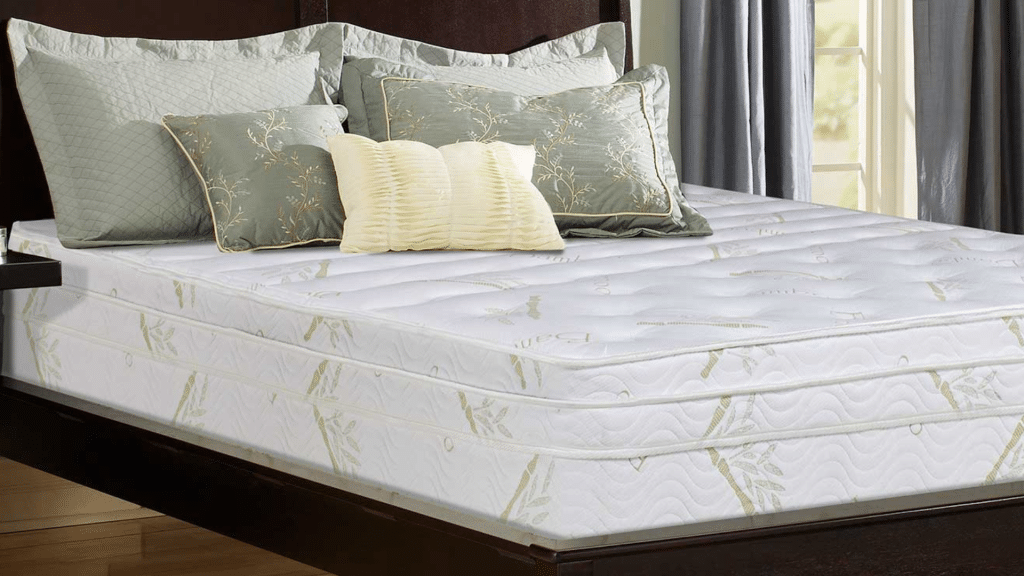
Pillow placement can solve most of the tossing and turning that happens in those early weeks.
- Body Pillow Behind Your Back: If you are a natural side sleeper, this keeps you from rolling over without thinking about it.
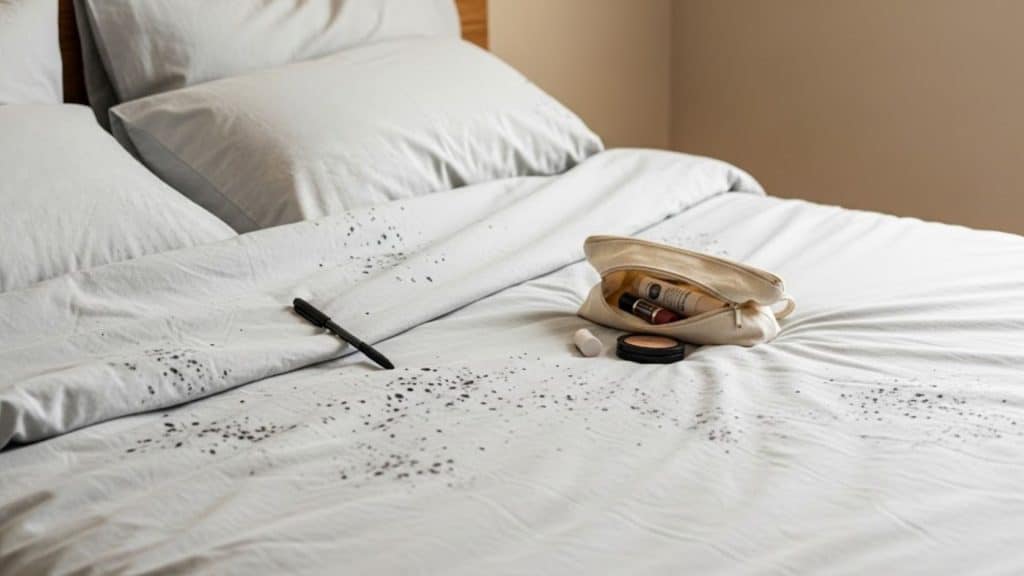
- Small Folded Towel or Soft Cloth near the Port: Place it over or beside the raised area to create a cushion between your skin and the sheets.
- Wedge Pillow Under Your Upper Body: This is helpful when lying flat causes tightness or when acid reflux from treatment worsens sleep.
- Pillow Between Your Knees: Reduces hip strain and keeps your spine in a neutral position, which means less shifting at night.
There are also port cushion pads made for people in treatment. They strap on or sit against the chest, reducing direct contact with seatbelts, bedsheets and clothing seams.
Pillow Support for Back and Side Sleepers
Pillows can hold your body in place without touching the port. They do not need to be special medical products, and common bed pillows often work well.
| Pillow placement | Purpose | Helpful for |
|---|---|---|
| Beneath the knees | Reduces strain from lying flat | Back sleepers |
| Behind the back | Limits rolling toward the port | Side sleepers |
| Under the forearm | Supports the port-side shoulder | Back or side sleepers |
| Along the port side | Creates a soft boundary | Restless sleepers |
| Beneath the upper body | Makes lying flat easier | Early tenderness |
Keep every pillow clear of a fresh incision and dressing. If extra support causes pressure, heat, numbness or more pain, remove it and reset the bed with fewer items.
A Simple First-Night Bed Setup

The first night often takes more planning than later nights. Set up the room while you still have energy, and keep the care team’s after-hours number within reach.
- Check incision and dressing as directed, then place prescribed medicine and water near the bedside table.
- Choose a loose shirt without thick seams, buttons, or tight straps covering the port site for comfort.
- Place pillows beneath your head and knees to support body alignment and reduce pressure discomfort.
- Add a body pillow along the port side or behind your back; support your forearm on a small pillow comfortably.
- Lie on your back first and check for pressure near the incision before carefully adjusting your position.
- Move to the opposite side only if the back position remains uncomfortable.
Take pain medicine only as prescribed or approved by the oncology team. If the setup still leaves you unable to rest, call the team for advice instead of taking medication or pressing a bandage against the wound.
Easing Port Pain and Pressure at Night
Mild soreness can make it difficult to fall asleep during the first few days. The right clothing, arm position, and pain plan may reduce rubbing and pulling.
- Choose a lightweight shirt that hangs away from the port, and check seams, straps and neckline, since clothing shifts during sleep may irritate the incision area.
- Use a nighttime bra only if approved by your care team, ensure it avoids the wound, and never tape clothing without clinician permission beforehand.
- Use only prescribed pain medicine from discharge instructions and consult your care team before adding over-the-counter drugs due to interaction risks.
- Pain should improve during healing, but any worsening, sudden return or swelling requires prompt contact with the care team for evaluation and guidance.
- Loose clothing reduces sheet contact and a small pillow can create a soft boundary; avoid rough fabrics and heavy blankets pressing on the upper chest and make one adjustment at a time to identify what helps, since too many pillows may twist the shoulder or make it harder to get out of bed.
Sleeping With a New, Healed, or Accessed Port
Sleep comfort depends on the stage of your port care. A fresh incision, a fully healed site or an accessed port with tubing all require different positioning.
A Newly Placed Port
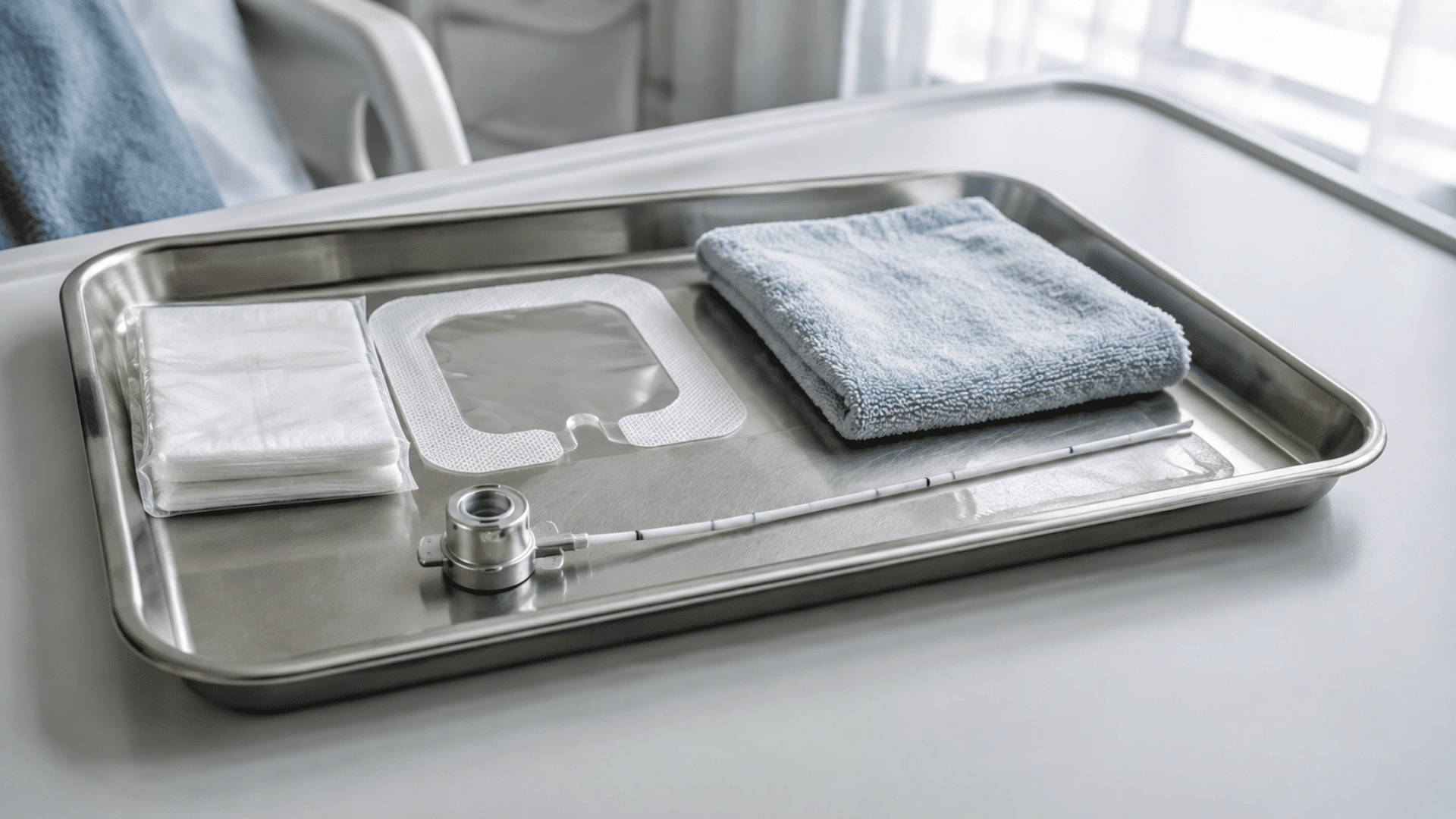
In the first few days after placement, mild soreness, swelling, and bruising are common.
Follow all post-procedure instructions from your care provider, including guidance on dressings, bathing, and activity limits.
Avoid pressure, friction, or touching the incision. Do not remove any coverings early. Contact your medical team if pain increases, bleeding occurs or the wound changes.
A Healed Port
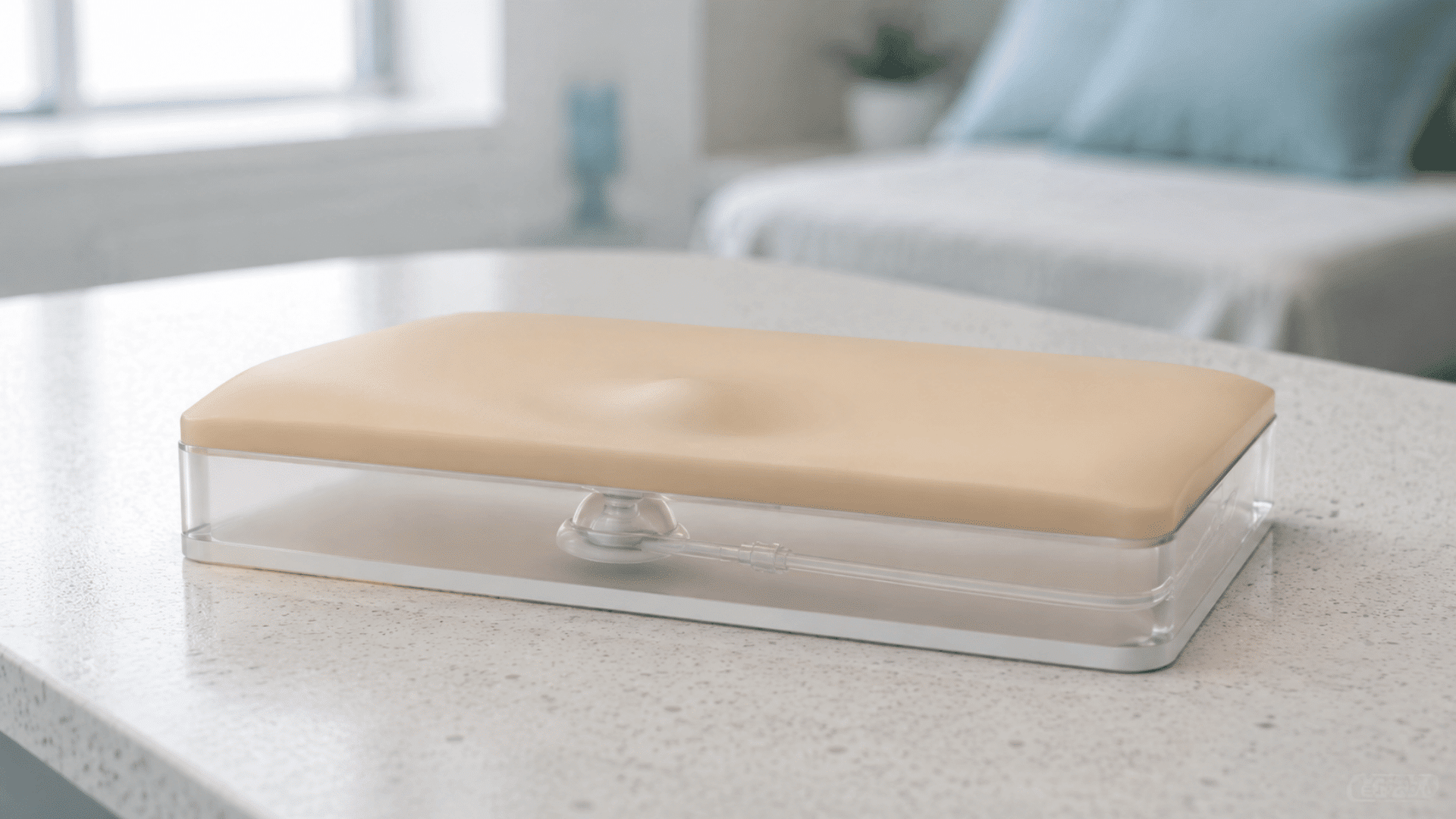
Once fully healed, the port sits safely under the skin and usually allows more normal movement and sleep positions.
Many people return to their preferred sleeping posture if there is no discomfort.
However, any new pain, swelling, or change in appearance should be evaluated, especially if the port feels different or shifts unexpectedly.
An Accessed Port or Chemo Pump
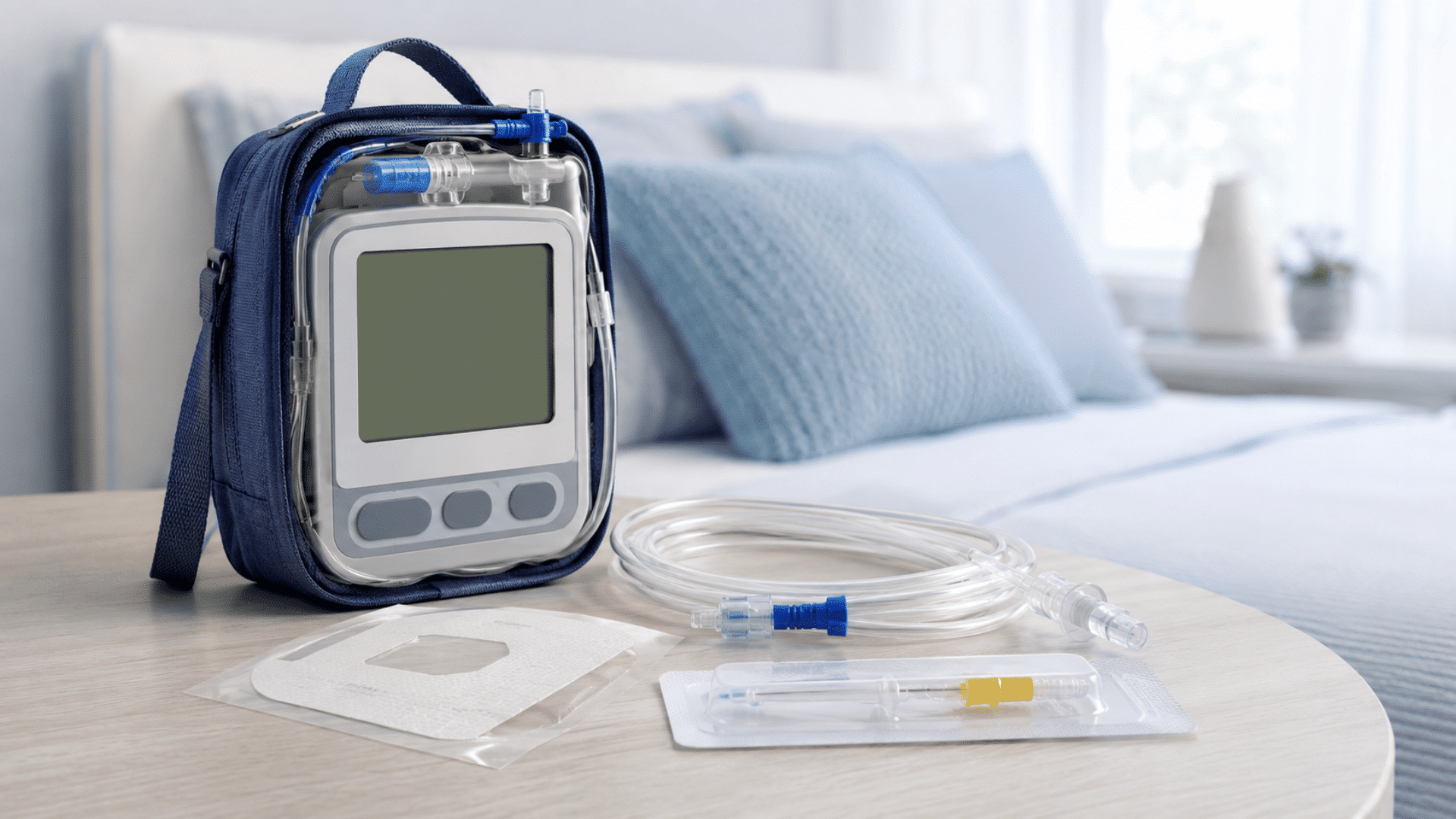
When a port is accessed, a needle, dressing, and tubing remain in place, requiring extra caution during sleep.
Keep the pump secured as instructed, and ensure the tubing stays untangled and away from pressure points such as the neck or bed edges.
Never adjust or disconnect equipment yourself. Report leaks, alarms, swelling, or dressing issues immediately to the infusion team.
Can Rolling Over Move the Port?
A common worry is that turning in bed will pull the device out. An implanted port is placed securely beneath the skin, and normal sleep movements are unlikely to cause it to fall out.
Rolling onto a fresh site can still cause pain or rub the incision. If you wake on the port side, move back slowly and look at the area as instructed.
Finding yourself in the wrong position once does not mean damage has occurred.
Call the care team if the port suddenly looks different, the skin over it changes, the area swells, or pain starts after a turn.
People with an accessed port should also check that the dressing and tubing remain secure.
Port Location Changes the Sleep Position
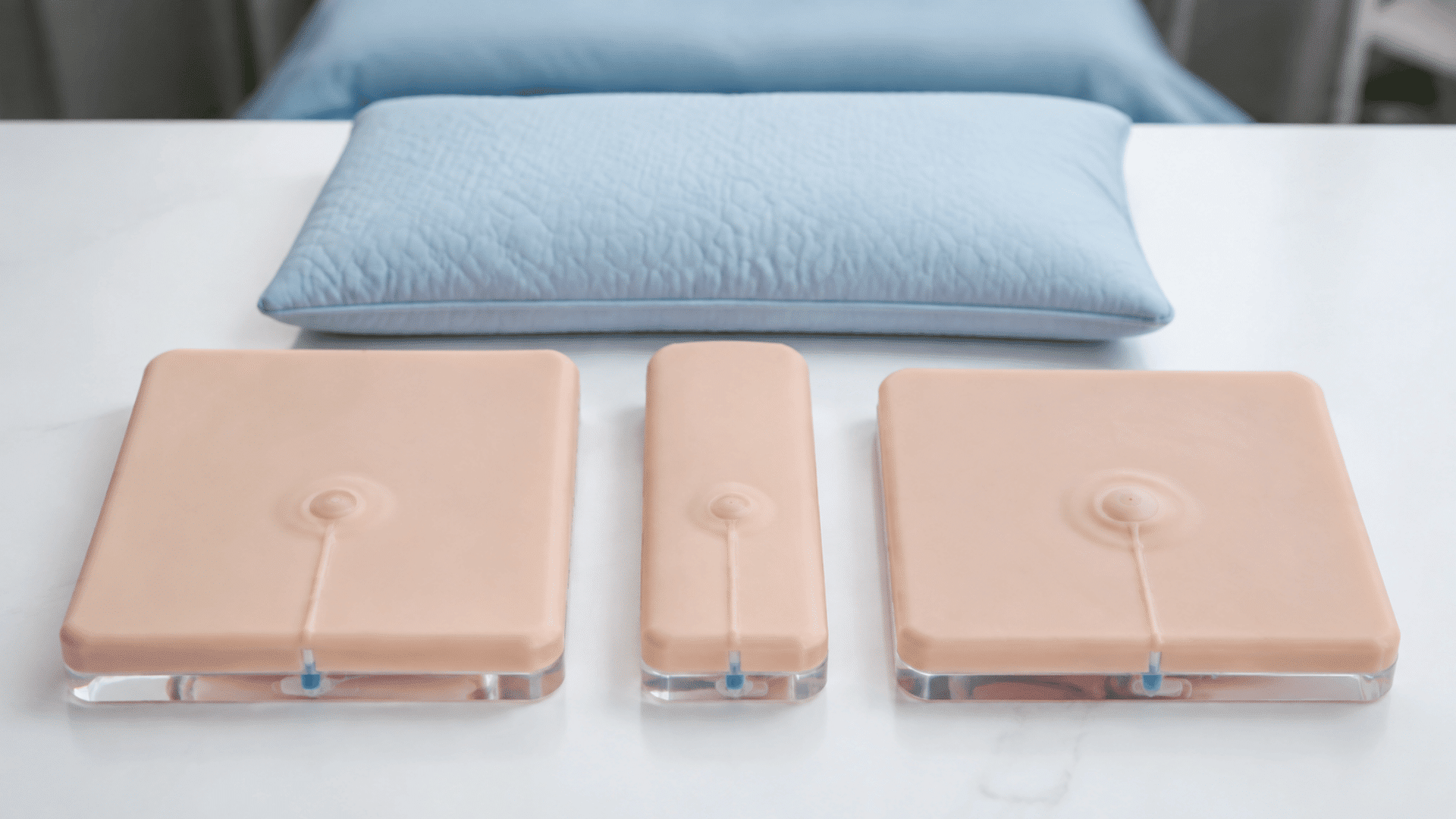
Most sleep advice refers to an upper-chest port. A port in the arm or abdomen may require a different position, so follow the placement team’s directions as the main guide.
Chest Port
Begin on your back or the opposite side. Support the nearby arm and keep straps, seams, and bedding from rubbing the upper chest.
Arm Port
Do not trap the port arm beneath your body. Rest the arm in a neutral position on a pillow if your clinician has approved that setup.
Report hand or arm swelling, color change, tingling, or new pain.
Abdominal Port
Back sleeping may keep weight away from the abdomen. A side position may also work if it does not stretch or compress the area.
Avoid sleeping on your stomach during healing unless the placement team says it is safe.
What to Wear to Bed With a Port
Your sleepwear matters more than you might expect. Tight fabric, stiff seams or straps that sit near the incision line can turn a decent position into an uncomfortable one.
- Choose soft cotton or modal shirts that are loose around the chest.
- Avoid buttons, zippers, or snaps that sit directly over the port area.
- Skip underwire bras. A soft bralette or a camisole with shelf support works better and will not dig into the site.
- Button-front tops are a good choice if your port is accessed frequently. They give medical staff easy access and keep you from pulling shirts over your head.
Experiences and Advice Shared by Other Patients
Real patient experiences show how sleep comfort often improves as soreness fades and people test positions that suit their bodies.
I was worried about this. I got my port about 4 weeks ago. At this point, it doesn’t bug me much when I sleep on that side. There are a few positions where I feel a tug but nothing crazy or painful.
One side sleeper on Reddit felt worried at first, then found the port caused minimal trouble four weeks after placement during sleep.
I found that sleeping on the couch really helped me. As I am top heavy and a side sleeper, the couch was soo much more comfortable sleeping at an incline.
Another patient on Reddit found an inclined couch useful because it supported side sleeping and reduced discomfort after port placement during recovery.
I dont sleep on my stomach but I do sleep on my side. It was uncomfortable at first during the healing process of getting the port put in my chest but I was able to get used to it after the sensitivity subsided.
A longtime side sleeper on Reddit felt uncomfortable while healing, then returned to side sleeping once the chest sensitivity had settled down.
What to Expect Over Time: Week by Week
The first one to two weeks are the hardest. The incision is fresh, bruising is common and even small shifts in bed can feel sharp.
By weeks three to six, swelling fades, and most people can start sleeping on the opposite side again with pillow support.
After two months, many patients say they barely notice the port at night and return to their usual positions.
A Memorial Sloan Kettering Cancer Center study found that implanted ports were safe and well tolerated during long-term cancer treatment.
When to Call Your Doctor About Port Discomfort
Mild soreness during the first couple of weeks is expected. But some signs indicate a need for medical attention.
- The skin around the port becomes redder, warmer or more swollen after the first few days, rather than less so.
- You notice fluid or discharge leaking from the incision.
- You develop a fever above 100.4°F (38°C).
- Pain worsens over time rather than improving.
- You feel numbness, tingling, or swelling in the arm on the same side as the port.
Wrapping Up
The first two weeks after port placement are the hardest for sleep, but your body adapts faster than you might expect.
Once the incision site calms down, most people settle into a nightly routine that works. Stick with sleeping on your back early on, and add a pillow barrier if you switch to your side later.
Loose sleepwear and a thin cloth over the port go a long way toward reducing irritation.
If soreness gets worse or you notice signs of infection, contact your oncology team right away. Have a tip that helped you sleep with a chemo port? Drop it in the comments.
Frequently Asked Questions
Is a Weighted Blanket Safe After Placement?
Keep heavy blankets away from a healing chest incision. Ask your care team before using one, especially if it presses across the site.
Can You Use Heat or Ice Before Bed?
Use cold or heat only when your placement team approves it. Protect the skin, limit exposure, and never place either over accessed tubing.
Should Pets Sleep Beside Me During Healing?
Keep pets from touching, licking, or stepping on the incision and tubing. A separate sleeping spot reduces the risk of accidental pressure and contamination.