
Weather plays a major role in the condition and longevity of every home. Throughout the year, properties are exposed to a variety of environmental factors, including heavy rain, strong winds, extreme temperatures, snow, and humidity. While these conditions are unavoidable, the damage they cause is often preventable with proper planning and regular maintenance. Even minor weather-related issues can develop into costly repairs when they are overlooked for extended periods.
Protecting a home from common weather challenges requires a proactive approach. Homeowners who routinely inspect their properties and address small concerns early are often better prepared to handle seasonal changes and unexpected weather events. From maintaining exterior surfaces to ensuring effective water management, simple preventative measures can significantly reduce the risk of damage. Understanding how different weather conditions affect a home is the first step toward preserving its safety, comfort, and long-term value.
Keep Your Roof and Gutters in Good Condition
Your roof and gutter system work together to direct water away from the home and protect its structural integrity. Because these components are constantly exposed to the elements, they require regular attention. Small issues such as missing shingles, cracked flashing, or clogged gutters can quickly escalate into larger problems if left unaddressed. Routine inspections help identify concerns before they become expensive repairs. However, when recurring leaks, widespread deterioration, or significant storm damage affect the roofing system, repairs may no longer provide a lasting solution. If you are looking for a company that offers roof replacement services, there are plenty of options available. Choosing experienced professionals can help ensure the new roofing system is installed correctly and provides dependable protection against future weather challenges.
In addition, gutters should be cleaned regularly to ensure proper water flow during periods of heavy rain. Leaves, branches, and debris can block drainage paths and cause water to overflow near the foundation. At the same time, homeowners should monitor their roofs for visible signs of wear, including loose materials or water stains inside the home. Addressing these warning signs promptly helps maintain the effectiveness of the entire drainage system. Whether through routine maintenance or larger upgrades when necessary, proactive care can extend the lifespan of these components while reducing the likelihood of weather-related damage.
Protect Your Home From Water Damage
Water damage is among the most frequent and expensive problems homeowners encounter. Even a small leak can gradually lead to structural issues, mold development, and damage to walls, ceilings, and other interior surfaces if it is not addressed in a timely manner. Regularly inspecting foundations, walls, windows, and plumbing connections can help detect moisture problems early. Quick action often prevents small concerns from developing into major restoration projects.
Proper drainage is equally important for protecting a home from excess moisture. The ground around the property should slope away from the foundation to direct water away from the structure. Downspouts should extend far enough to prevent pooling near the home’s base. Homeowners may also consider waterproofing measures in vulnerable areas such as basements or crawl spaces.
Strengthen Your Home Against Strong Winds and Storms
Strong winds and severe storms can affect multiple areas of a property, especially when preventive measures are not in place. Loose outdoor furniture, decorative items, and overgrown tree branches can become hazards during high winds. Securing these items before storm season helps reduce the risk of damage to windows, siding, and vehicles.
Homeowners should also inspect exterior features such as doors, fences, and garage doors regularly. Weak or damaged components may struggle to withstand intense weather conditions. Reinforcing vulnerable areas and addressing minor repairs early can improve a home’s ability to handle storms while minimizing potential repair costs afterward.
Prepare for Extreme Temperatures
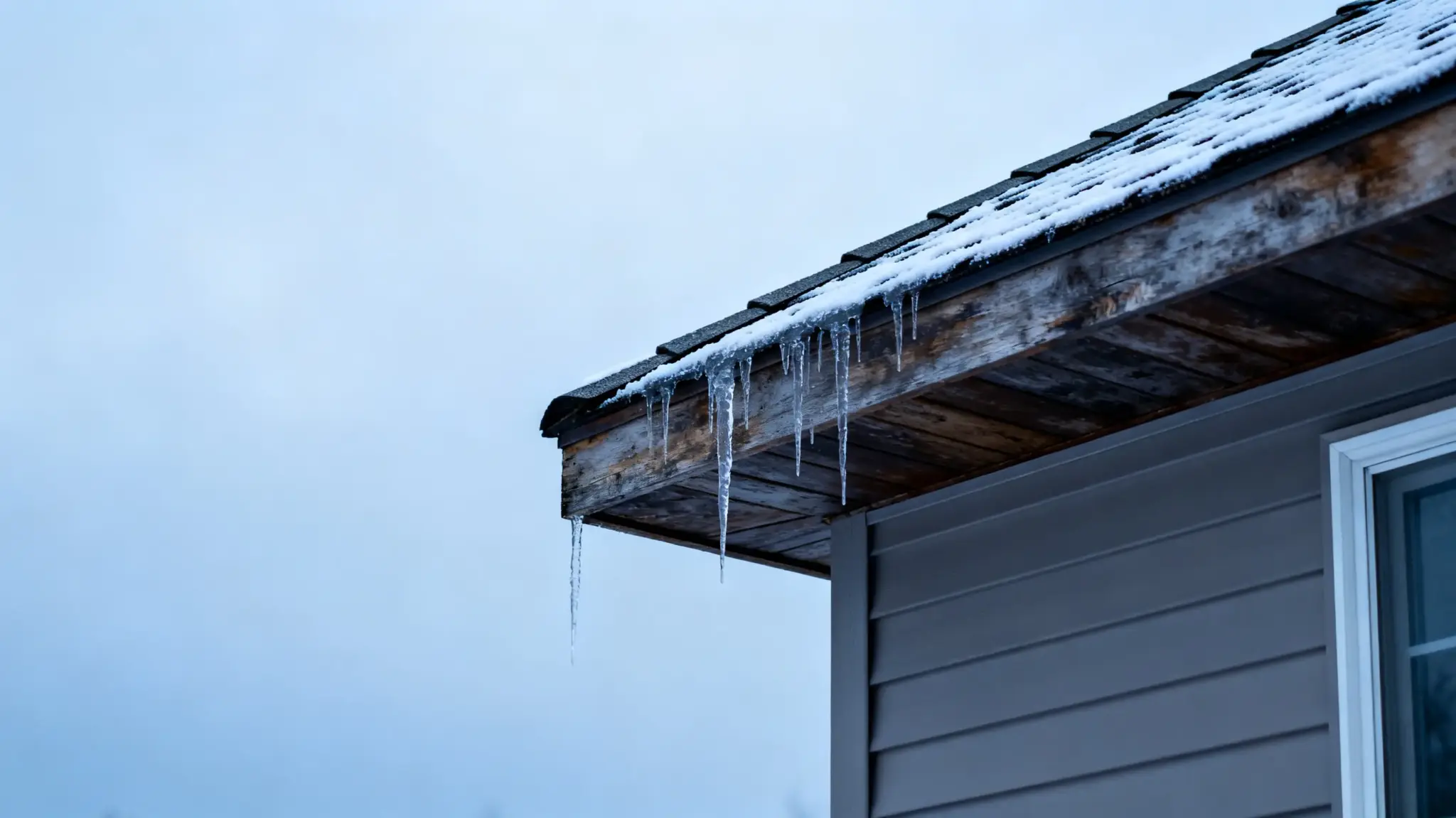
Extreme temperatures can place significant stress on a home’s structure and systems. During hot weather, excessive heat may affect housing materials, increase cooling costs, and make indoor spaces uncomfortable. In colder months, freezing temperatures can contribute to ice buildup, frozen pipes, and higher energy consumption if the home is not properly insulated.
Improving insulation and ventilation can help maintain consistent indoor temperatures throughout the year. Sealing air leaks around windows and doors also improves efficiency while reducing strain on heating and cooling systems. These practical upgrades not only protect the home from temperature-related damage but also support long-term energy savings.
Maintain the Exterior of Your Home
A home’s exterior acts as a protective barrier against changing weather conditions. Regular inspections help identify issues such as peeling paint, damaged siding, cracked caulking, or deteriorating trim. Addressing these concerns promptly can prevent moisture intrusion and reduce the likelihood of more extensive repairs in the future.
Exterior maintenance also contributes to a property’s overall appearance, style, and comfort. Clean surfaces, properly sealed joints, and well-maintained materials help preserve both function and curb appeal. By keeping the exterior in good condition, homeowners can strengthen their home’s defenses against weather-related wear while extending the lifespan of key structural components.
Create a Seasonal Home Maintenance Checklist
A seasonal maintenance checklist helps homeowners stay organized and proactive throughout the year. Rather than waiting for problems to appear, routine inspections encourage early detection of potential issues. Seasonal tasks may include cleaning gutters, checking roofing materials, inspecting drainage systems, and servicing heating or cooling equipment before periods of heavy use.
Dividing maintenance responsibilities by season makes them more manageable and easier to complete consistently. Homeowners can adjust their checklists based on local climate conditions and the specific needs of their property. A structured approach reduces the chances of overlooking important tasks and supports long-term home protection.
Protecting Your Home Year After Year
Weather challenges are a normal part of homeownership, but they do not have to result in costly damage or ongoing maintenance problems. Understanding local weather risks and taking preventive action can significantly improve a home’s resilience. Even simple maintenance practices can help reduce the impact of changing conditions over time.
Consistent care remains one of the most effective ways to preserve a property’s safety, efficiency, and value. By inspecting key areas regularly and addressing concerns before they escalate, homeowners can create a stronger defense against weather-related threats. A proactive approach helps ensure that the home remains comfortable, durable, and well-protected throughout every season.