
A home is more than four walls and a roof — it is a living, breathing space that reflects the people inside it. Designing a home that balances visual appeal with day-to-day comfort is one of the most rewarding challenges a homeowner can take on. The good news is that style and comfort are not opposing forces. With thoughtful planning, the right materials, and a clear understanding of how a space is used, any home can be transformed into something that feels as good as it looks.
Start With How You Actually Live
Before choosing paint colors or furniture, the most important design question is a practical one: how do you actually use your home? A family with young children needs different things from a space than a remote worker or a retiree. Understanding daily routines, traffic patterns through rooms, and the activities that happen most often will shape every decision that follows.
Designers call this “function-first” thinking, and it is the backbone of spaces that age well. A kitchen with beautiful marble countertops but no adequate prep space will frustrate its owner within weeks. A living room with stunning lighting but nowhere comfortable to sit will go unused. Mapping out how each room serves its occupants before making aesthetic choices ensures that beauty and practicality grow together rather than compete.
The Role of Lighting in Setting the Mood
Lighting is arguably the single most powerful tool in interior design, yet it is consistently underestimated. Studies in environmental psychology consistently show that lighting quality directly affects mood, productivity, and even sleep. A well-lit room does not just look better — it feels better to be in.
Layered lighting is the professional approach: combining ambient light for general illumination, task lighting for focused activities, and accent lighting to highlight architectural features or artwork. Natural light should always be maximized where possible, as research from the World Green Building Council links access to daylight with measurable improvements in well-being and cognitive performance.
Statement light fixtures have also evolved into design anchors in their own right. Fandelier-style ceiling fans, for example, blend the airflow function of a ceiling fan with the visual drama of a chandelier, making them ideal for spaces where both comfort and elegance are priorities. “A fandelier transforms a room’s ceiling into a design statement while keeping the space comfortable,” says Hunter Fan (https://www.hunterfan.com/collections/fandeliers), a brand long associated with premium ceiling fans and home comfort products. Incorporating pieces like these shows how functional elements no longer need to be hidden or treated as afterthoughts.
Choosing Materials That Work Hard and Look Good
Material selection is where style and comfort intersect most directly. The surfaces people touch, walk on, and interact with daily need to perform under real conditions while contributing to the overall aesthetic.
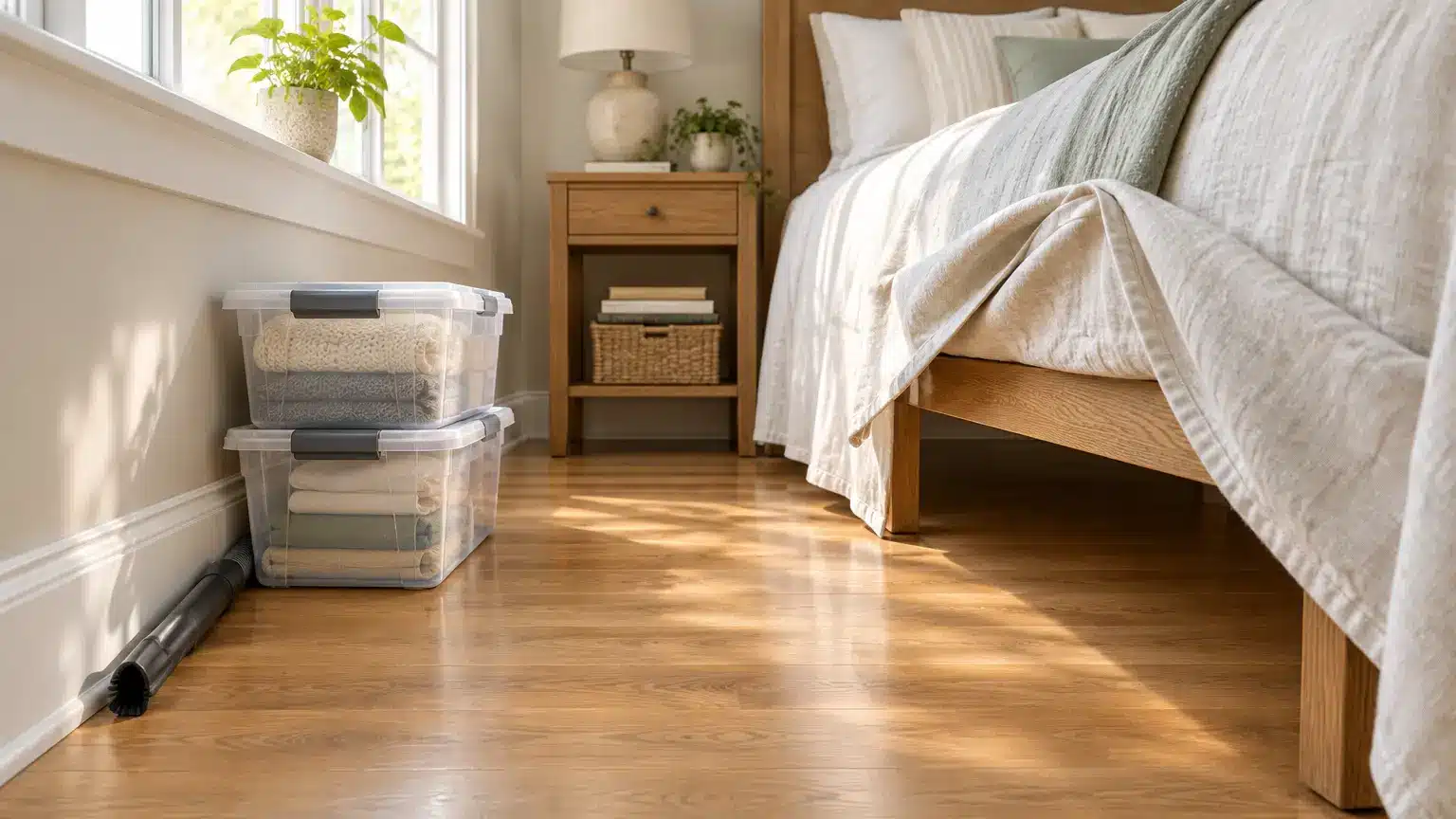
Hardwood flooring remains one of the most enduring choices in residential design, favored for its warmth, durability, and the way it improves with age. In high-traffic areas, engineered wood or quality luxury vinyl plank offers similar visual appeal with greater resilience. For soft furnishings, natural fibers like linen, cotton, and wool are worth investing in — they breathe better than synthetic alternatives, feel more comfortable over time, and develop character rather than simply wearing out.
In kitchens and bathrooms, the conversation is typically about balancing beauty with ease of maintenance. Quartz countertops, for instance, now account for a significant share of kitchen renovations in the United States because they offer the look of natural stone without the porosity and sealing requirements.
Creating Flow Between Spaces
One of the most overlooked aspects of residential design is how rooms connect and transition into one another. A home that flows well feels larger, calmer, and more cohesive. Open-plan layouts have dominated new construction for decades for this reason, though the trend is increasingly nuanced — homeowners are now adding back defined zones within open spaces to create pockets of quiet and intimacy.
Consistent flooring throughout connected areas, a coherent color palette, and repeated design motifs — a particular metal finish, a recurring shape, a consistent wood tone — all help create visual continuity. These details are subtle but powerful. The human eye is pattern-seeking, and spaces that offer visual consistency tend to feel restful and well-considered.
Comfort Is a Design Choice, Not a Compromise
There is an outdated idea that truly stylish interiors require sacrificing comfort — that a beautiful sofa must be slightly too firm, that elegant spaces must be slightly cold. Contemporary design has largely dismantled this notion. Deep, generous seating can be upholstered in refined fabrics. Minimalist spaces can be warm and inviting through texture and careful material layering.
Thermal comfort, acoustic comfort, and spatial comfort all matter. Homes with good insulation, appropriate ceiling heights, and thoughtful use of soft materials like rugs, curtains, and upholstered furniture score higher on every measure of livability. According to research published in Building and Environment, acoustic quality and thermal performance are among the top factors residents cite when rating their satisfaction with a home.
Designing a home around both style and comfort is ultimately about respect — respect for the people who will live in it, for the way light moves through the space, and for the long life a well-designed home can have. When function and beauty are treated as partners from the very beginning, the result is a home that does not just impress visitors but genuinely sustains the people who call it their own.