Your room affects your mood more than you might notice. A cluttered bedroom can feel mentally noisy, while a clean, balanced space can make school, work, and downtime easier to handle. You don’t need a contractor, a massive budget, or a dramatic makeover to get that shift. A few smart design choices can make your home feel calmer, more useful, and much better to live in every day.
Start by Editing the Room Before Buying Anything
Before you shop, look at what’s already in the space. Most rooms feel off not because they lack style, but because too much is competing for attention. Visual clutter works like twenty browser tabs open in your brain. Not ideal.
Walk through the room and remove anything that doesn’t serve a clear purpose or add something you actually like. That includes random storage bins, old bedding, dead chargers, and decor you stopped noticing six months ago.
Focus on:
- Clearing surfaces like nightstands and dressers
- Reducing extra colors that clash
- Keeping only furniture you truly use
- Moving bulky items away from windows
Once the room has breathing space, your design decisions become much easier. You can spot what the room needs instead of guessing based on the mess.
Build Your Color Palette Around Calm, Usable Tones
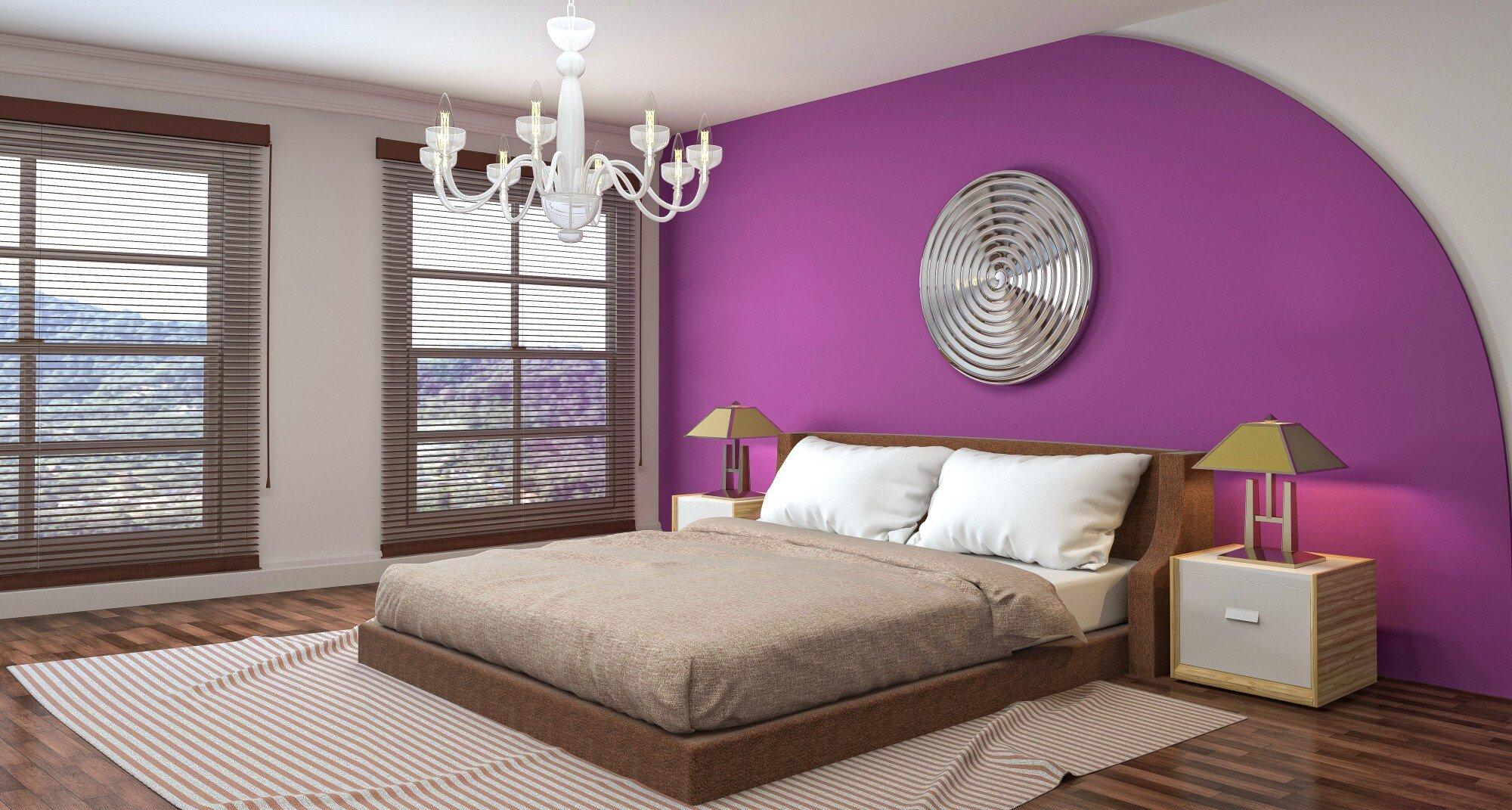
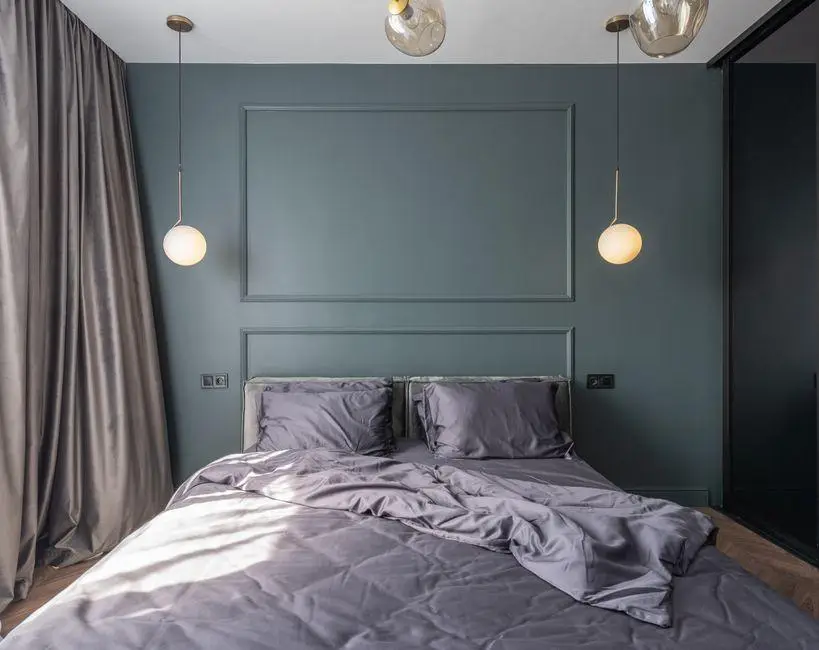
If you want a space to feel peaceful, your color choices matter more than trendy accessories. Loud, highly saturated shades can be fun in small doses, but too much can make a room feel restless. Softer neutrals, muted greens, warm whites, dusty blues, and light gray tones tend to create a more grounded atmosphere.
Try limiting the room to three main colors:
- One dominant base color for walls or large furniture
- One secondary tone for textiles like rugs or curtains
- One accent shade for art, pillows, or smaller objects
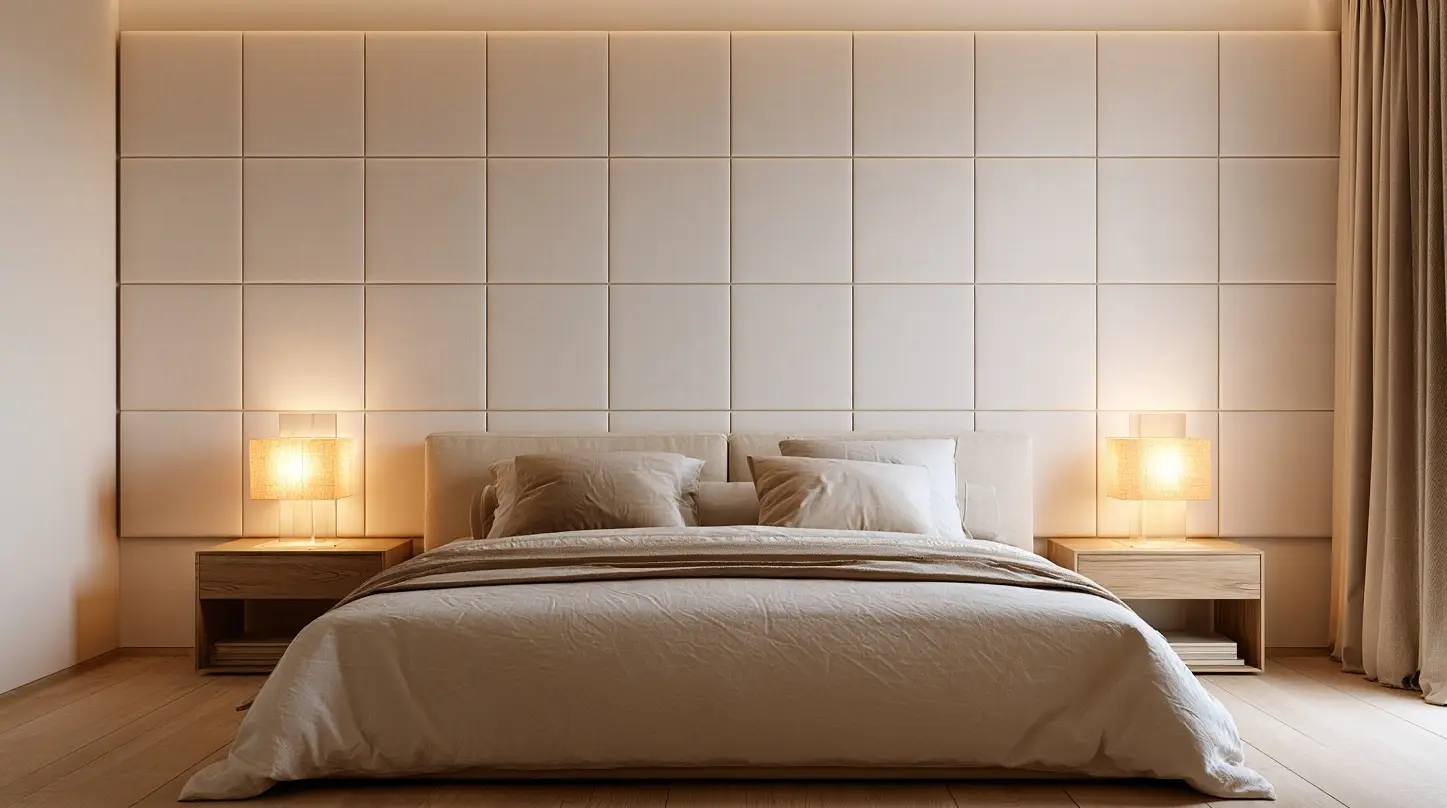
That structure keeps everything cohesive. It also helps when you add patterns. For example, modern minimalist wallpaper can work well when the rest of the room stays restrained. It adds personality without turning your wall into a visual group project.
Use Texture to Make a Simple Room Feel Finished
A calm room doesn’t have to feel flat or sterile. That’s a common mistake. When people remove too much color and decoration, the result can feel more like a waiting room than a home. Texture fixes that.
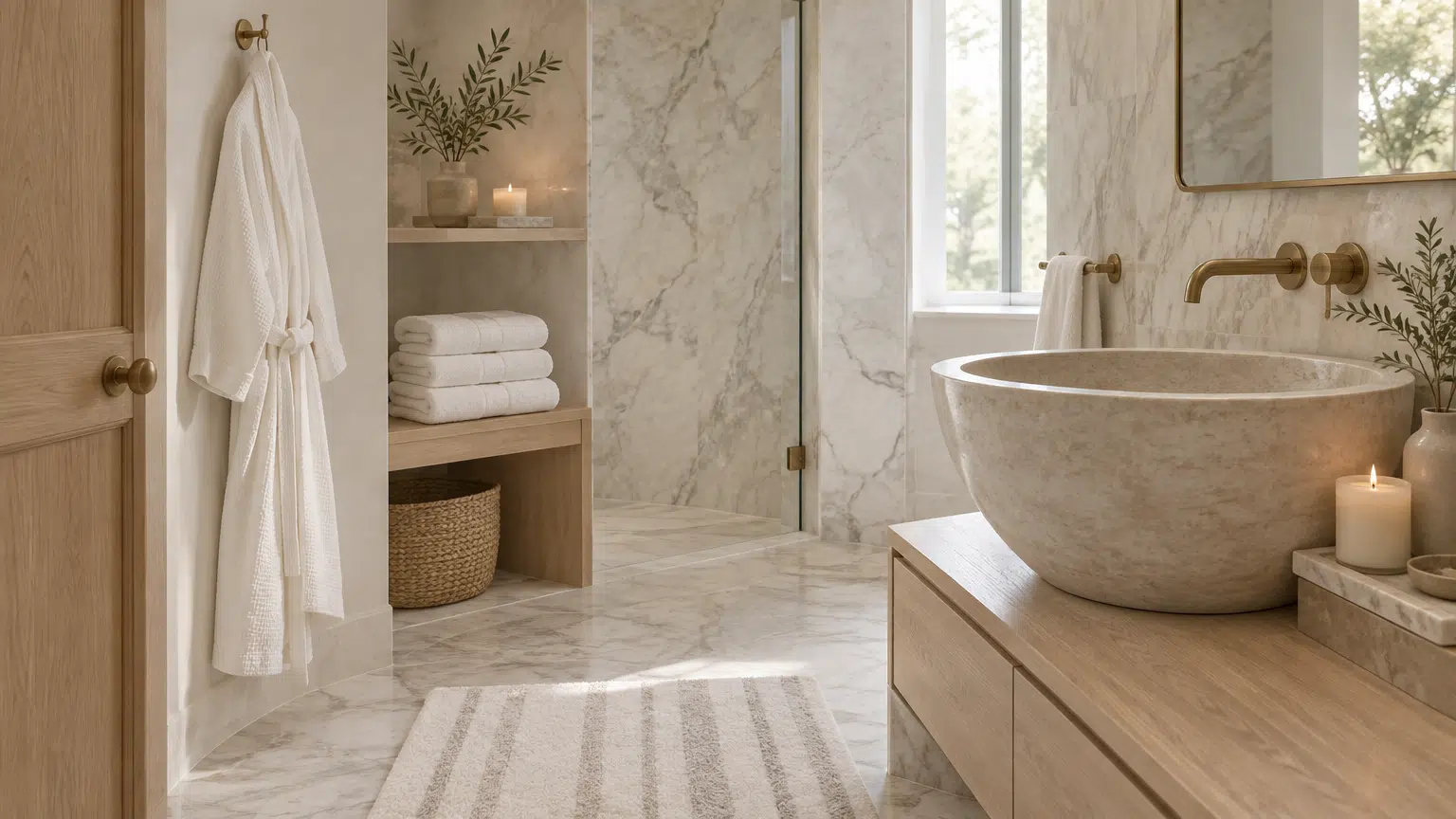
Mix materials that create contrast without adding chaos. Think cotton bedding, a woven basket, linen curtains, a wood nightstand, or a soft area rug underfoot. These details make a room feel layered and comfortable even when the color palette stays minimal.
Helpful texture upgrades include:
- A knit throw on the bed or sofa
- Matte ceramic lamps or vases
- Natural wood or light oak finishes
- Upholstered seating with simple lines
Texture gives your eye something to enjoy. It’s subtle, but it changes the whole room. Minimal design works best when it still feels human.
Let Lighting Do More of the Heavy Lifting
Bad lighting can sabotage a good room fast. If your space only relies on one harsh overhead bulb, it will feel flat at best and mildly interrogational at worst. Good lighting should support how you use the room at different times of day.
Try layering light sources instead of depending on one fixture. A table lamp, floor lamp, wall sconce, or even warm LED strip lighting can change the mood immediately.
A smarter setup usually includes:
- Ambient light for general brightness
- Task lighting for reading, homework, or getting ready
- Accent lighting for warmth and depth
Also pay attention to bulb temperature. Warm white light tends to feel more inviting than cool blue-toned bulbs, especially in bedrooms and living spaces. The room should feel like a place to exhale, not a supermarket aisle.
Choose Furniture That Earns Its Place
Every piece of furniture should do something useful, look intentional, or ideally both. Oversized or random pieces make a room feel crowded fast. If your goal is calm, your furniture needs clear purpose and sensible spacing.
Start by measuring. Guessing dimensions is how people end up with side tables that block drawers and rugs the size of bath mats pretending to anchor a living room.
When choosing furniture, look for:
- Clean lines instead of bulky shapes
- Hidden storage where possible
- Raised legs that create visual openness
- Pieces scaled to the room, not just the showroom
A small bench at the end of the bed, a narrow console, or a storage ottoman can make a room more functional without making it feel packed. Practical design usually looks better because it removes friction from daily life.
Keep Decor Intentional Instead of Filling Every Empty Spot
Not every blank wall or shelf needs something on it. Empty space is part of good design. It gives the room balance and keeps your favorite details from getting lost.
Pick a few decor pieces that actually say something about your taste. Maybe that’s framed art, a plant, a sculptural lamp, or one standout mirror. The key is restraint. When everything is meant to be a focal point, nothing wins.
A simple approach works well:
- Group decor in odd numbers, like threes
- Vary height and shape for balance
- Repeat materials or colors across the room
- Leave some surfaces partially empty
This is especially useful in bedrooms, where too many small objects can make the space feel busy. You want the room to suggest calm competence, not retail display table energy.
Make Comfort Part of the Design Plan
A room can look polished online and still be annoying in real life. The best spaces are both attractive and comfortable to use. That means paying attention to what your body notices, not just what a photo captures.
Ask practical questions. Is the chair actually comfortable? Do the curtains block enough light? Is there a place to set down a phone, water bottle, or book? Can you walk through the room easily without bumping into corners?
Comfort-focused upgrades might include:
- Blackout curtains for better sleep
- A rug that softens noise in echoey rooms
- Better pillows instead of more pillows
- Storage near the places where clutter usually lands
These choices don’t sound glamorous, but they shape your experience every day. Good design isn’t just about appearance. It’s about removing little annoyances before they become part of the background stress.
Refresh Your Space in Stages, Not All at Once
You don’t need to redo everything in a single weekend. In fact, rushing often leads to expensive impulse buys and a room that looks assembled instead of lived in. It’s usually better to improve the space in layers.
Start with the biggest visual elements first:
- Wall color or wall treatment
- Bedding or large textiles
- Lighting
- Furniture layout
- Final decor details
This sequence helps you avoid buying accessories that no longer fit once the larger elements change. It also gives you time to notice what the room actually needs.
A calmer home rarely comes from copying a perfect setup from social media. It comes from paying attention to function, editing hard, and making choices that support your routine. When your space looks clear and feels easy to use, your brain notices. Quietly, but definitely.