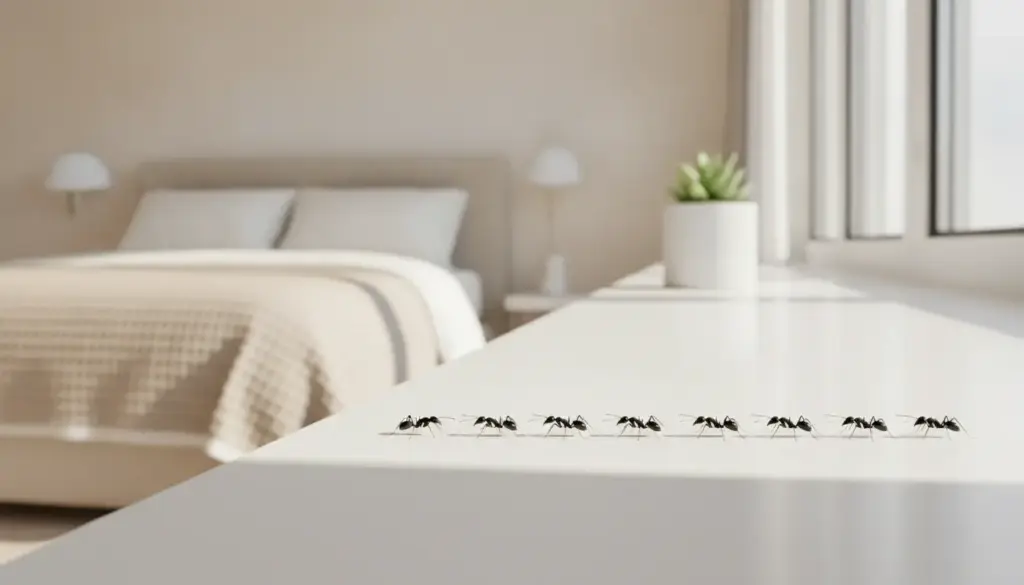
Finding ants in a bedroom often surprises homeowners more than discovering them in the kitchen. After all, bedrooms rarely contain obvious food sources. Yet ants are remarkably resourceful foragers, and even small amounts of residue, moisture, or clutter can turn a sleeping space into a viable feeding ground. Understanding what draws these insects into bedrooms, and how to interrupt their access, is the first step toward keeping the room genuinely ant-free.
Why Ants Find Their Way Into Sleeping Spaces
Ants operate on scent trails. Once a scout ant identifies a food or water source, it lays down a pheromone trail that guides other workers back to the same spot. This is why an isolated ant sighting can quickly turn into a small procession within a day or two.
In bedrooms, the attractions are often subtle. A forgotten snack wrapper in a nightstand drawer, a half-finished glass of juice, or crumbs from late-night eating can all provide enough incentive. Pet food bowls kept near a bed are another common culprit, since dry kibble and spilled water offer both nutrients and moisture. Indoor plants add to the risk as well, particularly if the soil stays consistently damp or if the plant is affected by sap-feeding insects that produce a sugary residue ants find appealing.
Moisture plays an outsized role in attracting ants indoors. Many common household species, including odorous house ants and pavement ants, are drawn to damp environments near windowsills, humidifiers, or poorly sealed walls. Even without food present, a consistently moist area can be enough to sustain a colony’s interest in a room.
How Ants Travel From Other Rooms Into the Bedroom
Ants rarely originate in bedrooms. Instead, they typically establish trails from kitchens, bathrooms, or entry points near doors and windows, then extend those trails throughout the home as resources allow. A trail that starts at a kitchen counter can stretch down a hallway and into a bedroom if the pheromone marker remains undisturbed.
This is one of the reasons prevention needs to be addressed at a whole-home level rather than room by room. If you’re looking into effective strategies to prevent ants from invading your home, it helps to recognize that bedroom-specific ant problems are frequently a downstream symptom of an entry point or food source located elsewhere in the house. Sealing gaps near baseboards, door frames, and utility lines throughout the home reduces the overall likelihood that a trail will ever reach the bedroom in the first place.
Practical Steps to Reduce Ant Activity in the Bedroom
Addressing an active ant issue, or preventing one before it starts, involves a combination of cleaning, structural checks, and consistent monitoring. The following steps are widely recommended by pest management professionals and represent some of the 7 effective strategies to prevent ants from invading your home that apply directly to bedroom environments.
- Remove food and drink sources. Avoid keeping snacks, sugary drinks, or pet food in or near the bedroom. If pets are fed in this room, clean bowls and surrounding floor space daily.
- Clean bedside areas thoroughly. Wipe down nightstands, headboards, and any surface where food or drink residue could accumulate, even in small amounts.
- Check windows and baseboards for gaps. Ants often enter through minuscule cracks around window frames or where baseboards meet the floor. Caulking these areas can meaningfully reduce entry points.
- Manage moisture levels. Repair leaky window seals, avoid overwatering indoor plants, and consider a dehumidifier in rooms with persistent humidity.
- Monitor for trails. If ants appear, follow their path rather than eliminating only the ones you see. Identifying the entry point is more effective than addressing individual insects.
- Store clothing and linens properly. Some ant species are drawn to natural fibers or lingering food odors on unwashed laundry left out for extended periods.
- Inspect furniture edges and closets. Wooden furniture joints and closet corners can harbor ants, particularly carpenter ants, which are attracted to slightly damp wood.
Addressing Indoor Plants and Their Role in Attracting Ants
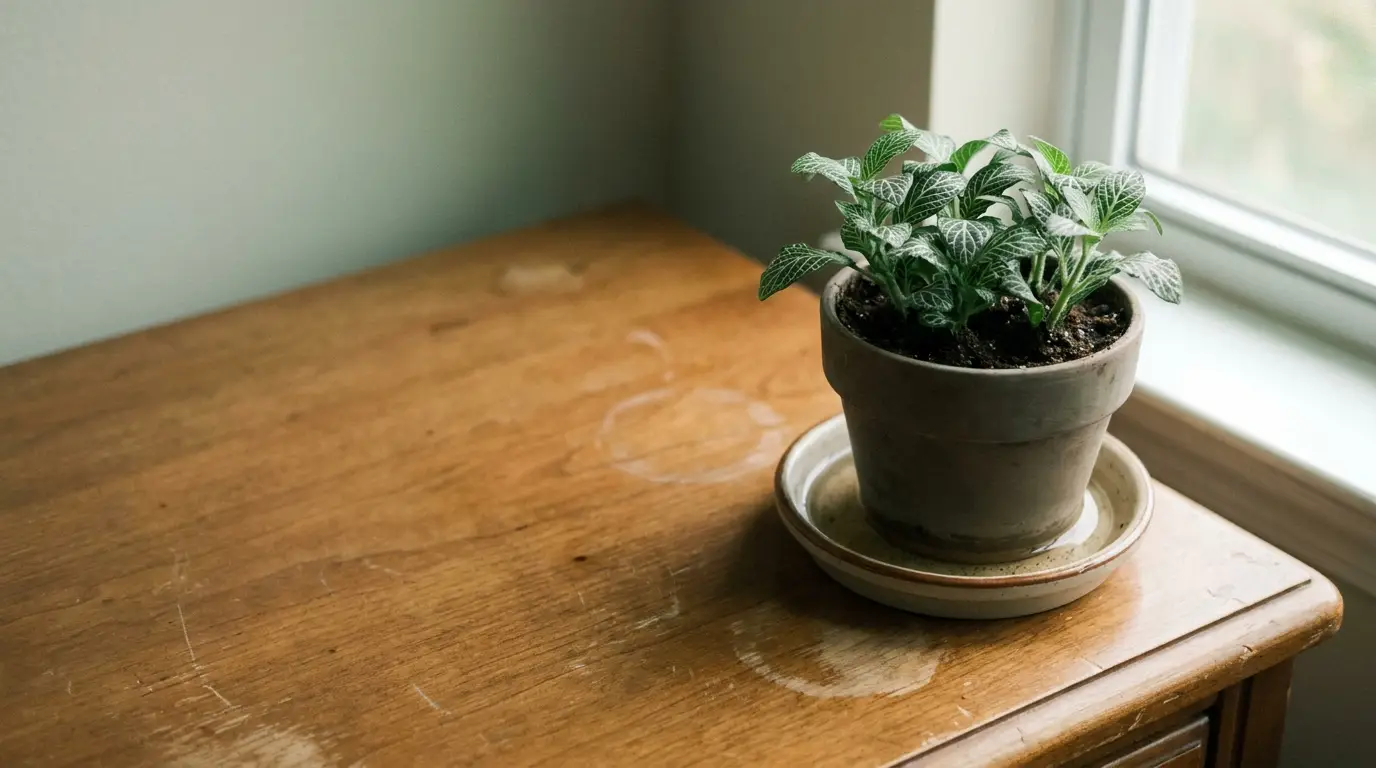
Houseplants deserve particular attention because they combine two factors ants find appealing: moisture and, in some cases, a food source. Aphids and mealybugs, which are common on indoor plants, secrete a sugary substance called honeydew. Ants are known to actively farm these pests for the honeydew they produce, which means an untreated pest problem on a single plant can indirectly sustain an ant population nearby.
Inspecting plants regularly for signs of pest activity, allowing soil to dry appropriately between waterings, and keeping saucers free of standing water all reduce the likelihood that a bedroom plant becomes an unintentional ant magnet.
When Persistent Ant Activity Signals a Larger Issue
Occasional ant sightings are common and often resolved through basic sanitation and sealing. However, if ants continue to appear despite consistent cleaning and moisture control, it may indicate a nest located within a wall void, beneath flooring, or in another concealed area of the home. Structural entry points, particularly around plumbing lines or foundation cracks, are frequently responsible for recurring indoor ant activity according to general pest management literature.
In these cases, professional inspection can help identify the colony’s location rather than relying solely on visible trail interruption, which only offers a temporary fix.
Final Analysis
Bedrooms become attractive to ants for the same reasons any other room does: accessible food, moisture, and unblocked entry points. Because ants function as part of a larger colony system, addressing the problem effectively requires looking beyond the bedroom itself and considering the broader conditions within the home. Consistent cleaning, moisture control, and attentive monitoring go a long way toward keeping sleeping spaces genuinely inhospitable to these persistent insects.