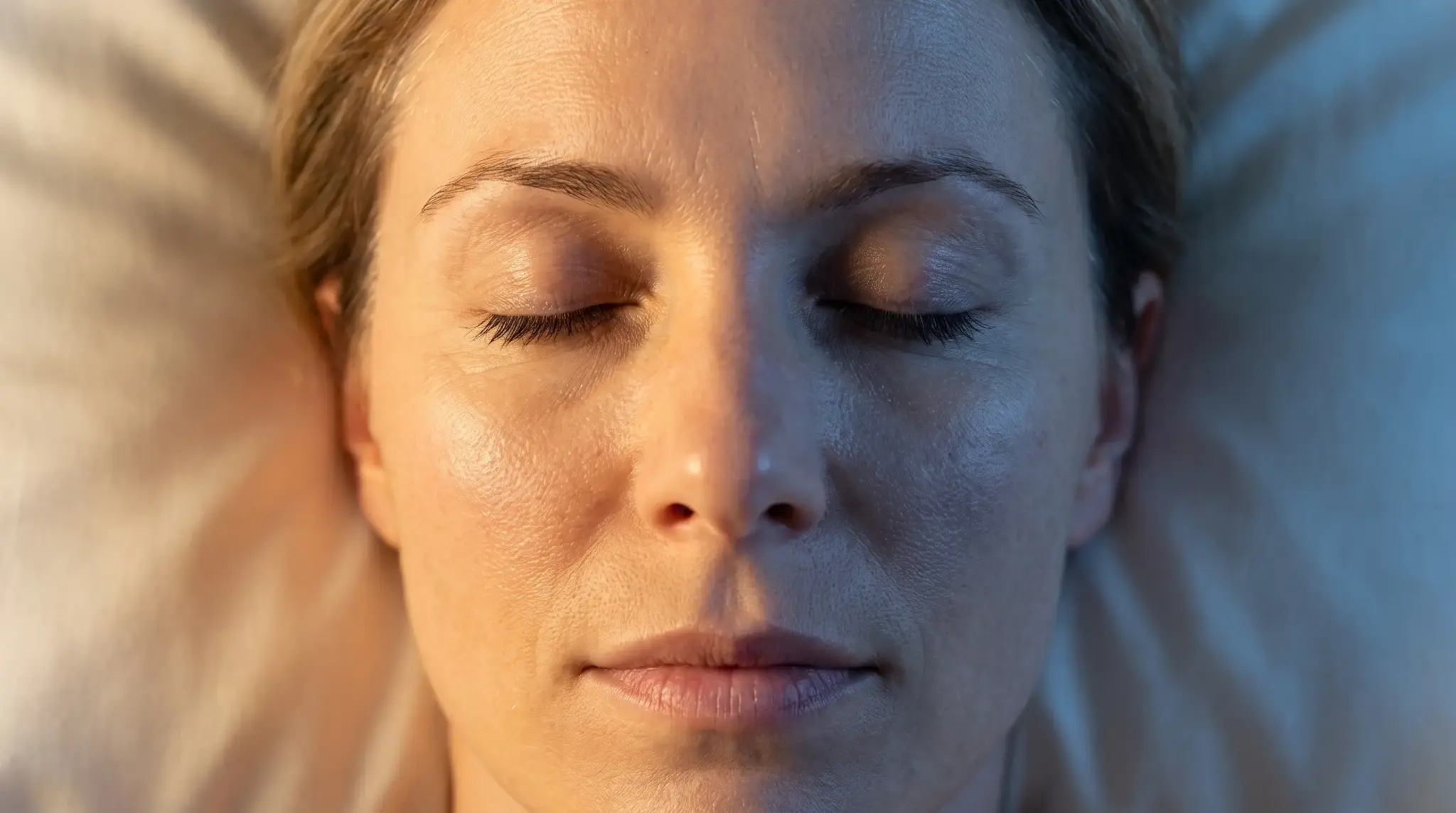

Menopause is a natural transition, but it brings changes that can disrupt nearly every part of daily life — and sleep is often the first casualty. Many women find themselves wide awake at 3 a.m., drenched in sweat, or unable to fall asleep at all.
Over time, this lack of rest takes a toll on mood, focus and emotional resilience. Understanding the link between sleep and mental health during menopause, and learning how to protect both, can make this stage of life far more manageable.
The Sleep–Mental Health Connection
Sleep and mental health are closely connected at every stage of life, but menopause can make that connection more vulnerable. Poor sleep can intensify stress, reduce patience with everyday challenges and increase the likelihood of anxiety or low mood. At the same time, changing levels of oestrogen and progesterone can affect the brain systems involved in mood, memory and emotional regulation.
When women experience repeated nights of broken sleep, the brain’s prefrontal cortex — responsible for rational thinking and emotional control — becomes less efficient. The result is a feedback loop: stress and low mood disrupt sleep, and disrupted sleep worsens stress and low mood.
Breaking this cycle is one of the most important steps in supporting mental wellbeing during menopause. Workplaces and managers play a part too, which is why investing in menopause awareness training can help build the understanding and support women need both at home and in professional settings.
Why Menopause Disrupts Sleep
Sleep disruption during menopause is rarely caused by one factor alone. Hormonal changes play an important role, but they often interact with night sweats, hot flushes, mood changes, physical discomfort, stress and sleep disorders that may emerge or worsen in midlife. Research suggests that vasomotor symptoms can contribute to night-time waking, while changes in oestrogen and other reproductive hormones may also affect sleep continuity directly.
Falling and fluctuating oestrogen levels can affect the body’s temperature regulation, making hot flushes and night sweats more likely. These episodes may jolt women awake, leave them feeling overheated or anxious, and make it harder to drift back to sleep. Progesterone also changes during this stage, and for some women this can contribute to feeling more restless, alert or unsettled at bedtime.
Beyond hormones, everyday pressures can make the problem worse. Anxiety, racing thoughts about work, ageing parents, relationships or children, and physical symptoms such as joint pain, bladder changes or vaginal discomfort can all chip away at sleep quality. It is also important not to assume that every sleep problem is “just menopause”. Sleep apnoea can become more common after menopause, and symptoms such as fatigue, poor concentration and low mood may be mistaken for menopause itself.
Recognising the underlying causes matters because sleep problems are more manageable when they are addressed directly. For some women, this may mean adjusting lifestyle habits; for others, it may involve speaking with a GP about menopause treatment, anxiety, insomnia, sleep apnoea or other health concerns.
Practical Strategies for Better Sleep

Improving sleep during menopause rarely comes down to one simple fix. A combination of small, consistent changes usually works best, especially when those changes target both the body and the mind.
Create a cooler, calmer sleep environment. A quiet, dark and well-ventilated bedroom can make it easier to fall asleep and stay asleep. Use breathable bedding, layer sheets so they can be removed easily, keep water nearby and consider a fan or lighter nightwear if night sweats are a problem. Blackout curtains, dim lighting and keeping phones out of reach can also reduce stimulation before bed.
Keep a steady sleep rhythm. Going to bed and waking up at roughly the same time each day, including weekends, helps train the body’s sleep-wake cycle. A regular wind-down routine is just as important: lowering the lights, stepping away from screens and doing something calming before bed all help signal that it is time to rest.
Be mindful of food, caffeine and alcohol. Caffeine, alcohol, nicotine and heavy meals close to bedtime can all interfere with sleep. Alcohol may feel relaxing at first, but it often fragments sleep later in the night and can make night sweats more disruptive. A lighter evening routine, plenty of water and caffeine-free drinks are usually safer choices than relying on herbal remedies or supplements, which may not be suitable for everyone.
Move during the day, but wind down at night. Regular physical activity can support both sleep and mood, whether that means walking, swimming, yoga, strength training or another form of movement that feels manageable. Try to keep vigorous exercise earlier in the day, as intense activity close to bedtime can leave some people feeling too alert to sleep.
Calm the racing mind. Stress and worry can keep the brain on high alert, even when the body is exhausted. Writing down worries, making a short to-do list for the next day, breathing exercises, mindfulness or guided relaxation can all help create mental distance before bed. For persistent insomnia, cognitive behavioural therapy for insomnia, or menopause-specific CBT, is a well-supported option. NICE includes CBT as a management option for vasomotor symptoms, sleep problems and depressive symptoms associated with menopause.
Address symptoms rather than enduring them. If hot flushes, night sweats, anxiety, low mood or repeated waking are affecting daily life, it is worth speaking with a GP. HRT is the main medical treatment for menopause and perimenopause symptoms for many women, and other options may be available for those who cannot or choose not to use HRT. Support is also available for mood symptoms, insomnia and possible sleep apnoea, so ongoing sleep problems should not simply be written off as an inevitable part of menopause.
Build Knowledge and Support Systems
Sleep does not exist in isolation. Friends, family and colleagues who understand what this transition involves can ease the emotional burden enormously. Joining a peer group, talking openly with a partner or seeking professional guidance creates a network that supports both rest and mental health.
For those who want to deepen their understanding, structured learning is a practical option. Many online mental health courses cover topics such as stress management, anxiety, resilience and emotional wellbeing, all of which are directly relevant to navigating this period. Equipping yourself with this knowledge — or sharing it with line managers and HR teams — helps create environments where women feel heard rather than dismissed.
When to Seek Professional Help
If sleep problems persist for more than a few weeks and begin affecting daily functioning, professional support is important. Persistent insomnia, severe mood changes, intrusive thoughts or panic symptoms warrant a conversation with a GP.
Treatment options have expanded significantly in recent years, from hormone replacement therapy to talking therapies, and there is no need to struggle alone. Keeping a simple sleep and mood diary for two weeks before the appointment can help your GP identify patterns and recommend the most appropriate next steps.
A Final Word
Menopause is not a problem to be solved but a transition to be supported. Protecting sleep is one of the most powerful ways to protect mental health during this stage of life. With consistent habits, the right environment, supportive relationships and informed workplaces, restful nights and steady moods are entirely achievable.
Small, sustainable changes — repeated over weeks rather than days — are what make the difference. Prioritising rest is not a luxury during menopause; it is a foundation for thriving through it.