Relaxation is not only about finding a quiet room or stepping away from a busy schedule. What you wear can also have a noticeable effect on how easily your body and mind unwind. Clothing that pinches, restricts movement, traps heat, or constantly needs adjusting can create low-level discomfort that makes it harder to feel fully at ease.
Even when the discomfort seems minor, the body still notices it. A tight waistband, stiff fabric, or poorly fitting undergarment can keep your attention focused on physical irritation rather than allowing you to settle into a calmer state.
Physical Discomfort Keeps the Body Alert
When clothing feels restrictive, it can make the body feel tense. Tight garments may press against the stomach, shoulders, chest, or legs, especially when sitting or lying down. This pressure can encourage you to shift position frequently, pull at fabric, or avoid certain movements.
These small adjustments interrupt the stillness that supports relaxation. Instead of becoming absorbed in a book, movie, conversation, or breathing exercise, part of your attention remains fixed on what feels uncomfortable.
Loose, flexible clothing allows the body to move naturally and can help reduce this sense of physical restriction.
Restrictive Clothing Can Affect Breathing
Deep, steady breathing is closely connected to relaxation. However, tight clothing around the chest or waist may make full breaths feel less comfortable. While the clothing may not prevent breathing, it can encourage shallower breaths or create a feeling of pressure.
Choosing softer, less structured options can make it easier to breathe naturally. For example, swapping a rigid undergarment for a comfortable bralette may provide gentle support without the same level of tightness, padding, or restrictive hardware.
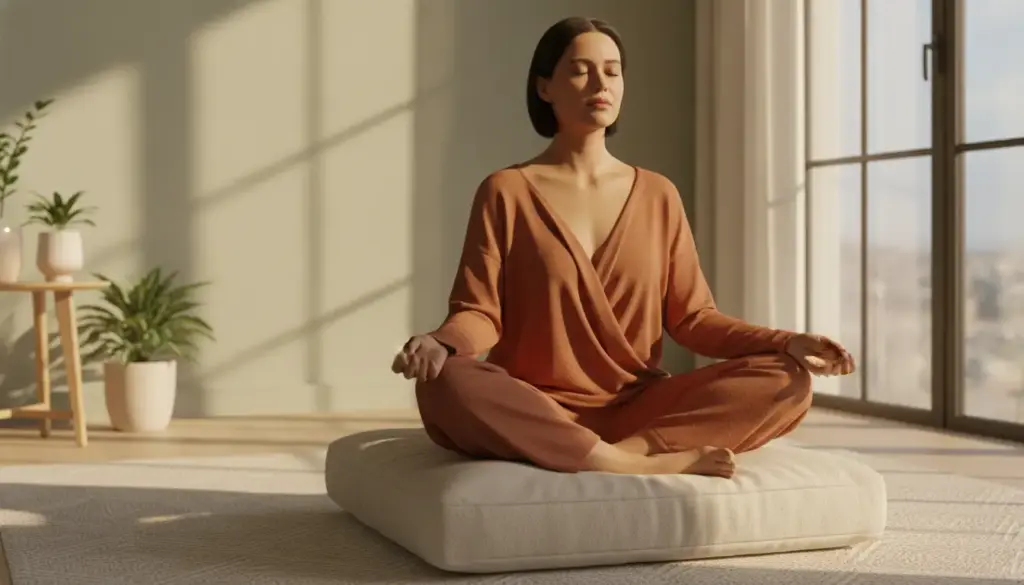
Comfort around the chest and midsection can be especially helpful during quiet evenings, meditation, travel, or time spent working from home.
Heat and Irritation Make It Harder to Switch Off
Uncomfortable clothing is not always too tight. Certain materials can trap heat, cause itching, or rub against the skin. Tags, seams, fasteners, and rough fabrics can become surprisingly distracting once you are trying to rest.
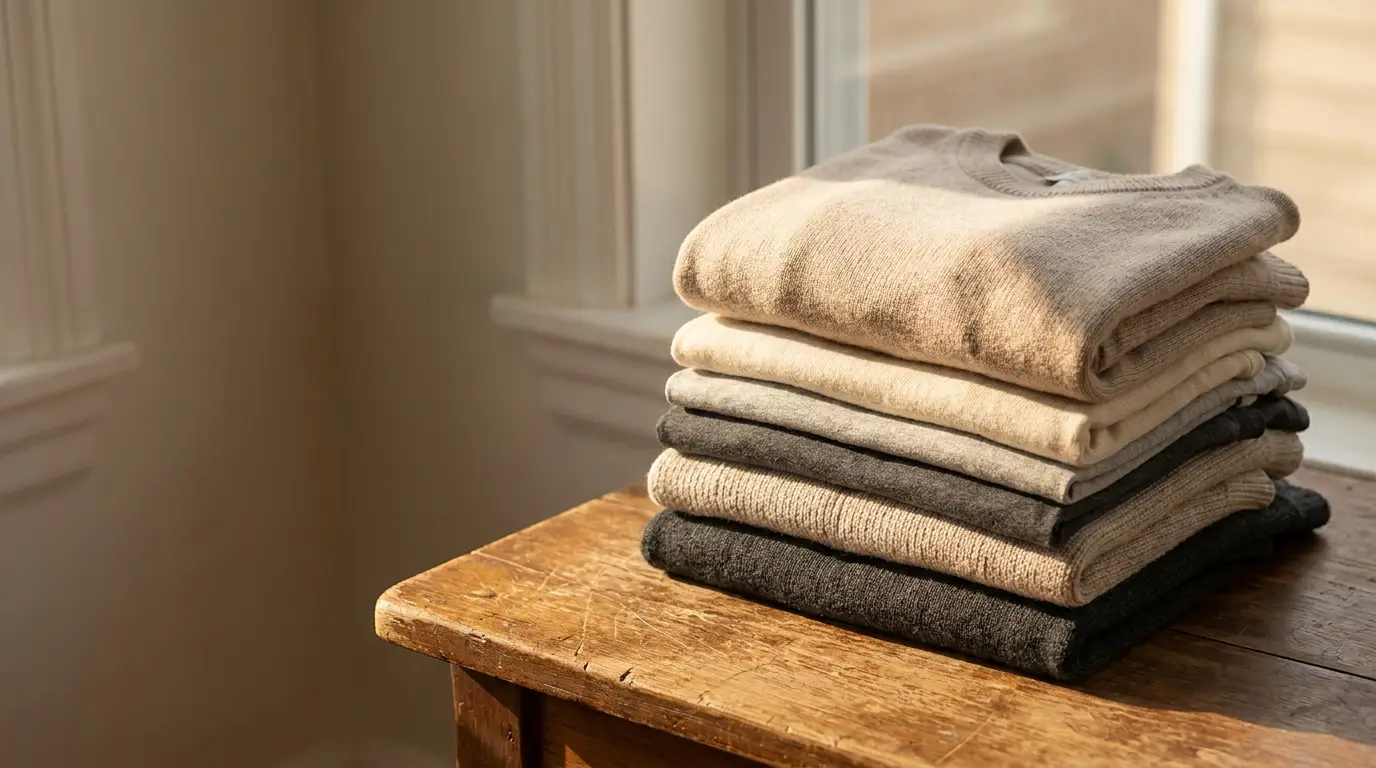
Breathable materials such as cotton, modal, bamboo blends, or lightweight knits may feel more soothing against the skin. Clothing that helps regulate body temperature can also reduce restlessness, particularly when relaxing in warm rooms or preparing for sleep.
Constant Adjustments Create Mental Distraction
Clothing that rides up, slips down, digs in, or twists out of place demands repeated attention. Each adjustment may only take a second, but together they can prevent the mind from fully settling.
This matters because relaxation often requires a gradual transition away from alertness. If you are constantly correcting your outfit, that transition may take longer.
Dressing for Comfort Supports Better Rest
Creating a relaxing environment includes paying attention to small physical details. Softer fabrics, flexible fits, smooth seams, and breathable layers can all help the body feel more settled.
Comfortable clothing will not remove every source of stress, but it can eliminate one unnecessary distraction. When your outfit supports easy movement, natural breathing, and temperature control, it becomes much easier to focus on resting rather than readjusting.