


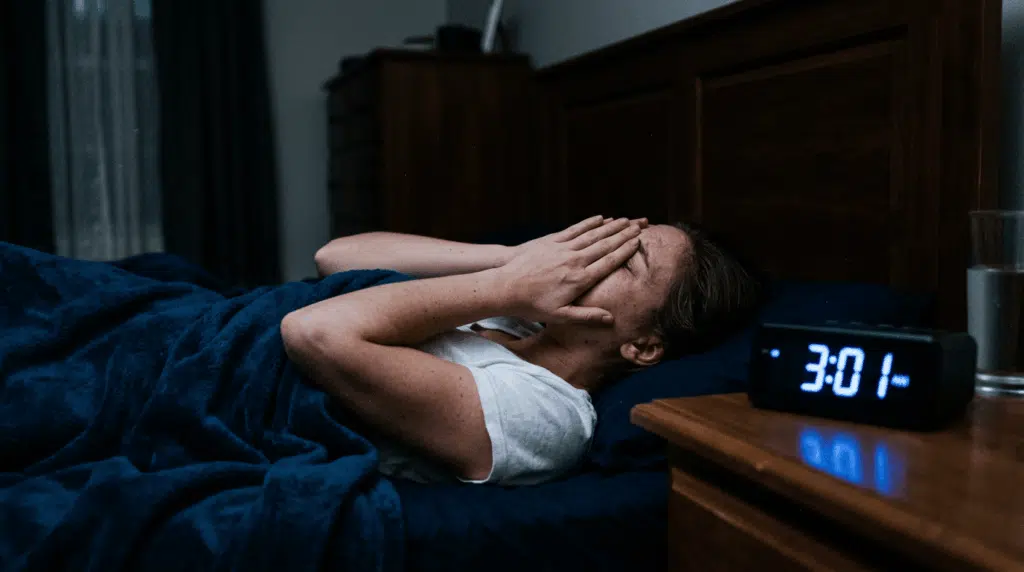
Sleep ranks among the body’s most essential functions, yet its importance is often underestimated compared to food and water.
Signs of sleep deprivation can appear within just 24 hours, impairing focus, mood, reaction time, and decision-making.
Extended wakefulness places significant strain on cognitive and physical systems, with effects intensifying over time.
This blog focuses on what happens when the body is deprived of sleep, how it responds physically and mentally, and at what point sleep loss becomes genuinely dangerous.
How Long Can the Human Body Go Without Sleep?
The longest scientifically documented case of sleep deprivation belongs to Randy Gardner, a 17-year-old who stayed awake for approximately 264 hours (11 days) in 1964 as part of a monitored research experiment.
Remarkably, he recovered fully afterward, but the days leading up to that recovery weren’t easy. During the experiment, he experienced:
- Difficulty concentrating and processing information
- Noticeable mood swings and irritability
- Impaired short-term memory
- Distorted perception, including mild paranoia and hallucinations, in later days
In reality, the body rarely lets most people stay awake anywhere near 11 days, long before that point, overwhelming fatigue and brief involuntary microsleeps force rest.
Staying awake for just one full day can already reduce mental performance and increase the risk of errors.
What Happens to Your Body When You Stay Awake Too Long?
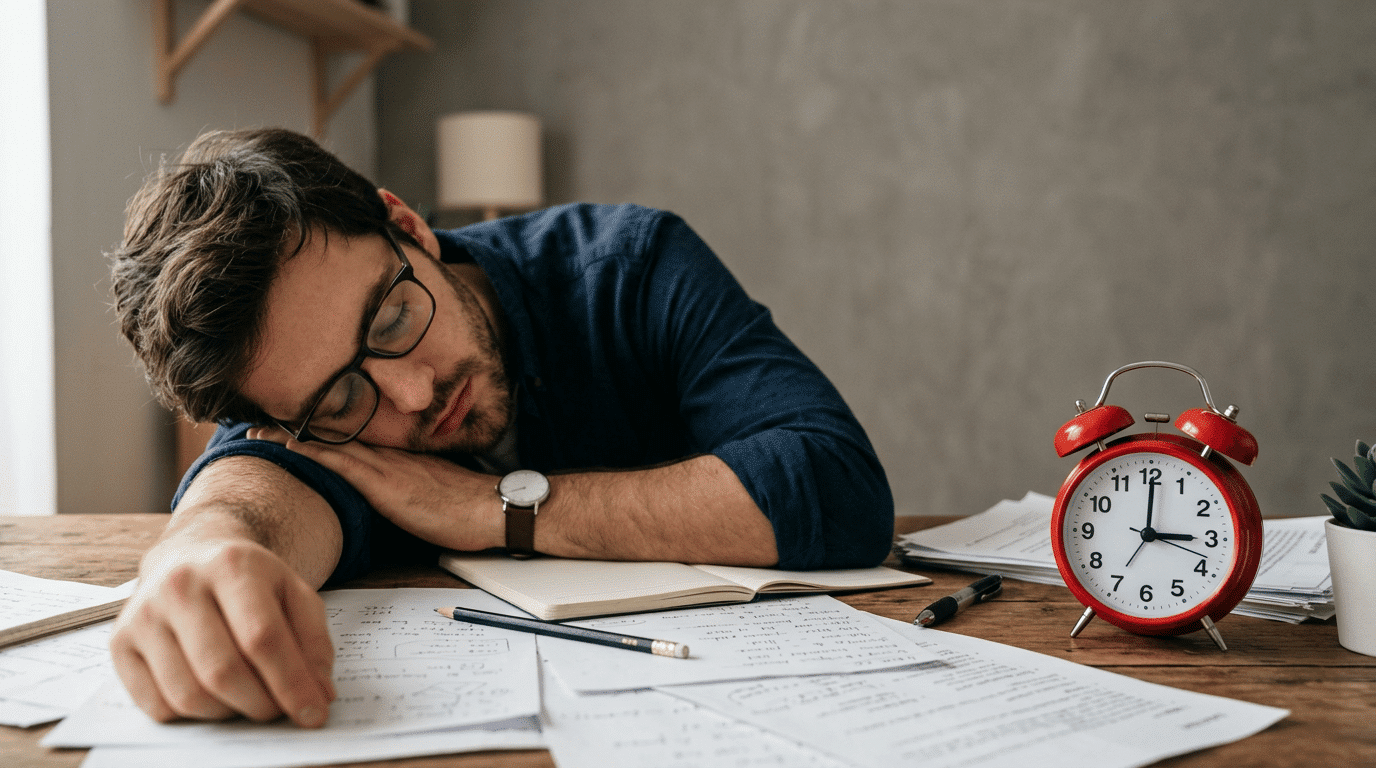
Sleep is not simply a period when the body shuts down. During sleep, the brain processes information.
It strengthens memories, regulates emotions, and supports critical physical functions. Without enough rest, these processes break down.
Attention becomes harder to sustain. The immune system weakens. Stress levels begin to rise. As hours without sleep add up, these effects intensify.
Mild fatigue can quickly turn into serious impairment affecting focus, mood, and overall health.
24 Hours Without Sleep: Focus and Reaction Time Decline
After roughly 24 hours awake, many people notice clear changes in mental and physical performance.
Common effects include:
- Difficulty concentrating
- Slower reaction time
- Reduced problem-solving ability
- Increased irritability
- Poor decision-making
Simple tasks become harder, and the risk of accidents rises, especially while driving or operating machinery.
Research suggests that 24 hours without sleep can impair performance similarly to alcohol intoxication.
36 Hours Without Sleep: Stress Levels Begin Rising
After about 36 hours awake, the body experiences greater strain. The brain struggles more to control emotions and maintain normal responses.
People may experience:
- Increased anxiety or frustration
- Strong mood swings
- Trouble remembering information
- Lower energy levels
- Stronger cravings for unhealthy foods
At this stage, the body may release more stress hormones, affecting heart rate, blood pressure, and overall well-being.
48 Hours Without Sleep: Brain Function Starts Declining
Two days without sleep can significantly affect how the brain works. Attention becomes harder to maintain, and the mind struggles to process information quickly.
Common symptoms include:
- Frequent mistakes
- Poor coordination
- Memory problems
- Difficulty communicating clearly
- Short periods of involuntary sleep
These microsleeps can happen without a person realizing it. They may last only seconds, but they can be dangerous during activities requiring full attention.
72 Hours Without Sleep: Severe Mental and Physical Effects
After three days without sleep, the effects become far more serious. The brain struggles to maintain normal function, and some people experience changes in perception.
Possible effects include:
- Extreme exhaustion
- Confusion
- Difficulty thinking clearly
- Emotional instability
- Hallucinations
The body may also struggle to control basic processes, making prolonged sleep deprivation increasingly dangerous.
Several Days Without Sleep: The Body Reaches Its Limits
When sleep loss continues for several days, the body comes under extreme stress. Although there is no exact fatal limit, prolonged sleep deprivation can lead to serious health risks.
Long-term or severe sleep loss may affect:
- Immune system function
- Heart health
- Hormone regulation
- Mental health
- Ability to perform daily activities safely
Eventually, the body pushes back against prolonged wakefulness, creating an intense, often overwhelming need for sleep.
Why Does the Human Body Need Sleep?
Sleep supports nearly every major system in the body, allowing the brain and body to complete essential recovery processes.
Sleep Supports Brain Health: The brain organizes memories and processes emotions during sleep. Without it, thinking slows, and memory suffers.
Sleep Helps Physical Recovery: The body repairs tissues and strengthens immune defenses during sleep, aiding recovery from daily stress.
Sleep Helps Regulate Mood: Poor sleep often increases stress and emotional sensitivity.
Sleep keeps the brain sharp, the body strong, and emotions steady.
How Much Sleep Does the Human Body Need?
Sleep needs vary depending on age and individual factors, but most adults require between 7 and 9 hours of sleep per night to maintain good health.
This amount allows the body to complete essential recovery processes, from repairing tissues to organizing memories and regulating mood.
Occasional sleep loss happens to most people and is usually manageable.
However, consistently sleeping too little can lead to more serious health problems over time, affecting immunity, focus, and emotional stability.
Factors Responsible for Sleep Loss
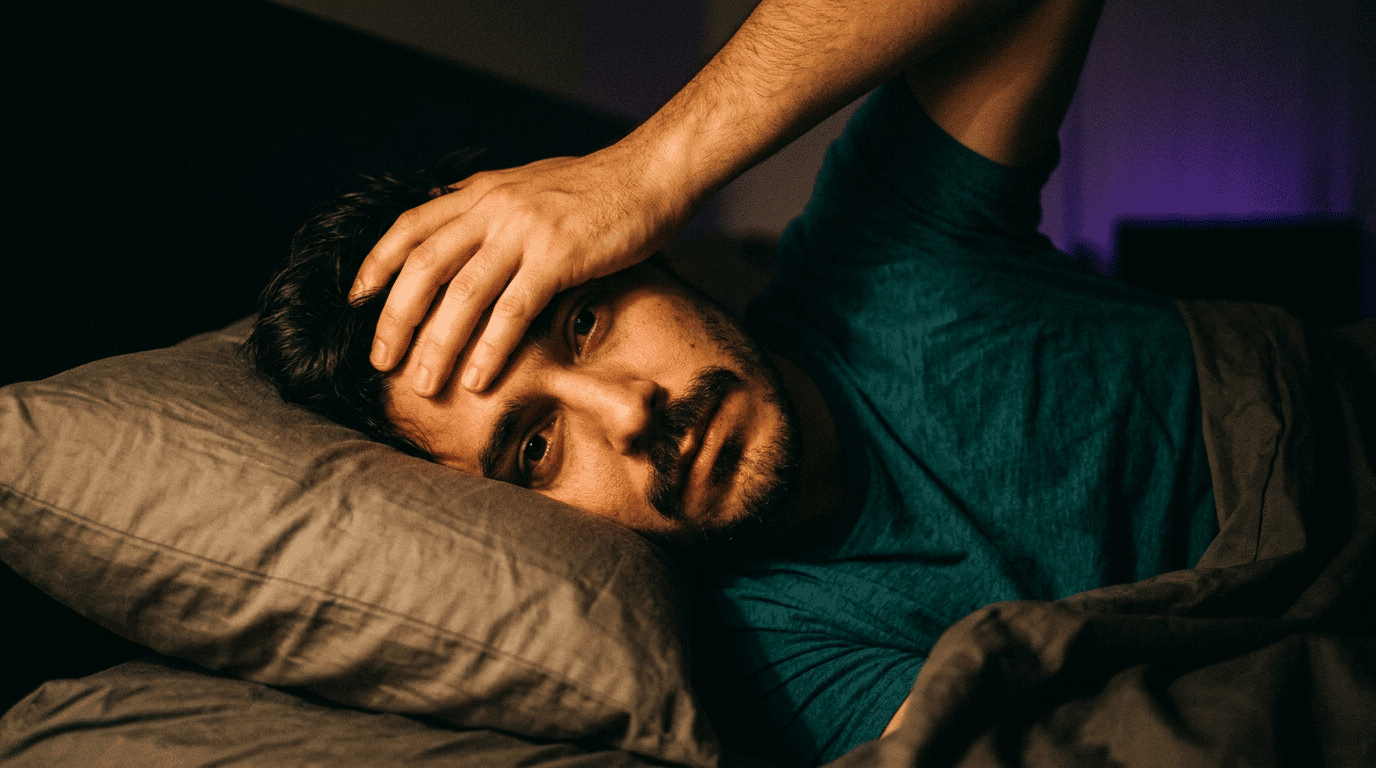
Not everyone experiences sleep deprivation in the same way. Several factors can influence how the body responds.
| Factor | How It Affects Sleep Deprivation |
|---|---|
| Age | The ability to handle sleep loss can change with age |
| Overall health | Existing health conditions may lead to stronger effects sooner |
| Stress levels | Higher stress can intensify the effects of sleep loss |
| Caffeine use | May mask fatigue temporarily but doesn’t prevent underlying effects |
| Medications | Certain medications can influence alertness and sleep quality |
| Work schedules | Irregular or demanding schedules can increase the risk of sleep loss |
| Lifestyle choices | Daily habits and routines affect overall sleep quality |
| Sleep quality history | Poor sleep habits can cause effects to appear sooner |
How to Recover After Missing Sleep?
If sleep loss occurs due to travel, work, or other responsibilities, healthy habits can support recovery.
Step 1
Return to a Consistent Sleep Schedule: Going to bed and waking up at the same time each day helps reset the body’s internal clock and improves overall sleep quality.
Step 2
Allow Extra Time for Rest: Giving the body additional time to sleep after a period of sleep loss allows it to recover more fully.
Step 3
Avoid Heavy Caffeine Use Late in The Day: Limiting caffeine intake in the afternoon and evening prevents it from interfering with the ability to fall asleep at night.
Step 4
Reduce Screen Exposure Before Bedtime: Cutting back on screen time before bed helps limit disruption of the body’s natural sleep signals.
Step 5
Keep The Bedroom Quiet and Comfortable: A quiet, comfortable sleep environment promotes deeper, more uninterrupted rest.
While one night of poor sleep can often be corrected fairly quickly, regular sleep deprivation requires more meaningful changes to daily habits and routines over time.
Final Takeaway
So, how long can the human body go without sleep? Although the longest documented case lasted about 11 days, signs of sleep deprivation can begin within just 24 hours.
Reduced focus, slower reactions, mood changes, and poor judgment can quickly affect daily life, while ongoing sleep loss increases the risk of more serious health problems.
Prioritizing consistent, quality sleep is one of the simplest ways to support overall well-being.
Found this blog helpful? Share it with someone who burns the midnight oil, and leave a comment below with your best sleep tips or experience.
Frequently Asked Questions
Can You Catch Up on Missed Sleep Over The Weekend?
Partially. Extra weekend sleep can ease some fatigue, but it does not fully reverse the effects of ongoing weekday sleep deprivation.
Does Napping Help Reduce The Effects Of Sleep Deprivation?
Yes, short naps can temporarily improve alertness and performance, though they do not replace the full benefits of uninterrupted nighttime sleep.
Is It Possible To Train Your Body To Need Less Sleep?
No, sleep needs are largely biological. Consistently sleeping less than required leads to cumulative deficits, regardless of perceived adaptation over time.