A comfortable bedroom supports more than sleep. It creates a place where you can relax, slow down, and step away from the demands of the day. While people often focus on mattresses, bedding, and room temperature, lighting also plays a major role in how a bedroom feels. Thoughtful lighting choices can help create a calming atmosphere that encourages rest and comfort. When exploring options for decorative and functional fixtures, many homeowners look to resources such as Arteriors lighting for inspiration on creating a well-balanced space.
Why Bedroom Lighting Matters
Lighting affects how people experience a room. Bright, harsh lighting can make a bedroom feel more active and less inviting. Soft lighting creates a sense of warmth and comfort that supports relaxation.
The bedroom serves many purposes throughout the day. It may function as a place to sleep, read, get dressed, or spend quiet time. Because these activities require different levels of light, a single overhead fixture often cannot meet every need.
A thoughtful lighting plan allows the room to adapt to different situations. It also helps create a welcoming environment that feels comfortable from morning through evening.
Create Layers of Light
One of the most effective ways to improve bedroom lighting is to use multiple light sources. This approach creates flexibility and helps the room feel more complete.
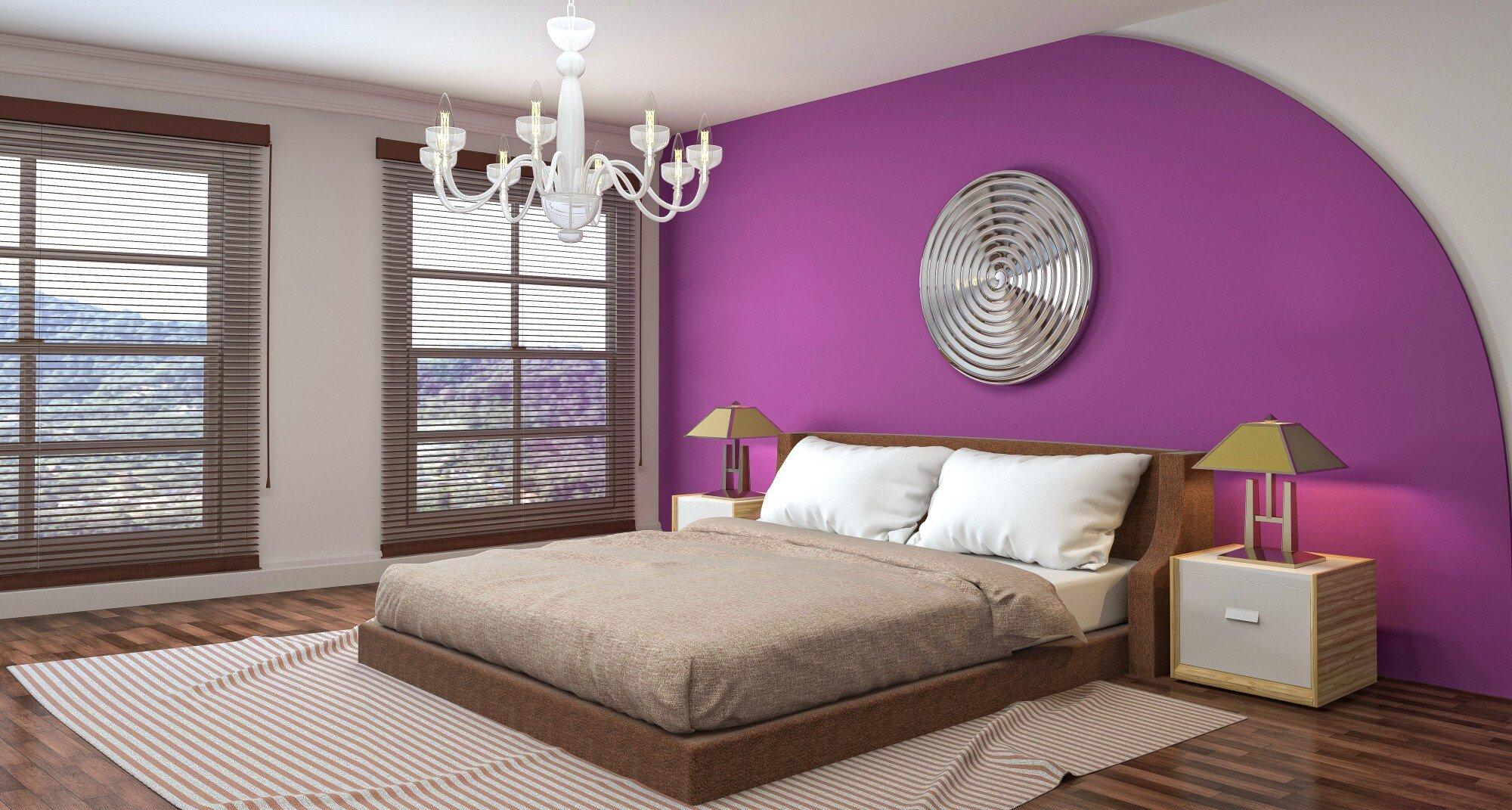
Ambient lighting provides overall illumination. Ceiling fixtures, flush mounts, and chandeliers often serve this purpose. Task lighting supports specific activities such as reading or getting ready for the day. Bedside lamps and wall sconces are common examples.
Accent lighting adds visual interest. It can highlight artwork, architectural features, or decorative elements within the room. These smaller touches help create depth and character.
When these layers work together, the bedroom feels balanced. The space becomes easier to use while also maintaining a calm atmosphere.
Choose Warm Light for Relaxation
Light color has a strong impact on mood. Warm lighting often feels softer and more inviting. It helps create a peaceful environment that supports evening routines.
Many homeowners prefer warm light in bedrooms because it complements fabrics, wood finishes, and decorative accessories. It can also make the room feel more comfortable during darker hours.
Cooler lighting may be useful in areas where visibility is important, but it can feel less relaxing in spaces dedicated to rest. Choosing warm bulbs for lamps and other fixtures can help establish a soothing atmosphere throughout the room.
Make Bedside Lighting Functional
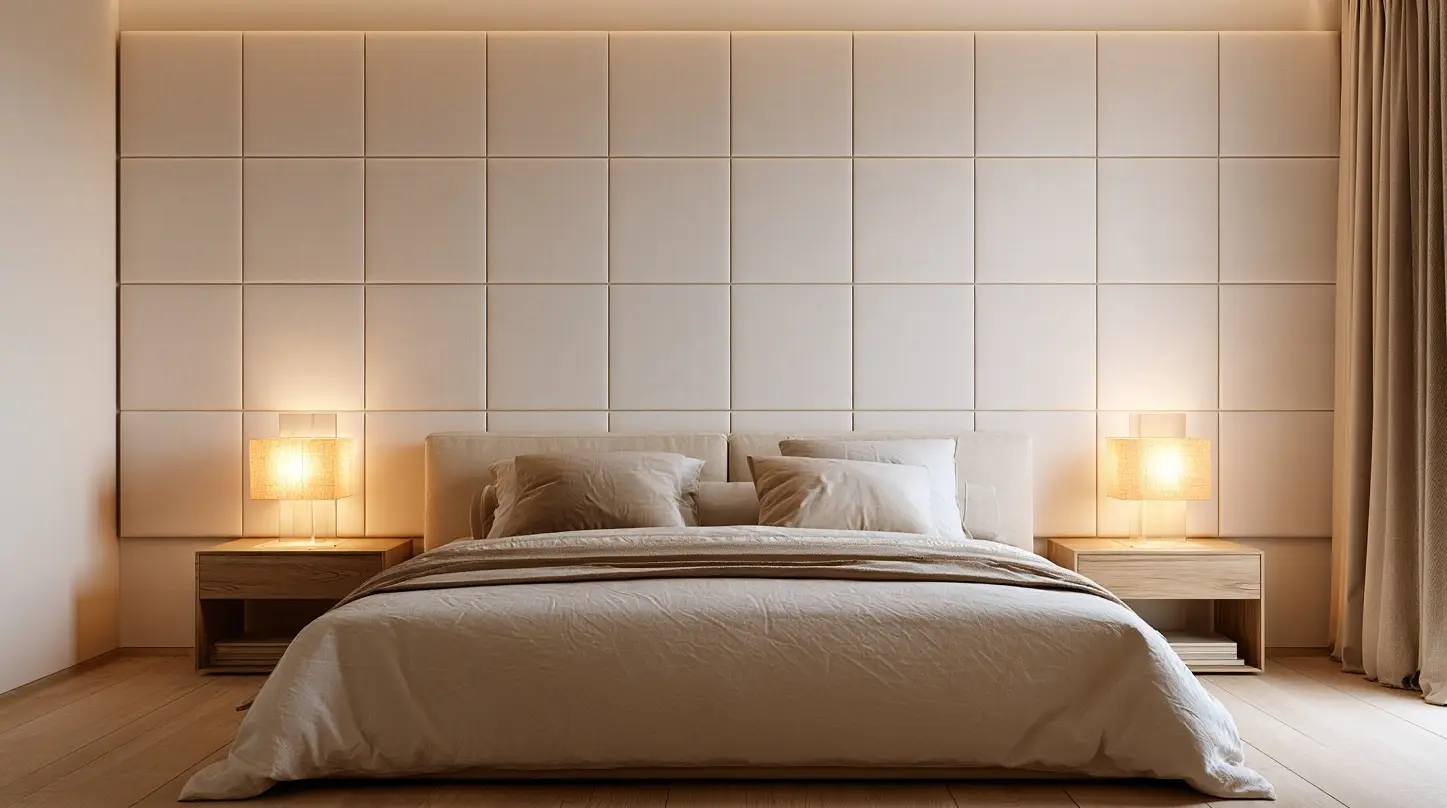
Bedside lighting serves both practical and decorative purposes. A good bedside lamp provides enough light for reading without overwhelming the room.
The size and placement of the fixture matter. A lamp that is too large can dominate a nightstand, while one that is too small may not provide adequate light. The goal is to find a fixture that feels proportionate to the surrounding furniture.
Wall sconces can also work well in bedrooms. They free up surface space and help create a clean, uncluttered look. Adjustable options offer flexibility for reading and other activities.
By choosing bedside lighting carefully, homeowners can improve both comfort and convenience.
Consider the Role of Decorative Fixtures

Lighting fixtures contribute to the overall design of a bedroom. They do more than illuminate the space. They help establish style and personality.
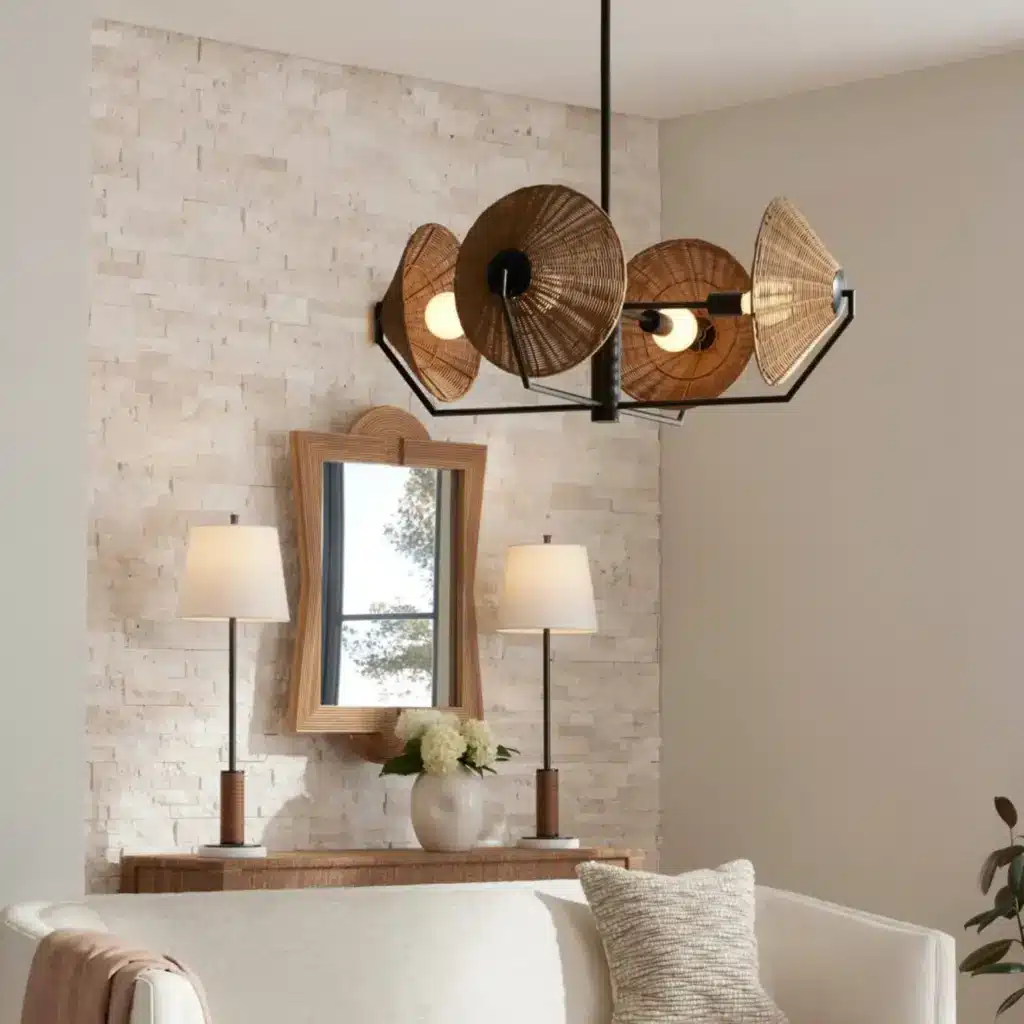
A statement pendant can draw attention to the center of the room. Elegant table lamps can add texture and visual interest. Wall fixtures can create symmetry and balance around the bed.
When selecting decorative lighting, it helps to consider the existing furniture, colors, and materials within the room. Fixtures should complement the overall design rather than compete with it.
Small details often have a significant impact. The finish of a lamp, the shape of a shade, or the texture of a fixture can influence how the entire room feels.
Use Dimmers for Greater Flexibility
A bedroom experiences different needs throughout the day. Bright lighting may be helpful when cleaning or organizing. Softer lighting often feels more appropriate during the evening.
Dimmers allow homeowners to adjust lighting levels based on the situation. This simple feature provides greater control and can improve comfort throughout the day.
Lower light levels in the evening help create a more relaxing environment. They also allow decorative fixtures to contribute to the room’s atmosphere without becoming overpowering.
Because lighting needs change, flexibility often leads to a more enjoyable space.
Reduce Visual Clutter
A restful bedroom benefits from simplicity. Too many competing elements can make the room feel busy and distracting.
Lighting can help create visual order. Matching bedside fixtures can establish balance. Coordinated finishes can connect different parts of the room. Consistent design choices help the space feel intentional and cohesive.
This does not mean every fixture must match perfectly. Instead, look for common themes that tie the room together. Similar materials, shapes, or finishes can create harmony without making the design feel repetitive.
A well-organized space often feels more comfortable and inviting.
Connect Lighting With Natural Light
Natural light remains an important part of bedroom design. During the day, sunlight can brighten the room and create a welcoming atmosphere. Lighting choices should work alongside these changing conditions.
Consider how sunlight enters the room throughout the day. Areas that receive less natural light may benefit from additional lamps or wall fixtures. Spaces with abundant daylight may require less supplemental lighting during daytime hours.
By understanding how natural and artificial light interact, homeowners can create a more balanced environment.
Support Better Evening Routines
Many people spend time reading, reflecting, or preparing for the next day before going to sleep. Lighting can help support these routines.
Soft bedside lighting creates a comfortable setting for reading. Accent lighting can provide gentle illumination without making the room feel overly bright. Warm light encourages a sense of calm that helps the bedroom feel separate from the more active areas of the home.
These small adjustments contribute to a space that feels welcoming at the end of the day.
Final Thoughts
Bedroom lighting influences comfort, atmosphere, and daily routines. Thoughtful choices can help transform an ordinary room into a space that feels calm and inviting. By layering light, choosing warm tones, and selecting fixtures that complement the overall design, homeowners can create a bedroom that supports relaxation and everyday comfort. A balanced lighting plan allows the room to function well while also providing the peaceful atmosphere many people seek in their personal space.