

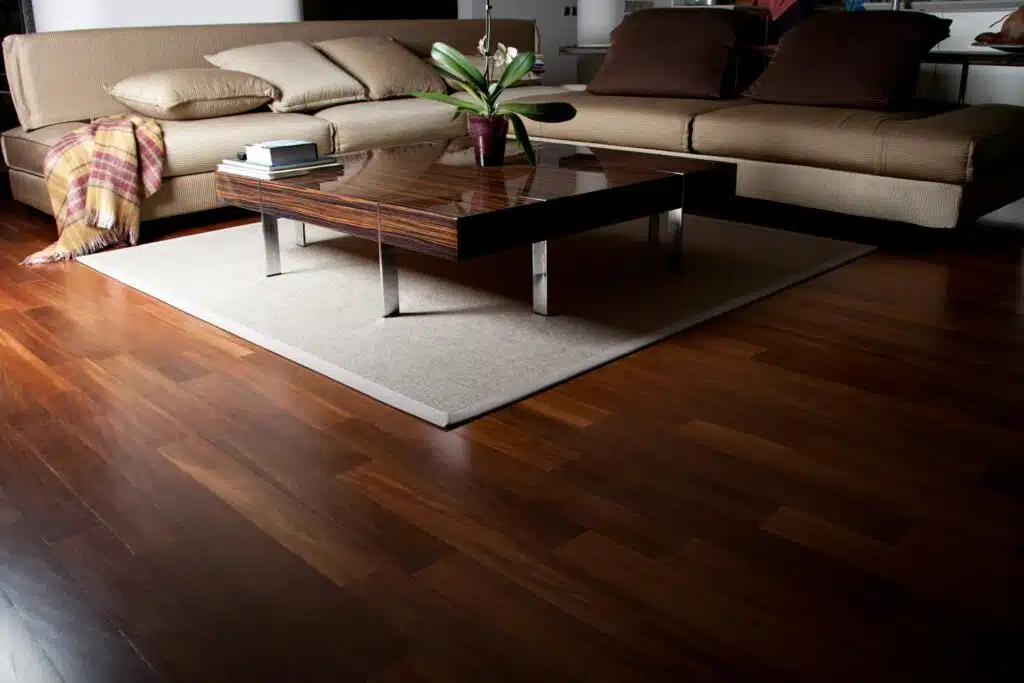
Engineered wood floors suit both minimalist and classic interiors by combining natural beauty with versatile design options. They add warmth to modern spaces and character to traditional homes, while their layered construction provides stability and a wide range of finishes.
By choosing the right plank width, colour, and finish, homeowners can easily match engineered wood flooring to their desired style. This article explores how different design choices help engineered wood floors complement both minimalist and classic homes.
Understanding Engineered Wood Floors in Interior Design
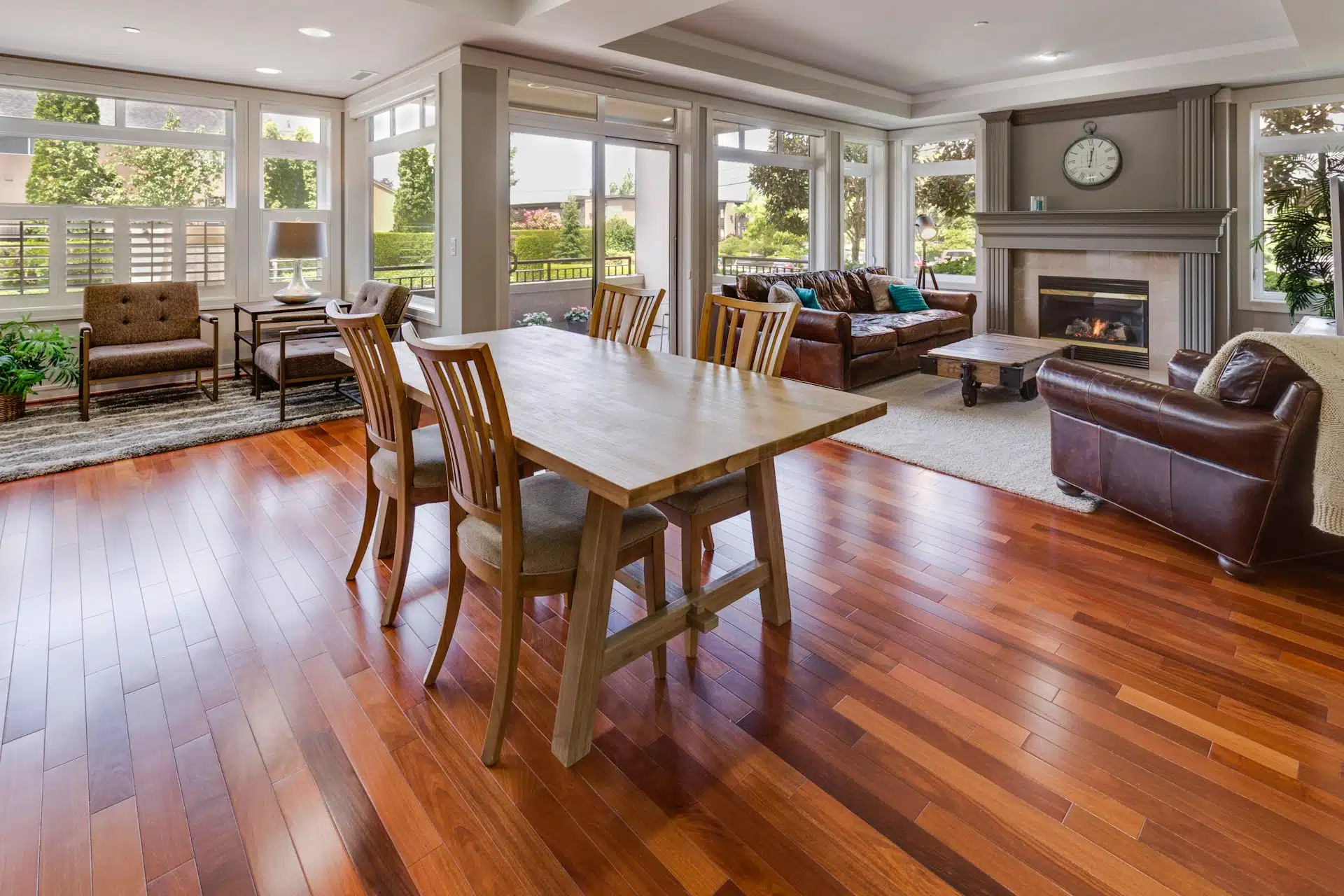
Engineered wood floors combine real hardwood veneers with layered wood construction, which creates a stable product suitable for various home styles. These floors offer practical advantages like moisture resistance and flexible installation options, whilst maintaining the natural beauty of traditional wood.
Key Benefits for Homeowners
The layered construction provides dimensional stability, which means the planks remain flat and resist warping better than solid wood alternatives. Many homeowners appreciate the feature of easy to install engineered wood floors that require less specialised knowledge than traditional hardwood. This characteristic makes them suitable for installation over concrete subfloors or in basements where solid wood would fail.
The tongue-and-groove edges click together or glue down with minimal tools and experience. Some products even allow for floating installation, which means no adhesive attaches them to the subfloor.
Cost presents another advantage. Engineered options typically cost less than solid hardwood, whilst still offering a genuine wood surface. The efficient use of materials reduces waste and makes the product more accessible to different budgets.
Maintenance remains straightforward. Regular sweeping and occasional damp mopping keep the floors clean. The protective finish on most products resists scratches and daily wear better than unfinished solid wood.
Defining Engineered Wood Flooring
Engineered wood flooring consists of multiple layers of wood stacked and bonded together. The top layer features real hardwood veneer, which provides the authentic appearance of solid wood. Beneath this surface, several layers of plywood or high-density fibreboard create a stable core.
This construction method differs significantly from solid hardwood, which comes from a single piece of timber throughout its entire thickness. The layered structure makes engineered floors less susceptible to expansion and contraction caused by temperature and humidity changes. For example, areas with underfloor heating or high moisture levels benefit from this added stability.
Manufacturers mill these planks into various widths and lengths that resemble traditional floorboards. The top veneer typically ranges from 2mm to 6mm thick, with thicker veneers allowing for more refinishing over the floor’s lifetime.
Varieties and Material Options
The top veneer comes in numerous wood species, from traditional oak and walnut to exotic varieties like acacia or bamboo. Oak remains the most popular choice due to its durability and neutral grain pattern. Each species offers distinct colour tones and grain characteristics that suit different design preferences.
Surface finishes vary between products. Matt finishes provide a contemporary, understated appearance. Satin finishes offer a subtle sheen that works in both modern and traditional settings. Glossy finishes, though less common, create a formal look but show scratches more readily.
Plank widths range from narrow strips at 90mm to wide boards exceeding 240mm. Narrow planks suit smaller rooms and classic designs. Wide planks create a modern aesthetic and work well in open-plan spaces.
Texture options include smooth, brushed, or hand-scraped surfaces. Smooth finishes appear sleek and refined. Brushed textures add tactile interest whilst helping hide minor wear. Hand-scraped finishes provide rustic character through intentional surface variations.
Thickness affects both performance and installation flexibility. Standard engineered floors measure 14mm to 18mm thick, but products range from 10mm to 21mm. Thicker boards feel more solid underfoot and accommodate more refinishing attempts over time.
Integrating Engineered Wood Floors into Minimalist and Classic Homes
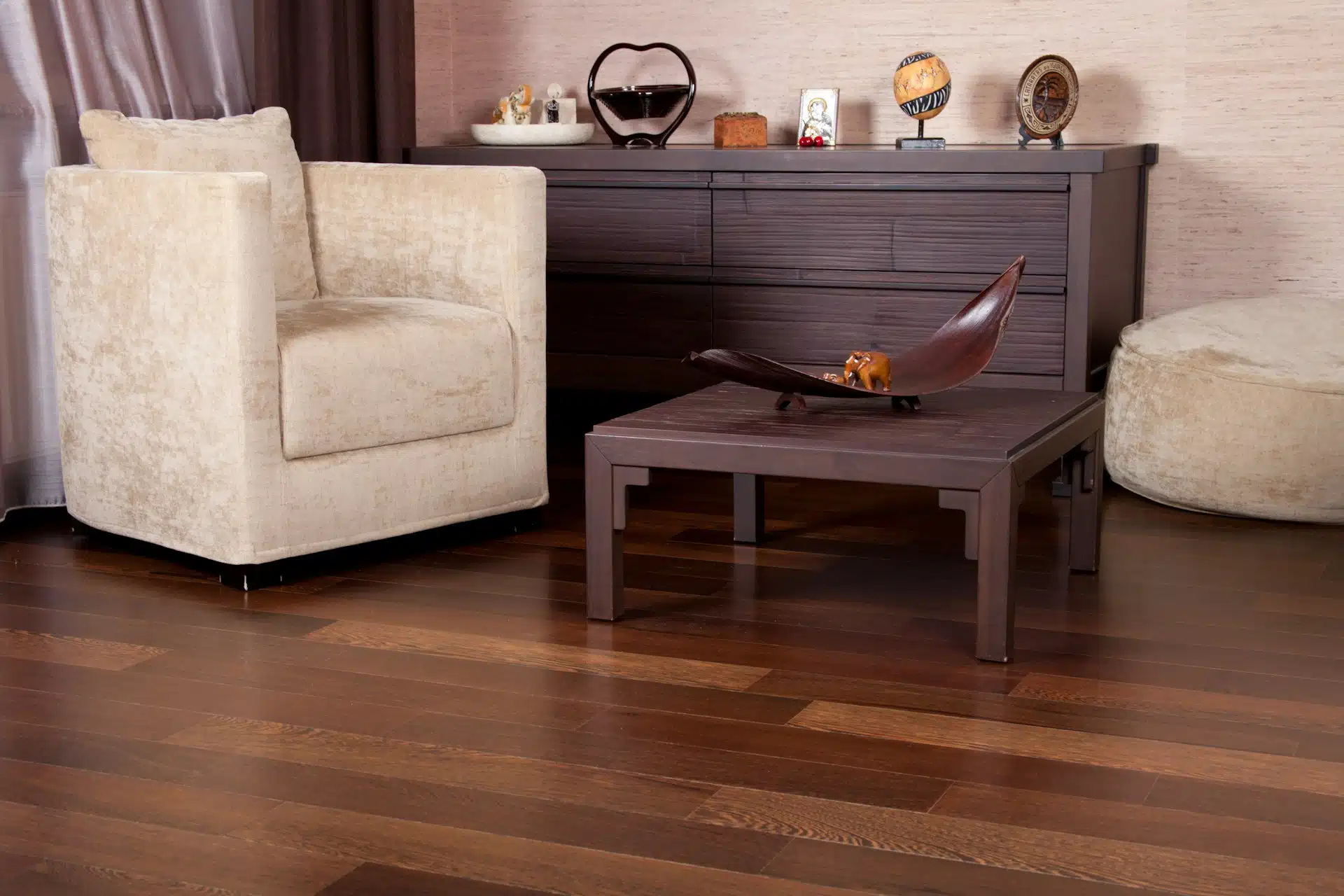
Engineered wood floors adapt to both minimalist and classic design styles through careful selection of plank width, colour tone, and finish type. The right combination creates balance between natural warmth and the specific character of each interior style.
Harmonising with Minimalist Aesthetics
Wide plank engineered wood creates clean lines that support minimalist principles. Fewer seams between boards produce an unbroken visual flow across the floor surface. This streamlined appearance allows the flooring to serve as a neutral foundation rather than a focal point.
Light to medium wood tones work best in minimalist spaces. Oak, ash, and maple species provide subtle grain patterns that add texture without visual clutter. Matte or natural oil finishes maintain the understated quality that minimalist design requires.
The layered construction of engineered wood offers practical benefits for minimalist homes. It resists moisture and temperature changes better than solid wood. This stability means the floor maintains its appearance with less maintenance, which aligns with the minimalist focus on function.
Plank width matters for the overall effect. Boards between 180mm and 240mm wide create the most impact in minimalist rooms. They reduce visual breaks and make smaller spaces appear larger.
Complementing Classic Interior Styles
Classic interiors benefit from engineered wood that matches traditional aesthetics. The selection process starts with identifying the specific period or style of the home. Georgian, Victorian, and Edwardian homes each have distinct flooring characteristics.
Narrower planks between 90mm and 150mm wide suit period properties better. They reflect historical construction methods whilst still providing modern stability. Herringbone and chevron patterns offer authentic looks that work in hallways and formal rooms.
Darker wood tones and richer finishes support classic design schemes. Walnut, mahogany, and dark oak species add depth to traditional spaces. Hand-scraped or wire-brushed textures create character that matches aged solid wood floors.
The engineered construction allows installation over existing floors in older properties. This saves time and prevents damage to original features. Many manufacturers produce collections that specifically replicate antique wood appearances whilst providing modern performance.
Choosing Colours and Finishes
Colour selection depends on natural light levels and room size. Pale woods reflect light and open up smaller areas. Medium tones provide versatility across different design styles. Dark woods create drama but require more maintenance to hide dust and scratches.
Finish types affect both appearance and practicality. Matte finishes hide imperfections and suit high-traffic areas. Satin finishes offer a subtle sheen with good durability. Gloss finishes work in formal spaces but show wear patterns more readily.
Oil-based finishes penetrate the wood and allow easier repairs to individual boards. Lacquer finishes sit on the surface and provide stronger protection against spills. The choice affects long-term maintenance requirements and renovation options.
Sample boards should be tested in the actual room before purchase. Lighting changes throughout the day alter how colours appear. At least a week of observation helps confirm the right choice.
Installation Considerations and Best Practices
Subfloor preparation affects the final result regardless of design style. The base must be level, dry, and clean before installation starts. Concrete subfloors need moisture testing to prevent future problems.
Three main installation methods suit different situations. Floating floors work over underfloor heat and existing surfaces. Homeowners considering nailed hardwood flooring should check whether radiant heat panels under hardwood floors are compatible with their chosen flooring and subfloor system.
Glue-down installation provides the most stable result for large open areas. Secret nailing suits traditional properties where authenticity matters.
Acclimatisation periods vary by manufacturer but typically require 48 to 72 hours. The unopened boxes should sit in the installation room during this time. This allows the wood to adjust to local temperature and humidity levels.
Direction of the plank layout changes the room proportions visually. Boards run parallel to the longest wall make narrow rooms appear wider. Diagonal layouts add interest but increase material waste. The pattern should support the overall design intent rather than complicate it.
Conclusion
Engineered wood floors work well in both minimalist and classic homes. Their natural warmth and versatile design allow them to support the clean lines of modern spaces whilst complementing the rich details of traditional interiors.
Homeowners benefit from a flooring choice that offers both aesthetic appeal and practical durability. Therefore, engineered wood remains a smart investment for those who value timeless style combined with modern performance.