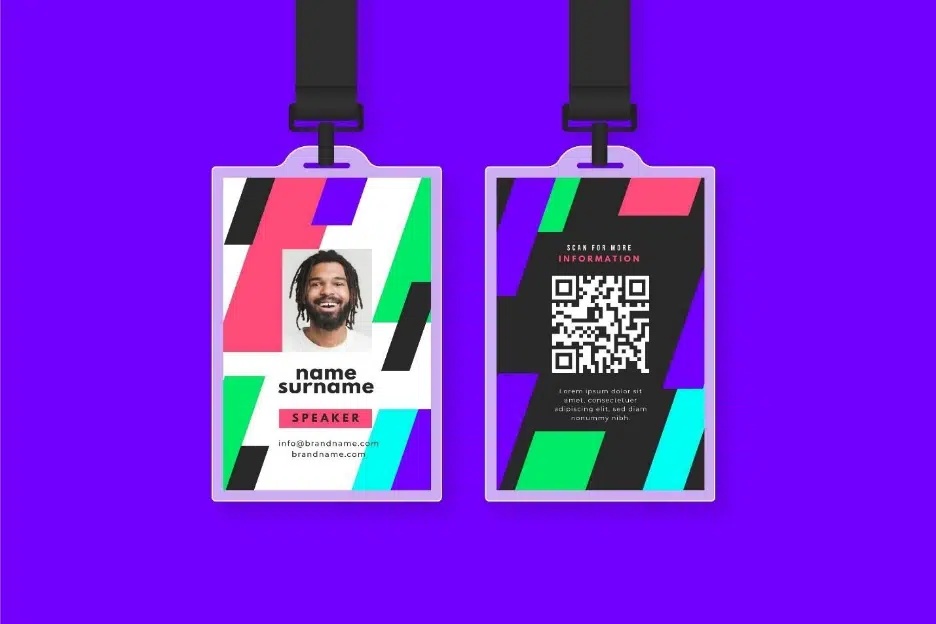
The success of any event depends on the experience people have from the moment they arrive. Every detail shapes that experience, including the badge each attendee receives at check-in. A well-designed event badge does far more than display a name.
It helps people navigate the venue with less confusion, supports event security, encourages conversation, and gives staff the information they need to keep everything running smoothly. When badges include clear details, durable materials, and useful features like QR codes or barcodes, they become an important part of the event rather than just an entry pass.
Choosing the right custom event badges gives organizers a practical way to enhance the guest experience while streamlining daily event operations for everyone involved. Here are five ways well-designed custom event badges improve the attendee experience.
1. Clear Identification Makes Every Interaction Easier
One of the biggest benefits of well-designed custom event badges is that they help people quickly recognize one another. A badge with a clear name, company, title, and attendee status removes awkward introductions and makes networking feel more natural. You can easily see who the speakers, exhibitors, staff, and VIP guests are as opposed to regular attendees.
Variable data printing also enables every badge to show different information. Organizers can import attendee data via a CSV file and have each badge print the correct name, ticket, company, or even an attendee’s seat number. This speeds up check-in while preventing errors.
Large text that is easy to read also helps exhibitors and other attendees get straight into conversations rather than having to ask simple questions first. Less time is spent figuring out who someone is, and more time is spent making valuable connections throughout the event.
2. Durable Badge Materials Keep Attendees Comfortable
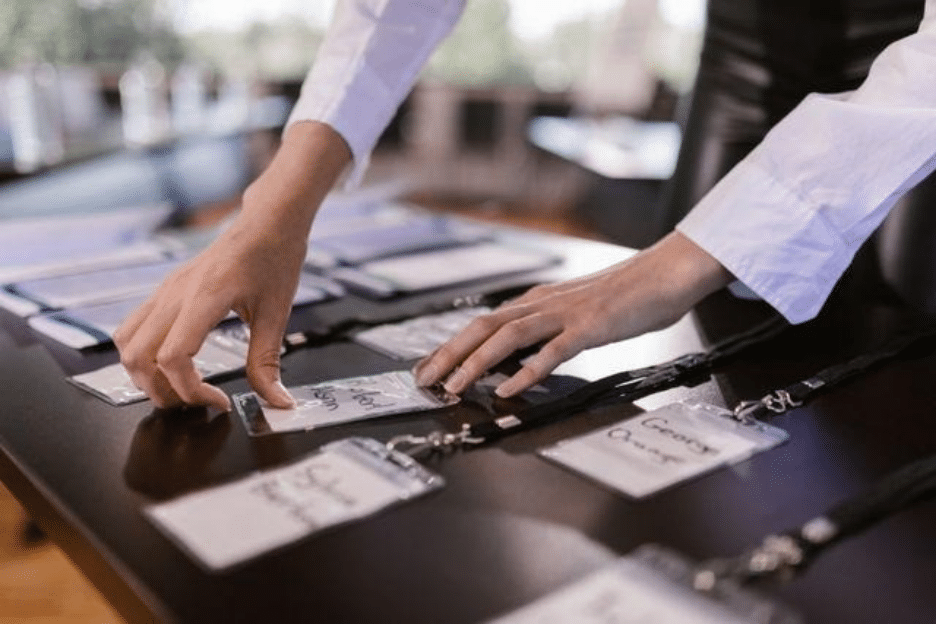
The last thing anyone needs during an event is a damaged badge. Whether vital details are obscured by ink that won’t dry or a weak material makes a badge floppy after just a few hours of use, attendees will have to replace their badge instead of enjoying the event.
Well-designed custom plastic event badges can handle this problem because their PVC material withstands constant handling. Laminated paper badges are also surprisingly durable, with thickness and finish options that keep them looking fresh over a multi-day event.
For high-value events, holographic overlays and raised security elements make badges easier to read and harder to forge. With quality materials, attendees keep everything in good shape from session one through the closing reception. It’s an easy upgrade that eliminates little annoyances that can spoil an otherwise great experience.
3. Fast Scanning Creates a Smooth Event Experience
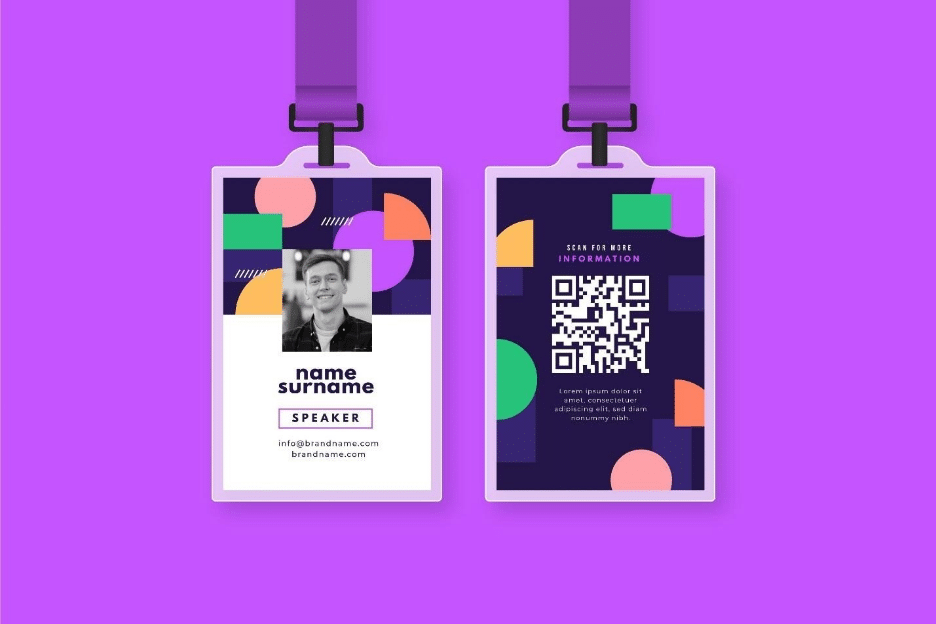
Long lines at registration or session entrances are no fun for anyone. But well-designed custom event badges with barcodes or QR codes make it so much easier to get attendees through those areas more quickly and avoid unnecessary commotion.
Barcodes make it easy to quickly scan and match each person with their registration record using a scanner or smartphone app. QR codes can also contain additional details such as name, contact information, ticket type, and other event information.
This allows exhibitors or organizers to collect accurate attendee data during lead retrieval while preventing errors caused by manual data entry. With fast scanning, you can easily do access control for certain areas, VIP sections, workshops, or even just reserved seating. Faster check-in means more time to attend talks, visit exhibitors, and network.
4. Creative Badge Designs Leave a Strong Impression
A badge, as small as it is, reveals the style and character of an event. And good design will let your attendees feel that everything is taken care of.
Lenticular event badges are a cool option for VIP guests. They showcase either animated images or a three-dimensional effect that is sure to catch the eye. Plus, they’re usually pretty hard not to hold onto long after an event is over.
Event organizers can add sponsor logos, attendee status, and other important info without making a badge look too busy. The back of the badge can feature plans for the day/schedule, a map of the venue, Wi Fi password, or sponsor information/highlights needed during the day.
Matching lanyards complete the look, ensure badges are visible and easily accessible, and again help attendees stay informed.
5. Better Badges Support Security and Event Organization
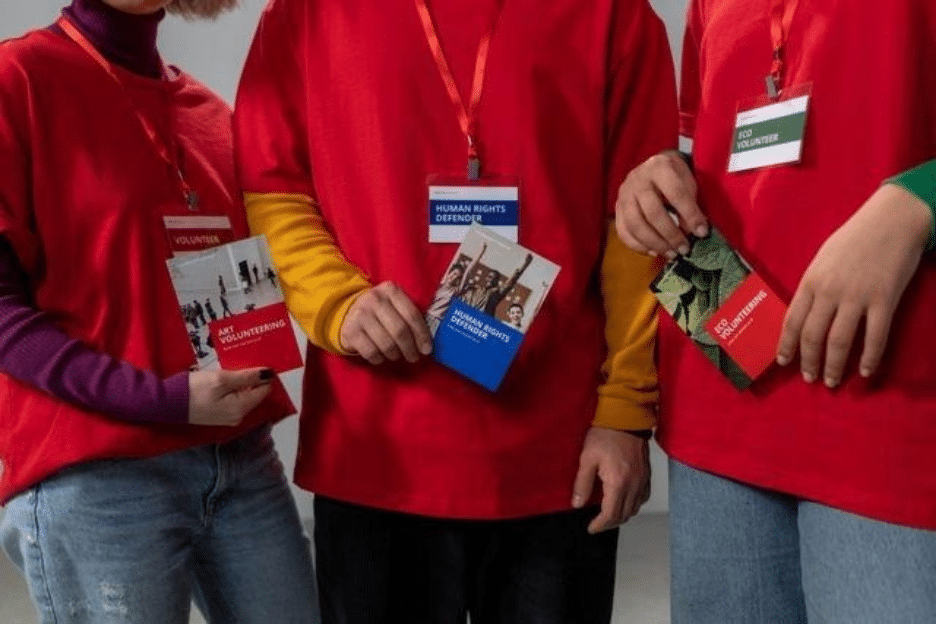
Event safety relies on fast identification and trusted access. A badge that provides the right information to staff without impeding attendees.
Color-coded attendee categories can easily help you identify a speaker, exhibitor, staff member, media, and/or VIP guest from across the room. Including a photo of your attendee can also serve as an additional layer of verification for more secure events.
Not to mention raised foil, spot gloss finishes, holographic elements, and other security features that make badges extremely difficult to duplicate. This eliminates unauthorized access for organizers in most cases of restricted areas.
Event badges that provide security and clear identification eliminate the need for staff to double-check everyone’s credentials and allow attendees to move around the venue without concern. What you’ll get is an event that feels organized and safe for everyone.
Conclusion
A well-designed event badge is capable of so much more than just serving as proof of entry. It can facilitate networking, streamline registration, enhance security, and make key information easily accessible throughout your event.
High-quality materials ensure all-day legibility, while features such as QR codes, bar codes, and variable data printing help to streamline event management processes. Innovative products such as lenticular badges will also treat VIPs to a memorable experience that befits the caliber of your event. With each badge planned with precision, attendees are freed from minor hassles and can enjoy what they actually came for.