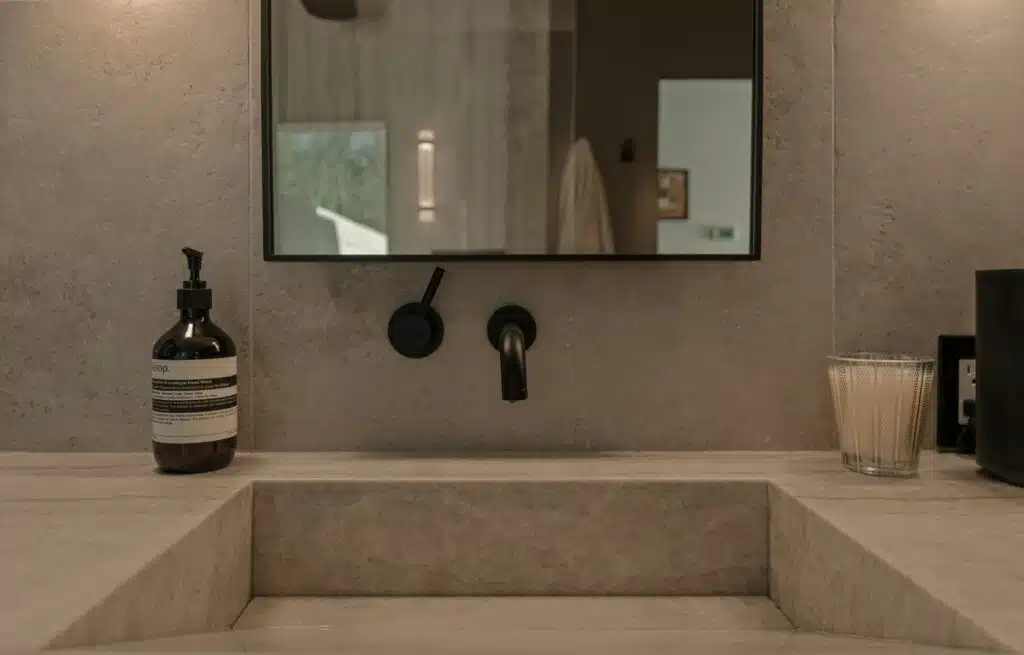
Home comfort is often associated with visible elements such as lighting, layout, or décor. However, long-term comfort is primarily determined by material performance, especially in high-use environments like bathrooms. These spaces are exposed to constant water, heat, and daily mechanical stress, making material selection a key factor in how a home feels and functions over time.
Choosing the right components, such as an acrylic bathtub or a properly designed shower pan, directly influences daily usability, maintenance effort, and long-term durability. These are not just installation choices but foundational comfort decisions that affect how a bathroom performs for years.
Many homeowners underestimate how quickly bathroom comfort can degrade when lower-quality materials are used. What initially feels like a minor difference in surface quality or drainage efficiency often develops into recurring maintenance issues, higher cleaning demands, and eventual replacement costs.
Why Bathroom Comfort Problems Start Earlier Than Expected
Comfort issues in bathrooms rarely appear suddenly. Instead, they develop gradually as materials begin to lose performance under repeated exposure to moisture and temperature changes. In many cases, homeowners adapt to small inconveniences without realizing they are early indicators of larger structural limitations.
For example, slightly slower drainage, minor surface discoloration, or increased cleaning frequency may not initially seem significant. However, these early signals often indicate underlying inefficiencies in material design or installation quality.
Bathrooms are unique because they operate under constant cycles of wet and dry conditions. Over time, this creates stress on surfaces, seals, and structural components. Once these systems begin to degrade, comfort is directly affected through increased maintenance and reduced usability.
The Hidden Cost of Low-Quality Bathroom Fixtures
Low-quality bathroom fixtures often appear cost-effective at the point of purchase, but their long-term impact is significantly more expensive. This is primarily due to reduced durability in high-moisture environments.
When materials are not designed for continuous water exposure, they begin to deteriorate faster. This leads to surface wear, sealing failure, and increased risk of water retention in areas that should remain dry.
Common long-term issues include:
- Increased cleaning frequency due to surface buildup
- Early discoloration or staining
- Seal degradation around wet zones
- Structural weakening in base components
These problems not only reduce comfort but also increase maintenance costs over time. In many cases, replacement becomes necessary far earlier than expected, creating unnecessary renovation cycles.
Acrylic vs Traditional Bath Materials
Material selection plays a major role in long-term bathroom comfort, especially when comparing modern acrylic solutions with traditional alternatives. Acrylic bathtubs have become widely used due to their balance of durability, heat retention, and ease of maintenance.
An acrylic bathtub typically provides a smoother surface that resists staining and retains warmth more effectively than many traditional materials. This contributes directly to user comfort, especially during longer bathing sessions.
Traditional materials may offer a different aesthetic, but often require higher maintenance and can lose heat more quickly. Over time, this affects both usability and energy efficiency.
The key difference lies not only in appearance but in daily performance consistency.
Shower Base Design and Water Management Issues
Shower systems rely heavily on proper base design to ensure long-term water control. A poorly designed or improperly installed base can lead to water pooling, leakage, or moisture retention beneath the surface.
A well-constructed shower pan plays a critical role in directing water efficiently toward drainage points while maintaining a sealed and stable surface. When this system fails, the consequences extend beyond inconvenience, often leading to hidden moisture damage and structural concerns.
Common issues linked to poor shower base performance include:
- Slow or uneven drainage
- Water seepage into subfloor layers
- Mold formation due to trapped moisture
- Surface instability over time
Effective shower pan design minimizes these risks and improves overall bathroom reliability.
Why Material Selection Impacts Daily Comfort More Than Design
While visual design influences perception, material quality determines actual usability. A visually appealing bathroom can still perform poorly if the underlying materials are not suited for long-term moisture exposure.
Daily comfort is influenced by several material-related factors:
- Surface temperature retention
- Resistance to staining and buildup
- Ease of cleaning
- Structural stability under repeated use
These factors directly affect how a bathroom feels during everyday routines. When materials perform well, maintenance becomes minimal and comfort remains consistent over time.
How Acrylic Bathtubs Improve Long-Term Usability
Acrylic bathtubs offer practical advantages that extend beyond appearance. Their lightweight structure simplifies installation, while their smooth surfaces reduce cleaning effort. More importantly, they retain heat effectively, improving bathing comfort.
This combination of properties makes acrylic a practical choice for homeowners focused on long-term usability rather than short-term aesthetics.
Shower Pan Performance and Bathroom Longevity
Shower pans contribute significantly to bathroom durability by controlling water flow and protecting underlying structures. When properly designed, they reduce the risk of moisture-related damage and improve long-term system stability.
Key performance benefits include:
- Reliable water containment
- Improved slip resistance
- Reduced risk of structural moisture damage
These advantages directly support both comfort and longevity in bathroom environments.
Case Study: Bathroom Upgrade and Comfort Improvement
A residential bathroom renovation in a mid-sized home demonstrated the impact of material selection on daily comfort. The original setup used a basic tub and poorly sealed shower base, leading to frequent cleaning and minor water leakage issues.
After upgrading to an acrylic bathtub and a redesigned shower pan system, the homeowner reported noticeable improvements in maintenance efficiency and overall usability. Cleaning time decreased significantly, and water management became more consistent.
The most important change was not aesthetic but functional: daily use became simpler and more predictable.
Pro Tips From a Bathroom Industry Expert
Long-term bathroom performance depends on three core factors: material quality, water management design, and installation precision. Among these, material selection has the most lasting impact because it determines how the system responds to continuous exposure.
When evaluating products, focus on moisture resistance, surface stability, and ease of maintenance rather than visual appeal alone. These criteria consistently produce better long-term outcomes.
Final Thoughts
Bathroom comfort is not determined by design alone. It is shaped by the materials that withstand daily use over time. Choosing durable components such as an acrylic bathtub or a well-designed shower pan directly impacts maintenance effort, usability, and long-term satisfaction.
When material performance is prioritized, bathrooms become easier to maintain, more comfortable to use, and significantly more cost-efficient over their lifecycle.