

You’ve heard it since childhood: drink a glass of warm milk and you’ll fall asleep faster. But does warm milk actually help you sleep, or is it just something parents say to get kids into bed
Warm milk does contain compounds linked to sleep, like tryptophan and melatonin. But the amount in a single glass is far too low to knock you out on its own.
The real reasons it works involve your body temperature, brain chemistry, and the calming power of a bedtime routine.
This blog covers what the science says, why warmth matters, and what works better if milk alone isn’t enough!
Does Warm Milk Actually Help You Sleep?
The short answer is it might, but the effect is modest. A few small studies show that warm milk before bed can help some people fall asleep faster and wake up less during the night.
One study found that hospital patients who drank warm milk with honey for three days slept better. Another found that older adults who drank more milk and stayed active had an easier time falling asleep.
But milk alone probably isn’t what’s doing the heavy lifting. The amount of sleep-promoting compounds in a single glass is small.
What seems to matter more is the warmth of the drink, the comfort of a familiar routine, and the act of slowing down before bed. Good sleep habits still matter more than any single bedtime drink.
What’s in Milk That Could Help You Sleep?
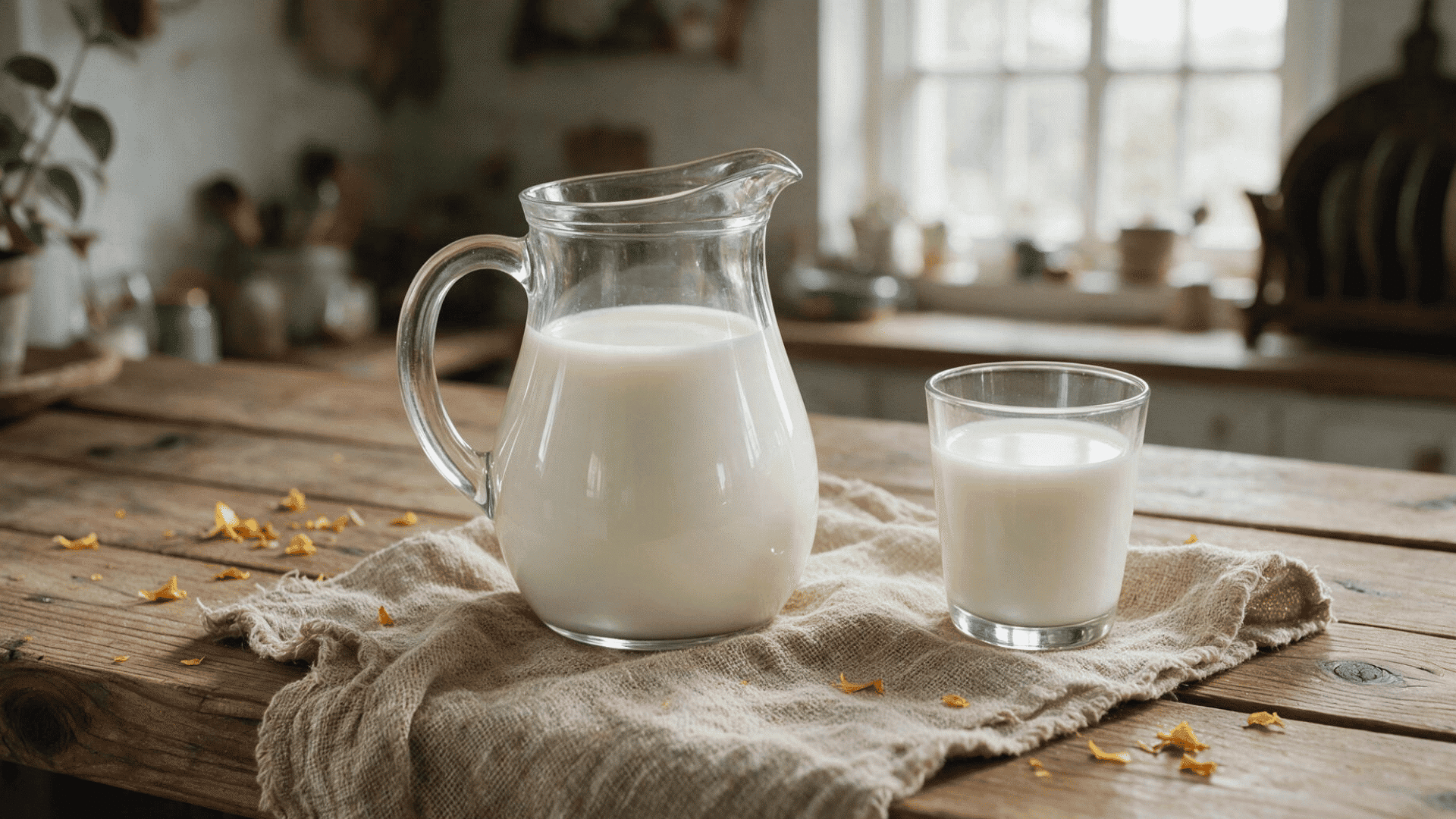
According to the NIH, milk has long been linked to bedtime comfort, and science points to a few natural compounds that may help.
Tryptophan
Tryptophan is an amino acid found in milk that plays a direct part in sleep.
Your body uses it to produce serotonin, which is then converted into melatonin, the hormone that regulates your sleep-wake cycle.
A single glass of milk won’t knock you out on its own. But its tryptophan content supports the biological process that leads to better rest, especially when paired with a calming bedtime routine.
Melatonin and Calcium
Milk naturally contains small amounts of melatonin, which may help signal your body that it’s time to sleep.
Calcium also helps by supporting the brain’s use of tryptophan in melatonin production.
Together, these nutrients may improve sleep onset and quality over time. The effect is generally subtle, but milk’s melatonin-calcium combination can support other healthy sleep habits you already practice.
Casein Peptides
Casein peptides are fragments released from milk protein that may have sleep-supporting effects.
Research suggests some casein-derived peptides work with brain signals linked to relaxation and reduced stress, which may make it easier to fall asleep.
This area is still being studied, but casein peptides are considered one of the more interesting reasons milk may support better sleep beyond simple nutrition or comfort.
Is It the Milk or the Bedtime Routine?
It may be a mix of both. Milk contains nutrients like tryptophan and calcium that can support the body’s natural sleep process, but the bigger effect may come from the routine itself.
Drinking a warm glass of milk before bed can feel comforting and signal to your brain that it is time to slow down. The 10-3-2-1-0 sleep rule is one popular framework that structures these wind-down cues, including when to cut caffeine and screens.
That repeated habit may help you relax, reduce stress, and prepare for sleep more than the milk alone. For many people, the soothing ritual, quiet environment, and bedtime consistency work together to improve rest.
So while milk can play a small role, the calming bedtime routine is often just as important.
Myth vs Fact: Does Warm Milk Help You Sleep?
There are a few common beliefs about warm milk and sleep that don’t quite match up with what research shows.
Myth: Warm milk will put you to sleep quickly.
Fact: It may help you wind down, but it’s not a powerful sleep aid. Milk contains tryptophan and melatonin in small amounts; the bigger benefit usually comes from the comfort and routine of drinking something warm before bed.
Myth: Warm milk works the same way for everyone.
Fact: People respond differently. Some feel calmer and sleep better, while others notice no difference — or feel worse if they are lactose intolerant or sensitive to dairy.
Myth: Warm milk is only meant for children.
Fact: Adults can benefit from it too, especially when it becomes part of a consistent, calming nighttime routine that signals the brain to slow down.
Warm Milk vs Melatonin Supplements
Milk and melatonin both get used as bedtime aids, but they work very differently
| Feature | Warm Milk | Melatonin Supplements |
|---|---|---|
| Main role | Bedtime drink for comfort | Sleep hormone supplement |
| How it works | May help relaxation through routine and warmth | Helps signal sleep time |
| Effect | Mild support | Stronger sleep support |
| Evidence | Limited and mixed | More research for short-term use |
| Best for | A calming bedtime habit | Trouble falling asleep or sleep timing issues |
| Downsides | May cause bloating or reflux | May cause grogginess or other side effects |
| Overall | Gentle and soothing | More direct; use with care |
Who Should Avoid Warm Milk Before Bed?
Warm milk before bed isn’t the right fit for everyone. If any of these apply to you, consider a different bedtime drink.
- Lactose Intolerance: Milk can cause bloating, gas, and stomach discomfort that make falling asleep harder, not easier.
- Milk Allergy: Even a small amount of dairy can trigger a reaction. Avoid it completely and choose a plant-based alternative instead.
- Acid Reflux or GERD: Milk may worsen nighttime heartburn and interrupt your rest, especially when you lie down right after drinking it.
- Frequent Dairy-Related Indigestion: If milk regularly gives you cramps, nausea, or an upset stomach, it’s doing more harm than good at bedtime.
This information is for general purposes only and should not be taken as medical advice. Consult a healthcare professional before making changes to your diet or sleep routine.
Conclusion
So does warm milk help you sleep? It can, but not for the reasons most people think. The tryptophan in a single glass isn’t enough to trigger drowsiness on its own.
What actually helps is the combination of warmth lowering your core body temperature, calming casein peptides, and the comfort of a quiet bedtime routine.
It’s a gentle, low-risk option. But it’s not a fix for serious sleep problems. Pairing it with a small carb like honey may boost the effect, and alternatives like tart cherry juice or chamomile tea have stronger evidence behind them.
If sleep trouble sticks around for more than a few weeks, skip the home remedies and talk to a doctor!
Frequently Asked Questions
What to Drink to Fall Asleep Fast?
Drink caffeine-free options like chamomile tea, warm milk, or tart cherry juice before bedtime for relaxation.
What Fruit Helps You Sleep?
Kiwi, tart cherries, and bananas contain nutrients that may support relaxation and healthy sleep patterns.
What Not to Eat Before Bed?
Avoid heavy, spicy, fried, sugary foods, caffeine, and alcohol close to bedtime to reduce sleep problems.