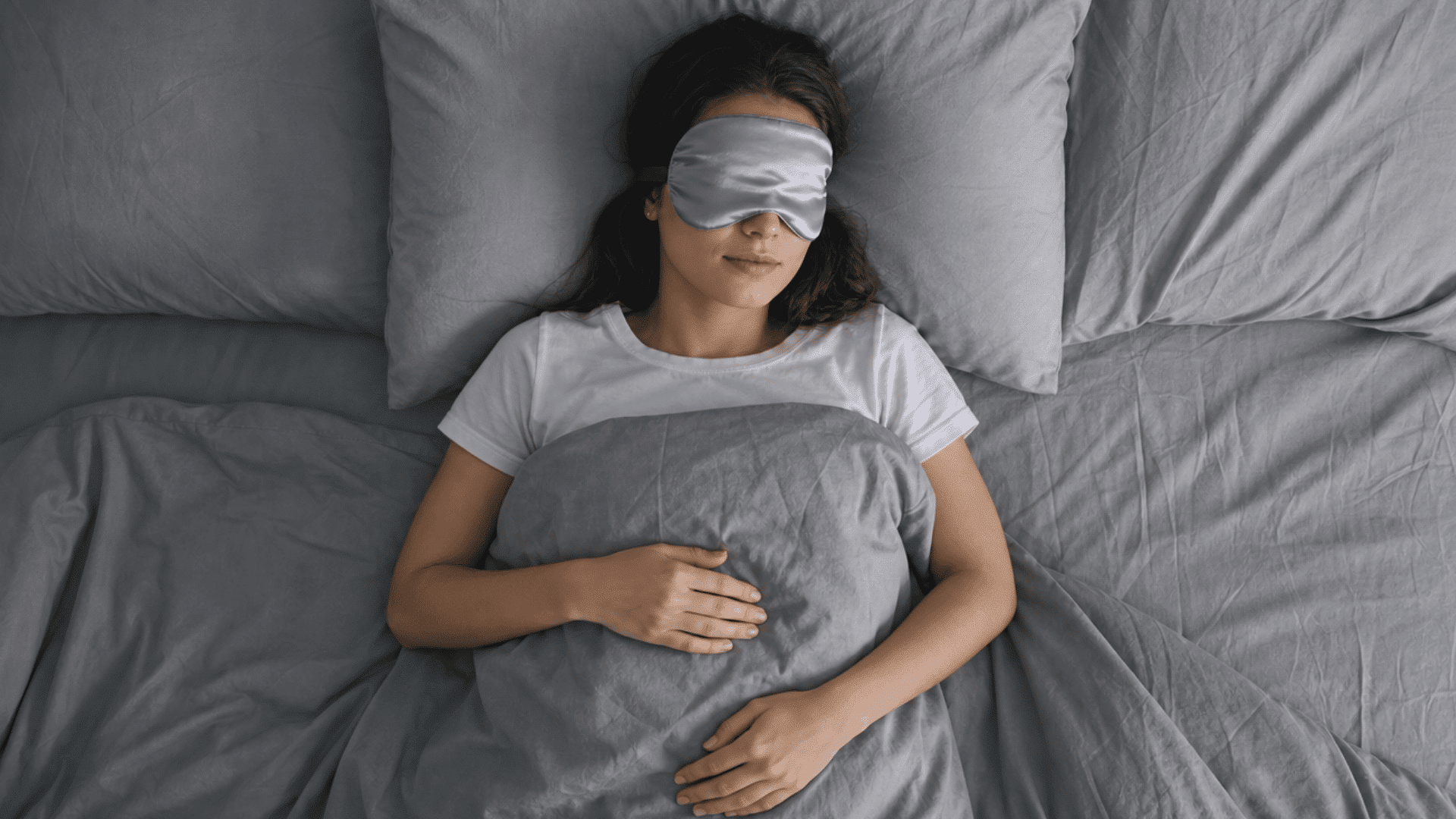
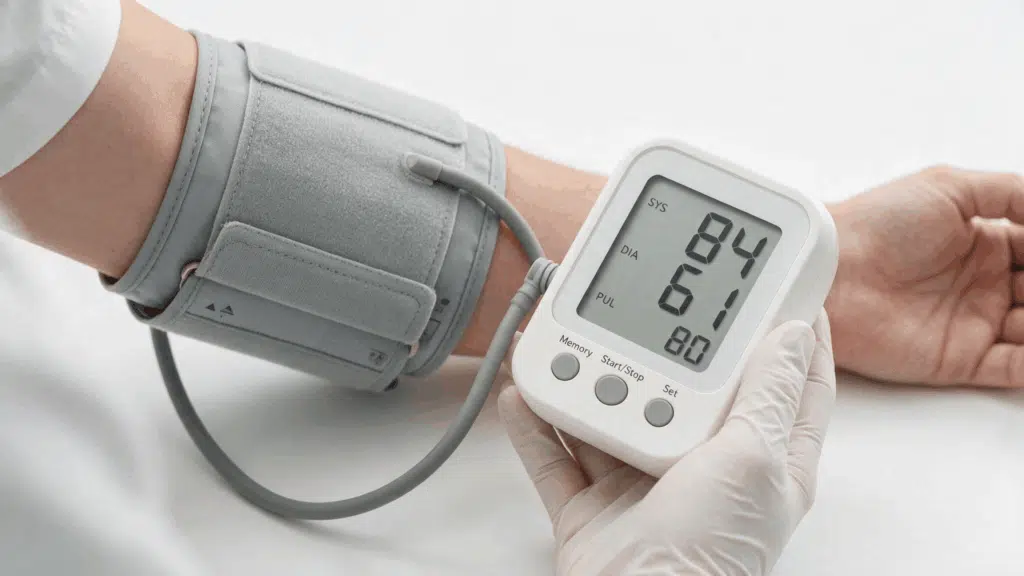
Many people ask if not getting enough sleep can cause high blood pressure, especially when poor sleep becomes a daily habit.
Research shows that getting too little sleep or sleeping at different times each night can raise the risk of high blood pressure.
Poor sleep puts extra strain on the heart and blood vessels over time.
This blog explains how sleep affects blood pressure, why the two are connected, who may be at higher risk, and simple ways to improve sleep and support heart health.
Keep reading to learn how sleep can affect your heart.
Why Lack of Sleep Can Raise Blood Pressure?
During healthy sleep, blood pressure drops. This gives the heart and blood vessels time to rest and recover.
This normal drop in blood pressure during sleep is an important part of good heart health. When sleep is too short or often interrupted, the body does not get enough time to recover.
Stress hormones stay high, the nervous system stays active, and blood pressure may remain higher than normal.
Over time, these changes can raise the risk of high blood pressure and put more strain on the heart and blood vessels.
Biological Changes That Increase Blood Pressure:
| Body Response | How It Affects Blood Pressure |
|---|---|
| More Stress Hormones | Poor sleep raises cortisol and adrenaline levels. This makes blood vessels tighten and causes the heart to work harder. |
| More Inflammation | Ongoing poor sleep can increase inflammation. This may damage blood vessels and make it harder for the body to control blood pressure. |
| Hormone Changes | Poor sleep changes hormones that help control blood sugar and other body functions. This can make it harder to keep blood pressure at a healthy level. |
What Research Says About Sleep and High Blood Pressure

The American Heart Association says healthy sleep is an important part of heart health. Many studies also show that people who do not get enough sleep are more likely to develop high blood pressure.
Studies Linking Short Sleep to Hypertension
Research has found that adults who sleep less than seven hours each night are more likely to have high blood pressure than those who get enough sleep.
Some large studies also show that the risk is even higher for people who regularly sleep fewer than six hours.
This remains true even after accounting for diet, exercise, smoking, and body weight.
Why Irregular Sleep Schedules Matter Too?
Getting enough hours of sleep is important, but so is sleeping on a regular schedule.
Going to bed and waking up at different times can upset the body’s internal clock. This can affect hormones that help control blood pressure.
Studies show that changing sleep schedules, sleeping much longer on weekends, and working night shifts may all raise the risk of high blood pressure.
Sleep Problems That May Increase Blood Pressure Risk
Poor sleep can affect blood pressure even if a person sleeps for enough hours. Some sleep problems may raise the risk over time.
1. Insomnia: Trouble falling asleep or staying asleep keeps stress hormones high. This makes it harder for the body to recover during the night and may raise blood pressure.
2. Obstructive Sleep Apnea: This condition causes breathing to stop and start during sleep. It lowers oxygen levels for short periods and can cause blood pressure to rise over time.
3. Shift Work and Irregular Sleep Schedules: Working night shifts or changing sleep times often can upset the body’s internal clock. This puts extra stress on the heart and may increase the risk of high blood pressure.
Who is Most Likely to be Affected?
Poor sleep can affect anyone, but some people have a higher chance of developing blood pressure problems.
Adults Living With Chronic Stress
Long-term stress from work, family, or daily life can make it harder to sleep well. Stress can also raise blood pressure, making both problems worse.
Older Adults
Sleep often becomes lighter and more broken with age. Because of this, older adults may be more likely to have both poor sleep and high blood pressure.
People With Heart Disease or Diabetes
People living with heart disease or diabetes may find it harder to control their blood pressure when they do not sleep well.
Signs Poor Sleep May be Affecting Your Blood Pressure

High blood pressure often has no clear symptoms. That is why it is important to pay attention to signs of poor sleep.
Common Signs
- Daytime tiredness
- Morning headaches
- Waking up many times during the night
- Trouble focusing
- Feeling irritable
- Feeling very sleepy during the day
If these problems continue, especially with high blood pressure, loud snoring, ongoing insomnia, or extreme daytime sleepiness, talk to a healthcare provider.
Can Better Sleep Help Lower Blood Pressure?
Better sleep may help support healthy blood pressure, especially when poor sleep is part of the problem.
Getting enough quality sleep allows blood pressure to follow its normal drop during the night. It also helps lower stress hormone levels. Good sleep is only one part of staying healthy.
Eating a balanced diet, staying active, keeping a healthy weight, limiting alcohol, and following your doctor’s treatment plan are also important for managing high blood pressure.
How to Improve Sleep and Support Healthy Blood Pressure
Better sleep habits can help support healthy blood pressure and heart health. Small changes made every day can have a big impact over time.
1. Stick to a Regular Sleep Schedule
Go to bed and wake up at the same time every day, even on weekends. A regular schedule helps keep your body’s internal clock on track.
2. Create a Sleep-Friendly Bedroom
Keep the bedroom cool, dark, and quiet. A comfortable mattress, blackout curtains, and white noise can help improve sleep.
3. Limit Things That Disrupt Sleep
Avoid caffeine, alcohol, heavy meals, and screens before bedtime. These can make it harder to fall asleep and stay asleep.
4. Treat Sleep Problems
If you often have trouble sleeping, snore loudly, or think you may have sleep apnea, talk to a healthcare provider. Treating these problems may improve both sleep and blood pressure.
The Bottom Line
Not getting enough sleep can do more than make a person feel tired. Over time, it can raise the risk of high blood pressure and other heart problems.
Getting enough quality sleep is an important part of keeping the heart healthy.
It works best along with healthy eating, regular exercise, and medical care when needed. Making sleep a daily priority can help support better heart health now and in the future.
Stay tuned for more expert health tips to help support better sleep and a healthier heart.
Frequently Asked Questions
What Organ is Most Affected by Lack of Sleep?
The heart is hit hardest, since poor sleep raises blood pressure and inflammation, but the brain also suffers, with impaired memory, mood, and decision-making.
Is 4 Hours of Sleep Enough?
No. Four hours falls well short of the 7–9 hours adults need, raising risks for high blood pressure, weakened immunity, poor focus, and long-term heart problems.
What is the 3-3-3 Rule for Sleep?
One popular version checks whether a person has had disrupted sleep 3 nights a week for 3 months, affecting 3 areas of daily life; a sign it may be clinical insomnia.