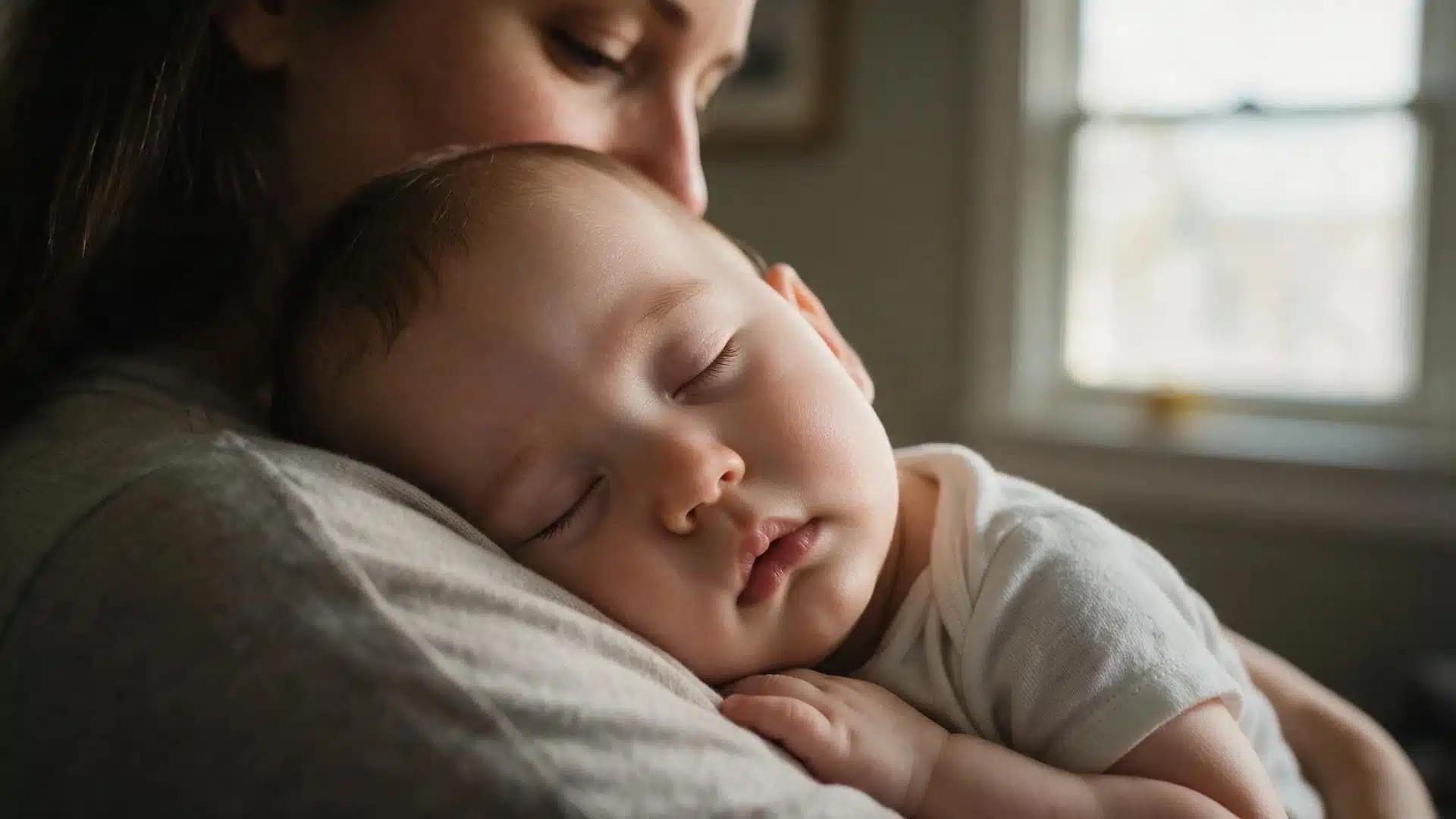

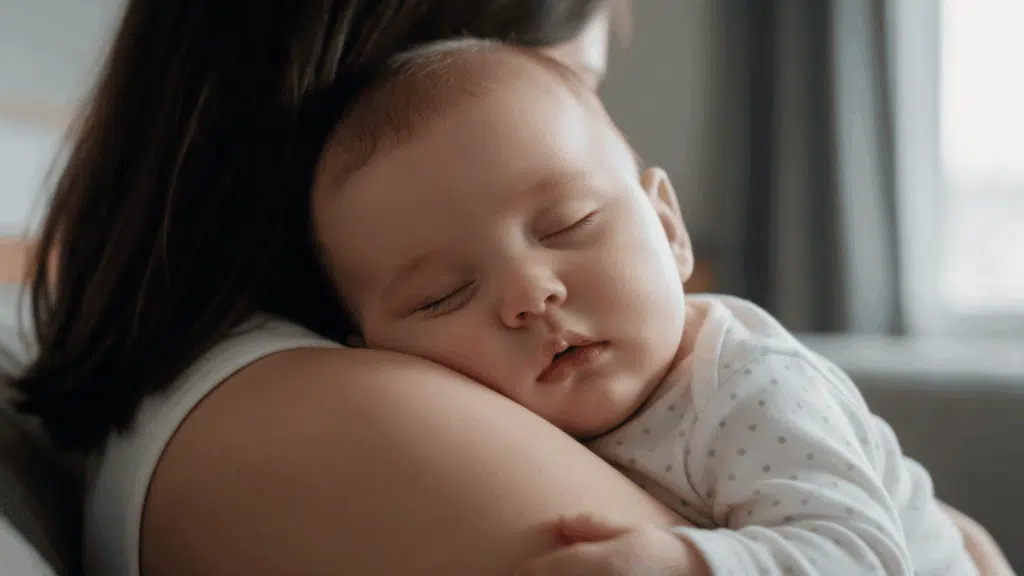
A sleeping baby may suddenly smile, twitch, suck, or let out a tiny cry, leaving parents curious about what’s happening behind those closed eyes.
These little moments can make anyone wonder, do babies dream, and if they do, what could they possibly dream about? Scientists have learned a lot about infant sleep, but we still don’t know much for sure.
Babies cannot wake up and describe what they experienced, so researchers rely on sleep patterns and brain activity instead. From newborn sleep to possible dream content, the answers are more uncertain than many parents expect.
Do Babies Dream?
Babies may experience some form of dream-like mental activity, but scientists cannot confirm that their dreams are similar to adult dreams.
The main challenge is that researchers usually study dreams by asking people what they remember after waking. Babies cannot describe these experiences, so scientists cannot directly measure what happens in their minds during sleep.
Instead, researchers look at sleep stages, eye movements, brain activity, facial expressions, and body movements. Babies spend a large amount of time in active sleep. It shares some features with REM, one of the main adult sleep stages.
REM sleep is strongly linked with dreaming later in life, though dreams can also occur in non-REM sleep. Still, REM activity does not prove that babies see people, places, stories, or images while sleeping.
For now, scientists can study how babies sleep, but they cannot confirm exactly what babies experience during that time or whether those experiences truly count as dreams.
When Do Babies Start Dreaming?
No scientific evidence confirms an age when babies start dreaming because researchers cannot directly test dream awareness in infants.
Newborns already experience active sleep and spend far more time in REM sleep than adults. That shows the biological sleep state associated with adult dreaming is present very early. It does not prove adult-like dreams begin at birth.
Dream experiences may change gradually as memory, perception, imagination, and awareness develop.
Children typically begin giving simple dream reports around ages 3 to 5. Some researchers, including psychologist David Foulkes, argue that story-like dreaming depends on thinking skills that develop during childhood.
So, when parents ask when babies start dreaming, the most accurate answer is that an exact starting age is currently unknown.
What Do Babies Dream About?
No one knows for sure what babies dream about. Babies cannot describe their sleep, so every answer is an educated guess. Most ideas focus on a baby’s daily life: faces, voices, feeding, and simple body sensations.
1. Familiar Faces and Voices
Faces and voices fill most of a baby’s waking hours. Newborn vision works best at 8 to 12 inches, about the distance to a parent’s face during feeding.
That close view makes caregivers the clearest sight in a baby’s world. Many parents guess these familiar faces and voices appear in dreams. It is a reasonable idea, but no study can confirm it.
2. Feeding and Comfort
Feeding and cuddling happen many times a day in the early months. Some babies make sucking motions while asleep, and parents often read this as a feeding dream.
Comfort may play a part too. Newborns often react to their mother’s voice with a slower heart rate and fewer movements. These signs show familiarity, not proof that babies replay feeding or comfort in their sleep.
3. Simple Feelings and Sensations
Baby dreams, if they happen, are likely simpler than adult dreams. They may involve basic feelings like warmth, movement, or sound rather than full stories.
Sleep twitches are a normal part of REM sleep. University of Iowa researchers believe these small jerks help the brain learn about the arms and legs. So a twitch may signal brain growth rather than a dream.
Do Babies Have Nightmares?
There is not enough evidence to say that young babies experience nightmares in the same way older children and adults do.
A baby who suddenly cries during sleep may look frightened, which can lead parents to think about bad dreams.
Yet crying can happen for many other reasons, including hunger, discomfort, temperature changes, startling, or movement between sleep states.
Nightmares also require more than simply appearing upset while asleep. Researchers usually depend on a person waking and remembering frightening dream content.
Since infants cannot provide that information, it is safer to describe nightmares in babies as uncertain rather than assume every distressed sleep episode is a frightening dream.
Do Babies Dream in The Womb?
Fetal sleep development has encouraged speculation that dreaming could begin before birth.
A developing baby experiences periods of activity and rest before delivery, and sleep-related brain patterns develop during pregnancy. Still, recognizing a sleep state differs from proving that an unborn baby dreams.
Claims that babies dream about voices, movement, or life inside the womb remain theories rather than directly measured experiences.
The same basic limitation applies before and after birth. Researchers can observe physical and neurological activity, but the baby cannot report what was experienced. Therefore, science currently cannot confidently describe fetal dream content.
What Should Parents Do When a Baby Seems to Dream?
Babies may smile, twitch, cry briefly, or make small sounds while sleeping. Parents can usually observe these moments without immediately assuming something is wrong.
1. Wait Before Waking The Baby: Give the baby a moment if the movement or sound is brief. Many infants settle naturally without needing help.
2. Check for Basic Needs: Look for signs of hunger, discomfort, a wet diaper, or temperature problems if the baby seems restless or wakes fully.
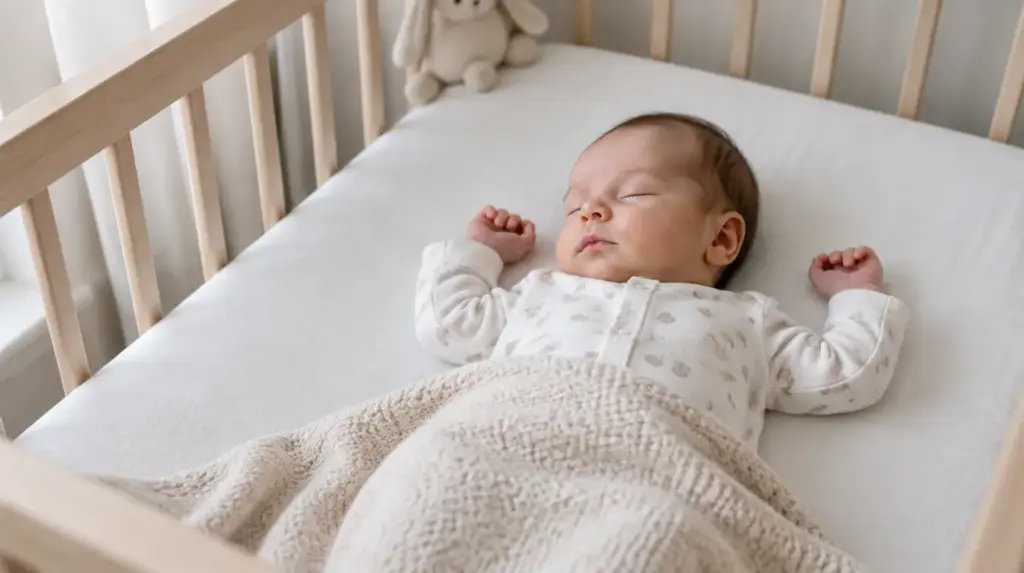
3. Keep Sleep Conditions Safe: Place the baby on the back on a firm, flat surface in their own sleep space. Keep pillows, bumpers, and loose bedding out of the crib.
4. Watch for Unusual Symptoms: Call emergency services if the baby struggles to breathe or turns bluish or gray around the lips. Contact a pediatrician about prolonged stiffness or repeated concerning episodes.
5. Track Repeated Patterns: Note when unusual sleep behaviors happen. A simple record can help a pediatrician better understand recurring concerns.
Final Thoughts
Baby sleep can be full of little surprises, from smiles and twitches to sudden cries and tiny sounds. So, do babies dream? Science cannot give a definite answer yet.
Babies spend plenty of time in active sleep, but researchers cannot confirm what they experience mentally or whether those experiences are dreams like the ones older children and adults have.
Ideas about babies dreaming of familiar voices, feeding, warmth, or cuddles are interesting, but they remain theories. For now, parents can simply enjoy these quiet moments while keeping sleep conditions safe.
Have you noticed your baby doing something unusual while asleep? Share your experience in the comments.
Frequently Asked Questions
Can Babies Remember Dreams After Waking Up?
There is no reliable way to know because babies cannot describe dream memories or explain what they experienced during sleep.
Are Baby Dreams Usually Visual or Sensory?
Scientists do not know. Infant dream-like experiences may involve simple sensations, but researchers cannot currently confirm visual dream content.
Do Babies See Colors in Their Dreams?
No evidence shows what colors, images, or visual scenes babies may experience while dreaming during early development.