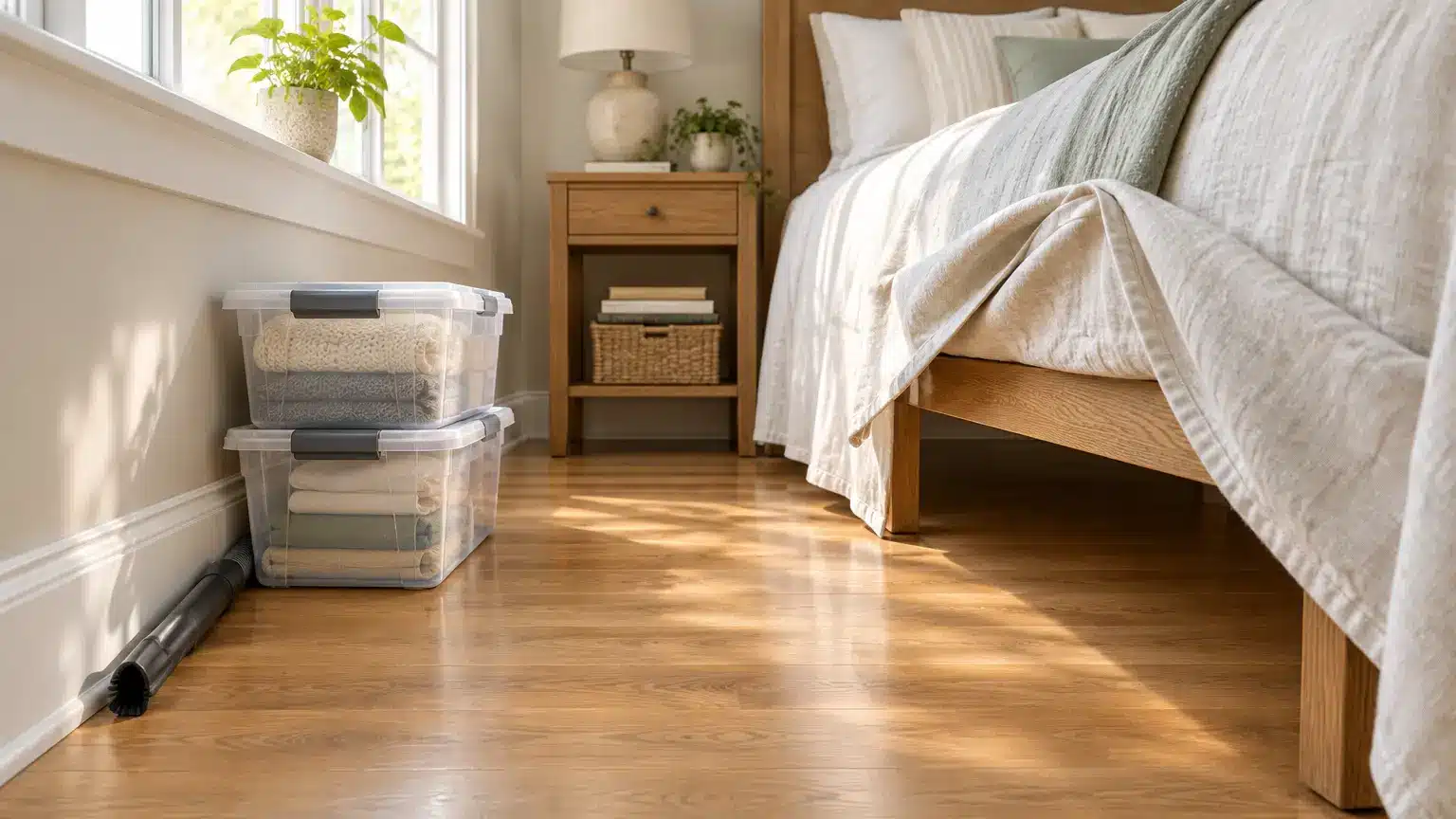

A quieter home can make everyday activities more comfortable, whether you are sleeping, working, reading, or simply trying to relax. Yet indoor noise can come from many directions: traffic through a window, footsteps overhead, humming appliances, televisions in another room, or sound traveling through thin walls.
Fortunately, reducing indoor noise does not always require expensive construction. The right approach depends on whether you need to absorb sound within a room or block sound from entering it. Soft materials help reduce echoes, while sealing gaps and adding denser building materials can limit sound transmission. Start with the simplest fixes and move to larger improvements only where necessary.
Seal Gaps Around Doors and Windows
Small openings can allow more than air to pass through. Gaps around exterior doors and windows can also provide an easy path for outdoor noise.
Check weatherstripping around doors and inspect window frames for visible cracks. Door sweeps can help close gaps at the bottom of exterior doors, while appropriate caulk can seal small openings around frames. The U.S. Department of Energy’s Building Science Education guidance recommends carefully sealing gaps around window and door rough openings because these areas can be major sources of uncontrolled air leakage.
Although air sealing is primarily an energy-efficiency measure, closing obvious gaps also removes pathways through which outside sound can enter.
Add Soft Surfaces to Reduce Echoes
Rooms with hard surfaces such as tile, wood, and glass, as well as bare walls, tend to reflect sound. Adding softer materials helps absorb some of those reflections.
Area rugs are especially useful in rooms with hard flooring. Curtains, upholstered furniture, fabric shades, cushions, and even wall hangings can further soften a room’s acoustics. Rugs with thick pads underneath can also reduce the sound of footsteps.
These additions are not the same as full soundproofing. They are most effective at reducing echoes and making conversation, television, and everyday activities sound less harsh within the room.
Use Furniture as an Extra Sound Buffer
Furniture placement can make a surprising difference when noise travels between rooms or through shared walls. A large bookcase filled with books, for example, adds mass along the wall and can help soften some sound.
Position wardrobes, storage units, or bookcases against walls that border noisy rooms when practical. Avoid placing a bed’s headboard directly against a wall shared with a television, laundry room, or other frequent noise source.
If you are selling your house without a realtor, these changes can also be useful when preparing rooms for viewings, as thoughtful furniture placement can make spaces feel more organized and comfortable without requiring permanent renovations.
Quiet Noisy Appliances
Sometimes the problem is not the room but what is inside it. Refrigerators, washing machines, dishwashers, fans, and HVAC equipment can generate vibration and airborne noise.
First, determine whether an appliance is unusually loud due to a need for maintenance. Loose panels, uneven feet, clogged filters, or worn components can all increase noise. Leveling appliances and tightening loose hardware may reduce rattling.
For machines that transmit vibration through the floor, manufacturer-approved anti-vibration pads may help. Persistent grinding, banging, or other unusual sounds should be checked by a qualified technician rather than covered up.
Create a Quieter Bedroom
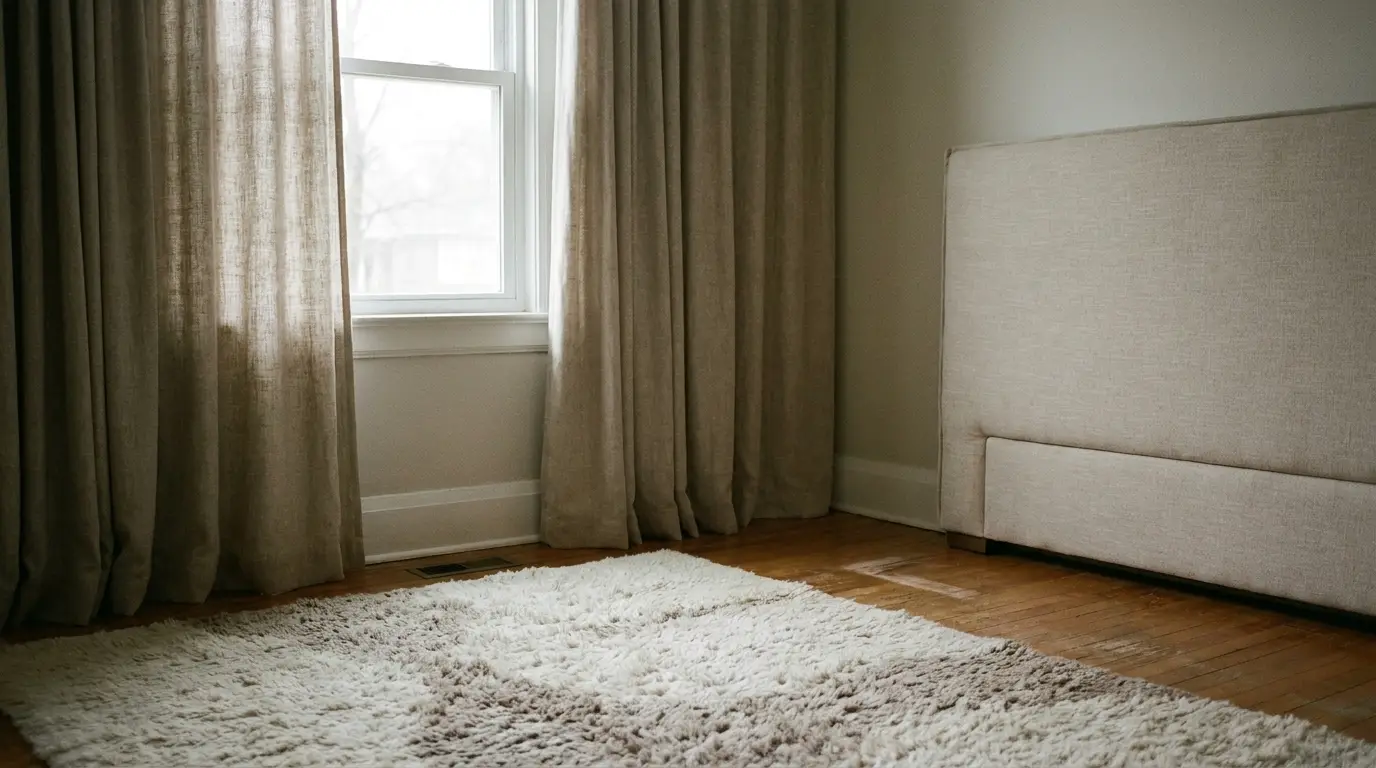
Bedroom noise deserves special attention because unwanted sound can be particularly distracting when the rest of the home is quiet.
Start with the weakest points: windows, doors, and shared walls. Use well-fitted weatherstripping, heavier curtains, rugs, and upholstered furnishings where appropriate. Moving the bed away from a noisy shared wall can sometimes make a noticeable difference without costing anything.
Noise levels also matter from a health perspective. The National Institute for Occupational Safety and Health notes that repeated exposure to hazardous noise can damage hearing. While ordinary household sounds are usually well below occupational hazard levels, controlling especially loud equipment is still a sensible way to create a more comfortable indoor environment.
Reduce Noise Through Floors
Footsteps, moving chairs, and dropped objects can make hard floors particularly noisy. Rugs and carpet are simple ways to absorb impact noise, especially in upstairs rooms.
If you own the home and are replacing the flooring, consider the underlayment as carefully as you consider the visible material. Products designed for acoustic performance can help limit impact sound traveling to rooms below.
For renters, removable rugs and floor coverings offer a practical option without making permanent changes.
Declutter With Acoustics in Mind
A completely empty room often sounds louder because there are fewer materials to absorb reflections. However, excessive clutter is not the solution either. Aim for a balanced mix of furniture, textiles, and open space.
This can be useful when moving or downsizing. If you are researching how to sell everything in your house, consider keeping rugs, curtains, upholstered pieces, and a few larger furnishings until later in the process. Removing every soft surface too early can make rooms noticeably more echo-prone.
Consider Insulation for Persistent Noise
When basic changes are not enough, the problem may require improvements inside the walls or ceilings. Acoustic insulation, additional drywall, resilient channels, and specialized assemblies can reduce sound transmission more effectively than decorative acoustic panels alone.
These projects are more complex and are best considered during renovations or when noise is a significant ongoing problem. A contractor or acoustics professional can help identify how sound is traveling before you spend money on construction.
Creating a quieter home usually involves combining several small improvements rather than finding a single perfect solution. Seal sound pathways, soften reflective surfaces, address noisy equipment, and reserve structural changes for persistent problems. The result can be a calmer, more comfortable space without turning noise reduction into a major remodeling project.