Air purifiers vary widely in how they work and what they actually remove. Picking the wrong one wastes money and leaves the real problem untouched. Understanding the technology behind each type makes the decision much simpler.
Know What You’re Filtering Out
Not every air quality issue comes from the same source. Pet dander, wildfire smoke, mold spores, and volatile organic compounds all require different filtration approaches. Identifying the specific problem before shopping saves time and money.
According to the EPA, indoor pollutant concentrations are often two to five times higher than typical outdoor levels. That gap exists because homes trap pollutants from cooking, cleaning products, and off gassing furniture with limited air exchange.
A HEPA filter captures 99.97% of particles down to 0.3 microns. That covers dust, pollen, and most pet dander. It does not remove gases or odors. For that, activated carbon filters are needed alongside HEPA.
Whole Home Versus Portable Units
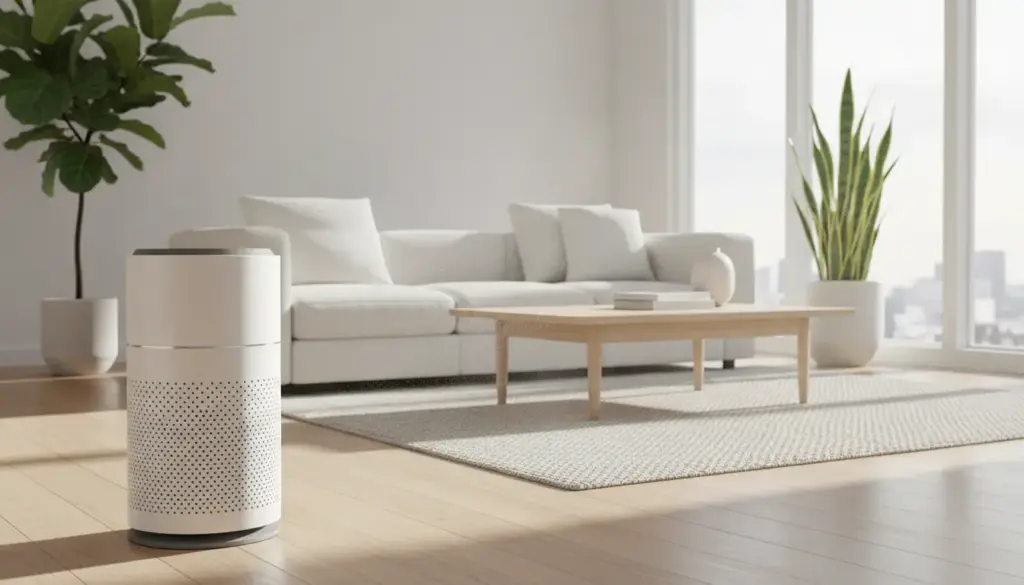
The biggest decision most homeowners face is whether to install a whole home system or buy portable units for individual rooms. Both approaches work, but they solve different problems.
Cost, coverage, and installation complexity all factor into this choice. This comparison of whole home versus portable air purifiers breaks down the tradeoffs in more detail, including upfront cost and long term filter maintenance.
A few factors typically drive this decision:
- Square footage needing coverage
- Existing HVAC ductwork compatibility
- Budget for installation versus unit cost
- Noise tolerance in bedrooms
- Renter versus homeowner status
Renters often lean toward portable units since whole home systems require ductwork access. Homeowners with central air already installed get more value from whole home integration.
Matching CADR to Room Size
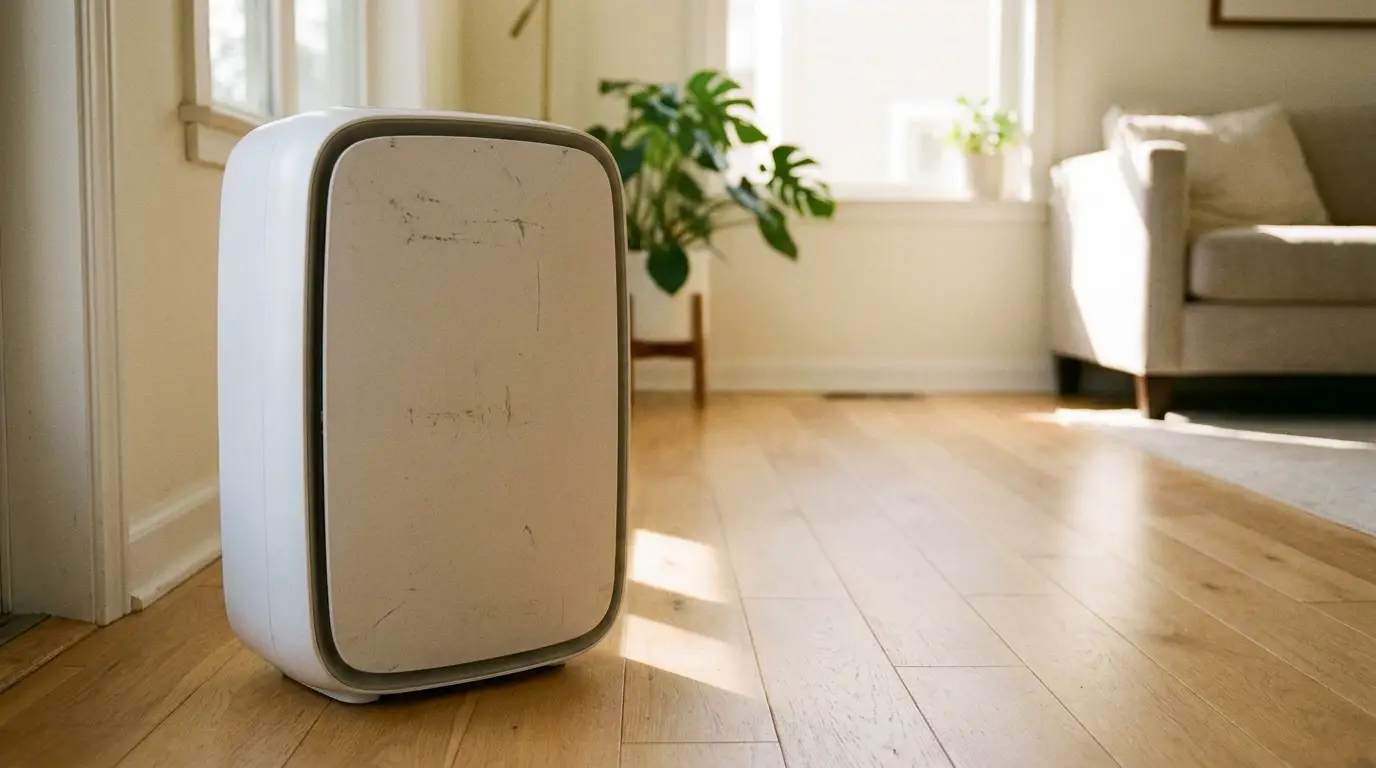
Clean Air Delivery Rate, or CADR, measures how much filtered air a purifier produces per minute. This number matters more than brand name or design when comparing portable units.
A unit with a CADR rated for a 200 square foot room won’t perform well in an open concept 500 square foot space. Manufacturers list CADR separately for smoke, dust, and pollen since removal rates differ by particle type.
Oversizing slightly is usually the safer choice. Running a purifier below its maximum fan speed extends filter life and reduces noise, while still providing full coverage.
Filter Types and Replacement Costs
Filter type determines both performance and long term cost. HEPA filters need replacement every six to twelve months depending on usage and air quality. Activated carbon filters saturate faster in homes with smokers or strong cooking odors.
Some purifiers use washable pre-filters to extend the life of the main filter. This reduces long term cost but doesn’t eliminate the need for periodic HEPA replacement.
Ionizers and ozone generators work differently than filtration units. Some produce ozone as a byproduct, which can irritate lungs at high concentrations. Checking for CARB certification confirms a unit meets safety limits for ozone output.
Noise Levels Matter More Than Expected
Purifiers running at high fan speeds can produce noise levels that disrupt sleep or concentration. This gets overlooked until the unit is already installed in a bedroom or home office.
Decibel ratings at each fan speed should be listed in product specifications. A unit rated at 50 decibels on low will be much quieter than one requiring high speed to hit the same CADR rating.
Bedrooms benefit from units engineered to run quietly on low speed overnight while still providing meaningful filtration.
Maintenance Determines Real World Performance
Even the best purifier fails if the filter isn’t replaced on schedule. Some units track filter life electronically and alert owners when replacement is due. Others rely on manual tracking, which is easy to forget.
Setting a recurring reminder based on manufacturer guidelines keeps performance consistent. A clogged filter reduces airflow and can strain the unit’s motor over time.
Making the Final Decision
Choosing the right air purifier comes down to matching the unit to the actual problem. Room size, pollutant type, and household needs should guide the decision, not marketing claims. A properly sized unit with the right filter combination delivers noticeably cleaner air, season after season.