
Breathing usually happens without much thought, even while you sleep. But when the brain temporarily stops sending the signals needed to keep you breathing, those quiet pauses can become a concern.
Central apnea affects breathing differently than obstructive sleep apnea, where the airway becomes blocked.
The signs can be easy to miss, especially when they happen during sleep. Some people may notice poor sleep, daytime tiredness, morning headaches, or breathing pauses reported by a partner.
Knowing what causes these changes and how they are checked can make it easier to recognize a possible problem and know when to seek medical advice.
What is Central Apnea?
Central sleep apnea is a pause in breathing that happens because breathing effort temporarily stops. When these events repeatedly occur during sleep as part of a sleep disorder, the condition is generally called central sleep apnea.
The problem begins with breathing control rather than a physically blocked throat. The brain temporarily fails to send the proper signals to the muscles involved in breathing.
The NHLBI sleep apnea resource explains that central sleep apnea occurs when the brain does not send the signals needed to breathe.
This distinction matters when comparing central and obstructive sleep apnea and their breathing patterns.
What are The Symptoms of Central Apnea?
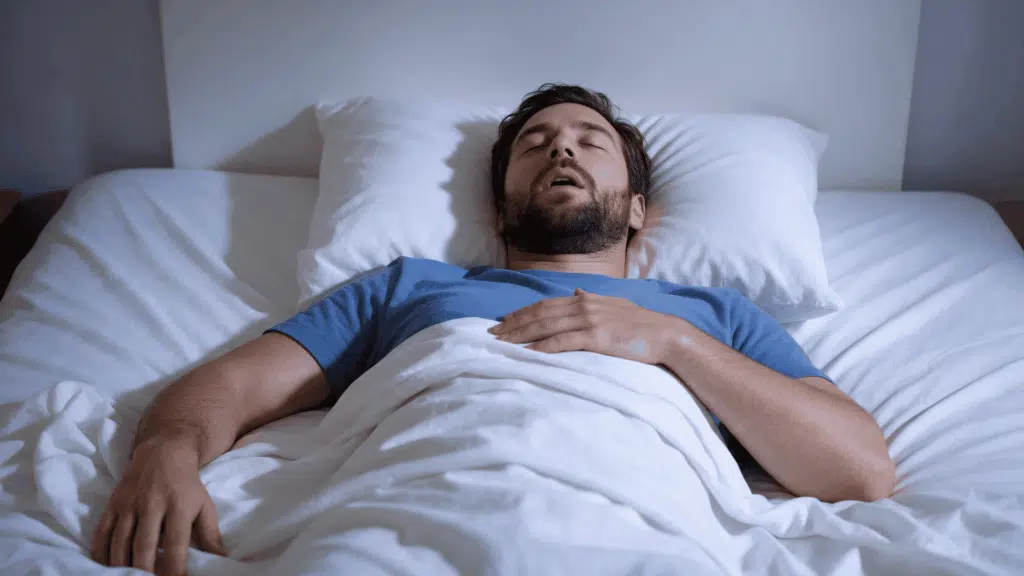
Central sleep apnea symptoms can appear during the night or become more noticeable during the following day.
1. Breathing Pauses During Sleep
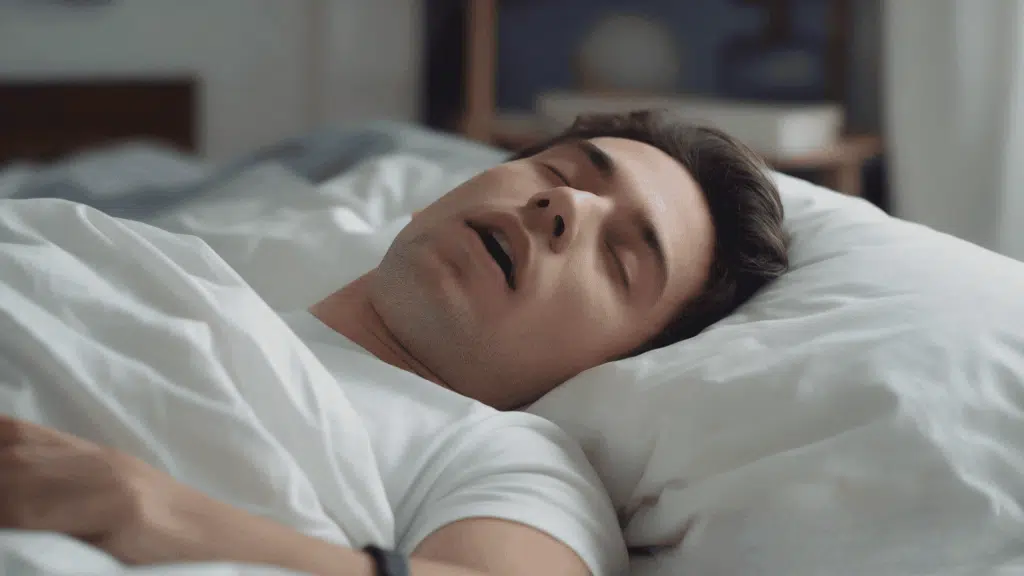
The clearest nighttime sign is repeated breathing pauses during sleep. A partner may notice breathing quiet down, stop completely, and then start again.
Unlike obstructive sleep apnea, these pauses may occur without plain choking or powerful efforts to pull air through a blocked throat.
Some people wake suddenly feeling short of breath. Others remain unsuspecting of the episodes until a bed partner mentions them or a sleep study records them.
2. Restless or Broken Sleep
It can repeatedly disturb sleep even when a person does not remember waking. The result may be restless sleep, frequent brief awakenings, or difficulty staying asleep through the night.
Some people notice insomnia instead of classical sleep apnea symptoms. A person may spend sufficient hours in bed yet still feel poorly rested because regular sleep stages are interrupted.
These symptoms are not specific to central sleep apnea, so medical evaluation is fundamental when they persist.
3. Daytime Sleepiness and Morning Headaches
Poor-quality sleep can carry into the next day as tiredness, low energy, or excessive sleepiness. Concentration may become harder, and routine tasks may feel more demanding than usual.
Morning headaches can also occur. These daytime effects overlap with many sleep, medical, and lifestyle problems, so symptoms alone cannot confirm central apnea.
Discuss persistent sleepiness with a healthcare professional, especially if it affects driving, work, or other safety-sensitive activities.
4. Snoring May Be Less Noticeable
Snoring can occur with central sleep apnea, but it is not always as noticeable as it is with obstructive sleep apnea.
Gasping may also be less obvious because the main problem is reduced breathing effort rather than a blocked airway. This difference is useful but not diagnostic.
A person can also have both central and obstructive events during the same night. For that reason, sound alone cannot reliably show which type of sleep apnea is present.
What Causes Central Apnea?
It can develop when medical conditions, certain medicines, altitude changes, or sleep-related breathing instability disrupt normal breathing control.
1. Heart Failure: Changes in circulation and breathing control can lead to unstable breathing patterns during sleep, including apnea.
2. Stroke: Damage involving areas of the brain that help regulate breathing may interfere with normal nighttime breathing signals.
3. Neurologic Conditions: Disorders affecting the brainstem, spinal cord, or nervous system can sometimes disrupt automatic breathing control during sleep.
4. Opioid Medicines: Opioids can reduce the brain’s drive to breathe, especially during sleep, increasing the risk of central breathing pauses.
5. High Altitude: Lower oxygen levels at high elevations can trigger unstable breathing and repeated events during sleep.
6. Treatment-Emergent Sleep Apnea: Central events can sometimes appear after obstructive sleep apnea is treated with positive airway pressure therapy.
How to Prepare for a Central Apnea Evaluation
Preparing for an evaluation can help the doctor better understand sleep patterns, symptoms, and potential causes.
Keep a short sleep diary for several nights and note steady awakenings, morning headaches, daytime sleepiness, or episodes of waking short of breath.
Ask a bed partner to mention any breathing pauses, snoring, or gasping they notice. Bring a thorough list of prescription medicines and supplements.
Mention opioid use, heart conditions, stroke history, neurological problems, and recent high-altitude travel. Also prepare questions about sleep testing, potential causes, and what the results may mean.
Central Sleep Apnea vs Obstructive Sleep Apnea
Central and obstructive sleep apnea both interrupt breathing during sleep, but they develop for different reasons and show different breathing patterns.
Feature | Central Sleep Apnea | Obstructive Sleep Apnea |
|---|---|---|
Main Cause | Brain temporarily reduces breathing signals | Upper airway becomes narrowed or blocked |
Breathing Effort | Reduced or absent during pauses | Continues despite blocked airflow |
Airway | Usually remains open | Becomes partly or fully blocked |
Snoring | May occur but is less typical | Common and often noticeable |
Common Links | Heart failure, stroke, opioids, high altitude | Airway anatomy, obesity, age, enlarged tissues |
Diagnosis | Confirmed with a sleep study | Confirmed with a sleep study |
Can Both Types of Sleep Apnea Occur Together?
Yes, central and obstructive sleep apnea can occur in the same person. Some people experience both types of breathing events during one night of sleep.
Another pattern, called treatment-emergent central sleep apnea, may appear when positive airway pressure therapy is used to treat obstructive sleep apnea.
In these cases, obstructive events improve, but central breathing pauses appear.
Because the two conditions can overlap, symptoms alone are not sufficient to tell them apart. A sleep study helps doctors identify the type of breathing events, measure their frequency, and choose the most appropriate treatment approach.
When Should Someone Contact a Doctor?
Contact a healthcare professional if sleep or breathing problems become frequent, noticeable, or begin affecting everyday activities.
- Repeated Breathing Pauses: A doctor should evaluate frequent pauses during sleep, especially if a bed partner notices them regularly.
- Persistent Daytime Sleepiness: Ongoing tiredness or difficulty staying alert may suggest that nighttime breathing problems are disrupting sleep.
- Waking Short of Breath: Discuss repeated episodes of waking with breathing difficulty with a doctor.
- Morning Headaches: Frequent headaches after waking can occur with sleep-related breathing problems and may need further evaluation.
- Symptoms with Heart or Neurologic Conditions: Breathing changes may need closer assessment in people with heart failure, stroke, or neurologic disorders.
- Severe Symptoms: Chest pain, fainting, severe breathing difficulty, or sudden neurologic symptoms require urgent medical attention.
Final Thoughts
Central apnea can interrupt normal breathing during sleep without the airway being physically blocked.
Repeated breathing pauses, restless sleep, daytime tiredness, morning headaches, or waking short of breath may point to a sleep-related breathing problem, but these signs can have other causes too.
A healthcare professional can review your symptoms, medical history, medicines, and sleep patterns before recommending the right testing.
A sleep study can help identify the type of breathing events and guide further care.
If you or a sleep partner has noticed unusual breathing during the night, consider discussing it with a healthcare professional. Have you noticed any unusual sleep breathing? Share your experience in the comments below.
Frequently Asked Questions
Can Central Sleep Apnea Go Away?
Central sleep apnea may improve when its underlying cause is successfully treated, though some people may need ongoing management.
Is Central Sleep Apnea Dangerous?
Untreated central sleep apnea can affect sleep quality and may be linked with health concerns, especially when another medical condition is present.
Can CPAP Treat Central Sleep Apnea?
CPAP may help some people with central sleep apnea, but treatment depends on the cause and individual sleep-study findings.