
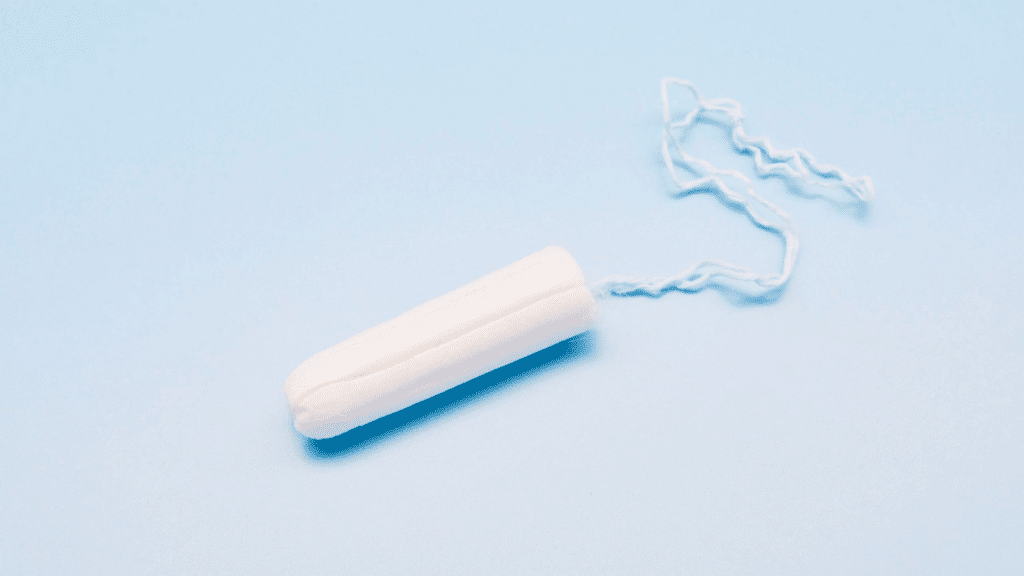
Sleeping with a tampon can feel convenient, but one question matters most: how long is it safe to keep it in overnight?
This blog covers safe tampon wear time, TSS risk, overnight experiences, and when pads may be a better choice.
It also covers heavy-flow options and simple bedtime habits that can make nighttime period care easier.
By the end, readers will know how to use a tampon more safely at night and what to do if sleep lasts longer than expected.
Keep reading to make a more informed choice before bedtime.
Can You Sleep with a Tampon Inside?
Yes, you can sleep with a tampon in as long as it stays in for no more than eight hours. Put in a fresh tampon right before bed and remove it soon after waking.
This keeps nighttime use within the FDA’s recommended tampon wear time.
It is also important to use the lowest absorbency required as opposed to opting for a tampon with higher absorbency just because it will be used at night.
If you sleep more than eight hours, a pad might work better.
For first-time tampon users, perhaps it would be wise to estimate the time you will sleep and the time to wake up.
The main disadvantage of having a tampon in longer than necessary is that there is a higher probability of developing toxic shock syndrome.
What is Toxic Shock Syndrome?
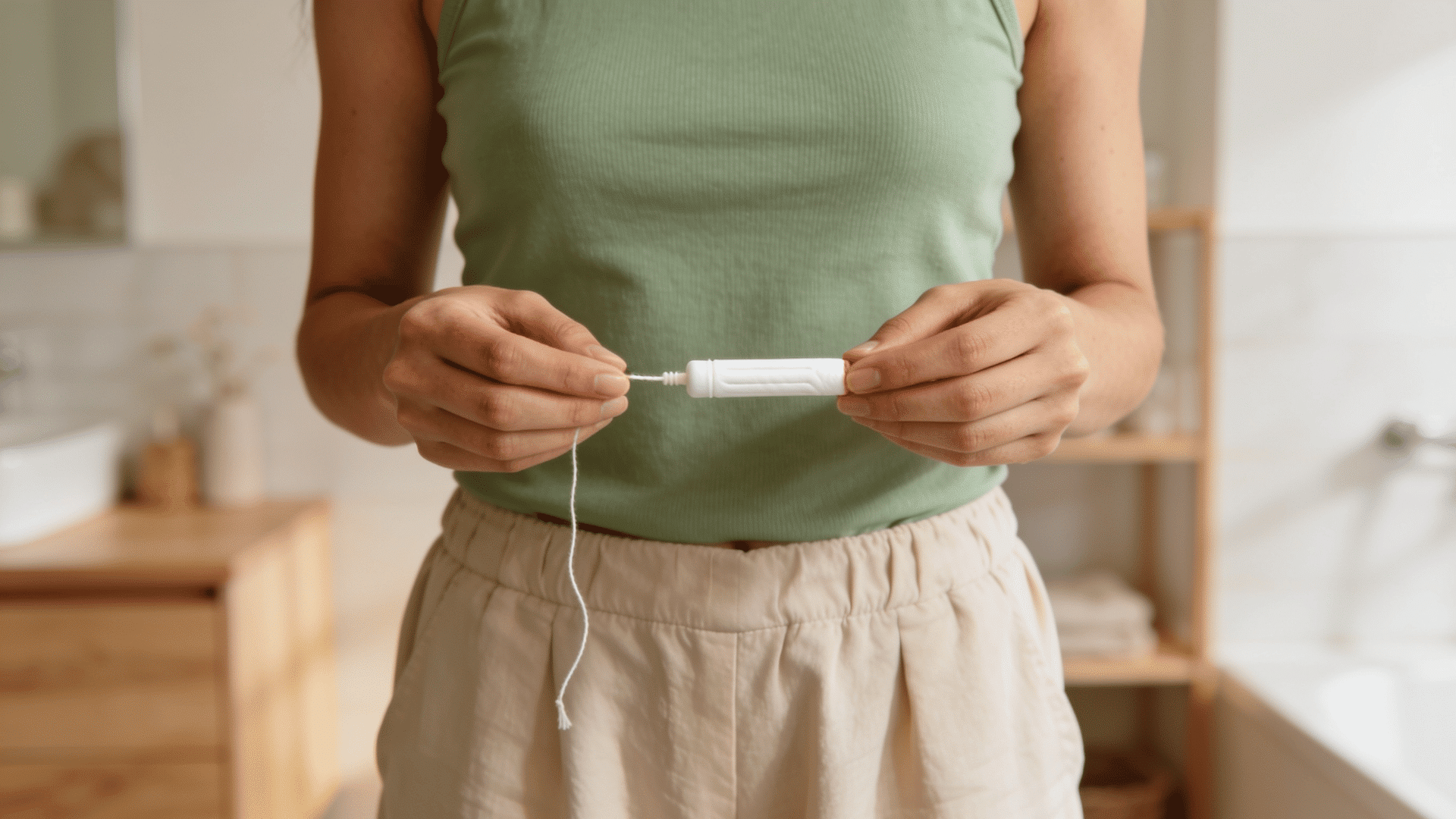
Toxic shock syndrome (TSS) is a rare, serious illness caused by bacterial toxins that can quickly affect multiple organs.
What Causes TSS?
TSS is caused as a result of the production of lethal toxins by certain bacteria.
However, there is a relationship between the use of tampons and TSS in cases where tampons are left in place for an extremely long time or are highly absorbent.
What are The Signs & Symptoms?
They may involve an unexpected fever, vomiting, nausea, diarrhea, dizziness, body pains, skin rash, and low blood pressure.
These symptoms can quickly progress; hence, unusual symptoms experienced during the use of tampons should not be ignored.
How Can You Prevent TSS?
Change your tampons every 4-8 hours and never leave a tampon in your body for more than 8 hours.
Use tampons of minimum absorbency according to your flow requirement, and use tampons only during periods.
What To Do If Symptoms Develop?
If you notice symptoms of TSS, remove the tampon immediately and seek medical care as soon as possible.
Contact a healthcare provider or go to the nearest emergency department if symptoms are severe or worsening.
Reddit Reviews on Sleeping with a Tampon
Reddit users commonly discuss timing, sleep length, and comfort with overnight tampon use.
“I try to put my tampon in late enough at night and wake up early enough so that it’s only in for 8 hours or close to it.” (Reddit)
This user times tampon use around bedtime to avoid going past eight hours.
“I have my whole life. Put it in right before bed, and take it out as soon as you get up.” (Reddit)
This user follows a simple routine of inserting before sleep and removing after waking.
“Personally I love wearing tampons during the day but since I usually sleep for more then eight hours, I do an overnight pad.” (Reddit)
This user switches to an overnight pad because their usual sleep lasts longer than eight hours.
“As long as you insert it just before bed, sleep for less than 8 hours, and remove or replace it when you wake up, it’s the same as wearing a tampon for 8 hours during the day.” (Reddit)
This user focuses on keeping the total wear time within eight hours.
Tampon or Pad: Which is Better for Sleep?
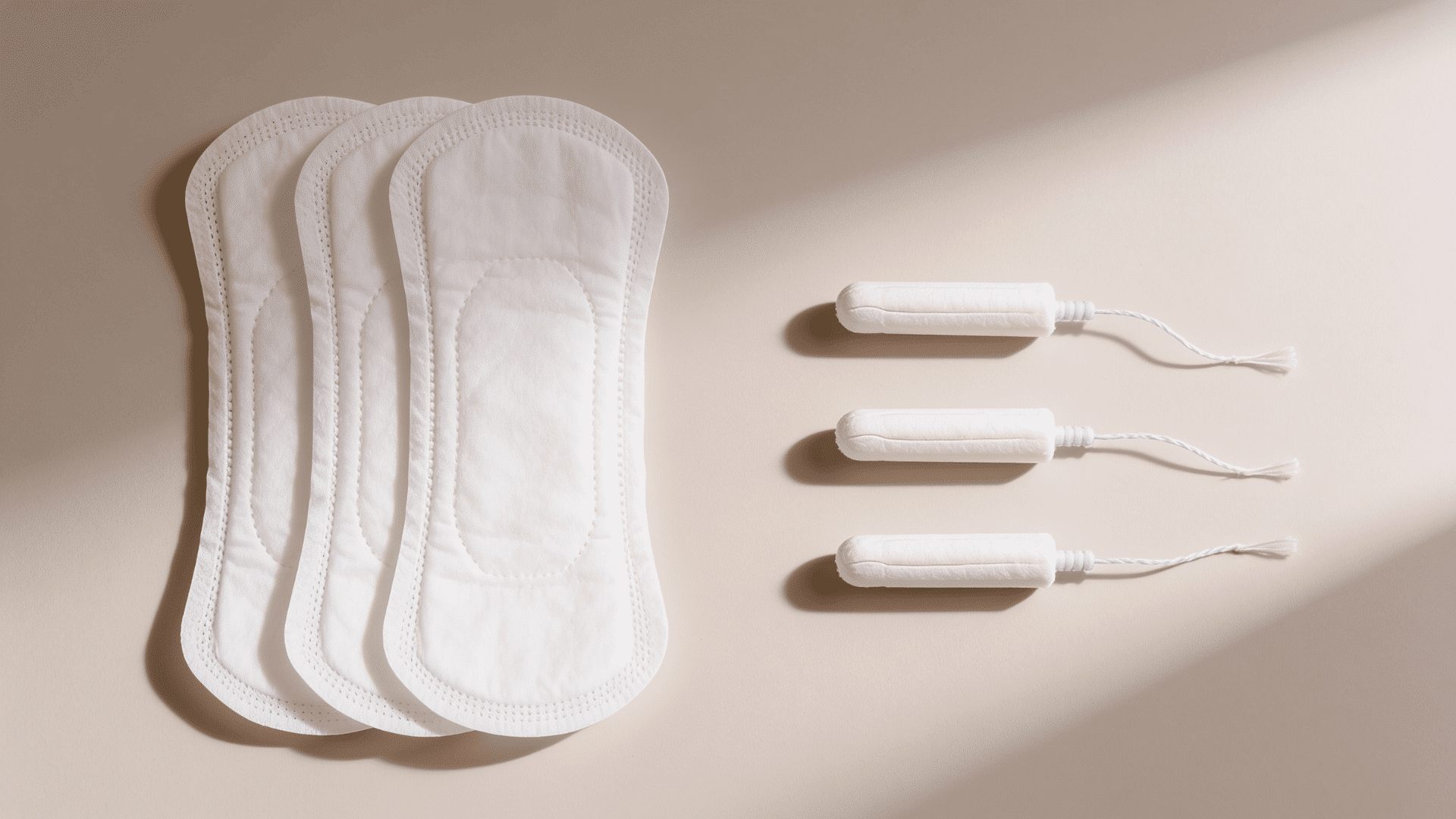
Both can work at night, but the better option depends on sleep length, flow, and comfort.
| Factor | Tampon | Pad |
|---|---|---|
| Sleep Length | Best when total wear stays within 8 hours | Better for longer sleep |
| Comfort | Less bulky for many users | No internal product |
| Leak Control | Works well with the right absorbency | Overnight pads offer wider coverage |
| First-Time Use | May require more practice | Usually simpler to use |
| Best For | Shorter sleep and active sleepers | Longer sleep and easier overnight use |
Overnight Tampon Alternatives for Heavy Flow
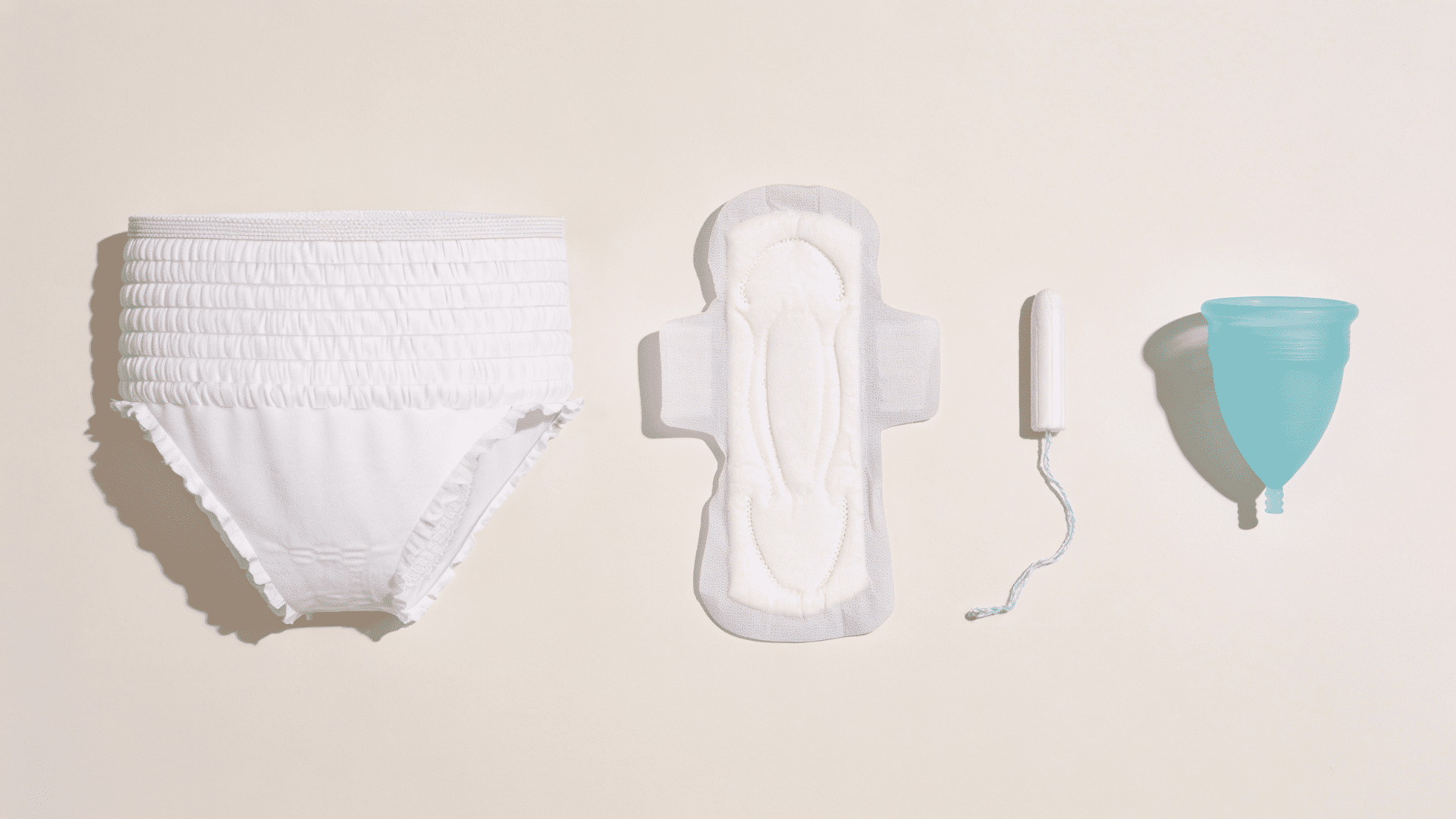
For heavier periods or longer sleep, these options can provide extra coverage without relying on one tampon all night.
1. Overnight Pads: Longer and wider than regular pads, they provide more coverage while lying down and can be useful for people who sleep more than eight hours.
2. Period Underwear: Absorbent period underwear can be worn alone or as backup protection, depending on the flow level and the product’s stated absorbency.
3. Tampon with a Pad: On heavy-flow nights, some people pair a tampon with a pad for added leak protection. The tampon should still be changed within eight hours.
4. Menstrual Cup: A reusable cup collects menstrual fluid internally. Follow the manufacturer’s instructions for wear time and cleaning.
Tips for Heavy Flow Nights
A few habits can make overnight protection easier and more comfortable during heavier periods:
- Track your flow pattern so you can prepare for the days when bleeding is usually heaviest.
- Choose breathable sleepwear to reduce discomfort during the night, which also helps if night sweats before your period are already part of the picture.
- Use a washable mattress protector if leaks are a frequent concern.
- Keep spare period products beside the bed for easy access if needed.
- Check the product instructions for proper use and recommended absorbency.
- Change your period product as part of your morning routine.
- Adjust your overnight protection if your flow becomes heavier than expected.
Conclusion
Sleeping with a tampon can be safe when the right precautions are followed. Insert a fresh tampon before bed, use the lowest absorbency needed, and remove it within eight hours.
Anyone who regularly sleeps longer may be more comfortable using a pad, period underwear, or another suitable option.
It is also important to know the warning signs of TSS and seek medical care quickly if unusual symptoms appear.
A little planning can make overnight period care more comfortable and less stressful. Have a personal tip or experience with sleeping in a tampon? Share it in the comments.
Frequently Asked Questions
Can You Pee with a Tampon in?
Yes. Urine leaves through the urethra, so a tampon does not need to be removed before urinating.
Can Tampons Cause Vaginal Irritation or Dryness?
Yes. Some users may experience dryness or irritation, especially if absorbency is higher than needed.
Can Teenagers Safely Use Menstrual Tampons?
Yes. Tampons can be used by menstruating teenagers when product instructions and safe-use recommendations are followed.
Can You Use Tampons While Swimming?
Yes. Tampons can be worn while swimming and should still be changed according to normal wear instructions.