Struggling with sciatica pain that keeps you awake at night and ruins your sleep? Finding the best sleeping position for sciatica can make a world of difference in your recovery.
I know how frustrating it is when pain shoots down your leg every time you move. The wrong position can make your symptoms worse and leave you exhausted the next morning.
Your body needs proper rest to heal, but sciatica makes that incredibly difficult. Simple position changes can reduce nerve compression and help you sleep peacefully through the night.
You don’t need expensive equipment or complicated solutions for relief. Tonight could be the first night you sleep without that stabbing pain waking you up.
Sciatica Pain and Sleep: The Posture Factor
Your sleeping position can either help or hurt your sciatica pain throughout the night. Poor sleep posture puts extra pressure on your lower back, hips, and legs, where pain strikes.
This added pressure further compresses and inflames the sciatic nerve. Certain positions relieve nerve compression while others make the pain significantly worse during sleep.
Proper spinal alignment is absolutely crucial for reducing inflammation and taking pressure off the sciatic nerve. When your spine stays aligned, your body can relax and heal more effectively overnight.
The right position allows your muscles to release tension rather than stay tight and stressed. Good alignment means less pain when you wake up and better quality sleep overall.
Choosing the correct sleeping position is one of the simplest ways to manage sciatica naturally.
Best Sleeping Positions for Sciatica Relief
I’ve found that the right sciatica sleeping position can make a huge difference in managing sciatica pain overnight. These positions help keep your spine aligned and reduce pressure on the sciatic nerve.
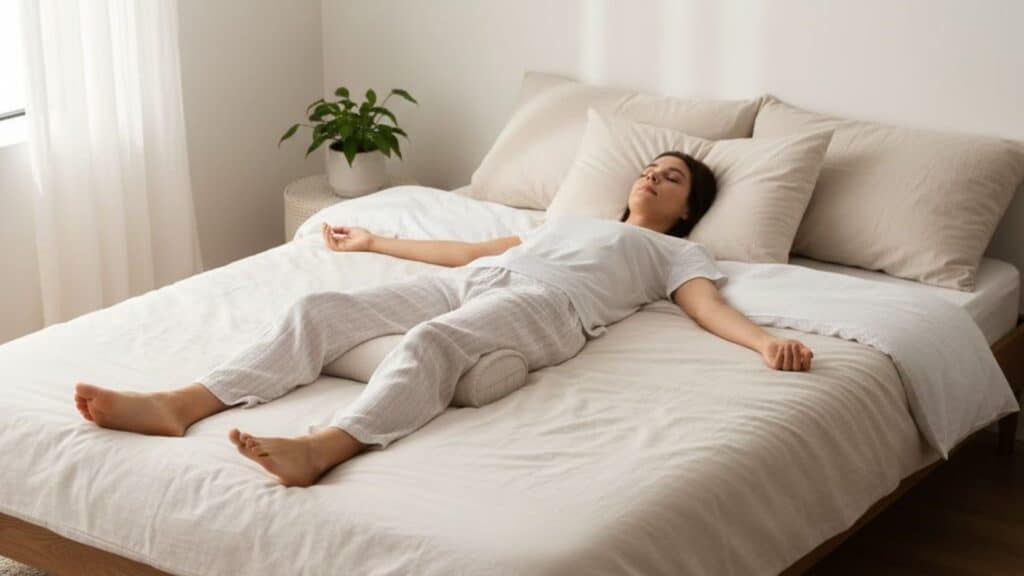
1. Back Sleep with Pillow Under Knees
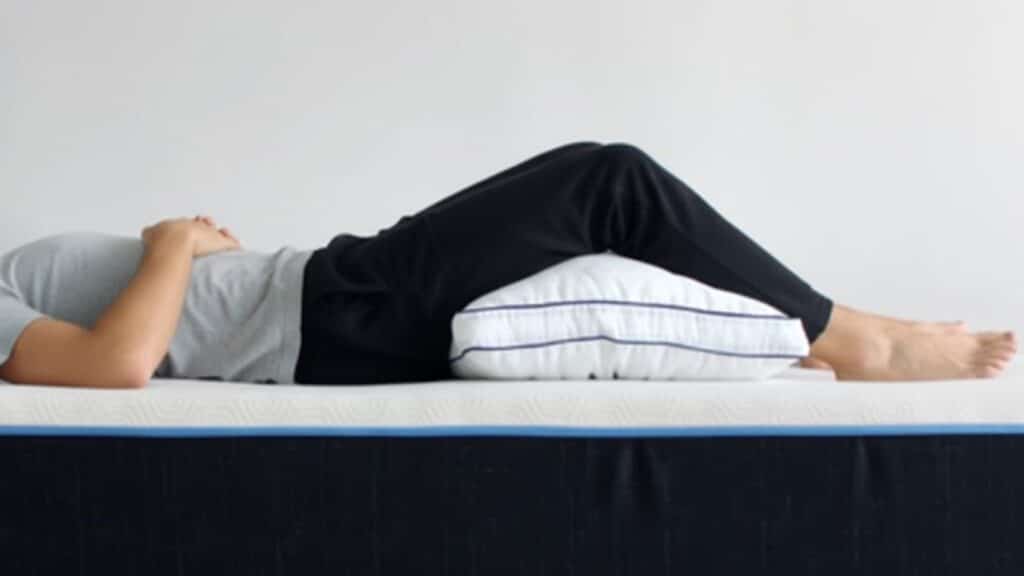
Lie flat on your back with a small pillow placed under your knees for support. This position helps relieve pressure on your lower back and sciatic nerve effectively. It maintains the natural curve of your spine throughout the entire night.
Your body weight is distributed evenly, reducing strain on any single pressure point. The pillow under your knees keeps your lower back from arching too much. This is one of the most recommended positions by doctors for sciatica sufferers everywhere.
2. Side Sleep with Pillow Between Knees
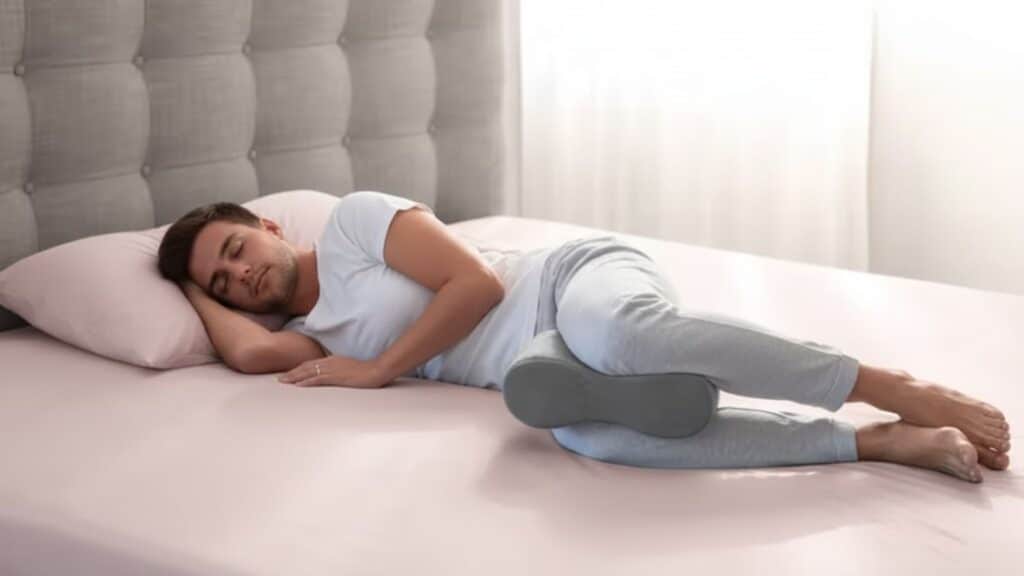
Sleep on your side with your knees slightly bent and a firm pillow between them. This position keeps your hips aligned and prevents unnecessary twisting of the spine completely. The pillow stops your top leg from pulling your spine out of alignment.
Your hips stay stacked on top of each other in a neutral position. This reduces stress on the sciatic nerve and surrounding muscles significantly. Many people find this position comfortable and easy to maintain all night long.
3. Fetal Position

Curl your body into a fetal position by drawing your knees toward your chest gently. The curled-up position opens up the space between vertebrae in your lower back. This reduces pressure on the sciatic nerve and helps it relax during sleep.
Your spine naturally rounds in this position, which can feel very soothing. This position works especially well for people with herniated discs causing sciatica. It’s a comforting position that many find naturally relaxing and pain-relieving.
4. Lying on the Floor with Legs Elevated
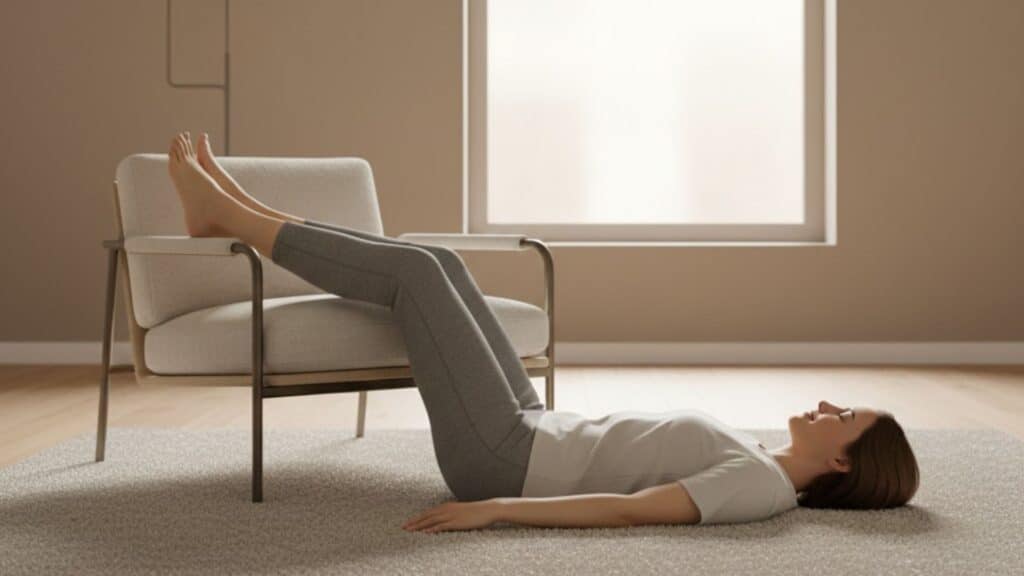
Lie flat on your back with your legs elevated on a cushion or chair. Elevating your legs immediately relieves pressure on your lower back and sciatic nerve. This position promotes relaxation and reduces inflammation in the affected area.
Your lower back flattens against the floor, releasing tension from tight muscles. The elevation improves blood flow and reduces swelling around the nerve. Try this position for 15-20 minutes before bed for maximum relief.
5. Side Sleeping with a Tucked Pillow
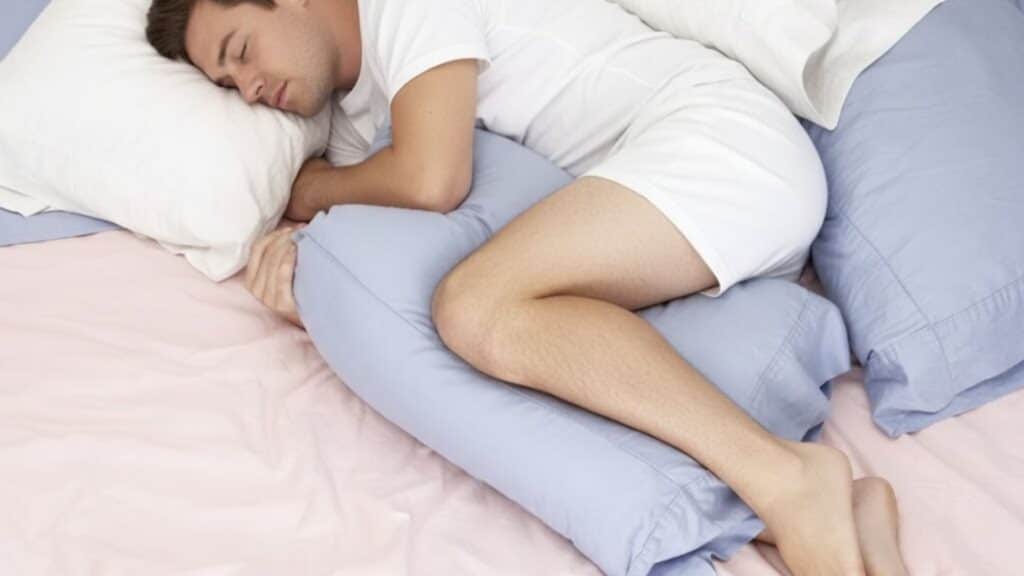
Lie on your side with a pillow tucked between your legs close to your body. This variation of side sleeping stabilizes your pelvis and keeps it level. It keeps the lower spine in a neutral position throughout the night.
The tucked pillow prevents your knees from touching, which can cause discomfort. Your hips stay aligned, significantly reducing strain on the sciatic nerve. This simple modification makes a big difference.
6. Sleep on Your Stomach with Pillow Under Hips
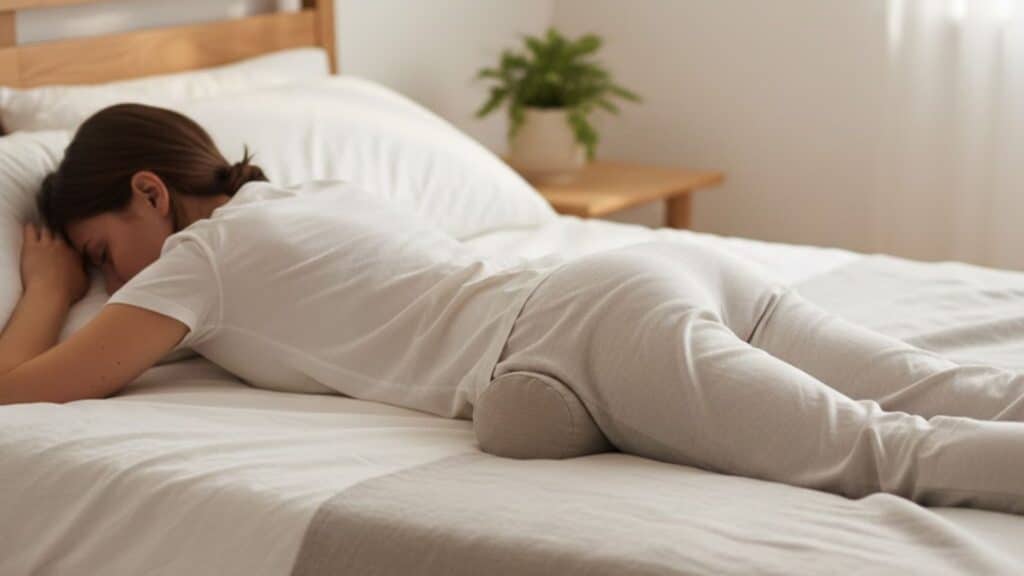
Lie on your stomach, carefully placing a small pillow under your hips. This effectively relieves tension in the lower back and spine. The pillow slightly raises the pelvis, keeping it in a more neutral position.
However, stomach sleeping isn’t ideal for everyone with sciatica pain. Only try this position if it feels comfortable and doesn’t increase pain. Use caution and listen to your body with this position.
7. Back Sleep with a Pillow Under the Lower Back
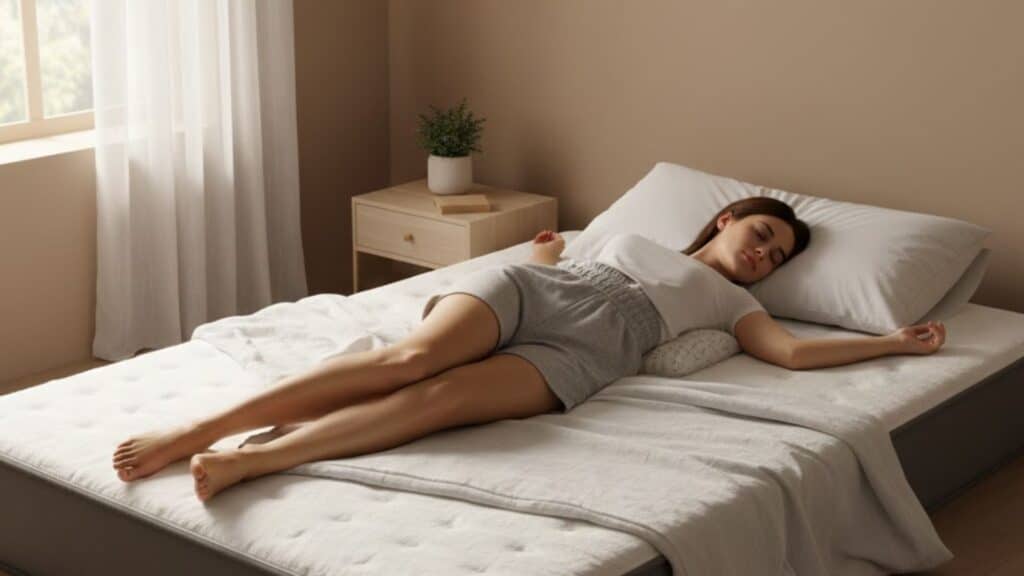
Sleep on your back with a small pillow placed under your lower back. This position helps reduce pressure on the sciatic nerve by supporting the curve. It offers extra support exactly where your lower back needs it most.
The pillow fills the gap between your back and the mattress. This maintains proper spinal alignment and prevents your back from flattening. Adjust the pillow thickness to find what feels most comfortable for you.
8. Lying with a Pillow Under Your Belly (Pregnancy Position)

For those who are pregnant, lie on your side with a pillow under your belly. This helps reduce stress on the lower back and spine during pregnancy. The pillow supports the weight of your belly and relieves pressure.
This position offers relief to sciatic pain that often comes with pregnancy. It keeps your spine aligned, even with the extra weight you’re carrying. This modified position is safe and comfortable for expectant mothers.
9. Lying on Back with Feet Elevated on a Pillow

Lie flat on your back with your feet resting comfortably on a pillow. Raising the feet immediately relieves pressure on the sciatic nerve. This position promotes proper spinal alignment and reduces lower back strain.
Your hips and knees bend slightly, which relaxes the lower back muscles. The elevation improves circulation and reduces inflammation around the nerve. This is an easy position to try for quick relief.
10. Sleep with One Leg Bent (Side Position)

Sleep on your side with one leg bent at the knee and the other straight. Use a pillow for support under your bent knee for comfort. This position can help open up the hips and relieve sciatic pressure.
It’s less restrictive than having both legs in the same position. Your spine stays aligned while allowing some natural movement during sleep. Some people find this asymmetrical position more comfortable than symmetrical ones.
11. Modified Fetal Position with One Arm Under Pillow

Curl into a fetal position and use your arm to support your head. Place a pillow under your shoulder for extra neck and head support. This position relieves sciatic pain while reducing lower back pressure.
The arm support helps keep your neck in proper alignment, too. Your spine curves naturally without straining or twisting uncomfortably. This is a cozy position that many find soothing for pain relief.
Other Tips for Sleeping with Sciatica
Beyond choosing the right sleeping position, there are other helpful strategies for better sleep. These additional tips can make a significant difference in managing your sciatica pain overnight. Here are some important practices to incorporate into your nighttime routine:
- Use a Mattress with Proper Support: A medium-firm mattress is ideal to support your spine’s natural alignment throughout the night without being too hard or too soft.
- Try Heat or Ice Therapy Before Bed: Applying heat or cold packs to the lower back can help reduce inflammation and soothe pain before going to sleep for better rest.
- Do Gentle Stretches and Exercises: Doing gentle stretches before bed can ease muscle tension in the back and legs that builds up during the day.
- Maintain Good Sleep Hygiene: Keep a consistent sleep schedule and create a relaxing bedtime routine to enhance overall sleep quality and help your body heal.
I’ve found that combining these tips with the right sleeping position works best for relief. Experiment with different approaches to find what helps your sciatica pain the most.
Dos and Don’ts: How to Sleep with Sciatica
I’ve learned that following certain guidelines can make sleeping with sciatica much more manageable. Understanding what to do and what to avoid helps protect your spine during sleep.
| Dos | Don’ts |
|---|---|
| Keep your spine aligned during sleep. | Don’t sleep on your stomach for extended periods without proper support. |
| Use supportive pillows to cushion the body in ideal sleeping positions. | Don’t lie in positions that cause you to twist your spine unnaturally. |
| Adjust your pillow height if you’re a side sleeper to keep your neck aligned with the rest of your spine. | Don’t ignore discomfort in the middle of the night; adjust your position as needed. |
These simple guidelines will help you avoid making your sciatica pain worse overnight. Pay attention to how your body feels and make adjustments whenever necessary.
When to Seek Medical Help for Sciatica Pain
Most sciatica pain improves with home care, but sometimes you need professional medical help. See a doctor immediately if you experience severe leg weakness or numbness.
Loss of bladder or bowel control is a medical emergency requiring urgent attention. Persistent pain that doesn’t improve after several weeks also warrants a doctor’s visit.
Your healthcare provider may recommend physical therapy to strengthen muscles and improve flexibility. They might prescribe medications to reduce inflammation and manage pain effectively. In severe cases, injections or surgery may be necessary for relief.
Making lifestyle changes, such as maintaining good posture and staying active, helps prevent future flare-ups.
Regular exercise strengthens your back and keeps your spine healthy in the long term. Don’t hesitate to seek help when pain interferes with your daily life.
Final Thoughts
Finding the best sleeping position for sciatica takes some trial and error, but it’s worth it. You now have multiple positions and strategies to help manage your pain effectively at night.
I hope these tips bring you the restful sleep your body desperately needs for healing. Remember that small adjustments can lead to big improvements in how you feel each morning.
Your spine will thank you for taking the time to support it properly during sleep. Start tonight by trying just one new position and see how it feels.
Listen to your body and adjust until you find what works best for you. Which sleeping position will you try first tonight? Share your experience in the comments below!