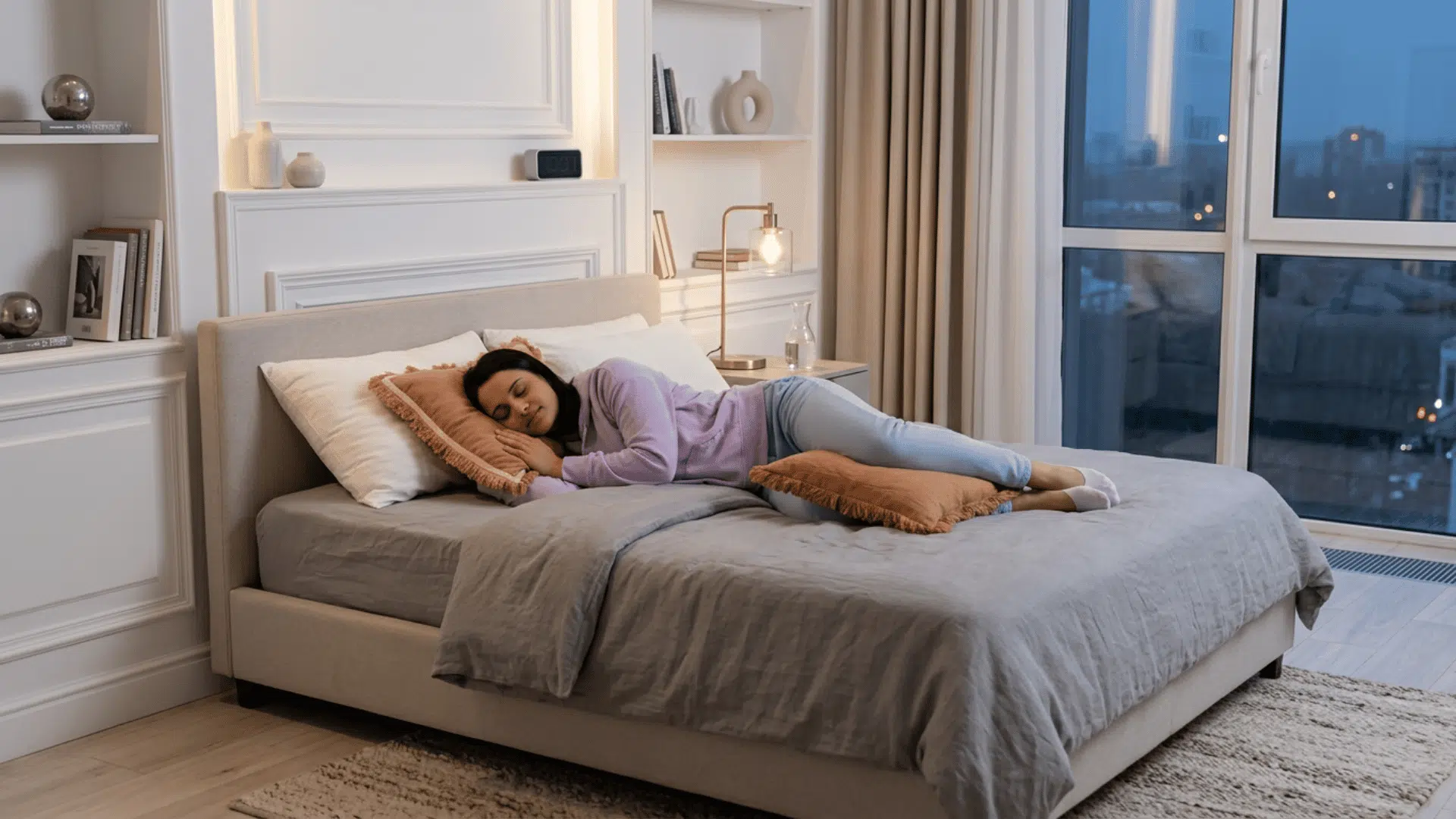
Have you been told you snore loudly or wake up exhausted despite getting a full night’s sleep? If wearing a CPAP mask feels uncomfortable or inconvenient, you may be looking for a simpler treatment option that better fits your lifestyle.
Sleep apnea mouthpieces are a popular alternative for some people with obstructive sleep apnea, but choosing the right one requires more than comparing products online.
Understanding how these devices work, who they are best suited for, and their limitations can help you make a more informed decision.
In this guide, you’ll learn about the different types, benefits, drawbacks, and key factors to consider when choosing a sleep apnea mouthpiece.
What is a Sleep Apnea Mouthpiece?
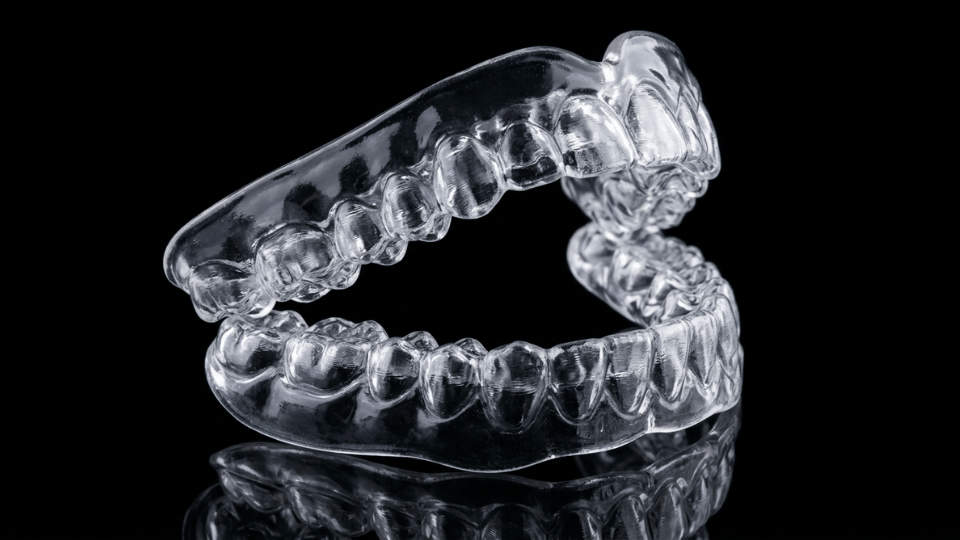
A sleep apnea mouthpiece, also called an oral appliance, is a custom-made device worn during sleep to help keep the airway open.
It works by gently repositioning the lower jaw or tongue, reducing the likelihood of airway blockage that causes obstructive sleep apnea (OSA).
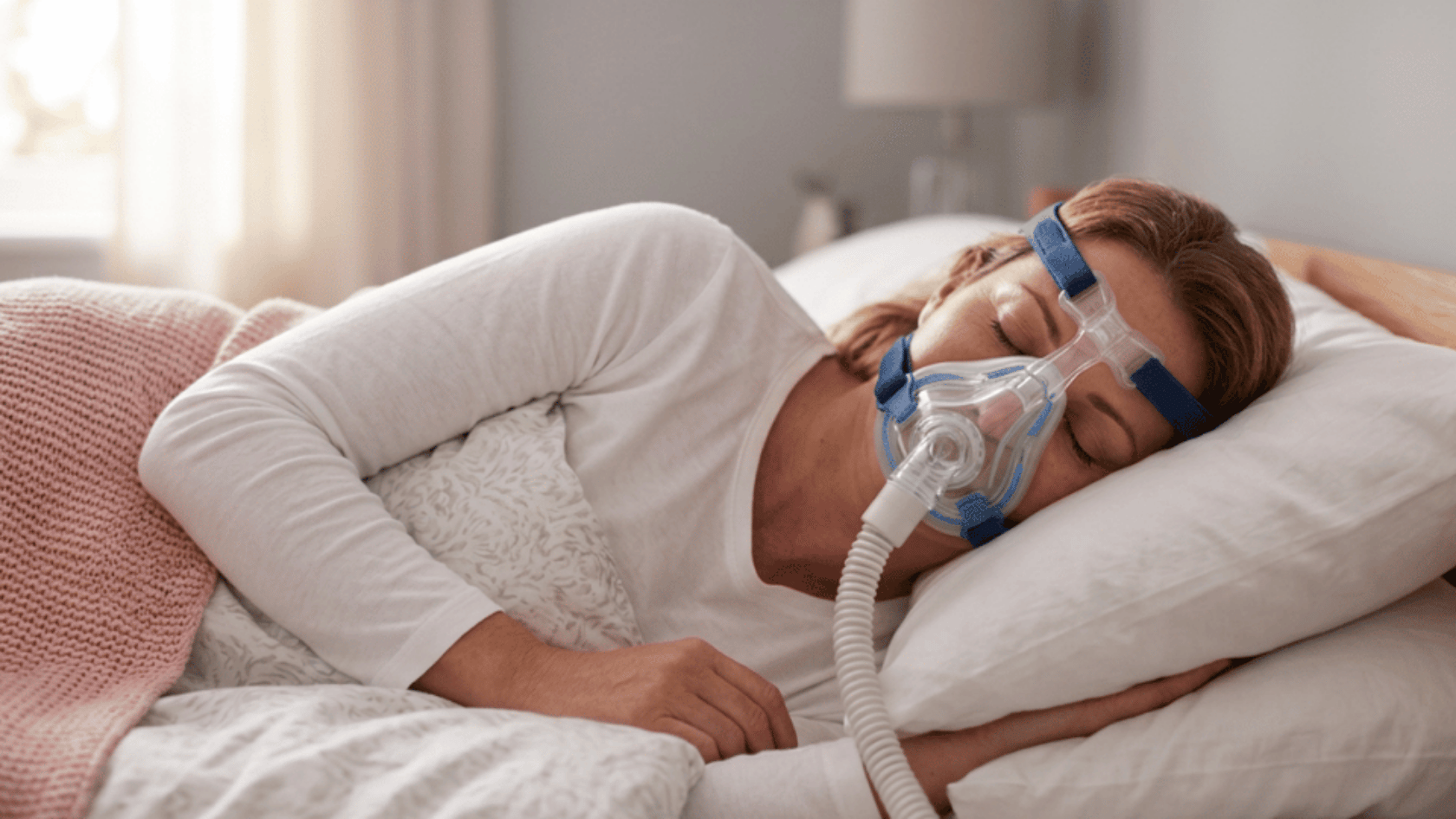
Unlike a CPAP machine, it does not require a mask, hose, or powered equipment, making it a more portable option for some patients.
The American Academy of Sleep Medicine recommends that a qualified dentist trained in dental sleep medicine fit oral appliances, rather than relying on over-the-counter devices for long-term treatment.
How Sleep Apnea Mouthpieces Actually Work
Understanding this mechanism explains why oral appliances can improve nighttime breathing for certain sleep apnea patients.
- Jaw Advancement: Most oral appliances gently move the lower jaw forward. This action increases the space behind the tongue, making it less likely that the airway will collapse during sleep.
- Tongue Stabilization: Some devices use gentle suction to hold the tongue forward, preventing it from falling back and blocking airflow.
- Block the Airway: Repositioning the jaw or tongue helps keep the airway clear, reducing repeated interruptions in airflow throughout the night.
Types of Sleep Apnea Mouthpieces
Choosing the right sleep apnea mouthpiece depends on your diagnosis, treatment goals, comfort, and whether professional fitting is available.
1. Mandibular Advancement Devices (MADs)
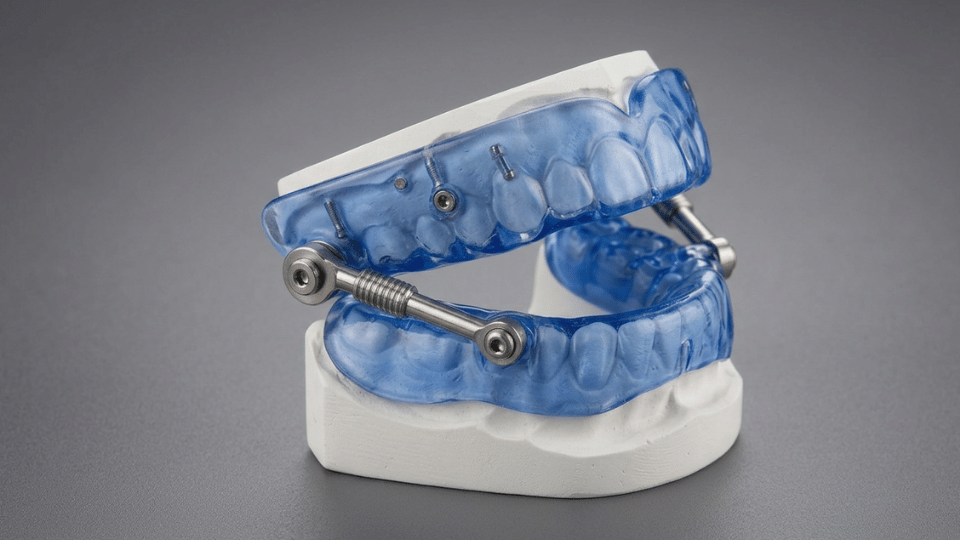
Mandibular Advancement Devices gently move the lower jaw forward during sleep to help keep the airway open. They are commonly prescribed for obstructive sleep apnea and often allow gradual jaw-position adjustments.
Best Suited for: People with diagnosed mild to moderate obstructive sleep apnea or those prescribed mandibular advancement therapy.
What to Look for:
Adjustable jaw advancement for gradual positioning.
A secure and comfortable fit for regular nighttime use.
Durable materials suitable for repeated use and cleaning.
Key Feature: Adjustable lower-jaw positioning to support an open airway.
2. Tongue Retaining Devices (TRDs)
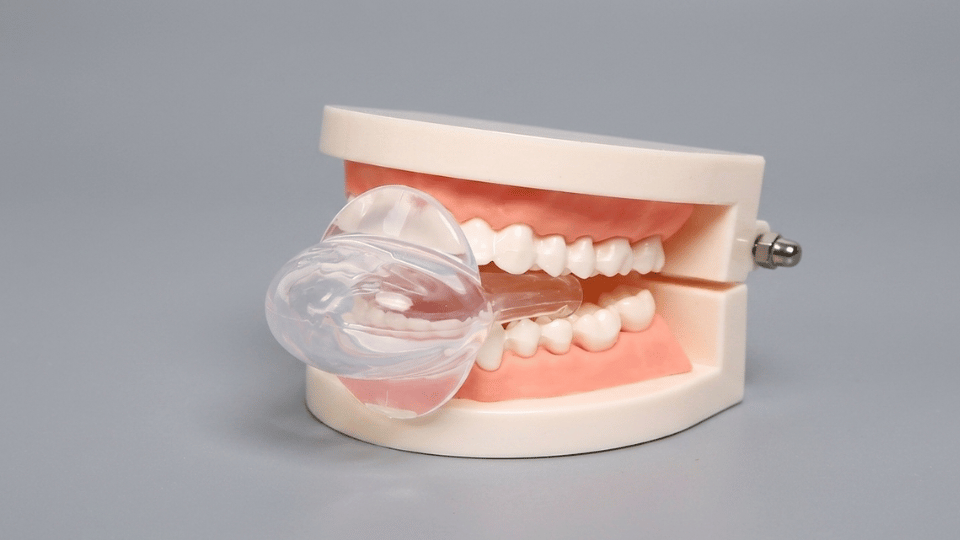
Tongue Retaining Devices use gentle suction to hold the tongue forward during sleep, helping prevent it from falling backward and contributing to airway obstruction without requiring significant lower-jaw movement.
Best Suited for: People with limited jaw movement or those who cannot comfortably use mandibular advancement devices.
What to Look for:
Gentle and secure tongue retention.
Soft, flexible materials for nighttime comfort.
Proper sizing to minimize irritation around the tongue, lips, and gums.
Key Feature: Forward tongue positioning without lower-jaw advancement.
3. Custom Dentist-Fitted Devices
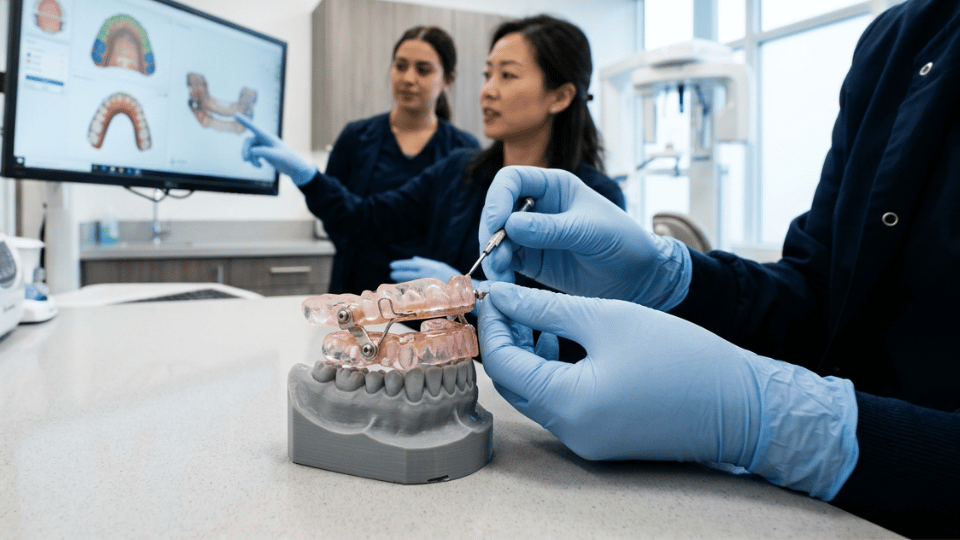
Custom dentist-fitted devices are made using dental impressions or digital scans to match the teeth and bite precisely. Professional fitting can provide greater comfort, stability, adjustability, and consistent long-term use.
Best Suited for: People with diagnosed mild to moderate obstructive sleep apnea or those prescribed oral appliance therapy.
What to Look for:
Custom-made from dental impressions or digital scans.
Adjustable jaw advancement for gradual treatment.
Provided and monitored by a qualified dentist trained in dental sleep medicine.
Key Feature: Precision fit and professional adjustments.
4. Boil-and-Bite Devices
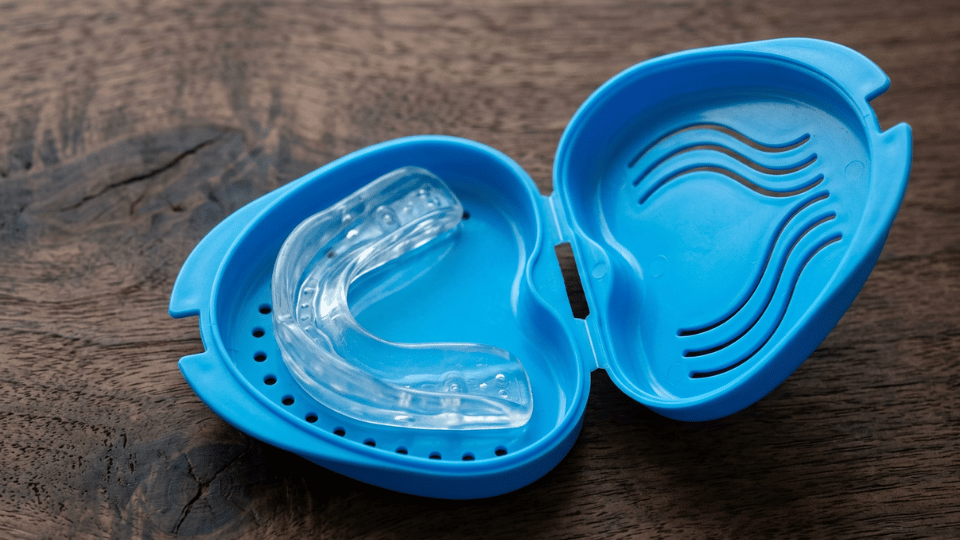
Boil-and-bite devices are softened in hot water and molded around the teeth at home. They offer some personalization but generally provide less precise fit, comfort, durability, and adjustability than custom appliances.
Best Suited for: People seeking a lower-cost, moldable mouthpiece and those considering an at-home fitting option for its labeled intended use.
What to Look for:
Material that molds evenly around the teeth.
A stable fit that limits shifting during sleep.
Clear product labeling explaining its intended purpose and fitting instructions.
Key Feature: At-home molding for a semi-customized fit.
5. Fully OTC Devices
Fully over-the-counter devices are available without professional fitting and generally provide the least customization. Many are intended primarily for snoring, so review their labeling and intended purpose carefully before use.
Best Suited for: People considering a readily available mouthpiece for its specifically labeled purpose rather than assuming every OTC device treats obstructive sleep apnea.
What to Look for:
Clear labeling regarding the device’s intended use.
FDA clearance for the specific purpose claimed by the manufacturer.
Suitable fit, adjustability, material quality, and cleaning requirements.
Key Feature: Easy availability without professional fitting.
Discuss oral appliance options with a sleep physician or qualified dentist to ensure the device matches your diagnosis and treatment needs.
Benefits and Limitations of Sleep Apnea Mouthpieces
Oral appliances can improve airflow during sleep but may vary in effectiveness, comfort, and suitability based on individual needs.
Benefits
- Helps maintain an open airway by repositioning the lower jaw or tongue during sleep.
- Provides a comfortable treatment option for people who cannot tolerate CPAP devices.
- Compact and portable design makes oral appliances convenient for travel.
- Does not require electricity, masks, or external equipment during use.
- Custom-fitted appliances can improve comfort, stability, and treatment outcomes.
- May help reduce snoring and improve overall sleep quality in suitable cases.
Limitations
- Not recommended as the primary treatment option for severe obstructive sleep apnea.
- Jaw discomfort or soreness may occur during the initial adjustment period.
- Temporary tooth pressure or sensitivity can develop while adapting to the device.
- Long-term use may change bite alignment for some users.
- Excess saliva production may occur during the early stages of wearing the appliance.
- Regular follow-up appointments may be needed to adjust fit and monitor effectiveness.
How to Choose The Right Mouthpiece
Choosing the right sleep apnea mouthpiece starts with a confirmed diagnosis and professional guidance, not marketing claims alone.
- Get a Sleep Study First: A sleep study confirms obstructive sleep apnea and determines its severity, helping your provider recommend the most appropriate treatment.
- Choose Custom or OTC Wisely: Custom devices suit diagnosed OSA, while OTC options are better for occasional snoring or short-term evaluation.
- Ask Your Sleep Dentist: Discuss adjustability, follow-up visits, expected side effects, warranty, and whether the appliance matches your condition.
Conclusion
A sleep apnea mouthpiece can be an effective solution for many people, but the right choice depends on your diagnosis, proper fit, and professional guidance.
Custom and over-the-counter options each have their place, though not every device is suitable for treating obstructive sleep apnea.
Choosing an appliance based on your treatment needs rather than marketing claims can improve comfort and long-term results.
Have questions or experiences with sleep apnea mouthpieces? Share them in the comments below; we’d love to hear your thoughts.
Frequently Asked Questions
Can a Sleep Apnea Mouthpiece be Worn Every Night?
Yes, nightly use supports consistent treatment effectiveness and helps keep your airway open during sleep.
How Long Does a Sleep Apnea Mouthpiece Typically Last?
Most custom sleep apnea mouthpieces last three to five years with proper care and regular dental checkups.
How Should a Sleep Apnea Mouthpiece be Cleaned?
Clean the appliance daily using lukewarm water, a soft toothbrush, and a dentist-approved non-abrasive cleanser.