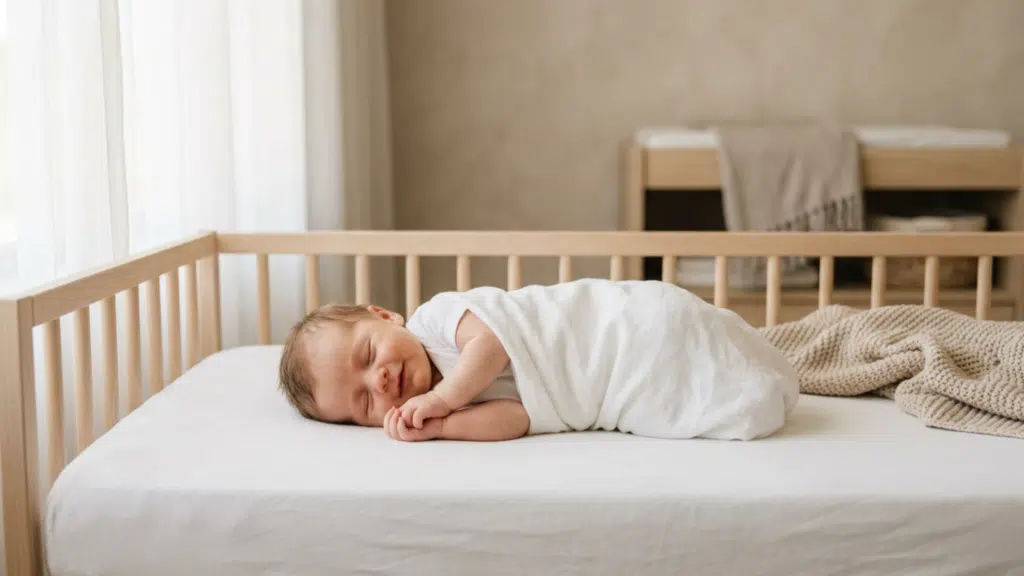
Parents often notice their baby smiling while asleep and wonder what it means. A tiny grin during a nap can raise questions about dreams, emotions, or happiness.
Since newborns spend many hours sleeping, these smiles are easy to notice and often become special moments for families.
Although they look meaningful, sleep smiles do not always have the same cause. A baby’s age, development, and sleep cycle all play a role.
Keep reading to learn why babies smile in their sleep, what science says, and when a pediatrician should be consulted.
Why do Babies Smile in Their Sleep?
There are various reasons why babies tend to smile while they are asleep. These include reflex, active sleep, and brain growth.
In the initial weeks following birth, babies will tend to smile reflexively rather than due to happiness or emotion.
The sleep state is a major contributor to brain development and also learning; this explains why small movements occur during this period.
It is a misconception among parents that all instances of smiles in sleep by infants indicate dreaming, although there is no scientific confirmation of this.
Most of the time, this is just one of the ways to tell that the infant is developing normally.
Do Babies Dream When They Smile?
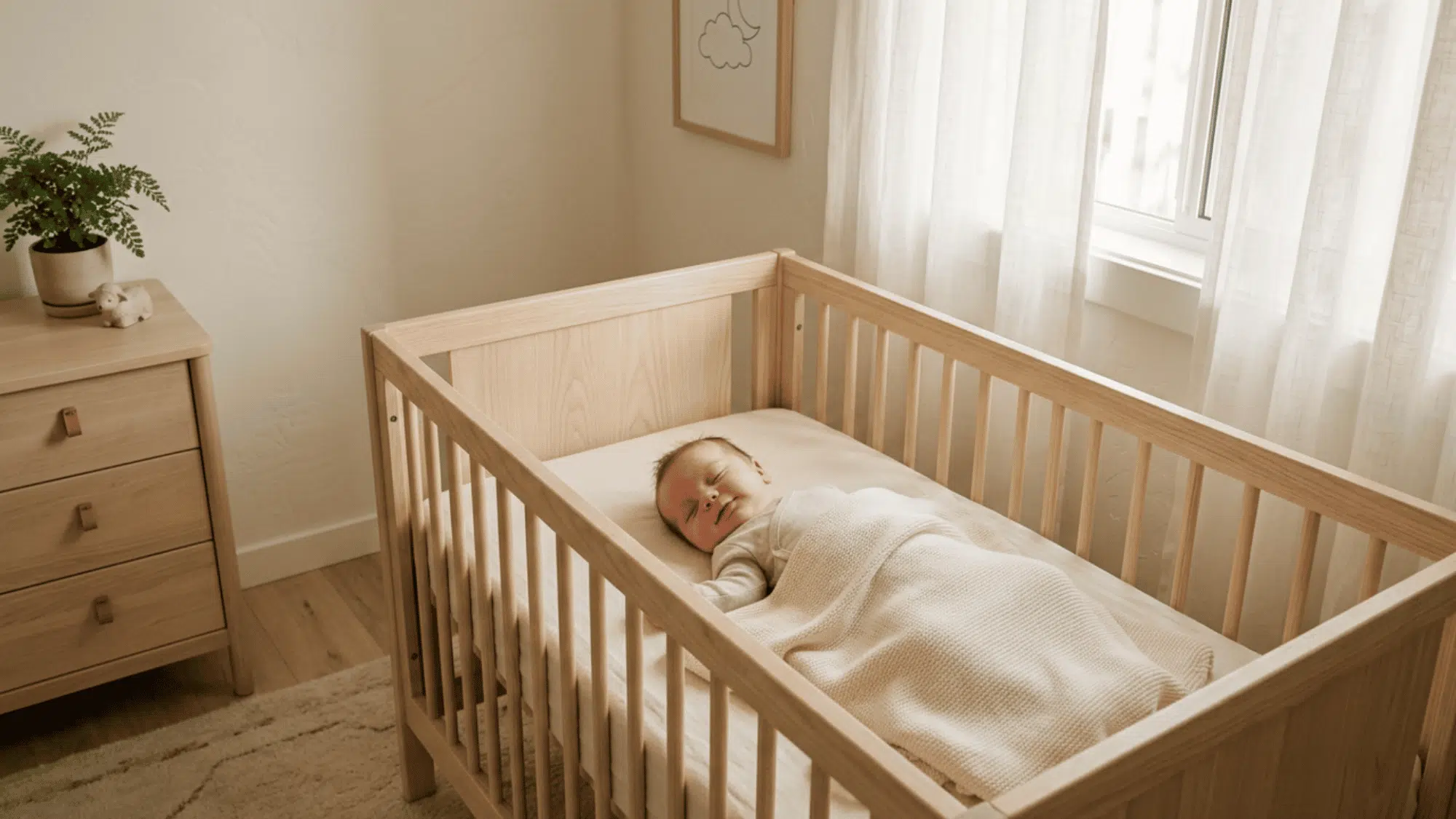
Many parents wonder if a sleeping smile means their baby is having a happy dream. The truth is that scientists still do not know for certain.
Newborns cannot describe their experiences, making dreams impossible to study directly.
Babies spend much of their sleep in rapid eye movement (REM) sleep, when brain activity is high and facial movements are more common. Smiles often happen during this stage.
Although REM sleep is linked to dreaming in older children and adults, no evidence proves that a smiling baby is dreaming.
Sleep smiles are generally considered a normal part of early brain development, according to the study of brain architecture by Harvard.
Common Reasons Babies Smile During Sleep
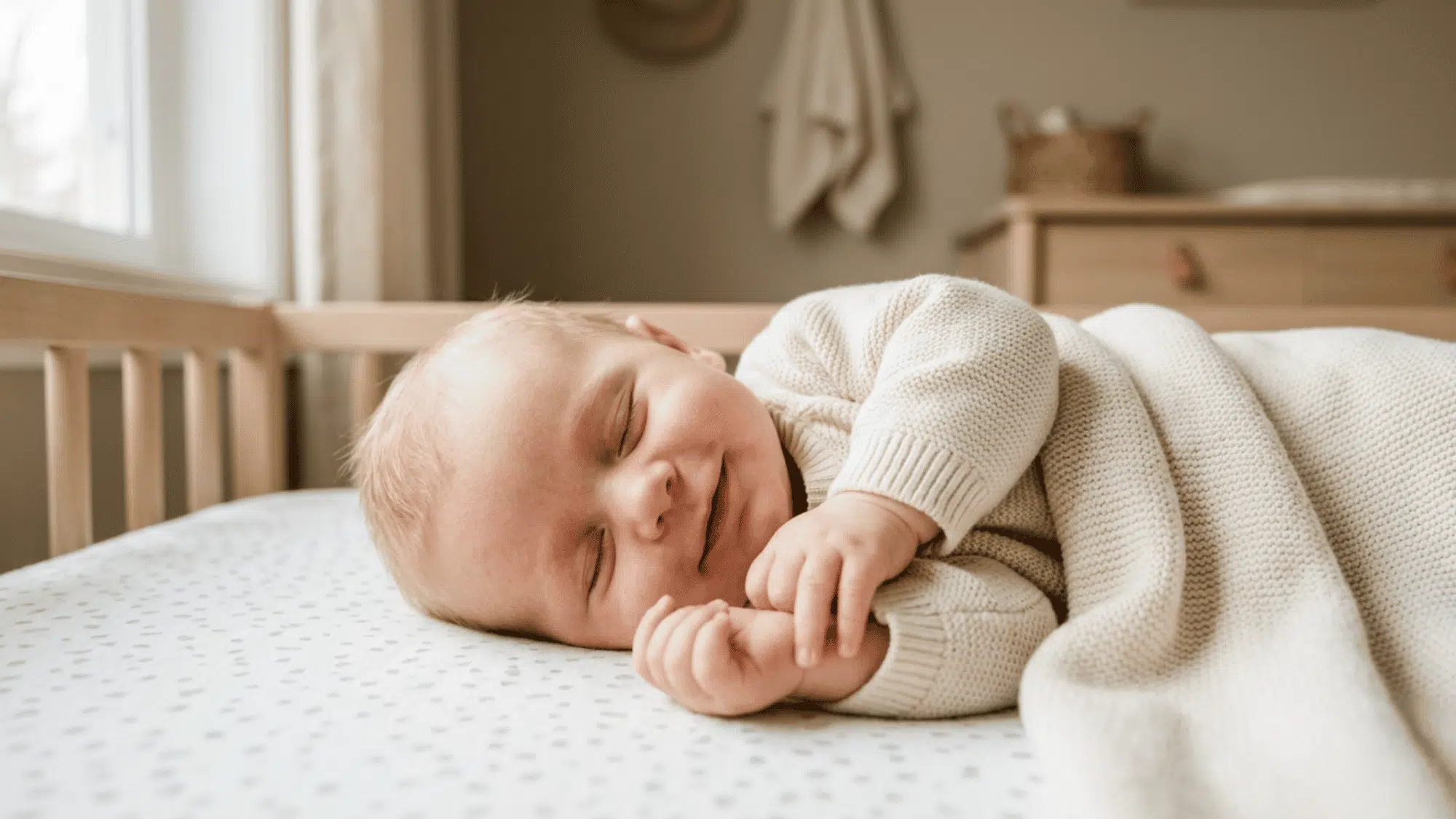
Several normal biological processes can cause babies to smile while sleeping. The reasons often change as infants grow and their brains continue developing.
Natural Reflex Smiles
Reflex smiles are the most common reason newborns smile during sleep. These automatic expressions begin before babies develop social awareness or emotional responses.
Reflex smiles usually appear during the first few weeks after birth and gradually become less frequent.
As babies mature, intentional smiles slowly replace these early reflexes, making facial expressions more connected to interactions and emotions.
Active REM Sleep
Babies spend much of their sleep in REM sleep, also called active sleep. During this stage, the brain remains highly active while the body stays mostly relaxed.
Small smiles, brief facial movements, twitching fingers, and gentle body motions commonly occur together.
These movements are considered a normal part of infant sleep and usually do not indicate discomfort or illness.
Active sleep plays an important role in healthy neurological development.
Brain Development
A baby’s brain grows rapidly during the first months of life.
Millions of new neural connections form as the brain processes sounds, sights, touch, and other daily experiences. This rapid development may trigger brief facial expressions, including smiling, while sleeping.
Smiling during sleep is often viewed as a normal result of this ongoing neurological activity.
Emotional Development
As babies become older, their smiles gradually shift from automatic reflexes to genuine emotional expressions.
Sleep smiles may also become linked to increasing emotional development as the brain matures.
While experts cannot confirm that sleeping babies are reliving happy moments, older infants show more organized facial expressions that reflect their developing social and emotional abilities.
At What Age do Sleep Smiles Change?
Sleep smiles change as babies grow, with reflex smiles gradually giving way to more intentional facial expressions.
| Baby Age | Typical Sleep Smiles |
| Birth–2 months | Mostly reflex smiles caused by an immature nervous system |
| 2–3 months | Social smiles begin while reflex smiles become less common. |
| 4–6 months | Facial expressions become more intentional and emotionally connected. |
| 6+ months | Sleep smiles may reflect developing emotional processing and brain maturity. |
Signs a Sleeping Baby is in REM Sleep
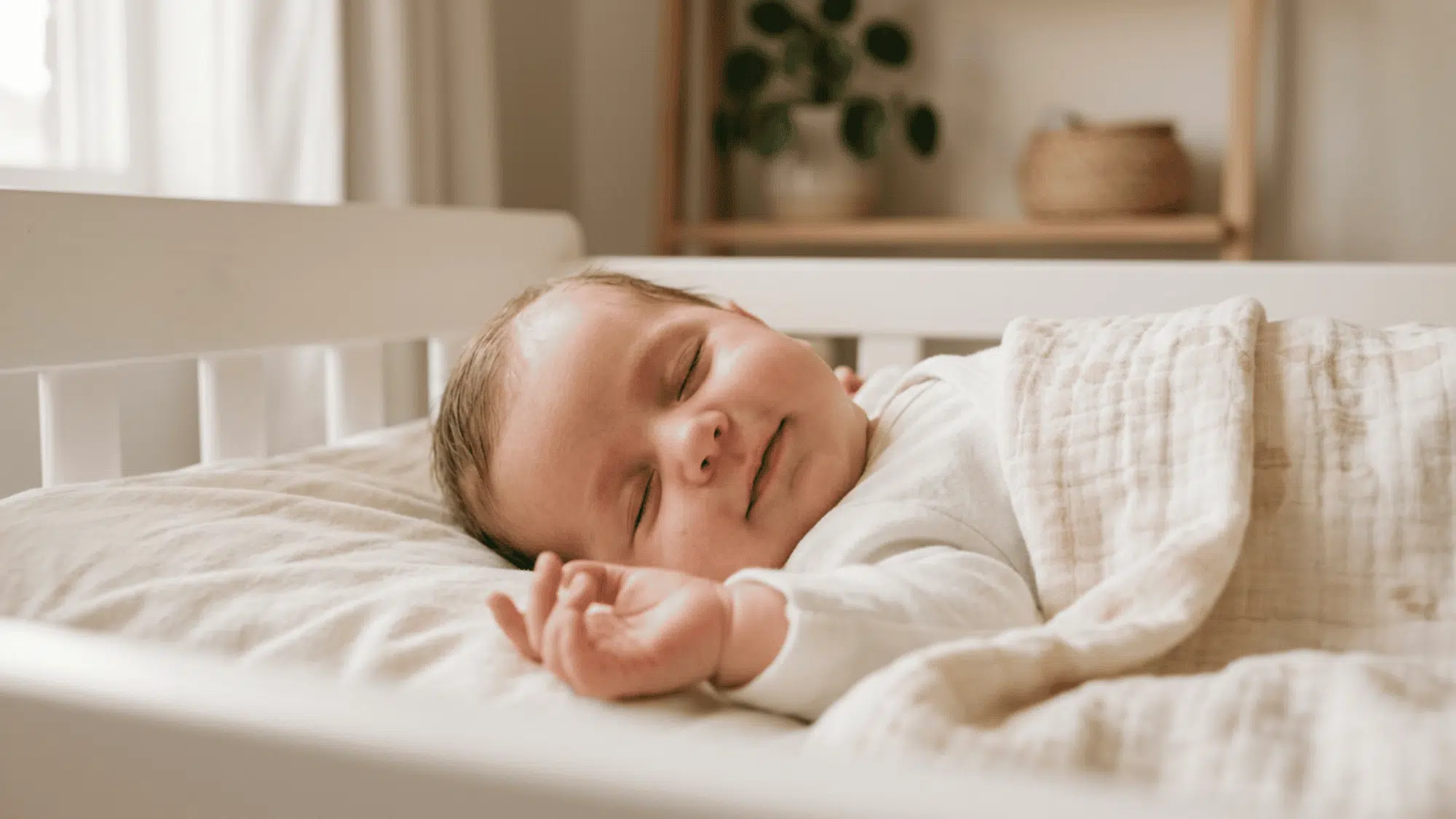
Active sleep, also called REM sleep, includes several normal movements that often happen alongside smiling.
Small Facial Expressions
A baby in REM sleep may briefly smile, frown, suck, or move the lips without waking up.
These expressions usually last only a few seconds before disappearing naturally. Facial movements occur because the brain remains active during this stage of sleep.
They are considered a normal part of healthy infant development and generally do not indicate discomfort, pain, or emotional distress.
Gentle Body Twitches
Micro-jerks in the arms, legs, fingers, or shoulders can often occur while people are in the REM stage of sleep.
The movements are not like seizures because they are very brief and irregular, and they end without any intervention.
Many normal infants exhibit such movements at night. They tend to reduce as the nervous system matures over time.
Rapid Eye Movements
Rapid eye movement with closed eyelids indicates that an individual is in the REM phase of sleep.
In this phase, although the body is almost inactive, the brain continues to function. Infants have more periods of REM sleep compared to adults, especially newborns.
The more periods of REM sleep an infant has, the better it is for their brain development and making neural connections.
Common Myths About Babies Smiling in Their Sleep
Many beliefs about babies smiling during sleep have been shared for years. The facts below explain what current research actually suggests.
| Myth | Fact |
|---|---|
| A sleeping smile always means a baby is having a happy dream. | There is no scientific evidence that a smile confirms a baby is dreaming. |
| Every sleep smile reflects happiness or emotions. | Newborn smiles are often reflexes caused by an immature nervous system. |
| Babies who smile more during sleep are developing faster. | Sleep smiles are not linked to intelligence or faster development. |
| Smiling during sleep is unusual. | Sleep smiles are common, especially during the newborn stage and REM sleep. |
| Sleep smiles mean a baby is getting better-quality sleep. | Smiling alone does not indicate how well or how long a baby sleeps. |
When Should Parents Be Concerned?
Sleep smiles are generally safe and viewed as being a natural aspect of the development of babies.
Normally, such smiles are caused by reflex actions, rapid eye movement (REM) sleep, or brain growth. Infants who smile in their sleep tend to grow, feed, and behave normally.
Considering the health and developmental state of a baby, sleep smiles provide little clarity into the well-being of infants.
Disclaimer: Parents should contact a pediatrician if sleep smiles occur alongside repeated body stiffening, rhythmic jerking, unusual eye movements, breathing problems, bluish skin, poor feeding, or any other concerning symptoms.
Ways to Support Healthy Baby Sleep
Simple daily habits can help babies sleep comfortably while supporting healthy growth and development.
- Follow Safe Sleep Practices: Always place babies on their backs on a firm, flat mattress with no loose bedding.
- Create a Bedtime Routine: Regular activities before sleep help babies recognize when it is time to rest.
- Keep the Sleep Environment Comfortable: A quiet, dark room with a comfortable temperature can support better sleep.
- Understand Normal Sleep Behaviors: Smiles, gentle twitches, and facial expressions are common during active REM sleep.
- Watch Overall Health: Growth, feeding, and alertness provide a better picture of well-being than sleep smiles alone.
Conclusion
Seeing a baby smile during sleep is often a reassuring sign of healthy development.
In most cases, these smiles are linked to normal reflexes, active REM sleep, and ongoing brain growth rather than confirmed dreams or emotions.
Understanding these normal sleep behaviors can help parents feel more confident and recognize what is expected during infancy.
If sleep smiles occur alongside unusual movements, breathing difficulties, or other concerning symptoms, consult a pediatrician for proper evaluation.
Has your baby ever smiled while sleeping? Share your experience or questions in the comments below. Hearing from other parents can be both helpful and reassuring.
Frequently Asked Questions
Can babies smile in their sleep after vaccinations?
Yes. Vaccinations do not normally affect sleep smiles, though babies may sleep more while recovering from routine immunizations.
Do sleep smiles happen during naps?
Yes. Sleep smiles can happen during naps because babies also experience REM sleep during shorter sleep periods.
Can teething cause babies to smile in their sleep?
There is no evidence linking teething to sleep smiles. Smiling during sleep is more commonly associated with normal brain activity and reflexes.