
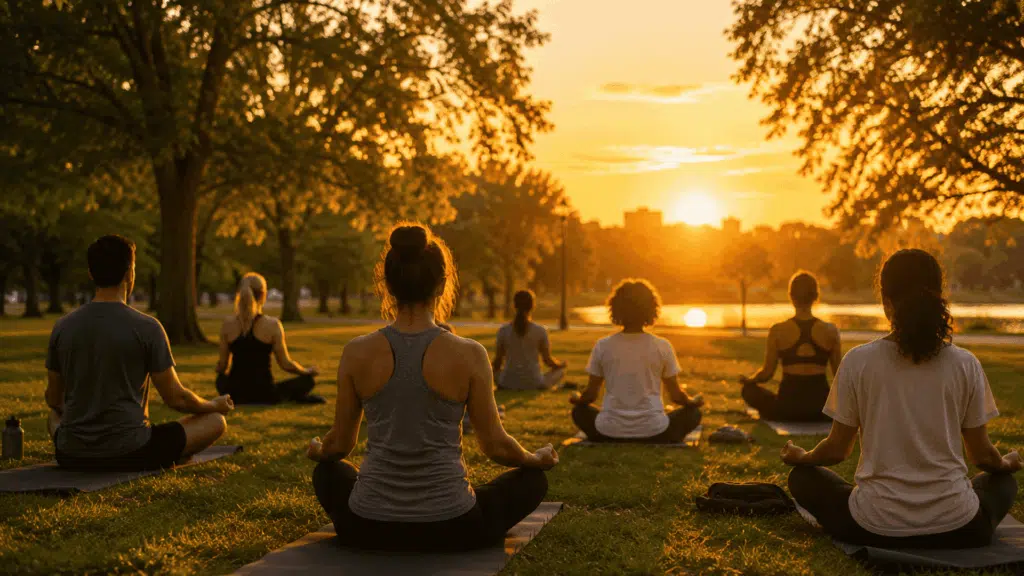
Wellness affects many parts of daily life, from physical health and emotional balance to relationships, work and financial stability.
Yet the meaning of wellness can vary depending on the context.
At its core, wellness is an ongoing process shaped by habits, choices and different areas of well-being. It can also involve programs and educational resources designed to support healthier routines.
This blog explains what wellness means, how it differs from health, its common dimensions, the types of wellness programs available and where to find credible wellness resources.
What is Wellness?
Wellness means actively maintaining a healthy body, mind, and lifestyle. It goes beyond simply not being sick.
A person can have no disease and still lack wellness if they deal with constant stress, poor sleep, or troubled relationships.
Wellness isn’t something a person achieves once and keeps forever; it takes ongoing effort to hold onto. It covers the daily choices people make about food, exercise, rest, and mindset.
Most widely accepted definitions agree on this point: real wellness takes consistent work to maintain.
Wellness vs Health: How They Differ
| Aspect | Health | Wellness |
|---|---|---|
| Definition | A physical or clinical state, a tangible condition a doctor can test or diagnose | The lifestyle and mental attitudes that promote good condition on a regular basis |
| Nature | A state | A process |
| Focus | Clinical, measurable condition of the body | Daily habits, mindset, and lifestyle choices |
| Relationship to illness | Managing a chronic condition doesn’t rule out pursuing wellness | Complementary to health, not mutually exclusive |
| Example | A person diagnosed with a chronic illness | The same person can still reach high levels of wellness through proper sleep, physical activity, and social interaction |
The Dimensions of Wellness
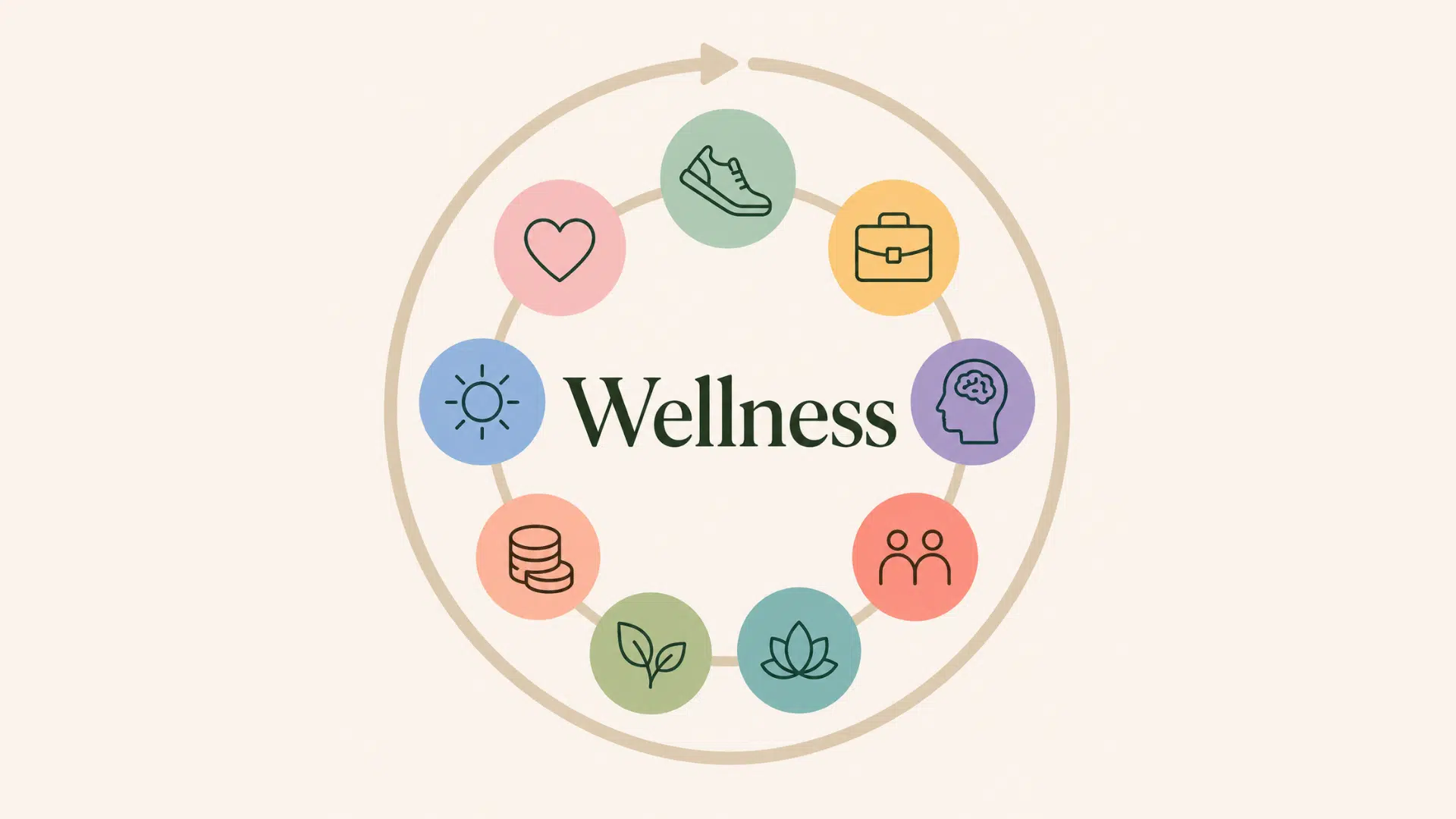
Wellness encompasses several interconnected dimensions, each representing a distinct area of well-being that can influence overall quality of life.
Physical, Mental and Emotional Wellness
Physical wellness encompasses sleep, activity, and nutrition, as the body functions best with consistency in these areas.
Mental wellness involves learning, focus, and problem-solving, built through curiosity and challenge.
Emotional wellness means feeling and expressing emotions rather than suppressing them.
These three spheres stay linked: poor sleep hurts concentration, and constant stress lowers motivation to stay active, showing how one weak area drags down the rest.
Social, Spiritual and Occupational Wellness
Social wellness comes from genuine relationships with friends, family, and community, built through consistent effort rather than occasional contact.
Spiritual wellness centers on purpose and meaning and doesn’t require religion, since many find fulfillment through personal principles and inner peace.
Occupational wellness means finding satisfaction and balance at work, regardless of whether the job itself feels fulfilling.
These three tend to carry more weight as people move further into adulthood and settle into their roles.
Intellectual, Environmental and Financial Wellness
Intellectual wellness ties to curiosity, creativity, and lifelong learning, nurtured through reading, new hobbies, and community involvement.
Environmental wellness concerns the spaces people occupy, both at home and elsewhere, and access to calm, peaceful surroundings.
Financial wellness relates to having financial stability, since financial stress can have wide-reaching effects on overall well-being.
Together, these three dimensions represent some of the newer additions to the definition of wellness today.
Types of Wellness Programs
Each program occupies its own niche, and people typically combine two or more based on availability, price, and personal preference, tailoring their approach to fit individual needs and circumstances.
1. Workplace Programs: Stipends for fitness activities, counseling for mental well-being, and stress-reduction courses provided by an employer at a lower cost.
2. Community and University Programs: Group activities, classes, and counseling services provided to everyone for free or at low prices at local health departments and college campuses.
3. App-Based Programs: Sleep, physical activity, and mood monitoring from a mobile device with reminders that encourage regularity.
Where to Find Credible Wellness Resources
Credible wellness resources come from established organizations rather than random social media claims, and checking a program’s source before joining helps you avoid quick fixes and build lasting habits.
Look for:
- Established organizations such as the Global Wellness Institute or the National Wellness Institute
- Accredited university health centers with research-backed programs
- Free guides and research pages from universities rather than unverified online claims
- Programs backed by public health bodies or licensed professionals
- A track record built over time, not trends built around one influencer alone
Common Wellness Myths
Myth: Wellness applies only to physical well-being or nutrition.
Truth: It encompasses the mental, social, and even financial dimensions of well-being.
Myth: Wellness requires costly vacations or supplements.
Truth: Most important practices don’t require any money at all.
Myth: Wellness is an attainable goal that once achieved is easy to maintain with no further efforts.
Truth: Maintenance is necessary.
Myth: Wellness does not change with time.
Truth: Wellness changes and must be adjusted accordingly.
Why Wellness Matters in Everyday Life
People who consistently practice wellness habits tend to report steadier energy, better sleep quality, and fewer minor illnesses over time.
Mentally consistent wellness habits support clearer thinking, stronger focus, and better stress recovery during difficult weeks.
Neglecting one dimension, such as social connection, often affects other dimensions as well, since these areas influence each other closely rather than existing in isolation.
This is why wellness works best as an ongoing practice rather than a short term fix applied only during stressful periods or after a health scare.
Simple Ways to Start Practicing Wellness
A person just getting into wellness doesn’t need to tackle every dimension at once. Small, focused habits, practiced consistently, build a stronger foundation than attempting a complete lifestyle overhaul right from the start.
- Establishing a regular sleeping time for improved sleep
- Having one call per week with family to improve connections
- Listing three good things that happened during the day
- Going for a walk on a daily basis
- Taking ten quiet minutes every morning for introspection
Conclusion
From a few talks a couple of decades ago, wellness has grown into one of the most searched concepts in current health.
It has shifted from being about illness treatment to a completely new mindset about everyday life.
Individuals who embark on wellness for the first time often discover that seemingly insignificant habits, when practiced consistently, form the foundation of everything else.
Which dimension of wellness will readers choose to focus on first? Their thoughts and starting habits are welcome in the comments below.
Frequently Asked Questions
Is Wellness The Same as Self-Care?
No, self-care is a specific action taken occasionally, while wellness is an ongoing effort across multiple areas of daily life.
How Much Does a Wellness Program Cost?
Costs vary widely, ranging from free community and university options to paid workplace programs or monthly app subscriptions.
What is a Wellness Wheel?
A wellness wheel is a visual chart mapping different wellness dimensions, helping people see which areas need more attention.