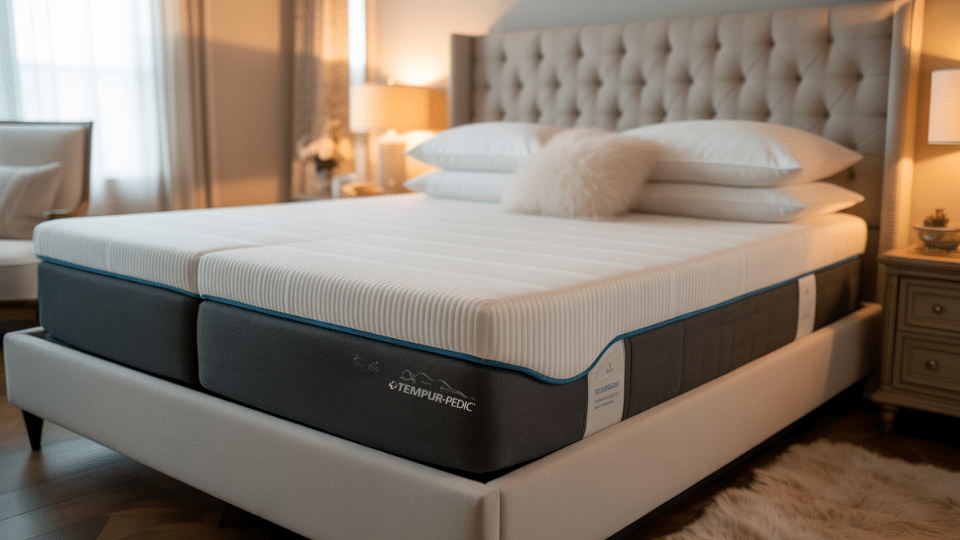
I bought my first Tempur-Pedic a few years back, convinced it would outlast every mattress I’d owned before. It did, but not in the way I expected.
The question of how long these mattresses last isn’t answered by reading the warranty card or trusting what the sales rep told you.
In this article, I’ll walk you through what actually happens between year one and year twelve, why the 10-year warranty creates false expectations, and how sleeper weight and usage patterns shift the timeline dramatically.
I’ll also cover the signs that your mattress is done, even if it still looks fine, and help you decide if the upfront cost makes sense for your situation. You’ll leave with clarity, not marketing copy.
How Long Does a Tempur-Pedic Mattress Last?
Most Tempur-Pedic mattresses last between 8 and 12 years before needing replacement. But here’s the catch: “lasts” and “stays comfortable” aren’t the same thing.
A mattress might still function at year 10, no major sagging, no torn cover, but it won’t feel the way it did in year 2. Standard memory foam mattresses typically wear out around the 6 to 8-year mark, so Tempur-Pedic outlasts cheaper alternatives.
The proprietary foam holds up better under long-term pressure. That said, how long Tempur-Pedic mattresses last depends heavily on body weight, sleeping position, and which model was purchased.
A 250-pound side sleeper will compress the foam faster than a 130-pound back sleeper. The range exists for a reason.
10-Year Warranty vs Real-World Lifespan
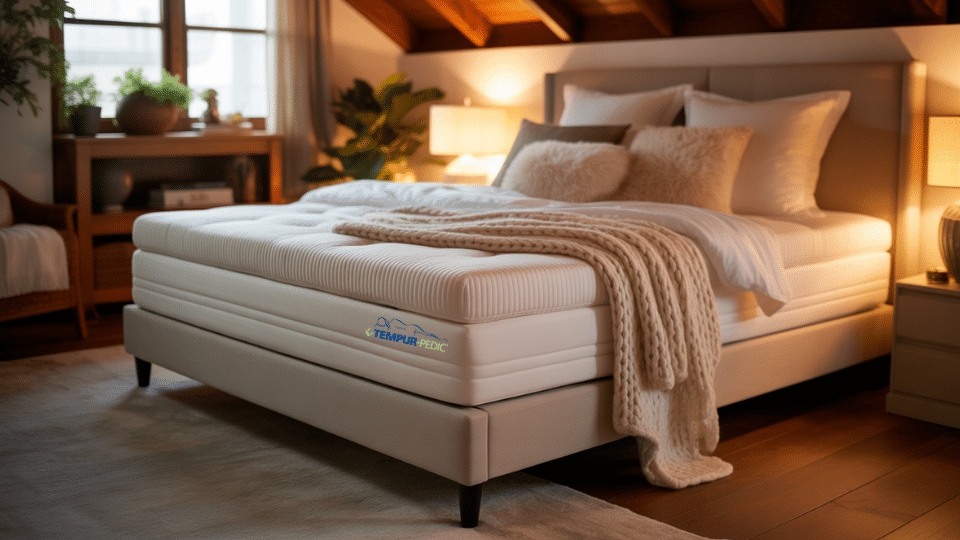
People assume the 10-year warranty guarantees a decade of comfort. It doesn’t. The warranty protects against defects, not the natural breakdown of foam over time.
What the 10-Year Warranty Actually Covers
- Manufacturing defects like split foam or faulty construction
- Structural failures, such as the mattress losing its shape prematurely
- Significant sagging beyond 0.75 inches (measured without weight on it)
What It Doesn’t Cover (And Why That Matters)
- Comfort loss from gradual softening or reduced responsiveness
- Normal body impressions that develop from years of use
- Preference changes, liking it less doesn’t qualify for replacement
A 10-year warranty is genuinely solid coverage. Most mattress brands offer far less. But it’s not a comfort guarantee. The foam will change over time, and that’s considered normal wear.
What Long-Term Owners Actually Experience Over Time
The lifespan isn’t just a number; it’s a series of phases. Here’s what happens from delivery day to the moment most people start shopping again.
Years 1–3: The Honeymoon Phase
This mattress delivers on its promise with dense, responsive foam that contours without sinking. It shows minimal body impressions after nightly use.
Support remains consistent in all sleep positions, and users often wake up feeling better than on old mattresses. Though it takes time to break in, it stays comfortable for years.
- No visible sagging or permanent indentations develop during this period under normal use conditions.
- Temperature regulation feels stable as the foam hasn’t degraded enough to trap more heat yet.
- Partner motion isolation works at peak performance; rolling over doesn’t disturb the other side noticeably.
Years 4–7: When Weight and Sleep Position Start to Matter
This is where experiences differ. Heavier sleepers over 200 pounds notice foam doesn’t bounce back quickly. Side sleepers see impressions at the shoulders and hips, the high-pressure zones.
The mattress softens here, remaining supportive but less firm. Back and stomach sleepers notice a few changes, but side sleepers may wake up with pressure discomfort.
- Impressions measure around 0.5 inches deep but don’t qualify for warranty replacement under the 0.75-inch threshold.
- Edge support weakens slightly, making sitting on the mattress perimeter less stable than before.
- Initial comfort takes longer to achieve as the foam needs more time to adjust nightly.
Years 8–12: Still Functional, No Longer Optimal
The mattress isn’t failed, just tired. Support is intact, no collapse or spring poking through. Foam has lost density, so it no longer relieves pressure effectively.
Waking stiff, mainly in the lower back or hips, is common. Rotating helps temporarily, but relief fades. It’s still usable, just not restorative.
- Body impressions become permanent features that don’t fade even after hours without weight.
- The “memory” aspect dulls noticeably, foam responds more slowly, and doesn’t fully contour anymore.
- Sleep quality declines subtly but consistently, with more mid-sleep adjustments needed for comfort.
This timeline shifts based on usage, but the pattern holds across most owners. The mattress doesn’t collapse; it just stops feeling new.
Factors That Affect How Long a Tempur-Pedic Mattress Lasts
Not every Tempur-Pedic wears the same way. Three factors determine if the mattress hits year 8 or pushes past year 12.
- Sleeper weight: Heavier individuals (over 230 pounds) compress foam faster in high-pressure zones, cutting comfort lifespan by 2–3 years compared to lighter sleepers.
- Sleeping position: Side sleepers apply concentrated pressure on hips and shoulders, causing faster density wear than back or stomach sleepers who spread weight evenly.
- Mattress model and foam density: Entry models like Tempur-Adapt use less dense foam than ProAdapt or LuxeAdapt, impacting durability by 1–2 years.
- Foundation quality: A weak or sagging box spring speeds up mattress breakdown by making the foam work harder to compensate for poor support.
- Rotation frequency: Flipping isn’t possible, but rotating head-to-foot every 3–6 months spreads wear evenly and can extend comfort by 6–12 months.
These aren’t excuses, they’re realities. Understanding them helps set accurate expectations before the purchase happens.
Signs Your Tempur-Pedic Mattress is Nearing the End of its Life
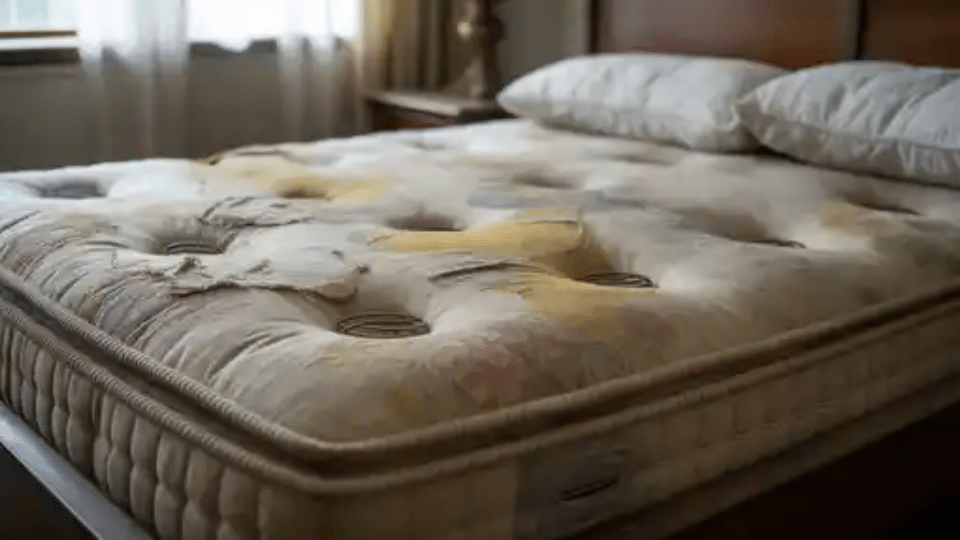
The mattress won’t announce it’s done. Here are the signals most people ignore until sleep quality drops noticeably.
Persistent body impressions that won’t bounce back. If indentations remain after 24 hours without weight, the foam has lost recovery ability and proper support.
Waking with stiffness or pressure pain. When hips, shoulders, or lower back hurt most mornings, the mattress isn’t cushioning pressure points effectively anymore.
Loss of support even after rotating. Rotating head-to-foot used to help, but now relief only lasts a few nights before discomfort returns.
Increased motion transfer from your partner. Rolling over or getting out of bed now disturbs the other side; motion isolation has degraded significantly.
Needing extra pillows or position changes. Finding comfort requires more effort than before, or additional pillows become necessary just to feel supported. If two or more apply, trust your body over the calendar.
Summing Up
I’ve walked through the timeline, warranty limits, and decline signals. So, how long do Tempur-Pedic mattresses last in a way that justifies the price?
For lighter sleepers or back sleepers, the 10–12 year window makes cost-per-year reasonable compared to replacing cheaper mattresses every 5–6 years.
Heavier side sleepers see closer to 8 years of comfort, which changes the value but still beats most alternatives. The mattress won’t collapse; it’ll stop feeling restorative.
Durability without dramatic failure, but comfort fades gradually. If you’re deciding if yours is done or if one’s worth buying, the answer depends on weight, sleep position, and gradual decline versus sudden failure.
Drop a comment if your experience matches what I’ve covered here.