


A twin bed can turn the tiniest room into the sweetest corner of the house.
It is the narrow, cozy option you usually see in kids’ rooms, bunk beds, and daybeds. I love it for guest nooks too, where a bigger bed would crowd the space.
Still, it’s easy to mix it up with a twin XL or a full. Knowing the twin mattress size before you shop saves you from sheets that do not fit and frames that wobble.
Read on to learn the exact measurements, how it compares to other sizes, and which rooms it suits best.
Twin Mattress Size Dimensions
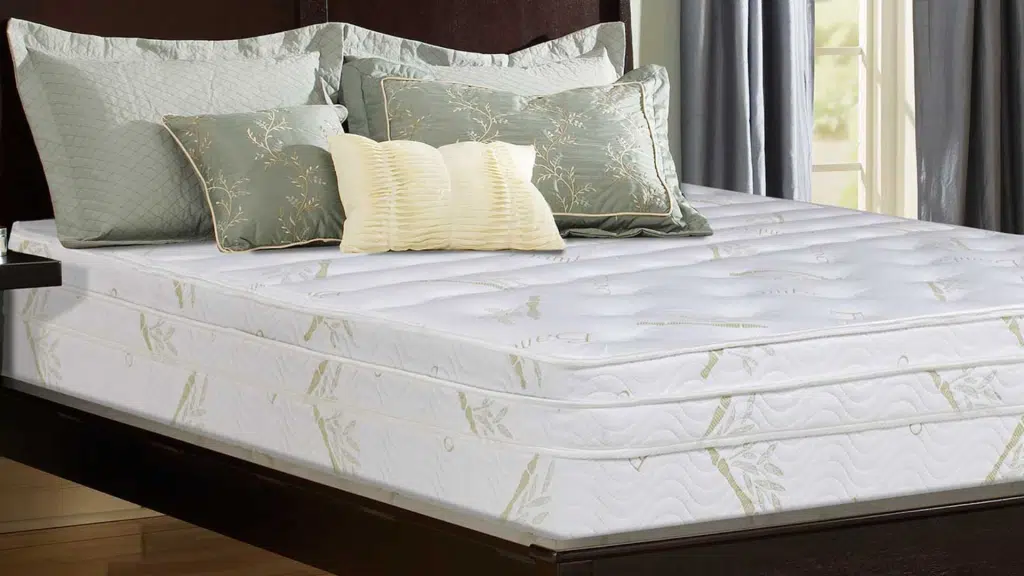
A standard twin mattress measures 38 inches wide by 75 inches long, or roughly 96.5 by 190.5 centimeters.
A few brands stretch the width to 39 inches, so I always check the exact label before ordering a frame or fitted sheets.
That size gives you about 2,850 square inches of sleep space, a comfy fit for kids, teens, and single sleepers under six feet tall.
Taller sleepers usually feel cramped on it, since the pillow takes up part of that length.
Twin vs. Other Mattress Sizes: A Detailed Comparison
For one sleeper in a small room, a twin is the most compact choice, and every other standard size trades floor space for extra width, length, or both.
Size | Dimensions | Compared With a Twin | Sleeping Surface |
|---|---|---|---|
Twin XL | 38″ × 80″ | 5 in longer | 3,040 sq in |
Full | 54″ × 75″ | 16 in wider | 4,050 sq in |
Queen | 60″ × 80″ | 22 in wider, 5 in longer | 4,800 sq in |
King | 76″ × 80″ | 38 in wider, 5 in longer | 6,080 sq in |
California King | 72″ × 84″ | 34 in wider, 9 in longer | 6,048 sq in |
RV Bunk | 28″ to 35″ × 75″ to 80″ | Up to 10 in narrower | About 2,100 to 2,800 sq in |
Small Single | About 30″ × 75″ | About 8 in narrower | About 2,250 sq in |
1. Twin XL
A twin XL is 38 by 80 inches, the same width as a twin but 5 inches longer. That extra length really matters only for sleepers over 6 feet tall.
It usually costs $50 to $150 more, and its sheets and frames can be pricier and harder to find.
You will see the twin XL in many college dorms, and two of them side by side make a split king for adjustable bases. A regular twin works well for younger kids and guest rooms where height is not a concern.
2. Full
A full measures 54 by 75 inches. It’s the same length as a twin but 16 inches wider, which is the difference between a snug fit and real room to roll over.
If you are a restless solo sleeper or simply like more personal space, I’d go for a full.
It’s also the better pick when your room can take the bigger footprint, with no tight corners or narrow doorways to squeeze it through.
3. Queen
A queen measures 60 by 80 inches, so it’s bigger than a twin in both directions.
It is the go-to size for couples and anyone who loves to sprawl, while a twin suits solo sleepers in smaller rooms.
The upgrade costs more in every way, from the frame and bedding to the mattress itself. Check your budget and your floor space before you make the jump.
4. King
A king measures 76 by 80 inches, exactly as wide as two twins side by side. Two twins still fall 5 inches short on length, though.
Two twin XLs make a true king, which is how split kings work.
A king suits couples who want maximum space or families whose little ones pile in on weekends. A twin is better for solo sleepers, kids’ rooms, and anyone who values floor space over sleep space.
Kings also need bigger rooms and cost more.
5. California King
A California king measures 72 by 84 inches, so it’s 4 inches narrower than a king but 4 inches longer. It’s made for tall sleepers and long, narrow primary bedrooms.
Honestly, few people are torn between this and a twin.
A twin fits apartments, kids’ rooms, and guest rooms, while a California king is a roomy pick for large bedrooms and tall folks.
6. RV Bunk / Narrow Twin
RV bunk mattresses are built for tight platforms, and sizes vary a lot between rigs. Most run about 28 to 35 inches wide and 75 to 80 inches long.
Some RVs do fit a standard twin, so the label alone won’t tell you whether a mattress fits.
These show up in RVs, campers, and custom bunk setups, almost never in regular homes. If you are outfitting a camper or a custom sleeping nook, measure the platform first, since a narrow mattress may be the only thing that fits.
7. Small Single (UK)
The small single is a UK size that measures about 30 by 75 inches (75 by 190 centimeters), roughly 8 inches narrower than a twin.
It is rare in the US, and in my view, a standard twin offers better long-term value plus far more sheet and bedding options.
The exceptions are antique frames and very tight spaces, where a narrower mattress might be the only option.
Room Size Requirements for Twin Mattresses
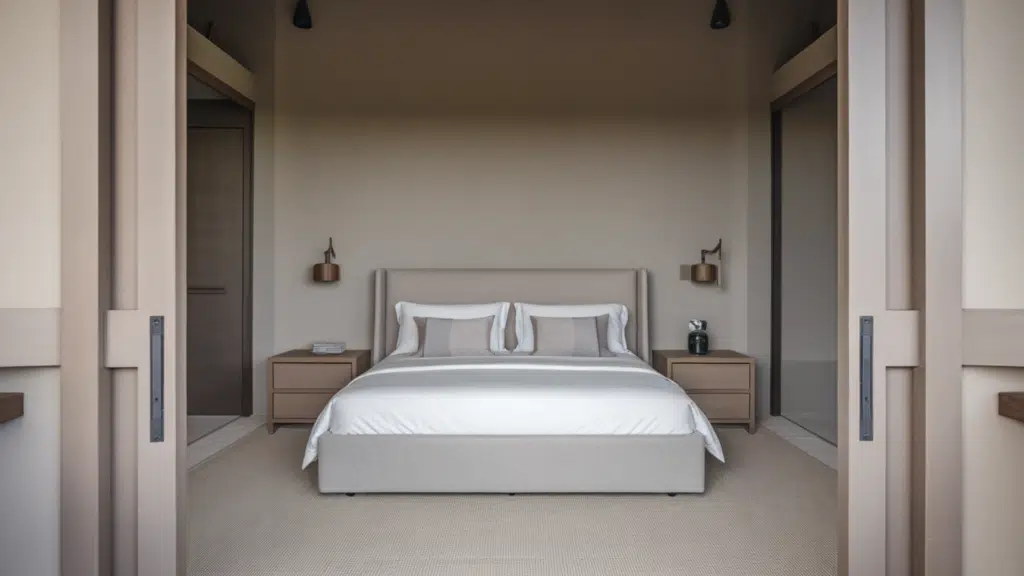
One of the biggest advantages of a twin mattress is how little space it actually needs.
I have found that even the smallest bedrooms can comfortably accommodate a twin while leaving room for essential furniture and movement.
Minimum Room Size and Layout Tips
When planning your space around a twin mattress, these measurements and placement strategies will help you maximize comfort and functionality:
A room measuring at least 7′ × 10′ works for a basic twin setup, though 10′ × 10′ gives you breathing room for dressers and nightstands.
Leave 2 to 3 feet of clearance on at least two sides of the bed for easy access and making the bed without contorting yourself.
In tight spaces, position the bed against a wall to maximize usable floor area for desks, storage, or play zones.
Who Should Choose a Twin Mattress?
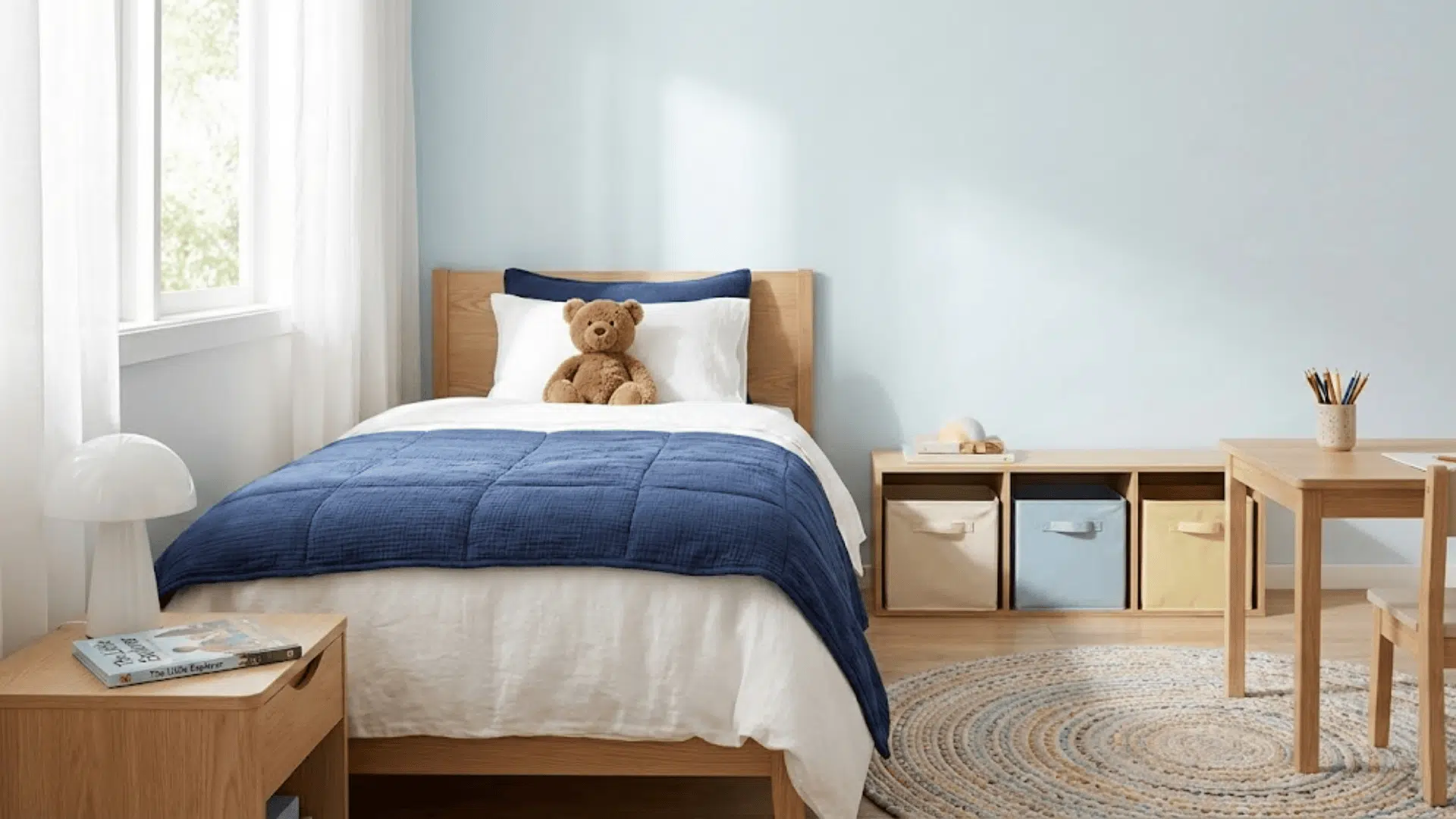
A twin works best for one sleeper under about 6 feet tall, in a room where every foot counts. That covers more homes than you’d expect, so I have rounded up the spots where a twin truly earns its place.
Kids and Growing Children: A twin is the natural next step once a child outgrows the crib, and it stays comfy through the grade-school years. It also leaves floor space for a desk, toy bins, and a bookcase.
Teens and College Students: A standard twin works for shorter teens, while a twin XL is the smarter pick once they pass 6 feet. Many college dorms use twin XL beds too.
Single Adults in Small Bedrooms: If you sleep solo and your room is short on space, a twin keeps you comfortable without taking over the floor.
Guest Rooms: One twin suits a solo visitor, and a pair lets two guests sleep separately. Go with twin XLs if your guests tend to be tall.
Bunk Beds and Daybeds: Twins are the usual size for both, so frames and bedding are easy to find and budget-friendly. Keep kids under 6 on the bottom bunk for safety.
Studio Apartments: In a compact home, a twin frees up room for a desk or a little seating nook while still giving you a proper bed.
You do not have to settle on materials, either. Twins come in memory foam, hybrid, innerspring, and latex, just like bigger sizes.
For kids, a budget-friendly innerspring usually does the job. For adults, latex tends to last the longest, while memory foam suits anyone who loves a soft, contouring feel.
Twins come in every material bigger beds do, from memory foam to latex, so pick the feel that suits the sleeper rather than sizing up.
Types of Twin Mattresses Available
Twin mattresses come in all the same materials as bigger sizes, so going compact does not mean giving up comfort. Each type feels a little different, and this quick comparison shows where each one fits best.
Mattress Type | Best For | Key Benefits | Drawbacks |
|---|---|---|---|
Memory Foam | Side sleepers and anyone who wants pressure relief | Hugs the body, absorbs motion | Can trap heat, harder to shift positions |
Hybrid | Sleepers who want a bit of everything | Foam comfort with coil support, better airflow than all-foam | Usually costs more, heavier to move |
Innerspring | Kids and budget shoppers | Affordable, bouncy, sleeps cool | Shortest lifespan, little contouring |
Latex | Eco-minded buyers and long-term value | Longest lasting, responsive, resists dust mites and mold | Pricey, heavy, not for latex allergies |
The best pick comes down to who’s sleeping on it.
For a child’s room, I would happily go with a budget innerspring. Adults in small spaces usually get more out of latex for its lifespan or memory foam for its soft, cradling feel.
Bedding & Accessories for Twin Size
Shop for bedding labeled twin, not twin XL, since twin XL pieces run 5 inches longer and will bunch up. Twin bedding is easy to find and usually costs less than bigger sizes, which makes setting up the bed a lot more fun.
Twin Bed Frames and Foundation Options
The right frame depends on how much space you have and whether you’d like extra storage or height. These are the setups I’d look at first.
Platform Beds: They do not need a box spring, and many come with built-in drawers, which helps a lot in small bedrooms.
Box Spring Setups: A box spring on a classic metal frame adds height, so getting in and out of bed feels easier.
Bunk Beds: Most bunk beds take twin mattresses, but each frame is labeled with the right mattress size and maximum thickness, so check it before you buy. The top of each guardrail has to sit at least 5 inches above the mattress under the federal bunk bed safety rule, and a mattress that’s too thick eats into that margin.
Twin Sheets, Protectors, and Toppers
A good fit keeps your bedding comfy and helps it last longer.
Twin fitted sheets are usually about 39 by 75 inches, an inch wider than the mattress, with pockets deep enough to wrap around its sides. Flat sheets are much larger, around 66 by 96 inches, so they tuck in neatly on both sides.
Before buying fitted sheets or a mattress protector, measure your mattress thickness and match it to the pocket depth on the label.
If you’d like extra softness, a topper around 2 to 3 inches thick adds cushioning without fighting your sheets, and memory foam and latex are popular picks for that cozy, pressure-relieving feel.
Final Thoughts
A twin mattress might be small, but it fits a lot of life. It works for kids, teens, guests, and anyone making the most of a cozy space.
The right pick comes down to your room, your budget, and who is sleeping on it. Measure your space, check the twin mattress size against your frame, and choose a material that suits how you sleep.
Have a twin setup you love, or one that didn’t quite work out? Share it in the comments below. I’d love to hear how yours turned out.
Frequently Asked Questions (FAQs)
Can Two Adults Sleep on a Twin Mattress?
Not comfortably. Split two ways, a twin leaves each person about 19 inches of width. A full is the first standard size most couples can realistically share.
Will Twin Sheets Fit a Twin XL?
No. A twin fitted sheet is 5 inches too short for a twin XL and pops off the corners. A twin XL sheet fits a twin but bunches at the foot.
Is a Twin the Same as a Single?
In the U.S., yes. “Twin” and “single” name the same 38 × 75-inch mattress. A UK single is different, about 90 × 190 cm, or roughly 2.5 inches narrower.