If you’ve been comparing linen and bamboo sheets, you’re not the only one out there. Both are loved for being soft, breathable, and eco-friendly, but they feel completely different once you slip into bed.
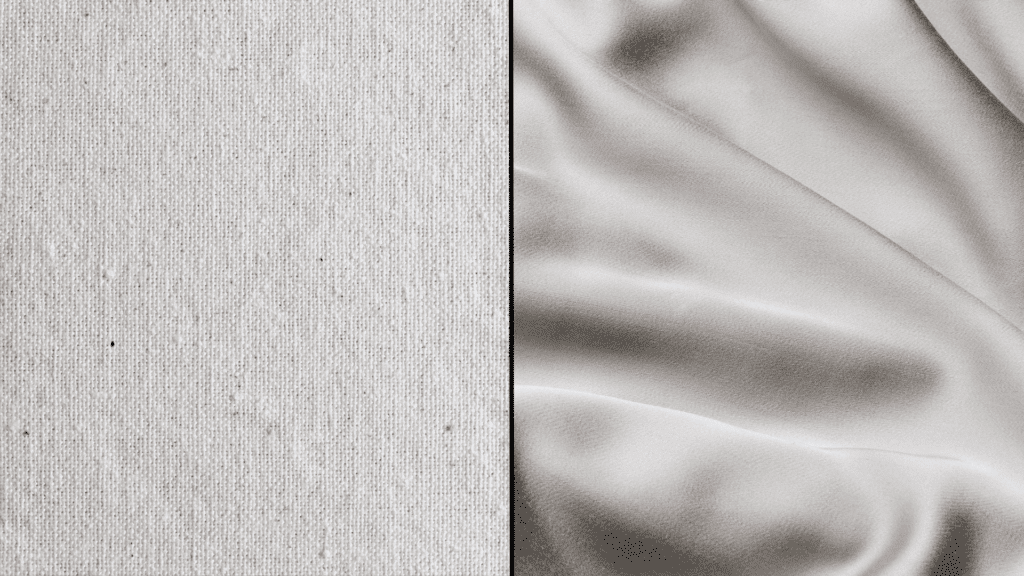
Linen is textured and built to last, while bamboo feels silky and smooth from day one.
In my experience, each has its fans for good reason. The real question isn’t which is “better,” but which one fits how you actually sleep.
So, today, I’ll break down the main differences so you can confidently choose what works best for your comfort, budget, and care routine.
Bamboo vs. Linen Sheets: Quick Look
| Feature | Linen Sheets | Bamboo Sheets |
|---|---|---|
| Feel & Texture | Crisp, textured at first, softens over time | Smooth, silky, gentle from the start |
| Cooling & Breathability | Excellent airflow, great for hot climates | Temperature-regulating, adapts to body heat |
| Durability | It can last decades with care | Softer but tends to wear faster |
| Price | Higher upfront cost | More affordable mid-range option |
| Care Difficulty | Needs gentle washing, wrinkles easily | Easier to care for, stays wrinkle-free |
| Sustainability | Fully natural, low water use | Renewable, but processing can use chemicals |
This gives you the basics. Now, let’s see how each material is made.
How are Linen and Bamboo Sheets Made?
Both fabrics start with plants, but their journey to your bed is quite different.
Linen: From Flax to Fabric
Linen comes from the flax plant. It’s grown mainly in cooler European regions where flax thrives naturally with little irrigation or pesticides.
The stalks are soaked in water, a step called retting, to release the fibers. These fibers are then spun and woven into fabric.
What I love about linen is how simple this process is, no harsh chemicals, just time and natural methods. It’s why linen feels sturdy yet breathable and why it holds up for years without losing strength.
Bamboo: From Plant to Viscose/Lyocell
Bamboo grows quickly and doesn’t need much water or pesticides, which makes it sound like a perfect eco material. The tricky part comes when turning it into fabric.
Most bamboo sheets are viscose or rayon, meaning the fibers go through a chemical process to soften them. However, bamboo lyocell is made using a closed-loop system that reuses water and solvents, making it much safer for the environment.
If sustainability is important to you, look for bamboo sheets labeled as “lyocell” or “closed-loop processed.”
Bamboo vs. Linen Sheets: Feel and Comfort
When it comes to feel, linen and bamboo couldn’t be more different.
Linen has a natural texture that feels crisp and cool at first. Over time, it softens with every wash, developing a lived-in comfort that I find hard to beat. It’s breathable and airy but still feels substantial on the skin.
Bamboo sheets, on the other hand, are smooth and almost silky. They drape easily and feel softer right out of the package. If you prefer something that glides against your skin, bamboo is your pick.
For those who like the sensation of freshness and texture, linen’s your match. Either way, both keep you comfortable through the night, just in their own way.
Cooling and Breathability of Linen and Bamboo Sheets
Temperature plays a big role in good sleep, and both materials are strong performers here.
For Hot Sleepers
Linen naturally wicks moisture and allows air to circulate freely. It feels noticeably cooler during humid nights because it doesn’t cling to your skin.
Bamboo also wicks moisture, but it tends to trap warmth just a bit more because of its tighter weave. If you’re someone who wakes up sweaty, linen may feel fresher through the night.
For Cold or Mixed Climates
Bamboo stands out when the seasons change. It adjusts well to body temperature, keeping you cozy without overheating.
That’s why it works for people who live in mild or shifting climates. You can even layer bamboo sheets in cooler months without feeling weighed down.
Linen is naturally insulating, but it feels more “cooling” than warming, making it perfect for warm sleepers or coastal homes.
Sensitivity, Allergies, and Skin Health
If you have sensitive skin, both linen and bamboo are excellent choices.
Linen is naturally hypoallergenic, allowing your skin to breathe while reducing bacterial buildup. It’s also great at repelling moisture, which helps prevent irritation.
Bamboo, however, feels smoother on the surface. That silky finish makes it a gentle option for those with eczema, allergies, or easily irritated skin. It’s also naturally antibacterial, which can help keep your bedding fresh between washes.
In my experience, bamboo feels softer immediately, while linen becomes just as comfortable over time. Both give your skin room to breathe and stay clean as you sleep.
Bamboo vs. Linen: Cost, Durability, and Care Comparison
| Category | Bamboo Sheets | Linen Sheets |
|---|---|---|
| Cost and Value | Mid-range price. Feels soft right away and offers instant comfort. May need replacing sooner. | Higher upfront cost but lasts for decades. Considered a long-term investment that becomes cheaper over time. |
| Durability | Softer but less sturdy. Fibers can thin or pill after a few years with frequent washing. | Extremely durable. Flax fibers are long and strong, allowing linen to last for decades and improve with age. |
| Maintenance | Needs gentle washing. Avoid harsh cycles, bleach, and fabric softeners. Air-dry or tumble-dry on low. | Also benefits from gentle washing. Air-dry for best results or tumble-dry on low heat. Wrinkles are natural; iron lightly if preferred. |
Sustainability and Environmental Impact of Bamboo and Linen
Both linen and bamboo appeal to eco-conscious buyers, but their sustainability depends on how they’re produced.
Linen: Naturally Low-Impact
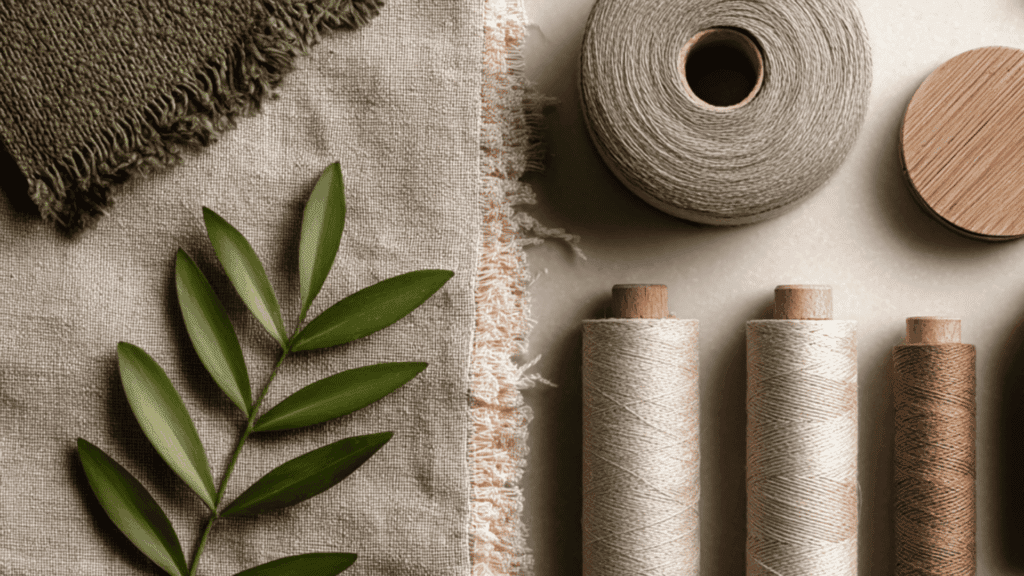
Linen is one of the most sustainable fabrics available. The flax plant requires very little water to grow, and almost every part of the plant is used (from fiber to seed).
- The production process is often mechanical rather than chemical, which keeps it low-impact.
- Linen is also fully biodegradable, making it an excellent long-term choice for the planet.
Overall, linen’s sustainability is consistent, with minimal waste and a naturally durable lifespan.
Bamboo: Sustainable Growth, Complex Processing
Bamboo grows rapidly without the need for pesticides or irrigation, which makes it seem like a perfect eco-friendly option. However, the challenge lies in the fabric conversion process.
- Turning bamboo stalks into fabric can involve strong chemicals like sodium hydroxide unless it’s made using a closed-loop system.
- Bamboo lyocell is the greener version as it reuses up to 99% of the solvents, reducing environmental harm.
If you want verified eco credentials, look for certifications such as OEKO-TEX, which ensures no harmful chemicals, or GOTS, which confirms organic and ethical sourcing.
Quick Recap for Choosing Which Sheet Type Fits You Best?
| Sleeper Type / Preference | Best Fabric | Why It Works |
|---|---|---|
| Hot sleepers | Bamboo | Regulates temperature and stays cool and smooth on warm nights. |
| Eco-conscious buyers | Linen | Made through natural, chemical-free production processes. |
| Durability seekers | Linen | Extremely strong fibers that last for years with proper care. |
| Sensitive skin | Bamboo | Silky-soft texture that’s gentle and soothing on skin. |
As I see it, your best pick depends on how you sleep and what you care about most. For a soft, cooling feel that’s low-maintenance, go with bamboo. For a classic, breathable fabric that lasts, linen won’t let you down.
Conclusion
Both linen and bamboo sheets are breathable, sustainable, and comfortable, but they serve different needs.
Linen offers a crisp, textured feel that softens with age and stands up to years of use. Bamboo provides instant smoothness and is ideal for sensitive skin or warm climates.
If you value durability and heritage, linen is worth the splurge. If you want comfort right away and easy care, bamboo is your match.
In the end, the best choice comes down to your sleep habits, skin needs, and how much effort you want to put into care.
For more such informative blogs, go through the website!