


Dreams often feel long, detailed, and emotionally rich, yet they usually unfold within just a few minutes of real time.
This difference between perception and actual duration is what makes the question of how long do dreams last so interesting to sleep researchers and readers alike.
Most remembered dreams last around 5 to 20 minutes, though some may be shorter or longer depending on the REM sleep stage and the timing of awakening.
REM cycles and wake-up moments both shape how long a dream feels. Read on to understand what science reveals about dream length and how it affects sleep experience.
The Science Behind Dreams
Scientists have not settled on a single confirmed reason why dreams occur, and several theories exist side by side. One explanation is the activation-synthesis hypothesis.
During REM sleep, brain stem circuits fire in patterns similar to waking activity, and the forebrain assembles these signals into images and storylines. Another theory points to memory consolidation.
Dreaming may relate to how the brain processes daily memories, though the National Institute of Neurological Disorders and Stroke notes consolidation most likely requires both non-REM and REM sleep, not REM alone.
A third theory links dreaming to emotional processing. None of these explanations is fully confirmed.
Factors That Affect How Well You Recall Your Dreams

Several elements affect how often you remember a dream and how much detail stays intact after waking.
1. Sleep Stage at Waking
Waking directly from REM sleep is linked to clearer dream recall, since this stage is when most vivid dreaming occurs.
Brain activity during REM closely resembles a waking state, which may explain why dreams from this stage feel more detailed and story-like.
Waking from deeper non-REM stages often produces little or no dream recall, and when something is recalled, it tends to be a vague feeling or a single image rather than a full sequence of events.
2. Quality of Sleep
Frequent awakenings or a disrupted sleep pattern can increase how often dreams are noticed, since each waking moment creates a chance to catch a dream before it fades.
However, this does not mean broken sleep is better for overall dream recall.
A sleep pattern that is consistently interrupted can reduce total REM time across the night, which may lower the number of dreams available to remember in the first place, even if isolated fragments are easier to catch.
3. Stress and Emotional State
Higher stress levels before bed can lead to more emotionally intense dreams, which may be easier to remember than calmer, uneventful ones.
Strong emotions such as anxiety, excitement, or unresolved worry from the day often carry over into dream content, making these dreams stand out more clearly upon waking.
In contrast, a calm and settled mind before sleep may produce dreams that are just as frequent but far less memorable.
4. Substances and Medications
Alcohol, certain medications, and caffeine close to bedtime can affect REM sleep and change how much dream detail is retained upon waking.
Alcohol tends to suppress REM sleep earlier in the night, which can lead to a rebound of more intense REM periods later on, sometimes producing unusually vivid or strange dreams.
Some medications, including certain antidepressants, are also known to alter REM patterns, which can either increase or dampen how much dream activity a person experiences and recalls.
5. Individual Differences
Age, personality traits, and general attitude toward dreaming can all play a role, with some people naturally recalling dreams more often than others regardless of sleep quality.
People who are more introspective or who pay closer attention to their inner thoughts during the day tend to report stronger dream recall as well.
Age also matters, as dream recall often shifts across life stages, with changes in sleep architecture affecting how much REM sleep occurs and how easily it is recalled.
How Dream Length Changes Across the Night
Dreams do not stay the same length all night. Early in the night, REM periods are short, so dreams tend to be brief and less detailed.
As the night goes on, each REM period grows longer, and dreams often become longer and more vivid too. This is why dreams right before waking up in the morning can feel like long, detailed stories, while dreams earlier in the night may barely be remembered at all.
The body naturally shifts more time into REM sleep during the second half of the night, giving the brain more room for longer dream sequences.
Because of this pattern, someone who wakes up later in their sleep cycle is more likely to recall a full, detailed dream than someone who wakes up early in the night.
Scientific Methods for Measuring Dream Duration
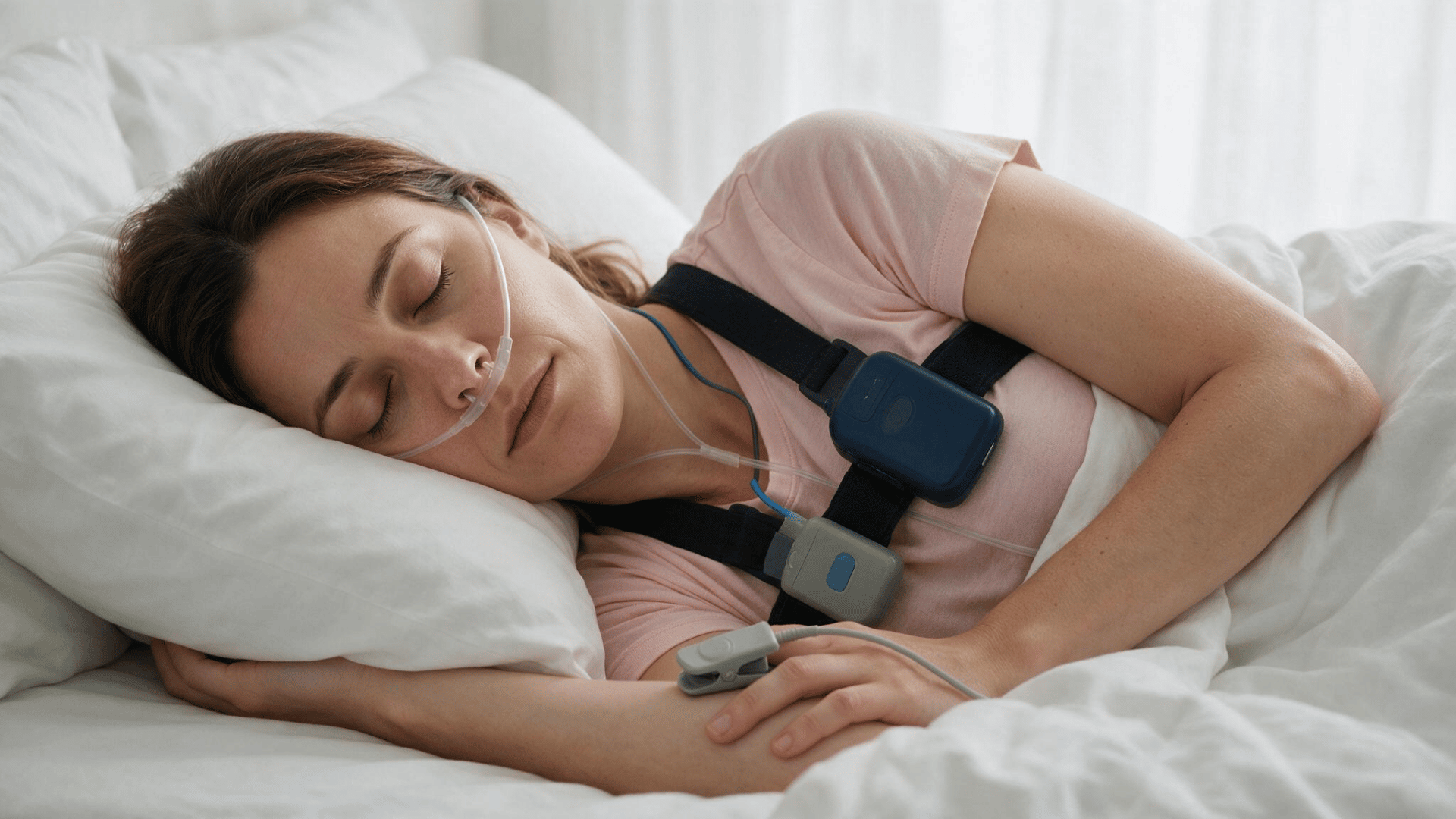
Researchers use multiple scientific techniques to estimate how long dreams last, since dreams cannot be directly observed or recorded.
Method | How it works | What it reveals |
|---|---|---|
Sleep-stage monitoring | Tracks brain waves and sleep stages | Identifies REM timing and length |
Timed awakenings | Collects reports after REM awakenings | Connects REM length with dream detail |
Brain and body sensors | Records physical changes during sleep | Detects patterns linked with vivid dreaming |
Lucid dream signals | Uses planned eye movements during dreams | Compares dream time with real time |
Dream Duration During Daytime Naps
Dreams can occur during daytime naps, but their duration depends largely on nap length and sleep stage.
A short nap may contain brief images or thought-like experiences without reaching REM sleep. Longer naps provide more time to enter REM, making vivid and structured dreams more likely.
Recent sleep loss can also cause REM sleep to begin sooner than usual. As a result, a person may experience a detailed dream during a relatively short nap.
The remembered story cannot confirm exactly how long the dream lasted because recall may combine separate scenes into one continuous experience.
Dream Length in Nightmares and Lucid Dreams
Nightmares and lucid dreams may feel unusually long because they contain strong emotions, detailed events, or a clear sense of awareness.
Their intensity can create a richer memory after waking, but it does not necessarily mean they lasted longer than ordinary dreams.
A nightmare often causes sudden awakening, which preserves recent details and makes the experience seem complete.
Lucid dreamers may also remember more because they recognize the dream while it happens.
Both experiences can occur during longer REM periods, yet their precise duration remains difficult to confirm without controlled sleep-laboratory measurements.
Practical Ways to Track Dream Patterns
Personal records cannot measure dreams with laboratory precision. They can reveal when dreams are remembered and which sleep habits affect their detail.
1. Record Dreams immediately: Write the waking time, people, settings and emotions before ordinary morning activities cause important details to disappear completely.
2. Maintain a Sleep Diary: Note bedtime, awakenings, caffeine, alcohol, medication and morning energy to identify factors linked with stronger or weaker dream recall.
3. Mark How Waking Occurred: Record whether waking happened naturally through an alarm or after a disturbance because the timing can influence remembered dream detail.
4. Review Wearable Estimates Carefully: Sleep trackers may estimate REM periods, but they cannot confirm when a particular dream began, changed scenes or finally ended.
5. Track Time of Night: Note whether the dream occurred earlier or later in the night, since recall often differs between the two.
Conclusion
The most accurate answer to how long do dreams last is usually 5 to 20 minutes, although some may end within seconds or continue beyond 30 minutes.
Longer dreams are more likely near morning because REM periods expand throughout the night.
Still, REM duration does not equal the exact length of a single dream and perceived time may differ greatly from clock time.
Dream records can reveal useful patterns, but they cannot provide laboratory-level measurements.
When do the longest remembered dreams occur? Early at night, after an interruption or shortly before morning? Share personal timing patterns and observations in the comments below.
Frequently Asked Questions
Can External Sounds Become Part of a Dream?
Sounds may be incorporated into dream content without fully waking the sleeper. This is more common during lighter stages of sleep, when the brain still processes some outside input.
Do People Always Dream in Color?
Many people report colorful dreams while others remember limited colors or none at all. This difference may come down to memory and recall rather than the dream itself lacking color.
Can a Dream Continue After Briefly Waking?
A similar dream may resume, but science cannot confirm that it is the same uninterrupted dream. What feels like a continuation is more likely a new dream built around similar themes or settings.