When it comes to outdoor furniture, one has several materials to consider, including metals, plastics, and various types of wood. However, solid wooden garden tables have stood the test of time as a superior choice. Wood, particularly hardwood, offers numerous advantages over its metal and plastic counterparts, making it an ideal option for outdoor furnishings. But why does hardwood consistently outperform these other materials when exposed to the elements?
Natural Durability and Strength
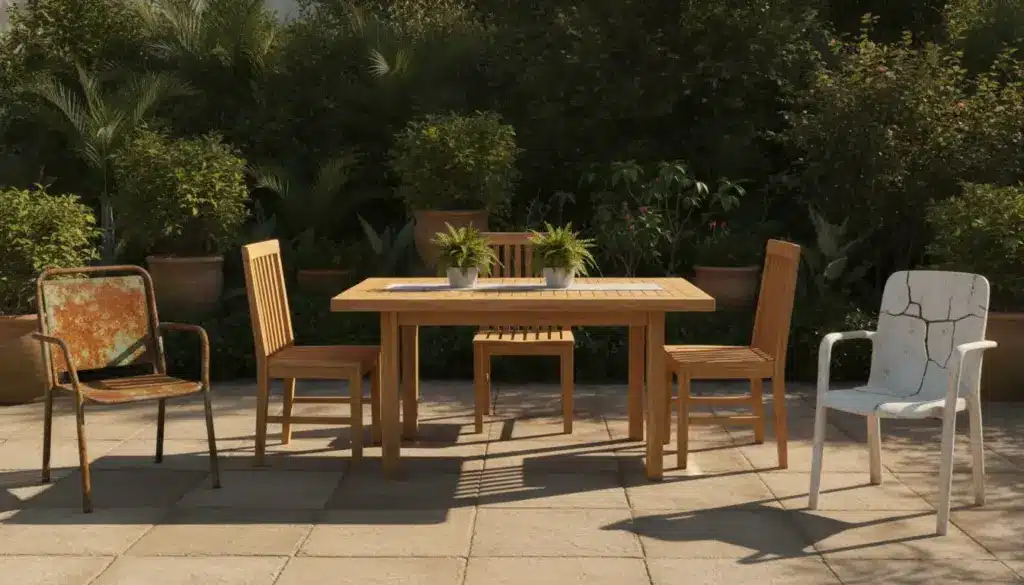
Hardwood’s inherent durability is one of its most significant advantages. Hardwoods such as teak, oak, and mahogany have dense grain structures, making them extraordinarily robust and long-lasting. This natural resilience means that hardwood can endure heavy use and resist the wear and tear that commonly affects outdoor furniture. In contrast, metals may corrode, and plastics can become brittle over time when exposed to extreme weather conditions. Hardwood’s ability to withstand these environmental challenges with minimal degradation makes it a perfect choice for outdoor areas.
Resistance to Weather Elements
Exposure to the sun, rain, and wind can quickly deteriorate materials like metal and plastic. Metal furniture, especially if untreated or low-quality, can be prone to rust, while plastic may fade or warp under UV rays. Hardwood, particularly varieties like teak, is naturally resistant to weather conditions. Teak contains natural oils that prevent moisture from penetrating the wood, thereby reducing the risk of rot and decay. This is not only essential for longevity but also for maintaining the aesthetic quality of the furniture.
Aesthetic Value and Timelessness
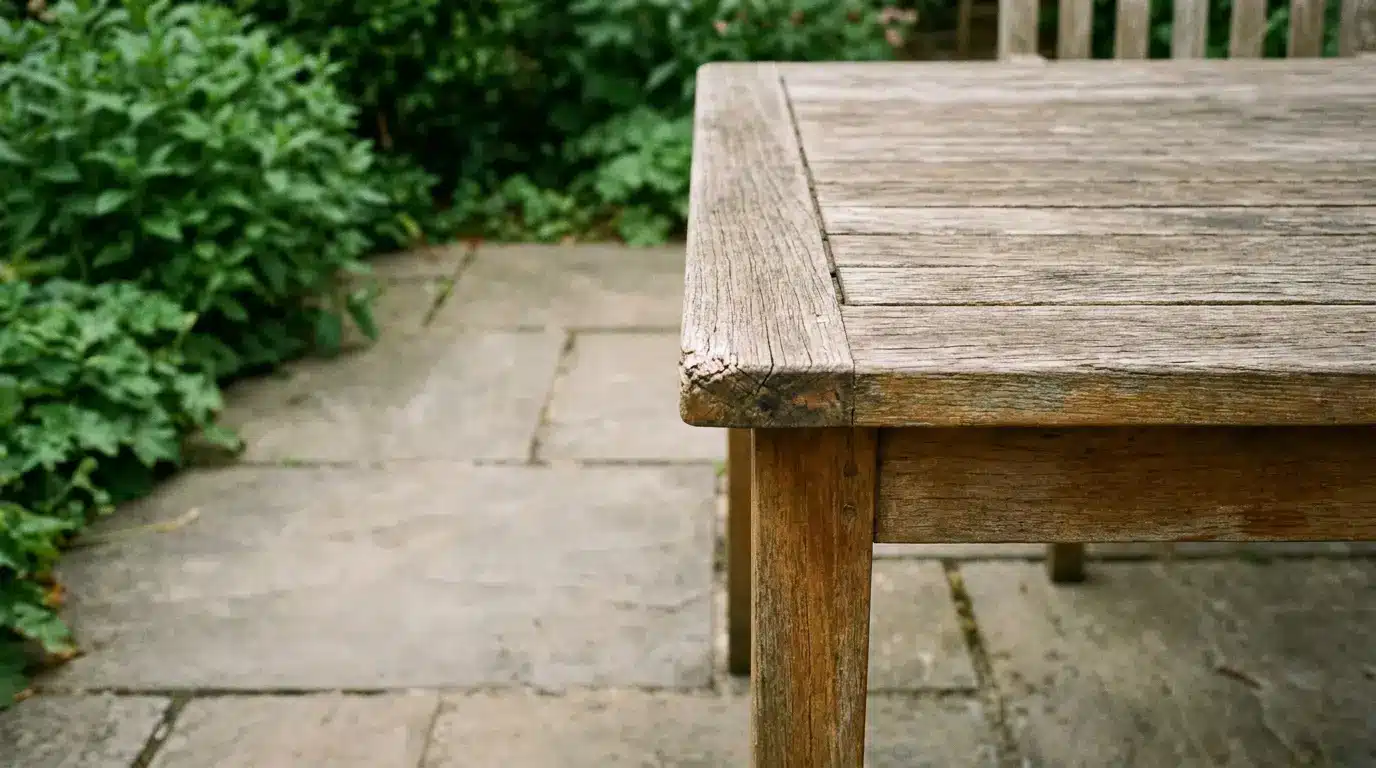
Hardwood furniture is unparalleled in terms of aesthetic value. The natural grains and rich colours offer a timeless appeal that both metal and plastic struggle to replicate. Metal can dent and warp, and plastic is vulnerable to losing its colour and surface quality. Over time, hardwood develops a unique patina that enhances its appearance rather than detracting from it. The elegance and sophistication that hardwood brings to an outdoor setting are unmatched, making it a favourite among garden enthusiasts.
Environmental Considerations
In an era when sustainability is more important than ever, hardwood is an environmentally-friendly choice. Unlike plastic, which is derived from non-renewable sources, and some metals, which require intensive energy to produce, hardwood can come from responsibly managed forests where replanting and conservation are practised. Moreover, at the end of its life cycle, wooden furniture is biodegradable, unlike plastic which contributes to landfill waste.
Cost-effectiveness in the Long Run
While the initial investment in hardwood furniture may be higher than alternatives, the long-term benefits often outweigh these costs. Metal furniture may need rust treatment or replacement, and plastic may need frequent renewal due to its susceptibility to various forms of damage. Hardwood, on the other hand, requires minimal maintenance occasional cleaning and oiling are usually sufficient to keep it in top condition. Its longevity and the minimal repairs needed make hardwood the more cost-effective option over time.
In conclusion, while there are several choices available for outdoor furniture, hardwood stands out as the most durable, aesthetically pleasing, and environmentally sustainable option. Whether you’re furnishing a spacious patio or a quaint garden corner, opting for high-quality hardwood pieces like solid wooden garden tables will ensure that your outdoor furniture remains a lasting investment.