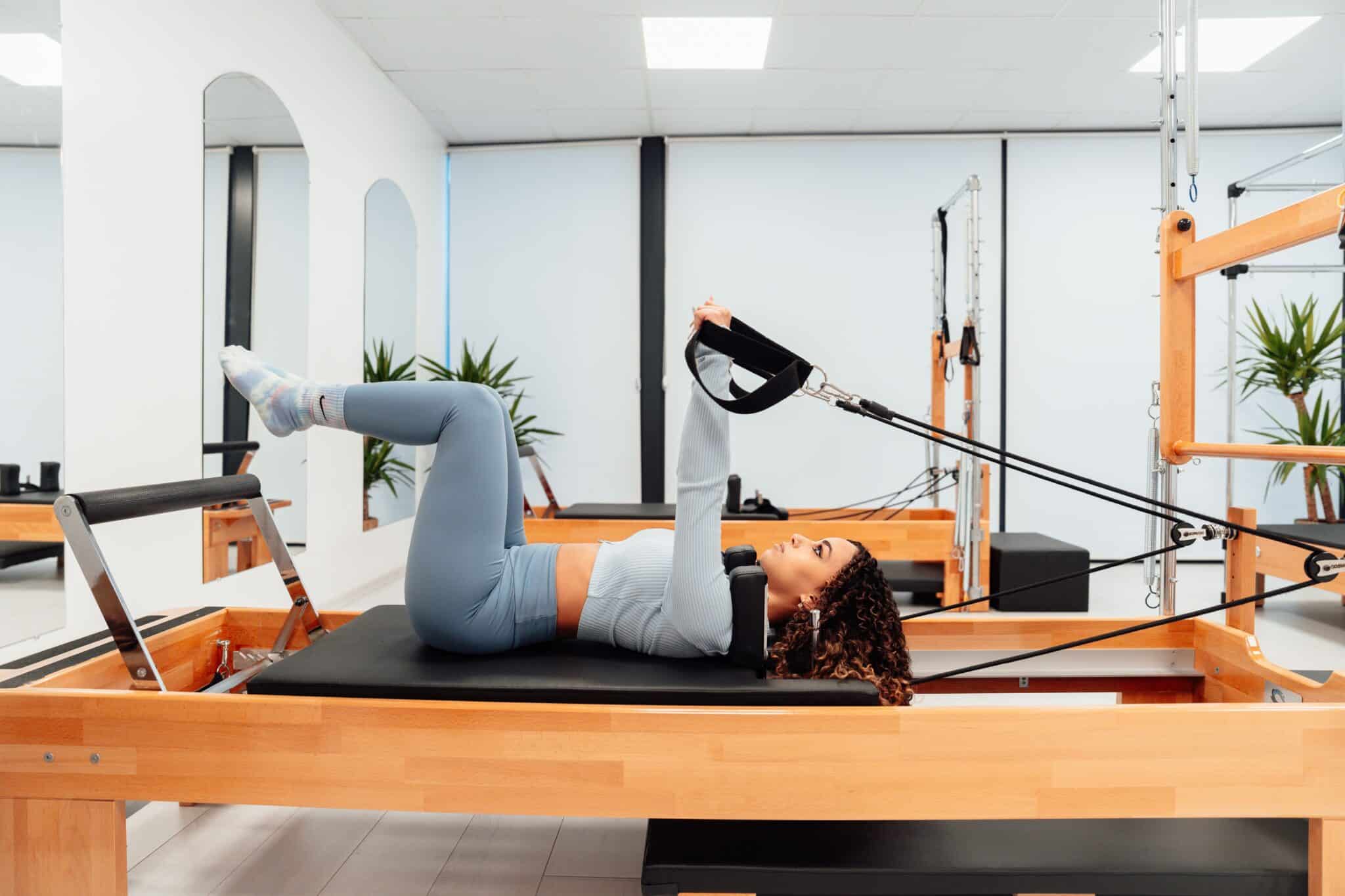

Feeling tired or low on energy even when you’re not sick? Physical well-being goes beyond avoiding illness. It reflects how well your body functions and supports everyday life.
Exercise and nutritious food play an important role in physical wellbeing. Quality sleep and preventive care also help you maintain a healthier lifestyle.
You don’t need a perfect routine to make progress. Small daily habits can make a meaningful difference over time.
If you’re starting fresh or improving your routine, read below to learn what physical wellness means, why it matters, and how to support it every day.
What is Physical Wellness
Physical wellness is the ability of your body to function efficiently and handle the demands of everyday life. It goes beyond simply being free from illness or injury.
A person may have no diagnosed medical condition but still experience fatigue or poor sleep. Low energy and limited mobility can also affect overall wellbeing.
Healthy living involves building healthy habits such as regular exercise and balanced nutrition. It also includes having enough strength and stamina to manage daily tasks without excessive fatigue.
Quality sleep and proper hydration, along with preventive care, also support this lifelong process as your age and lifestyle change.
Key Components of Physical Wellness
Good health comes from daily habits that support energy and strength while improving mobility, recovery, and long-term health.
Movement and Exercise

Regular movement helps keep your body strong and active for everyday life.
- Exercise Regularly: Aim for at least 150 minutes of moderate activity each week through walking, cycling, swimming or strength training.
- Build Strength and Endurance: Staying active supports heart health while strengthening muscles and joints to improve stamina.
- Support Overall Wellbeing: Regular exercise boosts energy, reduces stress, and helps improve your mood.
Nutrition

Healthy eating gives your body the fuel it needs to stay active and recover properly.
- Choose Balanced Meals: Include lean protein and whole grains along with fruits and vegetables.
- Eat Mostly Whole Foods: Choose minimally processed foods and enjoy treats in moderation.
- Support Your Health: Good nutrition supports energy, strengthens immunity, and aids recovery.
Sleep and Rest

Quality sleep helps your body recover and prepare for the next day.
- Get Enough Sleep: Most adults need 7 to 9 hours each night.
- Support Recovery: Good sleep supports memory and mood while helping physical repair and immune function.
- Keep a Routine: Maintain consistent sleep and wake times to support better sleep quality.
Preventive Care

Preventive care helps protect your health by finding potential problems before they become serious.
- Schedule Regular Checkups: Routine medical visits and health screenings help detect issues early.
- Stay Up to Date: Follow recommended vaccinations and preventive care for your age.
- Protect Your Future Health: Early care can lower the risk of more serious health problems.
Avoiding Harmful Habits

Avoiding harmful habits helps protect your body and supports better health over time.
- Limit Harmful Substances: Avoid smoking, excessive alcohol, and recreational drug use.
- Protect Your Body: These habits can damage vital organs and increase disease risk.
- Make Gradual Changes: Cutting back or quitting improves your health and wellbeing over time.
What People Say About Healthy Living
People discussing healthy living online often agree that it is about feeling healthy and capable in daily life rather than chasing a perfect body.
Many emphasize consistent movement, balanced habits, and realistic goals over extreme routines.
“Be strong, be mobile, have good cardio. Do mobility work, lift weights, run, swim, cycle and build some muscle.” Reddit
This comment reflects a balanced view of overall health. Instead of focusing on appearance, it highlights strength, mobility, and cardiovascular health as the foundation of long-term wellbeing.
“I’ve shifted my mindset more towards movement as my overarching goal… going for a walk, dancing in my living room, going for a yoga class with friends.” Reddit
This user explains how prioritizing regular movement over perfect workouts made staying active more sustainable. It shows that healthy habits can fit into everyday life in many different ways.
Sleep, diet, and exercise are the triad of health, in my opinion. Sleep is generally the easiest to fix but the most commonly screwed up.” Reddit
This user shows that overall wellbeing relies on balanced sleep, nutrition, and regular activity rather than exercise alone.
Signs of Good Physical Health vs Signs You May Need to Improve It
Your daily habits often show whether your health habits are on the right track. Use these common signs as a quick self-check.
| Signs of Good Physical Health | Signs You May Need to Improve It |
|---|---|
| Steady energy throughout the day | Constant tiredness or low energy |
| Sleeping well and waking refreshed | Poor or interrupted sleep |
| Good strength and mobility | Frequent aches or stiffness |
| Recovering quickly after activity | Slow recovery from exercise |
| Rarely getting sick | Frequent illness or infections |
| Good focus and stable mood | Poor concentration or irritability |
Factors that Can Affect Wellness Progress
Many people want to improve their overall health but unknowingly adopt habits that make progress more difficult. Avoiding these common mistakes can help you build healthier routines that last.
1. Doing Too Much Too Soon: Trying to change your diet, exercise, and sleep habits all at once often leads to burnout.
2. Neglecting Sleep and Recovery: Your body needs quality sleep to repair, recharge, and perform at its best.
3. Living a Sedentary Lifestyle: Sitting for long periods without regular movement can affect your overall health.
4. Skipping Routine Checkups: Preventive care helps detect health concerns before they become serious.
5. Choosing Quick Fixes: Extreme diets and intense workout plans are difficult to maintain, while small, consistent habits deliver better long-term results.
Why Physical Wellness Matters for Your Overall Health
It supports your body and mind while helping maintain energy and focus in daily life.
Regular exercise and balanced nutrition can improve overall wellbeing. Quality sleep also supports memory, mood, and immune function.
Healthy habits may reduce the risk of conditions such as heart disease, type 2 diabetes, and high blood pressure. Better physical health can also help you manage stress and stay productive.
Progress may take time, but maintaining healthy habits can benefit your physical health, emotional wellbeing, relationships, and overall quality of life.
Conclusion
Physical wellness depends on daily habits that help your body stay active and function well over time.
Regular exercise and balanced meals support your health. Quality sleep, routine checkups, and healthy lifestyle choices can all contribute to how well your body functions.
Instead of changing everything at once, choose one manageable habit and gradually build from there. Your routine can also change as your needs and lifestyle evolve.
Have a healthy habit that works for you? Share your experience in the comments and pass these details along to someone who may find it useful.
Frequently Asked Questions
Can You Improve Physical Health Without a Gym Membership?
Yes. Walking, bodyweight exercises, and home-cooked meals can support better health alongside a consistent sleep schedule without requiring equipment or a gym membership.
Does a Healthy Routine Look The Same for Everyone?
No. Health needs can vary based on age, lifestyle, abilities, daily responsibilities, and individual health needs. A sustainable routine should reflect your circumstances and goals.
How Long Does It Take to Improve Physical Wellness?
There is no fixed timeline. Progress depends on your starting point, habits, goals, and consistency. Some changes may be noticeable sooner, while others develop gradually.