Want to sleep better and recover faster at the same time?
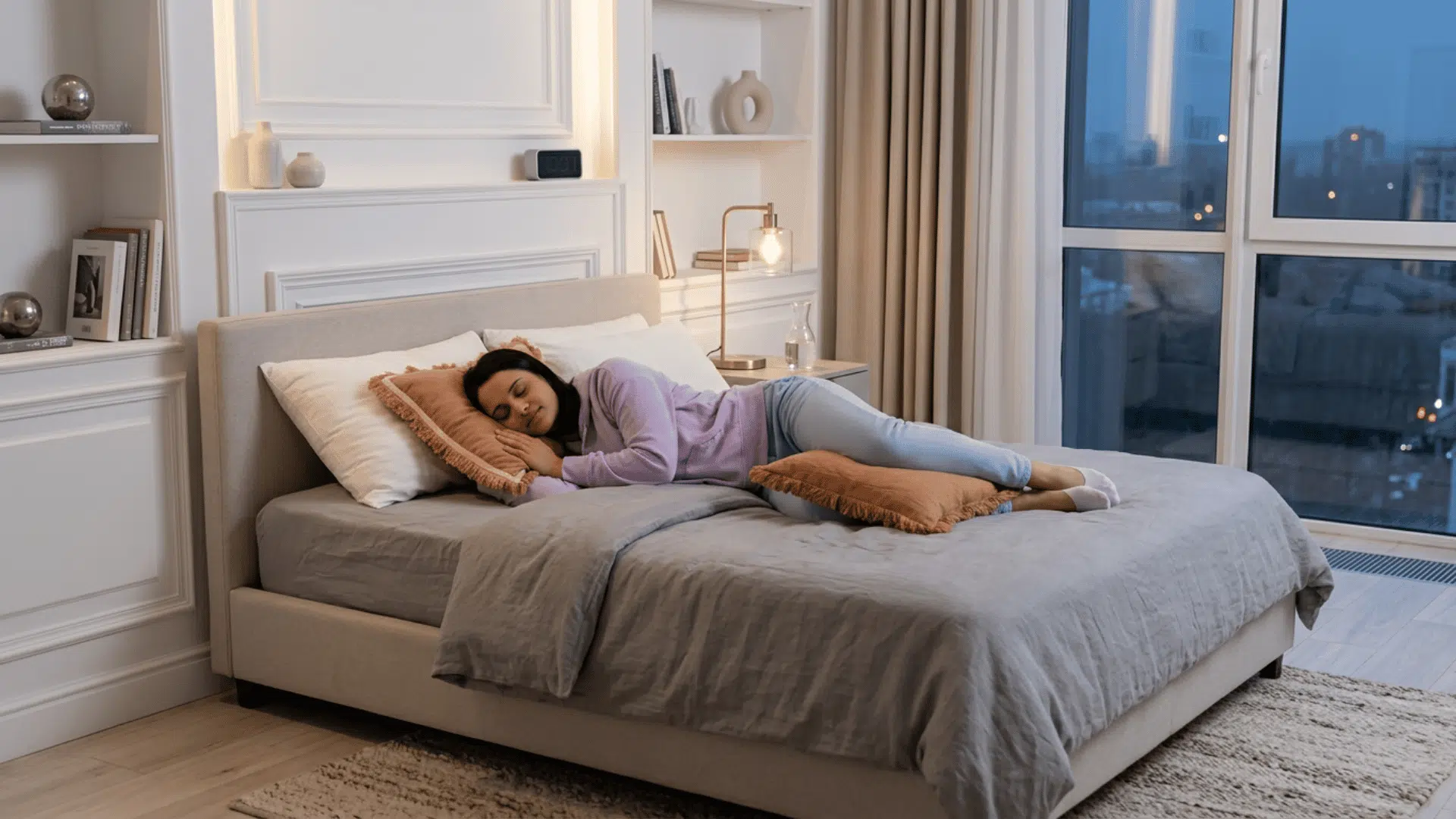
Sleep and recovery go hand in hand. You can’t have one without the other…And the wellness world is finally waking up to this fact.
Here’s the catch:
Most people layer their recovery therapies back to front. Jumping from ice to red light to breathwork without a clue if it’s doing anything.
Discover the best sleep and recovery therapies — and how to combine them for maximum benefit.
Here’s what you’ll discover:
- Why Sleep and Recovery Go Hand in Hand
- The Top 5 Therapies for Sleep and Recovery
- How to Stack Therapies for Maximum Impact
Why Sleep and Recovery Go Hand in Hand
Sleep is when the body does its heavy lifting.
Muscles recover, hormones recalibrate and your brain clears out the day’s metabolic waste. Neglect this essential period and you’ll be depleted the next day.
The problem?
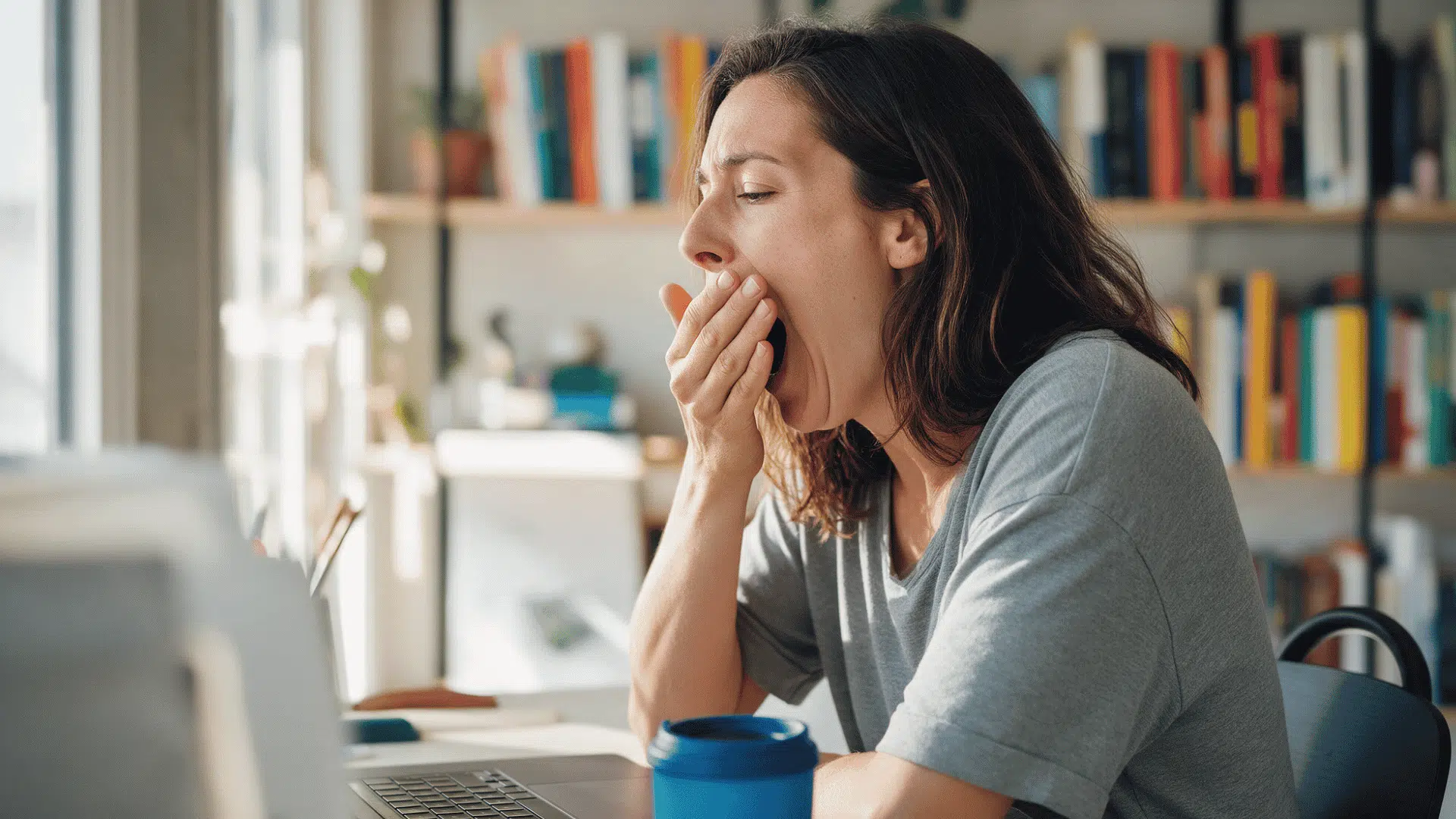
Most people don’t get enough sleep. CDC data shows more than 36% of adults report insufficient sleep — and poor sleep is linked to obesity, depression, diabetes, and heart disease.
And that’s where recovery therapies enter the picture. Recovery practices amplify the natural rhythms of your body to optimize what sleep is already doing for you, for free.
Combine quality sleep with proper recovery and it’s magic. You sleep better. You wake up feeling more rested. And your body has the resources to recover from stress, training and life.
Think about it:
- Poor sleep kills recovery
- Poor recovery hurts sleep
- Good recovery supercharges sleep
It’s a cycle — and you want it spinning in the right direction.
The Top 5 Therapies for Sleep and Recovery
Now on to the best therapies that deliver real sleep and recovery gains.
Pick one or two, add them to your weekly rotation, and observe how your body reacts. Read through all of them, select what fits your lifestyle, and start stacking.
Oxygen Therapy for Wellness
Oxygen therapy for wellness is one of the fastest-growing recovery trends right now.
Here’s how: When your body is stressed–training, infection, or lack of sleep–cells in your body can become oxygen deprived. Hyperbaric oxygen therapy replenishes the oxygen in your bloodstream with a dose of concentrated oxygen under pressure.
This process supports:
- Faster tissue repair
- Reduced inflammation
- Deeper, more restful sleep
- Better mental clarity during the day
A seated hyperbaric chamber allows this type of therapy at home or in a clinical setting. No complex installation. No rushing to a specialty clinic each week.
And studies support it as well. A 2024 meta-analysis found that hyperbaric oxygen therapy can significantly enhance sleep quality in patients with sleep-related disorders. The calming, parasympathetic response it elicits helps the nervous system shift from “fight or flight” into “rest and digest”…
Which is exactly the state the body needs for quality sleep.
Cold Therapy
Cold plunges and cold showers have recently been all the rage in the recovery world — and for good reason.
Cold plunges or even just short exposures to cold will decrease muscle soreness, release dopamine, and help regulate your circadian rhythm.
The key is timing.
Do cold therapy in the morning to get a boost of energy. Don’t do it late at night if you are trying to wind down. 2-3 minutes in water under 15°C (59°F) a few times a week and the benefits begin to compound rapidly.
Bonus: Cold therapy is an awesome complement to breathwork. Learn the Wim Hof method for a bonus boost.
Red Light Therapy
Red light therapy uses specific wavelengths of light to support cellular energy production.
Research suggests it can:
- Reduce muscle fatigue and soreness
- Support skin and tissue repair
- Improve melatonin production for deeper sleep
Use red light at night, it does not interfere with your sleep hormones like the blue light from phones and laptops. Take a 10 minute dose before bed to reap the rewards.
Massage and Percussive Therapy
Massage is not just a luxury — it is one of the oldest recovery tools in the world.
Percussive therapy guns, foam rollers, and traditional massage all work to:
- Release deep muscle tension
- Improve blood circulation
- Trigger the parasympathetic nervous system
- Drop cortisol levels
Think of this as sleep tech 101. Fifteen minutes of massage before bedtime reduces stress hormones and helps you get to sleep. You can give yourself this massage, thanks to a percussive device or foam roller — and no need to book an expensive session.
Breathwork and Meditation
Breathwork might be the simplest (and cheapest) recovery therapy out there.
Slow, deep breathing stimulates the vagus nerve, slows your heart rate, and tells your body it’s okay to relax. A good place to begin is with the 4-7-8 technique:
- Breathe in for 4 seconds
- Hold for 7 seconds
- Exhale for 8 seconds
Do it for 4-5 rounds before sleeping. You will be surprised how fast your body goes into sleep mode.
Cold plunges, portable massage tables, stretching areas, red-light therapy systems, and other recovery-focused amenities are finding their way into residential environments.
How to Stack Therapies for Maximum Impact
Here’s where most people go wrong…
They try all the therapies at once and burn out quickly. Hundreds of dollars later on buying fancy equipment that ends up as garage sale bait.
A better approach? Stack therapies that complement each other based on timing.
Morning stack:
- Cold shower or cold plunge
- Breathwork
- Oxygen therapy (if time allows)
Evening stack:
- Red light therapy
- Massage or percussive therapy
- Breathwork before bed
Consistency is far more important than intensity. A 20 minute daily program will always outperform a 2 hour “super session”. For most people, 2-3 weeks will be the first time they really notice results.
And don’t forget — sleep is still the base. No stack of therapies in the world can overcome chronic sleep deprivation. First get 7-9 hours of good quality sleep, then build the therapies on top of that.
That’s when the magic happens.
Tying It All Together
Sleep and recovery go together like peanut butter and jelly. One feeds the other.
The therapies covered in this guide, from oxygen therapy to cold therapy to red light to massage and breathwork, are all about getting better sleep and recovery faster. When you stack them strategically, their benefits become multiplicative.
A quick recap:
- Sleep is the foundation of all recovery
- Oxygen therapy floods the body with the fuel it needs to repair
- Cold therapy boosts mood and resilience
- Red light therapy supports cellular energy and deeper sleep
- Massage and breathwork activate the nervous system’s recovery mode
Choose 1 or 2 therapies that work with your lifestyle and give them 30 days. There’s a reason the wellness industry is exploding… These tools are effective when applied on a regular basis.
Your future self will thank you for the investment.