Tiny dust mites may be hard to see, but they can settle in the places people use every day, such as bedding, carpets, curtains, and furniture.
These small pests can add to indoor allergens and make some homes feel less comfortable.
Regular cleaning habits and smart home care can help reduce their presence and improve indoor spaces.
This blog explains how to get rid of dust mites with practical steps, including washing fabrics, managing humidity, and improving cleaning routines.
It also covers common questions about dust mite control and allergy concerns. Continue reading to learn simple ways to create a cleaner home environment.
What are Dust Mites and Why Do They Grow Inside Homes?
Dust mites are tiny, spider-like pests that live in household dust and feed mainly on dead skin flakes shed by people and pets.
They are too small to see without a microscope, but they can collect in places like mattresses, pillows, bedding, carpets, and fabric furniture.
Dust mites grow well in warm and humid areas because moisture helps them survive. Homes with poor airflow, high humidity, and less frequent cleaning may have more dust mite buildup.
If your rooms have a stale or damp odor, our guide on why a room smells musty explains common moisture-related causes.
While dust mites do not bite, their waste particles can trigger allergies and breathing problems in sensitive people. Regular cleaning and moisture control can help reduce their numbers indoors.
Keeping soft surfaces clean and washing fabrics often can also lower dust mite exposure over time.
Step-by-Step Ways to Eliminate Dust Mites
Small changes in cleaning habits can help reduce dust mites in common household areas. These steps focus on bedding, furniture, moisture control, and regular upkeep.
1. Wash Bedding With Hot Water Regularly
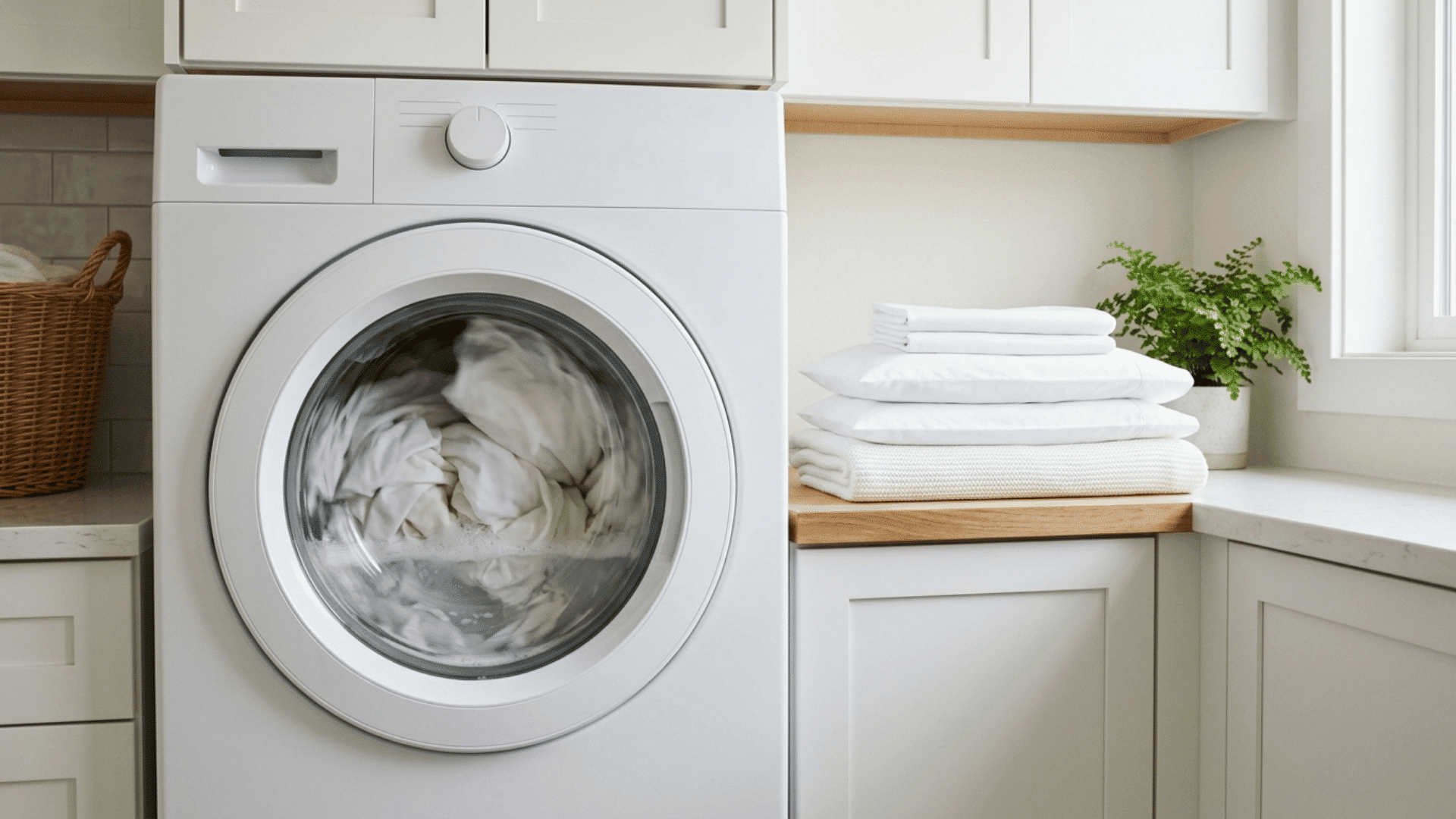
Bedding collects skin flakes and dust where mites often live. Washing sheets, pillow covers, and blankets regularly can help remove dust mites and their allergens.
Use hot water when the fabric label allows it, as heat can help reduce mite levels. Drying items completely is also important because moisture can support dust mite growth. If you don’t always have access to a machine, our walkthrough on washing bed sheets by hand covers the full process.
A consistent washing routine keeps sleeping areas cleaner and helps lower allergen buildup over time.
2. Use Dust-Mite Covers on Mattresses and Pillows
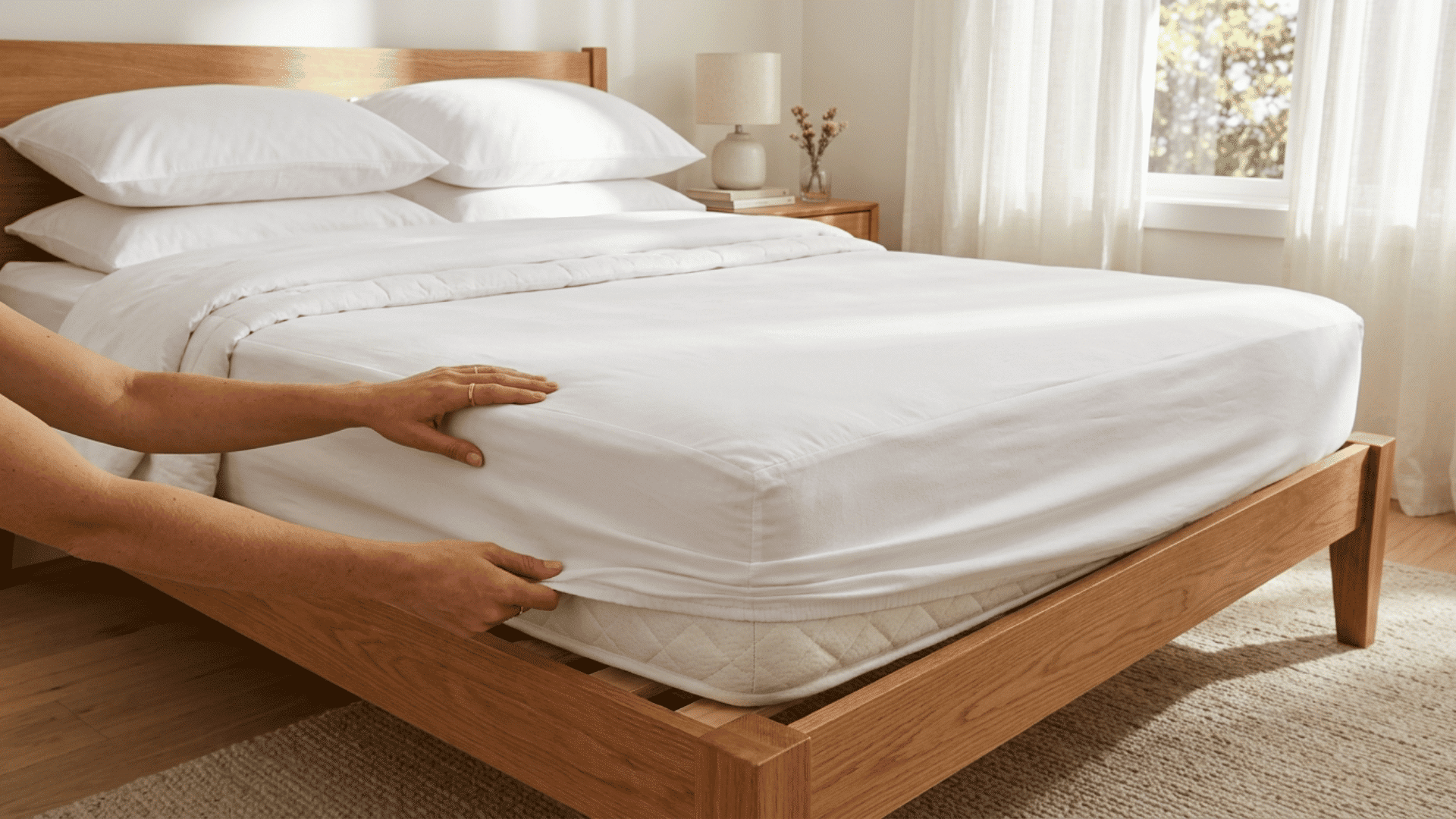
Mattresses and pillows can hold dust mites for long periods because they collect skin flakes and moisture.
Dust-mite covers create a protective barrier that limits contact with mites and their waste particles. Choose covers made for allergy control with tightly woven fabric.
Covering both mattresses and pillows can be helpful, especially for people who react to dust mite allergens. Regularly washing these covers also helps keep sleeping areas cleaner.
3. Keep Indoor Humidity Levels Low
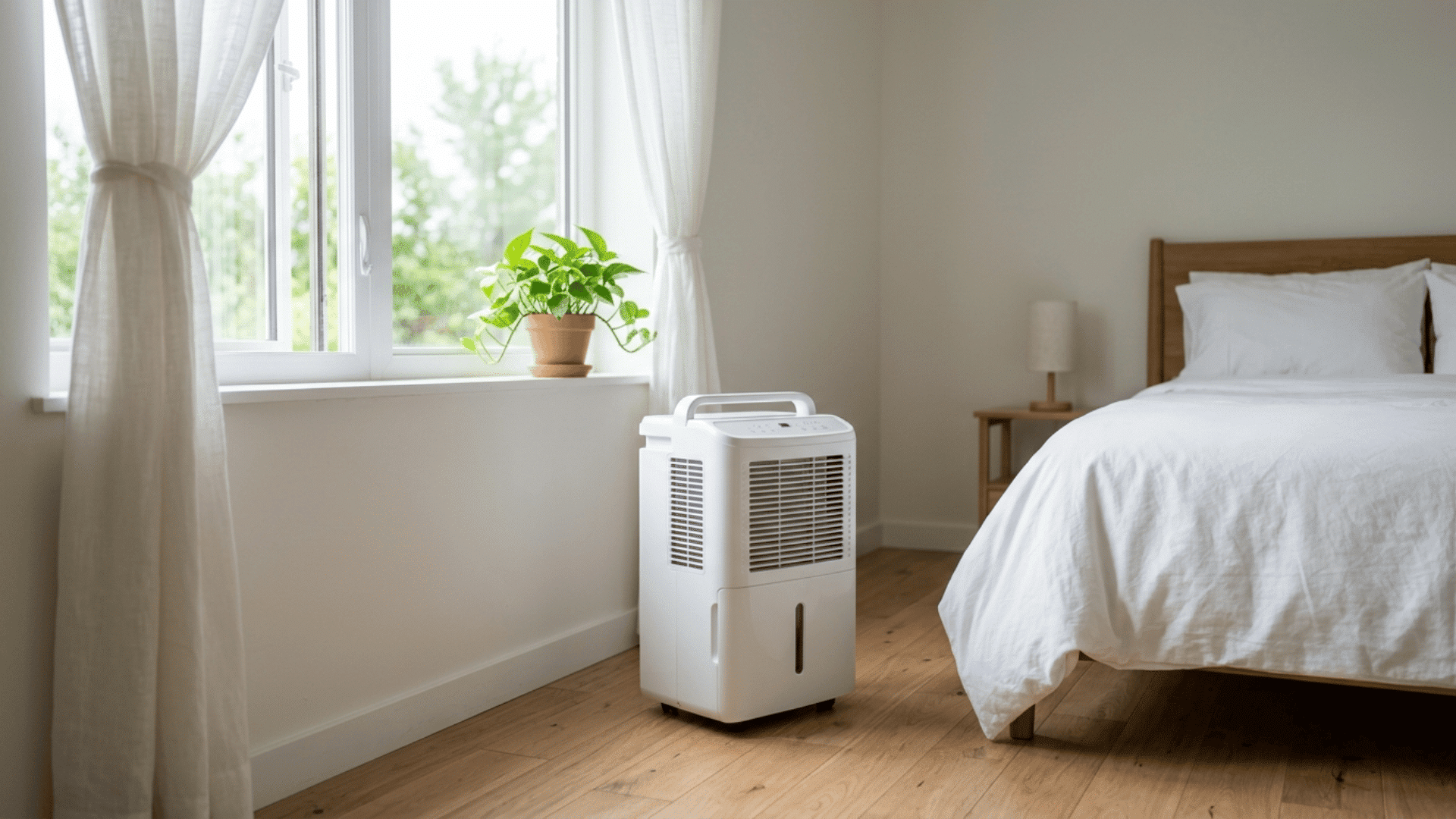
Dust mites grow better in warm, humid spaces, so controlling indoor moisture can help reduce their numbers.
Use a dehumidifier in damp areas and improve airflow by opening windows or using fans when possible. Fix leaks quickly and avoid leaving wet items indoors for long periods.
Keeping humidity at a moderate level makes the home less suitable for dust mites and can support better indoor air quality.
4. Vacuum Carpets and Furniture Often
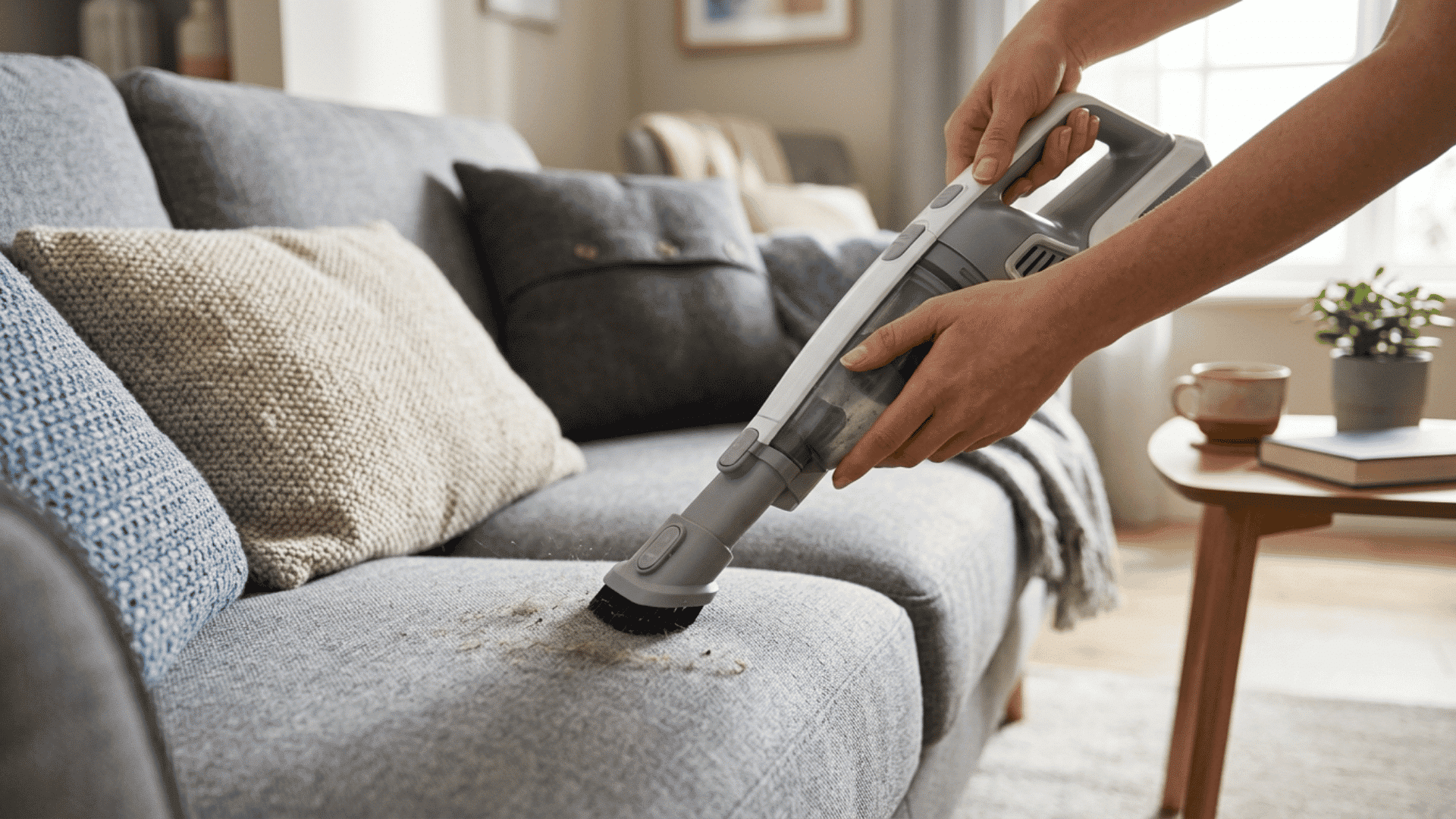
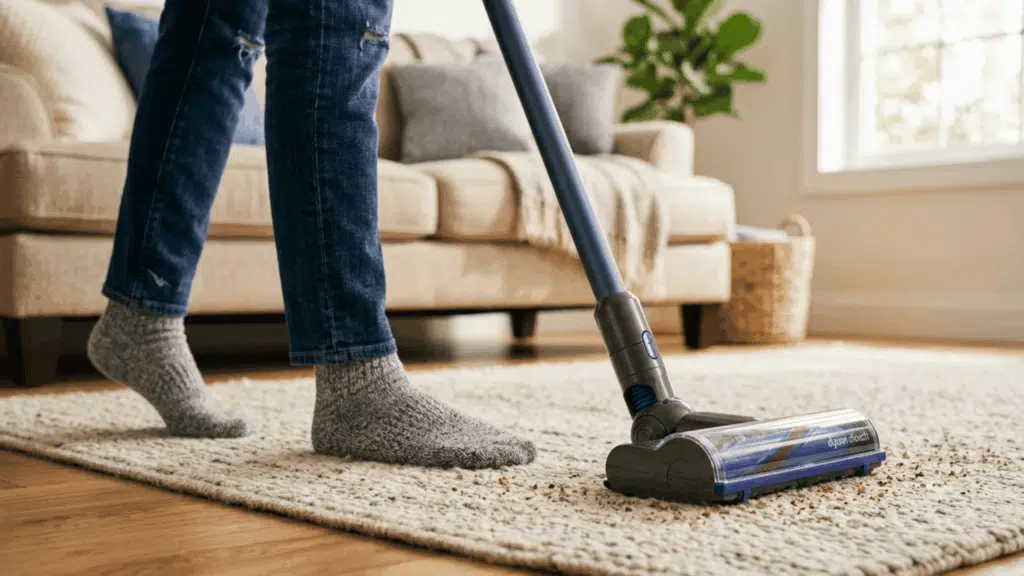
Carpets, rugs, and fabric furniture can collect dust, skin flakes, and other materials that support dust mites. Regular vacuuming helps remove these particles from household surfaces.
A vacuum with a HEPA filter can help capture smaller dust particles instead of spreading them back into the air.
Pay attention to areas under furniture, corners, and frequently used spaces. Regularly cleaning upholstery and carpets can help reduce allergen buildup.
5. Reduce Dust Collection Areas

Soft items and clutter can collect dust and create more places for dust mites to settle. Reduce extra fabric items, wash curtains when possible, and keep stuffed toys clean.
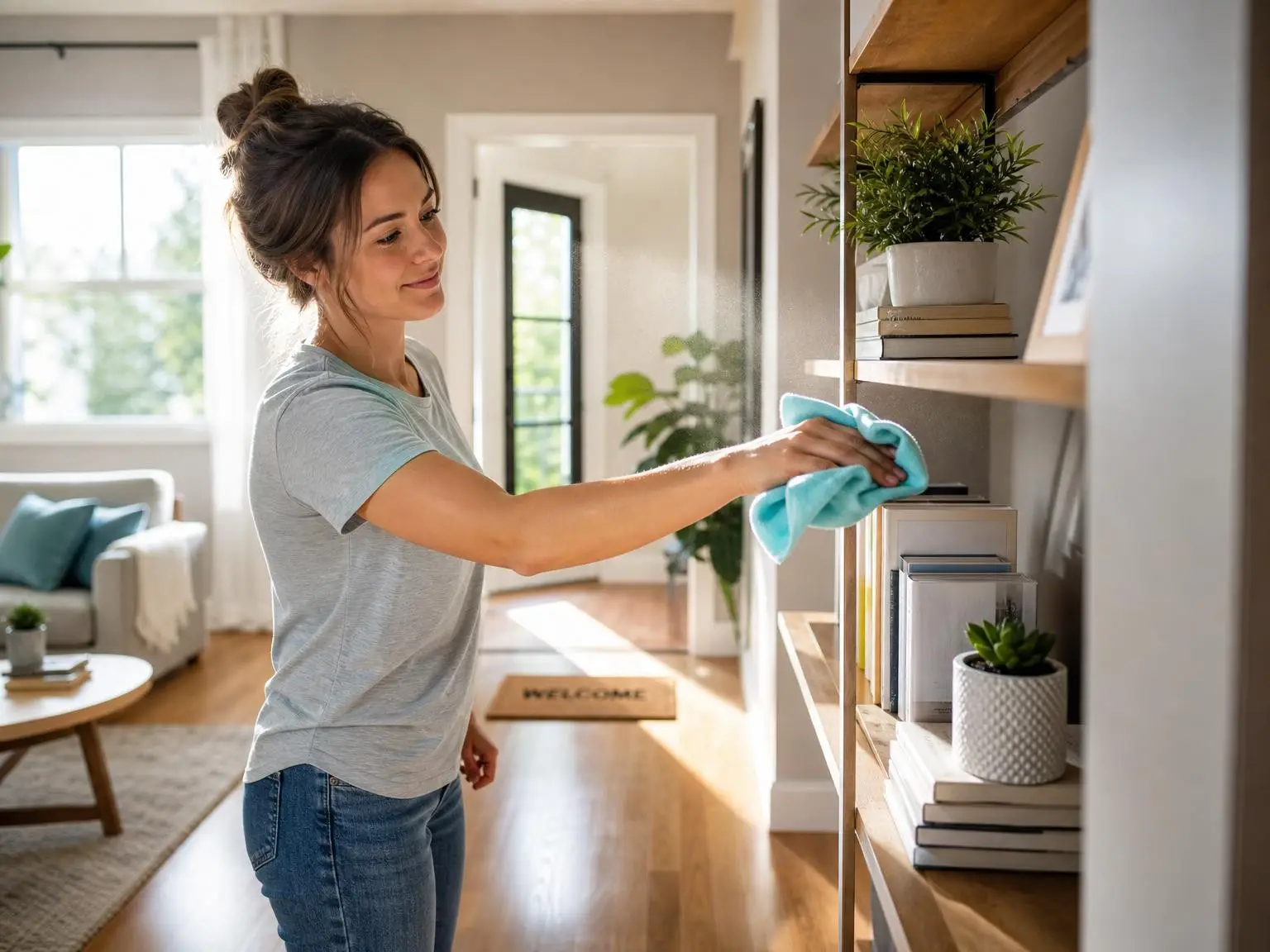
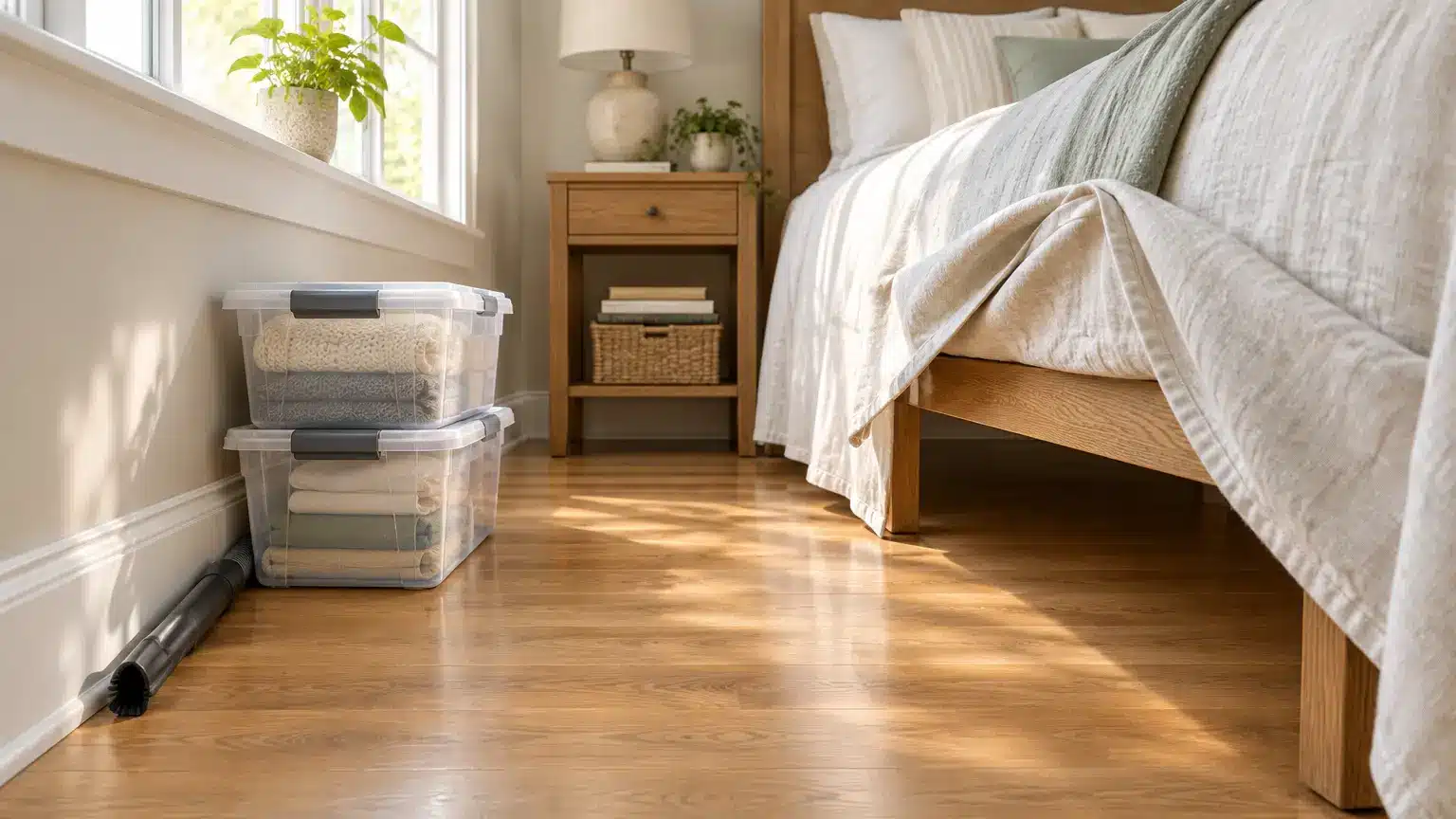
Store unused blankets and fabrics in closed containers to limit dust buildup. Regular dusting with a damp cloth can also help trap dust instead of moving it around the room.
Fewer dust-catching surfaces can make routine cleaning easier and more effective.
Does Lysol Kill Dust Mites?
Many people ask if Lysol can kill dust mites because it is a common household disinfectant. Lysol products are made to kill certain germs on suitable surfaces.
However, they are not a proven method for removing dust mites from bedding, mattresses, or fabric furniture
Dust mites live deep inside soft materials, and sprays may not reach all areas where they collect.
The most effective ways to reduce dust mites include washing fabrics regularly, using protective covers, vacuuming with proper filters, and controlling indoor humidity.
Always check product labels before using cleaners on household items to avoid damage and use them safely around your home.
Dust Mite Allergy: Symptoms, Treatment, and Exposure Control
These allergens can become airborne during cleaning or daily activities and may affect sensitive people. Reducing exposure at home and following proper allergy care can help manage symptoms.
Common Symptoms of Dust Mite Allergy
Dust mite allergy symptoms can vary from mild irritation to more noticeable breathing problems. Common signs include:
- Sneezing often, especially after waking up
- Runny or blocked nose
- Itchy, red, or watery eyes
- Coughing or breathing discomfort
- Postnasal drip or throat irritation
Symptoms may become stronger in bedrooms and other areas where dust mites collect.
Ways to Manage Dust Mite Allergy Symptoms
Lowering contact with dust mite allergens is an important part of symptom control. Helpful steps include:
- Wash bedding regularly and use dust-mite covers on mattresses and pillows.
- Reduce dust buildup by cleaning floors, furniture, and fabrics often.
- Keep indoor humidity levels controlled to limit dust mite growth.
- Follow allergy treatment advice from healthcare professionals, which may include medicines or other recommended options.
A consistent home cleaning routine can help reduce exposure.
When to Seek Medical Advice
Some dust mite allergy symptoms may need professional care, especially when they continue or affect daily routines. Consider medical advice in these situations:
- Symptoms continue despite regular cleaning and exposure reduction.
- Breathing problems, frequent coughing, or chest discomfort occur.
- Allergy symptoms become stronger or interfere with sleep and daily activities.
- Recommended treatments do not provide enough relief.
A healthcare professional can help identify the cause of symptoms and suggest suitable treatment options. For health-related concerns, readers should always consult a qualified medical professional for proper diagnosis and care.
Common Cleaning Mistakes That Increase Dust Mite Problems
Some cleaning habits may not fully remove dust mites and can allow allergens to build up over time. Avoiding these mistakes can support better dust control at home.
- Skipping Regular Bedding Washes: Infrequent washing of sheets, pillow covers, and blankets allows dust mites and allergens to collect in sleeping areas.
- Using Dry Dusting Methods: Dry dusting can move dust particles around instead of removing them, allowing allergens to settle back on surfaces.
- Ignoring Mattresses and Pillows: Mattresses and pillows can hold dust mites for years if they are not protected with covers or cleaned properly.
- Keeping Indoor Humidity Too High: Excess moisture creates better conditions for dust mites to grow, especially in bedrooms and poorly ventilated areas.
- Forgetting Fabric Furniture and Carpets: Sofas, rugs, and carpets can trap dust and skin flakes, making them common areas for dust mite buildup.
Conclusion
A cleaner home starts with small actions that create lasting changes. Dust mites may be tiny, but they can collect in everyday items like bedding, carpets, and furniture.
Simple habits such as washing fabrics, reducing moisture, and keeping surfaces clean can help lower their presence.
Learning how to get rid of dust mites is about following practical steps that fit into daily home care.
A consistent routine can make indoor spaces feel more comfortable. Share your favorite dust control tip in the comments and help others keep their homes cleaner.
Frequently Asked Questions
Can Dust Mites Live in The Hair?
Dust mites do not live on human hair or skin. They stay mainly in household fabrics, bedding, and dusty areas.
Can Air Purifiers Remove Dust Mites?
Air purifiers can help reduce airborne particles and allergens but cannot remove dust mites living in fabrics and furniture.
Do Dust Mites Die in Cold Weather?
Cold temperatures may reduce dust mite activity, but indoor heating and humidity can allow them to survive throughout the year.