Cotton can feel very different depending on how its fibers are processed. Combed cotton stands out for its smooth surface, soft texture, and comfortable feel against the skin, making it a popular choice for clothing, bedsheets, towels, and other everyday fabrics.
The difference comes from an additional combing process that removes shorter fibers and helps create a cleaner, more uniform yarn.
This can affect not only how the finished fabric feels but also how it performs with regular use.
This blog explains what combed cotton is, how it feels, how it compares with regular cotton, and what to consider when choosing it for clothing and household fabrics.
What is Combed Cotton?
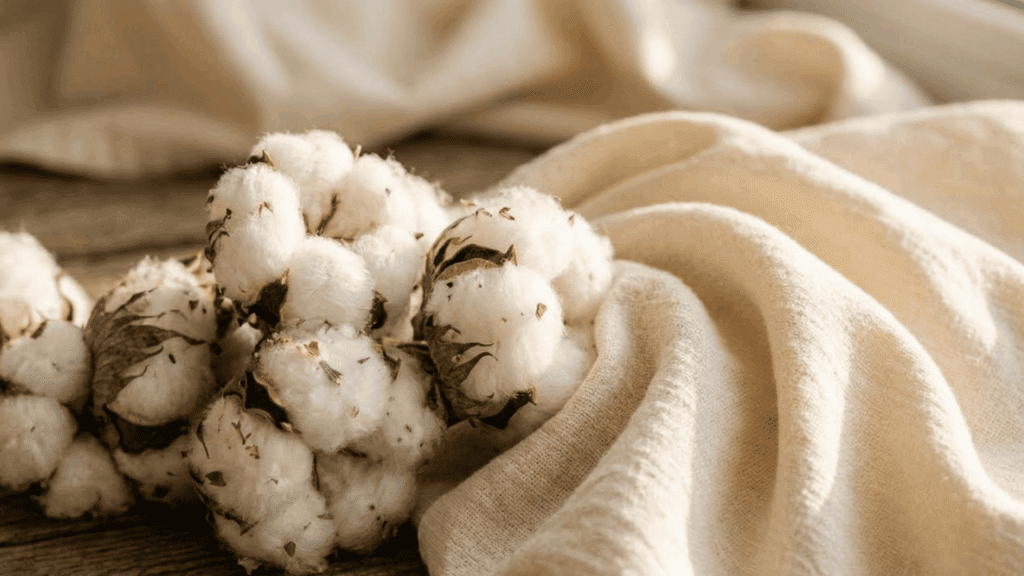
Combed cotton is regular cotton that undergoes an extra step before becoming fabric, called combing. Workers comb out the short, weak fibers and keep only the long, strong ones.
Think of it like brushing tangles out of hair until only the smooth, straight strands are left. That’s exactly where the name combed cotton comes from.
Workers pick the finest cotton from the plant. Then a machine called a gin removes the seeds and dirt. After that, it goes through carding, which is a rough first brushing.
Then combing comes in, with fine brushes pulling out the last of the short fibers and lining up the rest in one direction.
The result is smoother, cleaner cotton. That’s why it’s used in soft shirts, sheets, and towels.
Types of Cotton Available in the Market
Cotton isn’t just one single thing. Depending on how it’s processed, you’ll come across a few common types while shopping.
1. Carded Cotton: Brushed once to remove larger impurities, leaving it more affordable but slightly coarser.
2. Combed Cotton: Goes through an extra combing step, making it smoother, softer, and more durable.
3. Compact Cotton: Fibers are tightly bundled during spinning, giving the yarn extra strength and a cleaner surface.
4. Organic Cotton: Grown without synthetic pesticides or chemical fertilizers, appealing to eco-conscious buyers.
5. Open-End Cotton: A quicker, cheaper spinning method that results in a coarser, heavier yarn.
6. Ringspun Cotton: Twisted and thinned during spinning for a finer, stronger, more premium yarn.
How Does Combed Cotton Actually Feel?
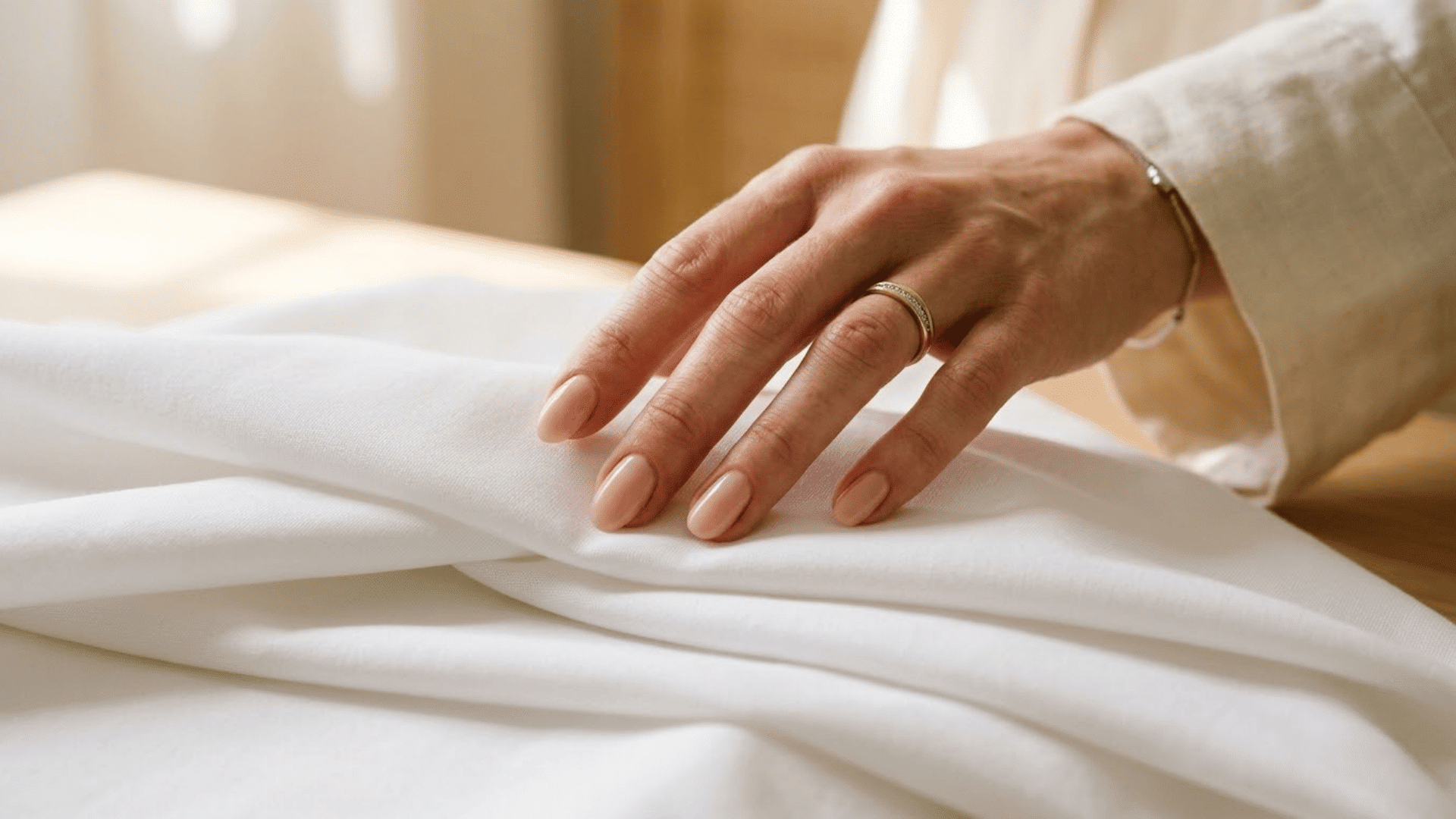
Combed cotton feels smooth right away, almost like running your hand over a cool bedsheet fresh out of the package.
There’s no scratchy feeling and no little fibers poking out to bug your skin.
Regular cotton can feel a bit rough or fuzzy, especially after a few washes. Combed cotton stays smooth wash after wash.
A single strand of combed cotton yarn can hold thousands of fibers, all lined up in the same direction instead of pointing every which way. That makes the fabric drape softly rather than feel stiff or bulky.
Run your fingers across a combed cotton shirt, and it almost glides. This is why combed cotton shirts feel gentle on sensitive skin, and sheets made from it feel cool and smooth against your face.
Benefits of Combed Cotton Beyond Softness
Combed cotton does more than just feel nice. Here are a few practical benefits that are often overlooked. From color to shape, these small details add up to a fabric that performs as well as it feels.
1. Fewer Skin Irritations and Itching
Since combed cotton removes most of the rough fibers, there’s less chance of those rubbing against your skin and causing itching or redness.
This makes it a good pick for people with sensitive skin, babies, or anyone who reacts easily to scratchy fabric. It’s one reason combed cotton shows up so often in baby clothes and undergarments.
2. Holds Color Better
Combed cotton fibers are cleaner and more uniform, so dye soaks in more smoothly and evenly.
Clothes and sheets made from combed cotton tend to keep their color longer, without fading into patchy or dull spots after repeated washing.
3. Keeps its Shape After Repeated Washing
Loose, short fibers are what usually cause fabric to stretch out or sag at the collar and cuffs over time.
Since combed cotton has fewer of these weak spots, clothes made from it tend to hold their original shape wash after wash, instead of getting baggy or losing their fit.
4. Works Better for Printed Designs
If you’ve ever bought a printed T-shirt where the design started peeling or cracking, that’s often due to rough, uneven fibers poking through the print.
Combed cotton has a flatter, smoother surface, so ink sits better, and designs stay sharp for longer. This is why many custom T-shirt brands use combed cotton for printed shirts.
5. Absorbs Moisture More Evenly
Combed cotton fibers soak up moisture at a steady, even rate instead of clumping in some spots and staying dry in others.
This makes it a smart pick for towels and sweat-wicking basics, since it dries more evenly and doesn’t leave damp patches behind.
Bonus Tip: Washing on a gentle cycle and avoiding high heat in the dryer helps combed cotton hold its shape even longer, since high heat can weaken fibers over time regardless of how well they were combed.
Combed Cotton vs Cotton: What Sets Them Apart
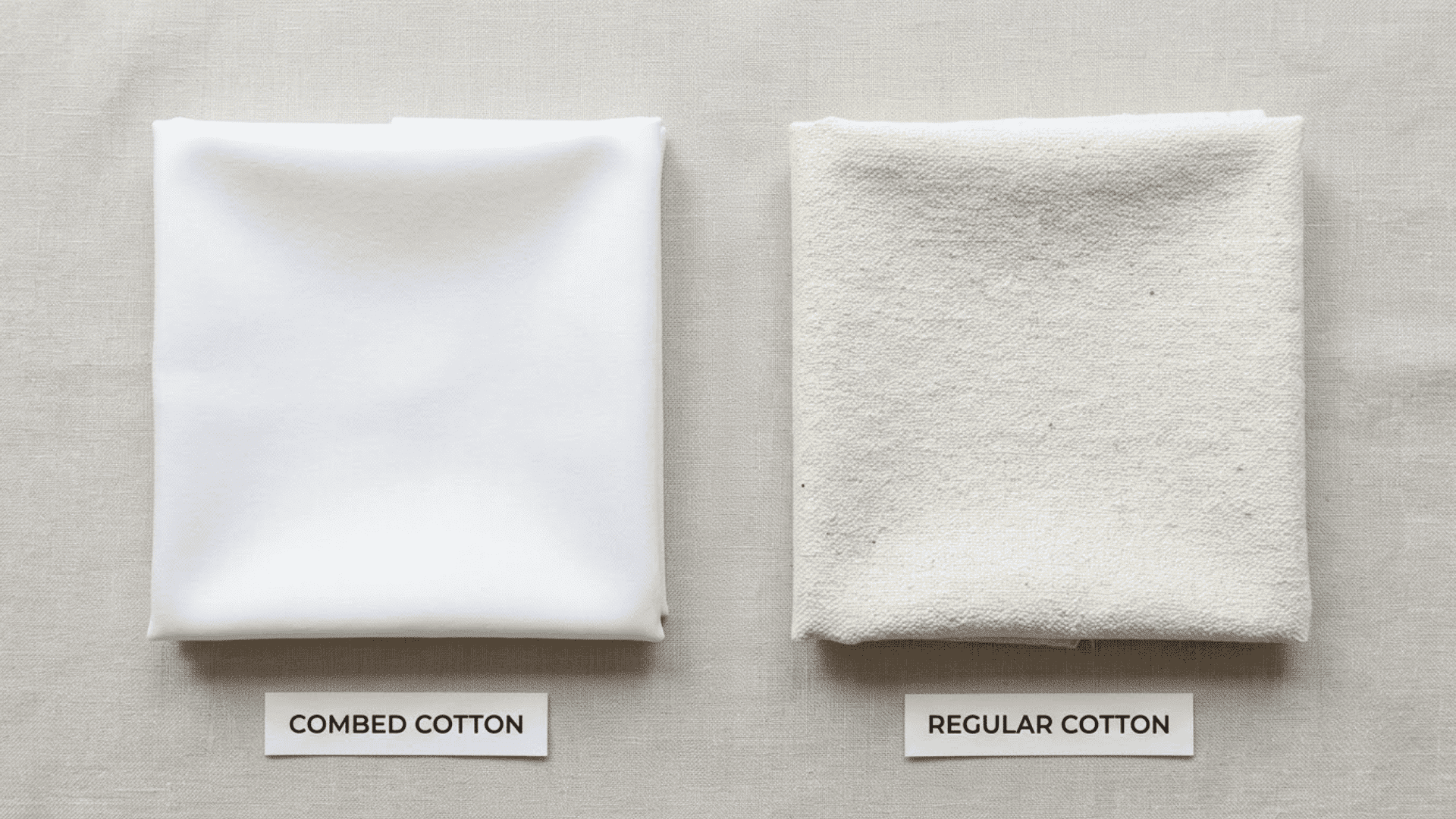
When you compare combed cotton vs cotton side by side, the difference comes down to one thing: the extra combing step. That changes how the fabric feels, how long it lasts, and how much it costs. Here’s a simple look at both.
| Feature | Combed Cotton | Regular Cotton |
|---|---|---|
| Feel | Smooth, soft, no scratchy fibers | Slightly rough or fuzzy |
| Fiber Length | Long, straight fibers | Mix of long and short fibers |
| Durability | Stronger, resists pilling | Wears down faster, pills sooner |
| Breathability | Light and airy | Heavier, less breathable |
| Feel Over Time | Stays smooth after many washes | Can turn rough or fuzzy with washing |
| Price | Costs more | More affordable |
| Common Uses | T-shirts, bedsheets, towels | Everyday clothes, basic fabrics |
Which One Should You Choose for Everyday Wear?
Combed cotton is often a better choice for items that stay in close contact with the skin, such as T-shirts, pajamas, underwear, bedsheets, and pillowcases. Its smoother surface and reduced fiber fuzz can make it feel softer and more comfortable during regular use.
Regular cotton can still work well for everyday clothing, household fabrics, and other items where softness is not the main priority. It is usually more affordable and is available in a wider range of fabric constructions.
For bedding and clothing where texture and long-term comfort matter most, combed cotton may justify the higher price. For basic household or clothing needs, regular cotton can remain a practical option.
The final feel also depends on factors such as fabric weight, yarn quality, weave or knit, finishing, and washing method, so combing is only one part of overall fabric comfort.
How to Spot Genuine Combed Cotton While Shopping
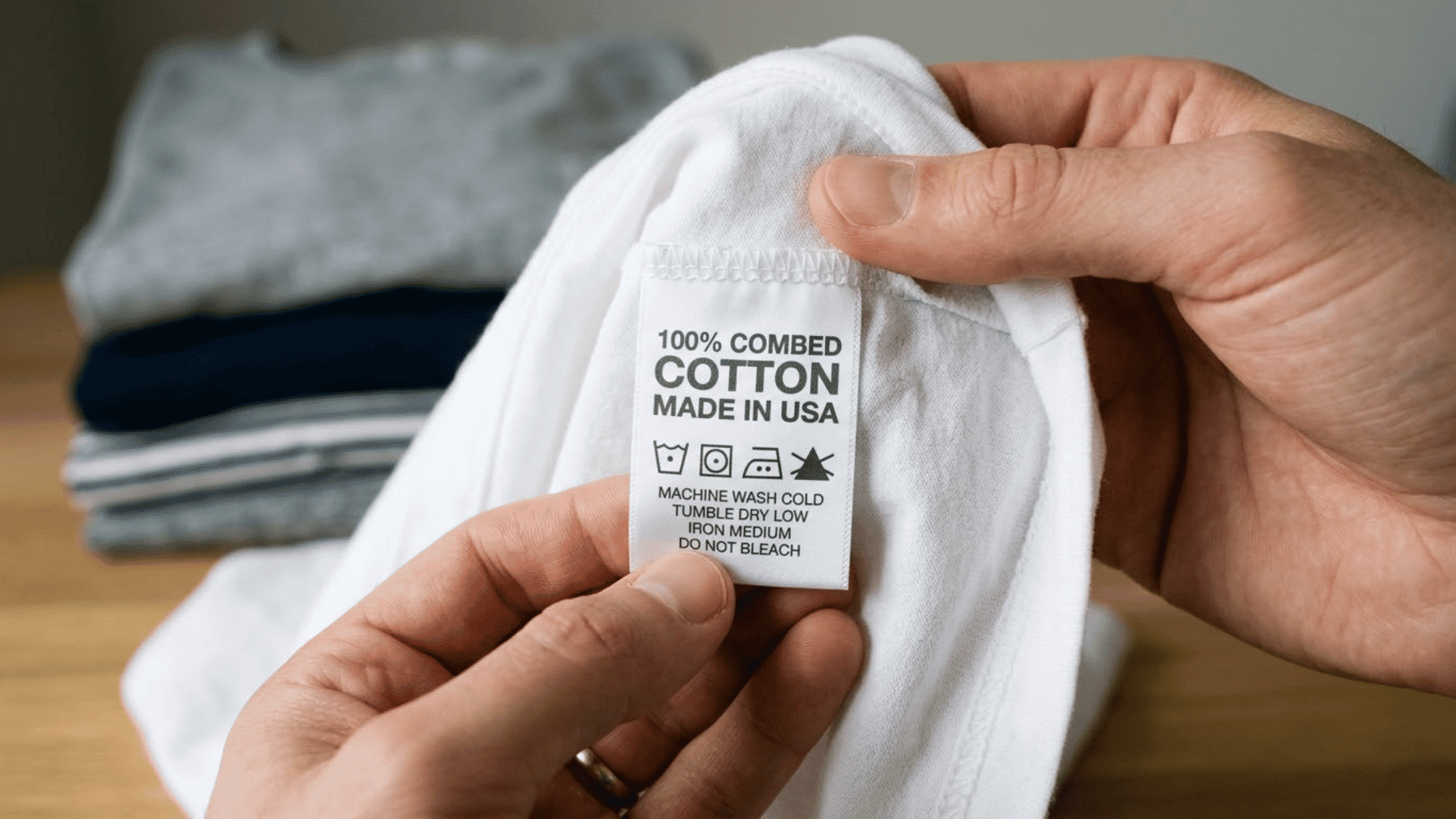
Not every label tells the truth, and “combed cotton” is a term brands love to print, even when the fabric barely qualifies. Here’s what to actually check before you buy.
- Read the Label Carefully: Look for the exact phrase “combed cotton” or “100% combed cotton” printed on the tag. Vague terms like “premium cotton” or “select cotton” often mean nothing and are used to make regular cotton sound fancier.
- Feel for a Smooth, Even Surface: Run your hand across the fabric and pay attention to any small bumps or loose fibers sticking out. Genuine combed cotton should feel consistently smooth with no rough patches.
- Look for Ringspun Combed on Tags: Many high-quality shirts pair combing with ringspun spinning, and brands that do this proudly print “ringspun combed cotton” on the label, since it signals extra processing and cost.
- Check the Thread Count for Sheets: If you’re buying bedsheets, combed cotton usually pairs with a thread count between 200 and 400. Extremely high numbers on cheap sheets are often a sign of inflated marketing rather than genuine quality.
- Compare the Price to Regular Cotton: Combed cotton costs more to produce, so if a product is priced the same as basic cotton items nearby, it’s worth double-checking whether the combing claim is accurate.
Wrapping it Up
By now, what is combed cotton probably feels like an easy question to answer: it’s regular cotton taken one step further, with the rough fibers combed out to leave only smooth strands.
That is why it feels softer against your skin and holds up better wash after wash than regular cotton.
Whenever you’re picking out a T-shirt, bedsheet, or towel, this difference helps you spot real quality instead of just paying for a fancy label.
Next time you’re out shopping, check the tag, run your fingers across the fabric, and see if it actually holds up to what you just learned.
Frequently Asked Questions
Is Combed Cotton Better for Sensitive Skin?
Yes. Combed cotton removes most of the short, rough fibers that can rub against skin and cause irritation, making it a gentler choice for sensitive skin and babies.
Does Combed Cotton Shrink More Than Regular Cotton?
Not usually. Combed cotton actually shrinks less than regular cotton since the combing process creates a tighter, more even weave that holds its shape better after washing.
Is Combed Cotton Breathable?
Yes. Combed cotton is lightweight and airy, allowing air to pass through easily, making it a comfortable choice for warm weather and everyday wear.
How Do You Wash Combed Cotton to Keep it Soft?
Wash in cold or lukewarm water, skip the fabric softener, and air-dry or tumble dry on low. This keeps the fibers intact and the fabric soft for longer.